Gluten free cake flour – As gluten-free cake flour takes center stage, this comprehensive guide unveils its unique properties, diverse types, and culinary applications. Whether you’re a seasoned baker or embarking on a gluten-free journey, discover the secrets to creating delectable treats that cater to every palate.
From its nutritional value to the art of baking with this specialized flour, we delve into the world of gluten-free cake flour, empowering you to master the techniques and savor the joys of gluten-free baking.
Definition and Overview
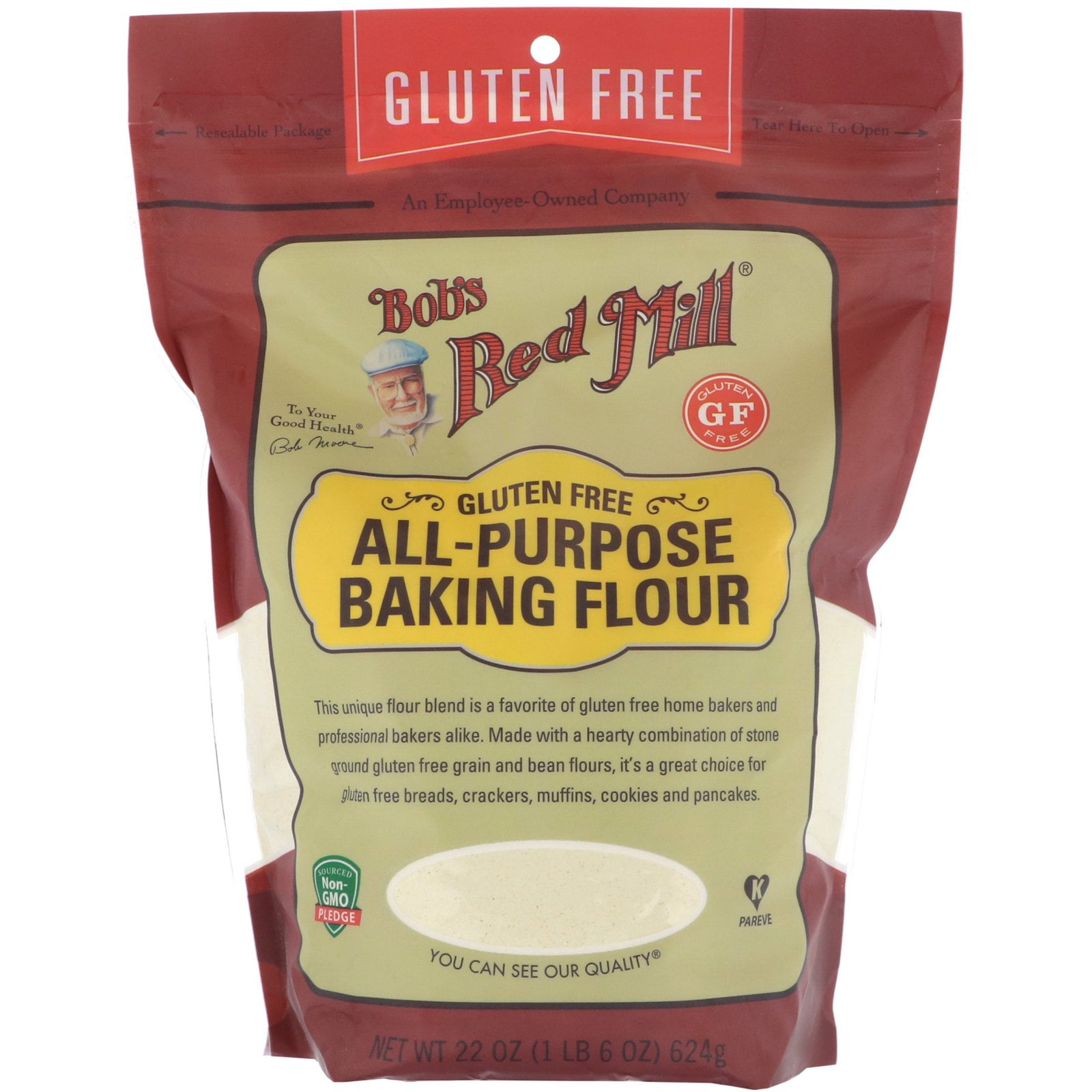
Gluten-free cake flour is a specialized type of flour tailored specifically for individuals with gluten intolerance or celiac disease. Unlike traditional cake flour, it excludes gluten-containing grains like wheat, rye, and barley, making it a safe and suitable alternative for those adhering to a gluten-free diet.
To achieve its unique properties, gluten-free cake flour is typically crafted from a blend of alternative flours, such as rice flour, potato starch, tapioca flour, and cornstarch. This combination mimics the delicate texture and aeration capabilities of traditional cake flour while ensuring it remains gluten-free. The production process involves carefully measuring and combining these ingredients to create a flour with the desired consistency and baking characteristics.
Notice fluffy rice cake crossword for recommendations and other broad suggestions.
Ingredients and Production Process
The primary ingredients used in gluten-free cake flour include:
- Rice flour: Finely milled rice provides a neutral flavor and a light, fluffy texture.
- Potato starch: Extracted from potatoes, it contributes to a moist and tender crumb.
- Tapioca flour: Derived from the cassava root, it adds elasticity and chewiness.
- Cornstarch: Made from corn, it acts as a thickener and helps bind the ingredients.
The production process involves blending these ingredients in precise proportions to achieve the desired consistency and baking performance. Gluten-free cake flour is typically finer in texture compared to traditional cake flour, which contributes to its ability to produce light and airy cakes.
Benefits of Gluten-Free Cake Flour
Gluten-free cake flour is a specialized baking ingredient designed to cater to individuals with gluten sensitivities or celiac disease. It offers a range of advantages that make it a valuable choice for those seeking to enjoy delicious baked goods without compromising their health.
Nutritional Value
Gluten-free cake flour is a nutritious alternative to traditional wheat flour. It is typically made from a blend of gluten-free grains such as brown rice, sorghum, and tapioca. These grains provide a good source of fiber, vitamins, and minerals, including iron, calcium, and potassium. Additionally, gluten-free cake flour is often fortified with additional nutrients, such as folic acid and riboflavin, to enhance its nutritional value.
Health Benefits
For individuals with gluten sensitivities or celiac disease, gluten-free cake flour can provide significant health benefits. By eliminating gluten from their diet, they can alleviate symptoms such as abdominal pain, bloating, and diarrhea. Gluten-free cake flour allows them to enjoy baked goods without triggering these adverse reactions.
Furthermore, gluten-free cake flour may offer potential health benefits for individuals without gluten sensitivities. Studies have suggested that diets rich in gluten-free grains may be associated with a reduced risk of certain chronic diseases, such as heart disease and type 2 diabetes. However, more research is needed to fully understand the long-term health effects of gluten-free diets.
Types and Varieties
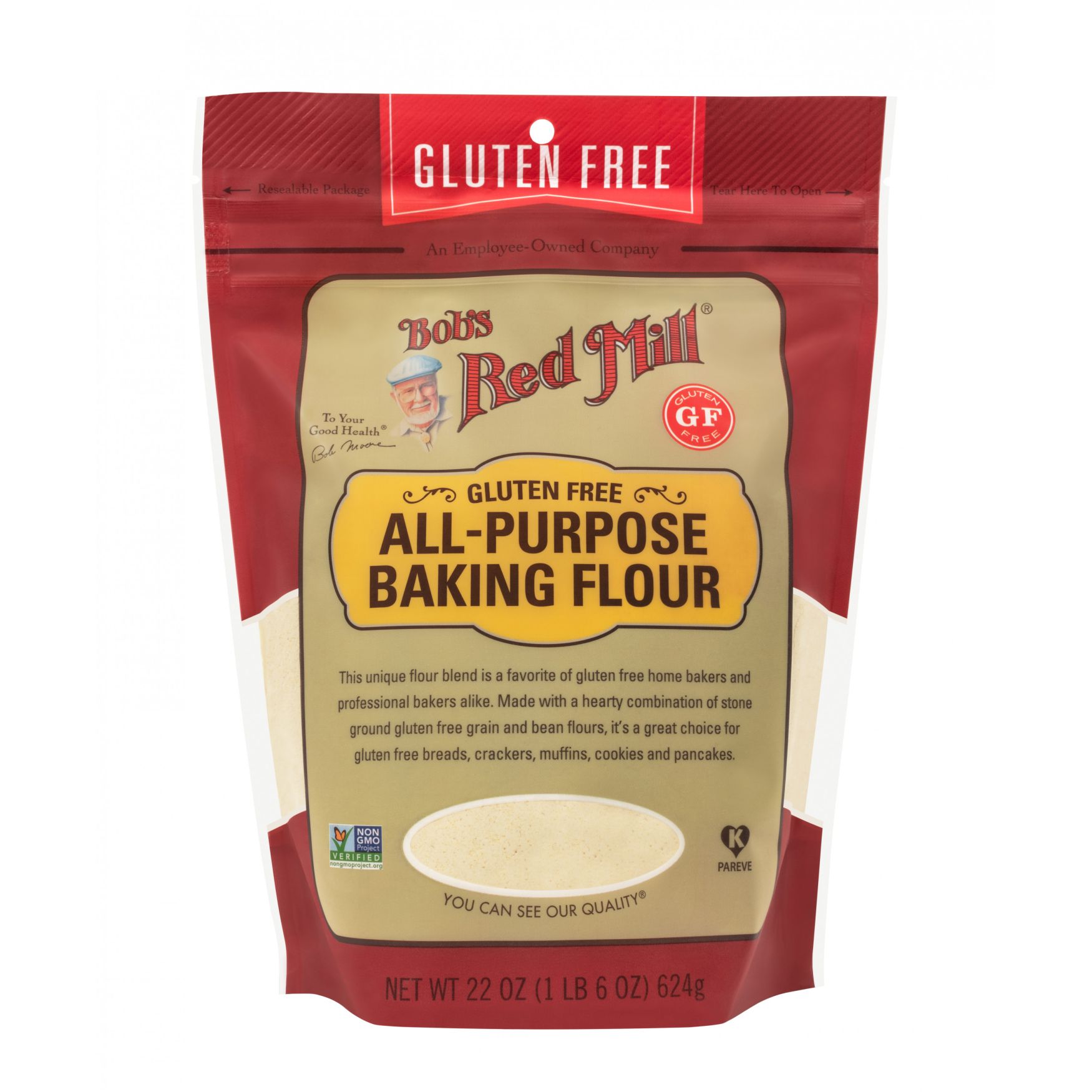
Gluten-free cake flour comes in various types, each with unique ingredients, textures, and baking characteristics. Understanding these variations helps bakers choose the best flour for their specific recipes and dietary needs.
The most common types of gluten-free cake flour include:
Almond Flour
- Made from finely ground almonds, it provides a nutty flavor and a dense, moist texture.
- Absorbs more liquid than other flours, requiring adjustments to recipes.
- Suitable for various baked goods, including cakes, cookies, and muffins.
Coconut Flour
- Derived from dried coconut meat, it has a sweet, coconutty flavor and a fine texture.
- Highly absorbent, requiring a significant amount of liquid in recipes.
- Imparts a chewy texture to baked goods and is often combined with other flours.
Brown Rice Flour
- Milled from brown rice, it has a mild, nutty flavor and a light, fluffy texture.
- A versatile flour that can be used in a wide range of baking applications.
- Often combined with other flours to enhance flavor and texture.
Quinoa Flour, Gluten free cake flour
- Made from ground quinoa, it has a slightly bitter flavor and a dense, crumbly texture.
- High in protein and fiber, making it a nutritious choice.
- Suitable for dense baked goods, such as breads and muffins.
Tapioca Flour
- Derived from the starch of the cassava root, it has a neutral flavor and a fine, powdery texture.
- Used as a thickener in various recipes, including sauces and baked goods.
- Can be combined with other flours to improve texture and moisture retention.
Baking Techniques with Gluten-Free Cake Flour

Gluten-free cake flour is a versatile ingredient that can be used to create a variety of delicious baked goods. However, it is important to understand how to use it properly to achieve optimal results.
Check what professionals state about birthday cakes for girls and its benefits for the industry.
When using gluten-free cake flour, it is important to adjust the measurements and techniques slightly. For example, gluten-free cake flour is more absorbent than regular cake flour, so you may need to add a little more liquid to your recipes. Additionally, gluten-free cake flour does not have the same structure as regular cake flour, so it is important to be careful not to overmix your batter.
Measuring Gluten-Free Cake Flour
When measuring gluten-free cake flour, it is important to use a spoon to scoop the flour into your measuring cup. Do not pack the flour into the measuring cup, as this will result in too much flour being used. Instead, lightly spoon the flour into the measuring cup and level it off with a knife.
Mixing Gluten-Free Cake Batter
When mixing gluten-free cake batter, it is important to be careful not to overmix it. Overmixing can result in a tough, dense cake. Instead, mix the batter just until the ingredients are combined. Do not worry if the batter is slightly lumpy.
Baking Gluten-Free Cake
When baking gluten-free cake, it is important to bake it at a slightly lower temperature than regular cake. This will help to prevent the cake from becoming dry and crumbly. Additionally, it is important to check the cake for doneness a few minutes before the end of the baking time. A toothpick inserted into the center of the cake should come out clean when the cake is done.
Texture and Flavor: Gluten Free Cake Flour
Cakes made with gluten-free cake flour possess a unique texture and flavor that differs from traditional wheat flour cakes.
The texture of gluten-free cakes is often described as moist and crumbly, with a lighter and more delicate crumb compared to wheat flour cakes. This is due to the absence of gluten, which is a protein that gives wheat flour cakes their chewy texture.
In terms of flavor, gluten-free cakes may have a slightly different taste compared to wheat flour cakes. This is because gluten-free flours often contain a blend of different flours, such as almond flour, rice flour, and tapioca flour, which contribute their own unique flavors to the cake.
However, it’s important to note that the texture and flavor of gluten-free cakes can vary depending on the specific blend of flours used and the recipe followed. With careful experimentation and adjustments, it’s possible to create gluten-free cakes that are just as delicious and satisfying as traditional wheat flour cakes.
Substitutes and Alternatives

In the absence of gluten-free cake flour, various alternatives can be employed to achieve similar results in baking. These substitutes may possess distinct properties, potentially impacting the final product’s texture, flavor, and overall quality.
Suitable Substitutes
- Almond Flour: A finely ground alternative made from blanched almonds, providing a nutty flavor and a dense, moist texture. It is lower in carbohydrates and higher in protein compared to wheat flour.
- Coconut Flour: Derived from dried coconut meat, it has a high fiber content and a slightly sweet taste. Coconut flour absorbs more liquid than other substitutes, requiring adjustments to the recipe’s liquid content.
- Quinoa Flour: Milled from quinoa grains, it offers a mild flavor and a good balance of protein, fiber, and carbohydrates. Quinoa flour can add a slightly grainy texture to baked goods.
- Tapioca Flour: Extracted from the cassava root, tapioca flour is a starch-based substitute that provides a chewy texture. It is often combined with other gluten-free flours to improve the overall structure.
- Brown Rice Flour: Made from finely ground brown rice, it has a slightly nutty flavor and a dense texture. Brown rice flour is higher in fiber and nutrients compared to white rice flour.
Storage and Shelf Life
Proper storage is crucial to preserve the quality and freshness of gluten-free cake flour. Here are some tips:
Packaging
- Store gluten-free cake flour in its original packaging or an airtight container to prevent moisture and contamination.
- Ensure the container is properly sealed to maintain freshness.
Location
- Keep the flour in a cool, dry place away from direct sunlight and heat sources.
- Avoid storing it in humid areas like the refrigerator or near the stove.
Shelf Life
The shelf life of gluten-free cake flour can vary depending on factors such as storage conditions and the type of flour used. Generally, it can last for:
- Up to 6 months at room temperature when stored properly.
- Up to 1 year in the freezer.
It’s important to check the manufacturer’s recommendations for specific storage instructions and shelf life information.
Health Considerations
Consuming gluten-free cake flour generally poses no significant health concerns for individuals without gluten intolerance or celiac disease.
However, it’s important to note that cross-contamination can occur during processing, packaging, or storage, potentially exposing gluten-free products to traces of gluten. This can be a concern for individuals with severe gluten intolerance or celiac disease.
Precautions
- Individuals with gluten intolerance or celiac disease should carefully read ingredient labels and choose products certified as gluten-free by a reputable organization.
- To minimize the risk of cross-contamination, it’s advisable to purchase gluten-free cake flour from dedicated gluten-free facilities or sections of grocery stores.
- Proper food handling practices, such as using separate utensils and work surfaces for gluten-free and gluten-containing foods, can also help prevent cross-contamination.
Future Trends and Innovations
The gluten-free cake flour market is constantly evolving, driven by advancements in food science and technology. Several exciting trends and innovations are shaping the future of this product:
Increasing Demand for Plant-Based Ingredients: Consumers are increasingly seeking gluten-free cake flour made with plant-based ingredients, such as almond flour, coconut flour, and quinoa flour. These flours offer nutritional benefits and can provide a unique flavor and texture to baked goods.
Emerging Technologies
- Enzyme Technology: Enzymes are being used to enhance the functionality of gluten-free cake flour. Enzymes can break down starches, improve gluten-free flour’s water absorption, and enhance the texture and crumb of baked goods.
- Nanotechnology: Nanotechnology is being explored to create gluten-free cake flour with improved nutritional value and enhanced functional properties. Nanoparticles can be used to encapsulate nutrients, improve flour’s dispersibility, and control the release of flavors and aromas.
- 3D Printing: 3D printing is emerging as a novel technology for creating custom-designed gluten-free cake flour blends. This technology allows for precise control over flour composition, texture, and nutritional content, enabling the development of personalized baking solutions.