Embark on a culinary adventure with our delectable Great Value Chocolate Chip Cookie Recipe. Join us as we delve into the secrets of creating the perfect cookie, with its crisp edges, chewy center, and irresistible chocolatey goodness.
Whether you’re a seasoned baker or a novice in the kitchen, this recipe will guide you through every step, ensuring that your cookies turn out perfect every time.
Key Ingredients and Their Roles

In the culinary realm of cookies, understanding the intricate interplay of key ingredients is essential to achieving the perfect balance of texture, flavor, and indulgence. Let’s embark on a journey to unravel the secrets behind each ingredient and its vital contribution to the delectable symphony of chocolate chip cookies.
Butter: The Foundation of Flavor and Texture
- Butter, the cornerstone of our cookie endeavor, plays a multifaceted role in shaping the final product.
- Its rich, creamy texture lends a velvety smoothness to the dough, resulting in a tender and melt-in-your-mouth experience.
- The fat content in butter also contributes to the cookie’s golden-brown hue and crisp edges, creating a tantalizing contrast to the chewy interior.
Sugar: Sweetness and Structure
- Sugar, the sweet symphony of cookies, serves two primary functions.
- It imparts a delightful sweetness that balances the richness of the chocolate chips.
- Additionally, sugar plays a crucial role in the cookie’s structure by contributing to the Maillard reaction, a chemical process responsible for the cookie’s golden-brown color and distinctive flavor.
Eggs: Binding and Leavening
- Eggs, the binding agents of our cookie dough, play a vital role in holding the ingredients together.
- The proteins in eggs coagulate during baking, creating a network that traps air, resulting in a light and airy texture.
- Additionally, eggs contribute to the cookie’s golden-brown color and provide a subtle richness to the flavor.
Flour: The Structural Backbone
- Flour, the structural backbone of cookies, provides the framework that binds all the ingredients together.
- The gluten proteins in flour form a network when combined with water, creating a chewy texture.
- The type of flour used can also impact the cookie’s texture and flavor; all-purpose flour is commonly used for its versatility, while bread flour can result in a chewier cookie due to its higher protein content.
Chocolate Chips: The Indulgent Delight
- Chocolate chips, the indulgent stars of our cookie adventure, add an irresistible burst of sweetness and chocolatey goodness.
- The type of chocolate chips used can significantly influence the flavor and texture of the cookies.
- Dark chocolate chips provide a rich and intense flavor, while milk chocolate chips offer a sweeter and creamier experience. Semi-sweet chocolate chips strike a balance between sweetness and bitterness, resulting in a versatile flavor profile.
Baking Soda and Salt: Enhancers of Flavor and Texture
- Baking soda and salt, often overlooked but essential ingredients, play crucial roles in enhancing the flavor and texture of our chocolate chip cookies.
- Baking soda, a leavening agent, reacts with the acidity in the dough, releasing carbon dioxide gas, which creates bubbles and results in a light and fluffy texture.
- Salt, a flavor enhancer, balances the sweetness of the cookie and brings out the rich flavors of the chocolate chips.
Step-by-Step Baking s
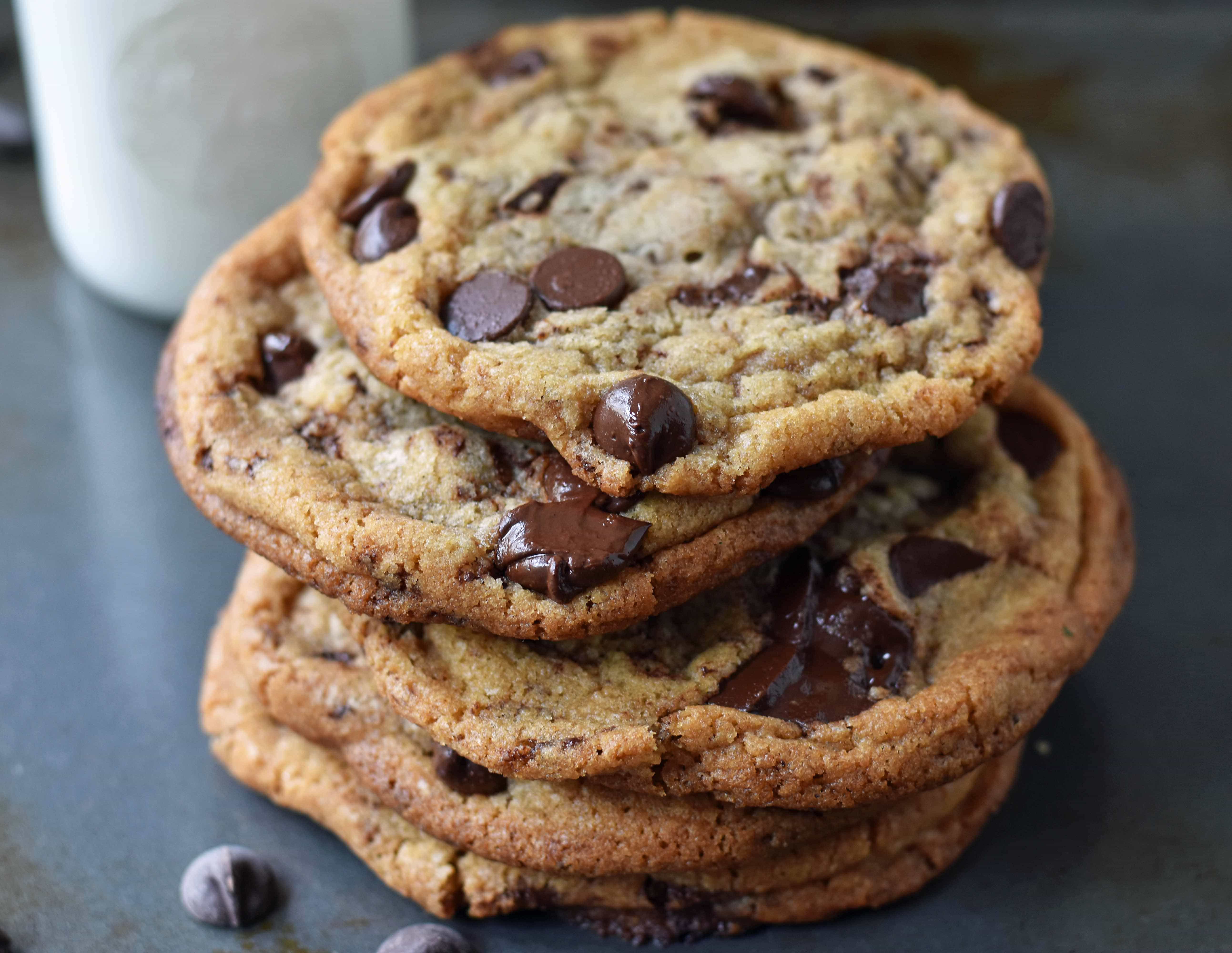
Let’s walk through the crucial steps involved in baking these delectable chocolate chip cookies, from creaming the butter and sugar to achieving the perfect texture through chilling and baking.
Creaming Butter and Sugar
The initial stage involves creaming together softened butter and granulated sugar. This process aerates the mixture, incorporating air pockets that contribute to the cookie’s lightness and tenderness. Creaming until the mixture becomes light and fluffy is essential for achieving the desired texture.
Adding Eggs
Once the butter and sugar are well-creamed, it’s time to introduce the eggs. Eggs act as binders, helping to hold the ingredients together. Adding them one at a time ensures proper incorporation and prevents the batter from curdling.
Incorporating Dry Ingredients
In a separate bowl, whisk together the dry ingredients, including all-purpose flour, baking soda, and salt. Gradually add the dry ingredients to the wet ingredients, mixing until just combined. Overmixing can result in tough cookies.
Chilling the Dough
Chilling the dough is a crucial step often overlooked. This allows the gluten in the flour to relax, preventing the cookies from spreading excessively during baking. The chilled dough also produces thicker, chewier cookies with defined edges.
Baking the Cookies
Preheat the oven to the optimal temperature specified in the recipe. Line a baking sheet with parchment paper and drop rounded spoonfuls of dough onto the prepared sheet, spacing them evenly apart.
Bake the cookies for the specified time, or until the edges are golden brown and the centers are set. Avoid overbaking, as this can result in dry, crumbly cookies.
Allow the cookies to cool slightly on the baking sheet before transferring them to a wire rack to cool completely. This helps prevent them from breaking.
Variations and Adaptations
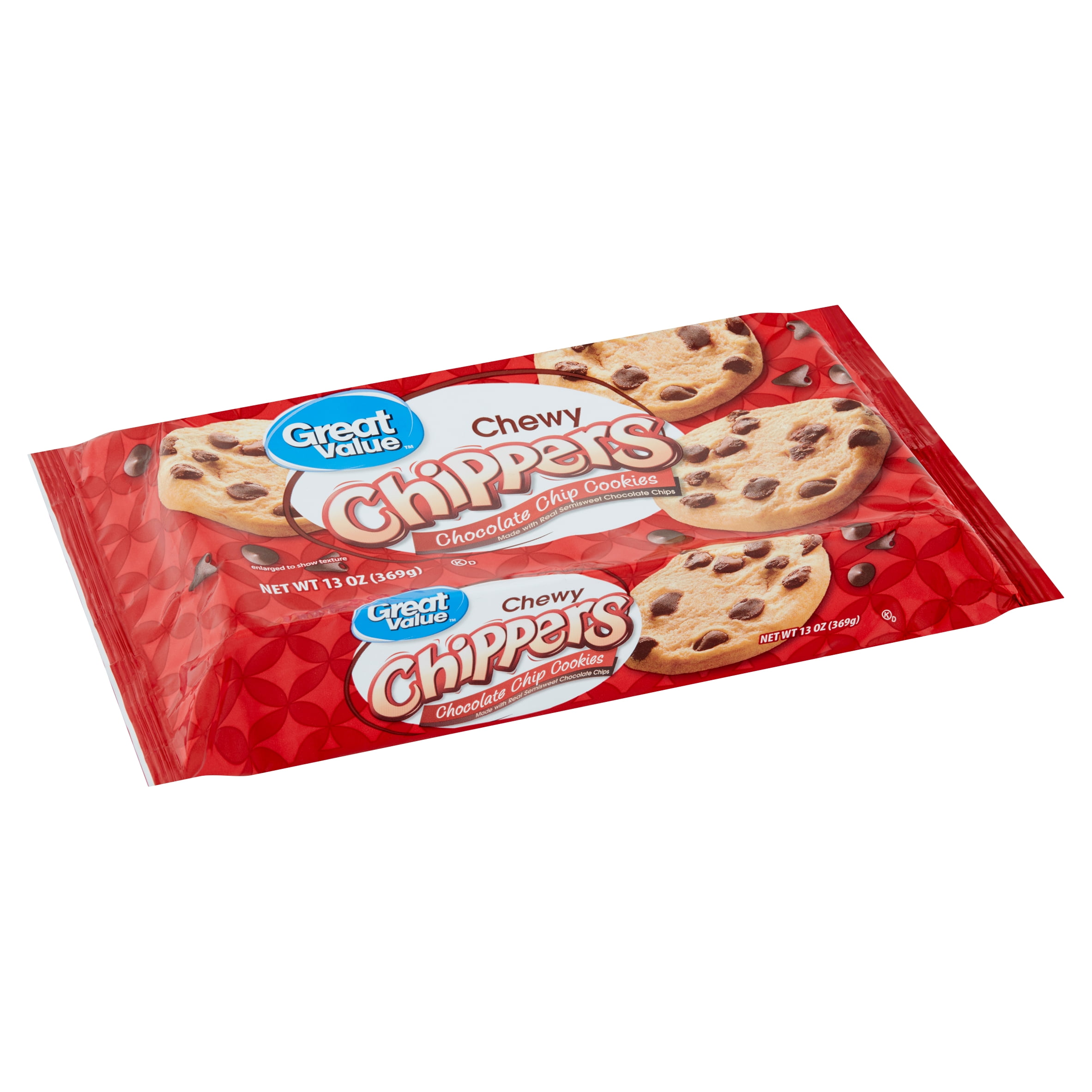
The Great Value Chocolate Chip Cookie Recipe is a versatile base that can be customized to suit various tastes and dietary needs. By experimenting with different ingredients and techniques, you can create unique and delicious variations of this classic treat.
Here are some ideas for customizing the recipe:
Add-Ins
- Nuts: Add chopped walnuts, pecans, almonds, or hazelnuts for a crunchy texture and nutty flavor.
- Dried Fruit: Incorporate raisins, cranberries, or cherries for a chewy texture and sweetness.
- Spices: Enhance the flavor with a dash of cinnamon, nutmeg, or ginger.
Dietary Adaptations
- Gluten-Free: Substitute all-purpose flour with a gluten-free flour blend.
- Vegan: Replace butter with vegan butter or coconut oil, and use plant-based milk instead of regular milk.
Creative Presentations
- Cookie Sandwiches: Spread frosting, Nutella, or peanut butter between two cookies for a sweet and indulgent treat.
- Cookie Pops: Insert lollipop sticks into the cookies while still warm, then dip them in melted chocolate or frosting.
- Cookie Dough Bites: Roll cookie dough into balls and bake them for a quick and easy snack.
Troubleshooting and Tips

Baking chocolate chip cookies can be a straightforward process, but certain issues may arise during the preparation or baking stages. This section addresses common problems and provides practical solutions to help you achieve the best results.
To ensure successful baking, it is crucial to follow the recipe accurately, use high-quality ingredients, and store the cookies properly. This section also includes expert advice and insights from experienced bakers and pastry chefs.
Measuring Ingredients Accurately
- Use measuring cups and spoons specifically designed for cooking.
- Level off dry ingredients with a knife or straight edge to avoid overpacking.
- Measure liquids at eye level to ensure accuracy.
Summary
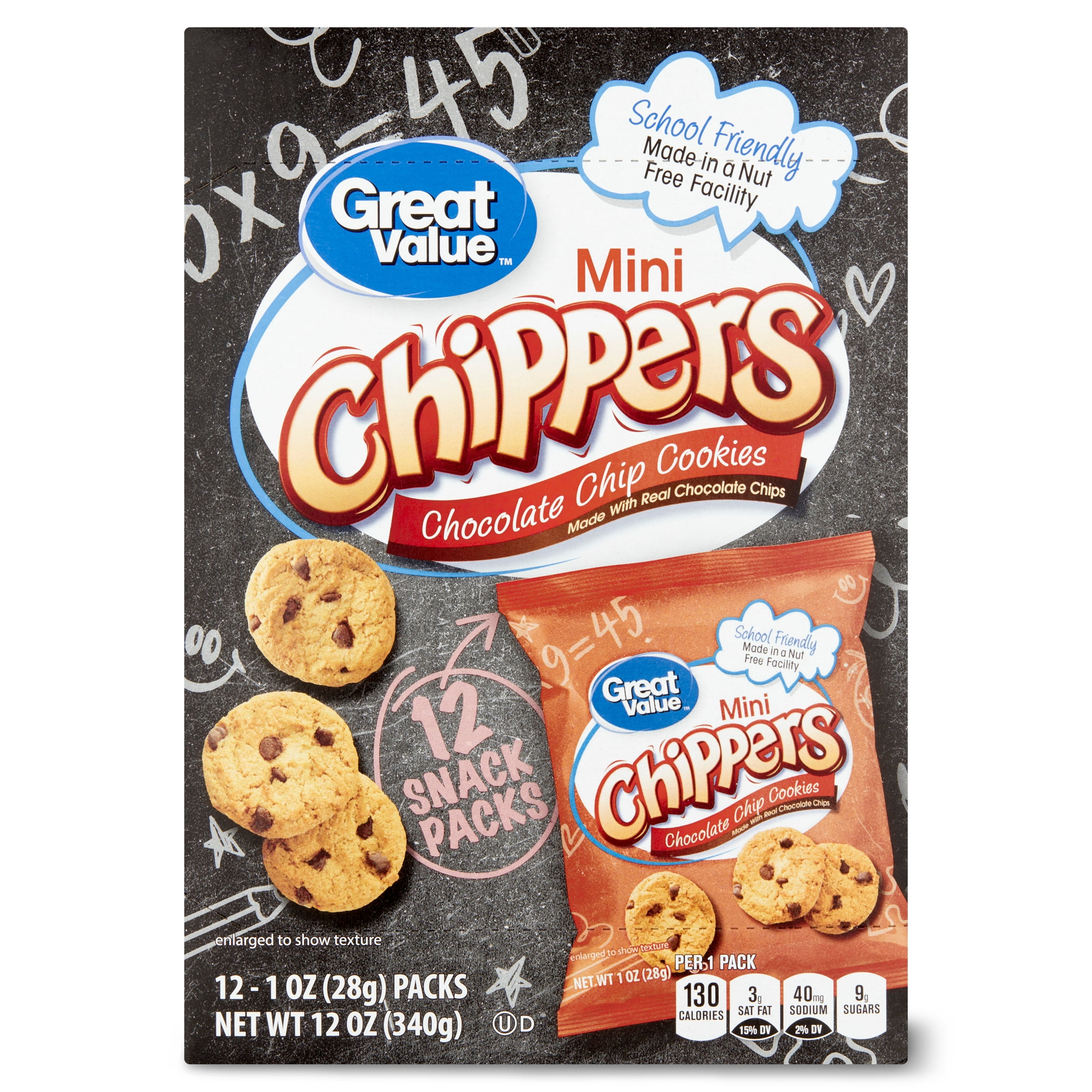
With its versatility and ease of customization, our Great Value Chocolate Chip Cookie Recipe empowers you to create a treat that reflects your unique taste. Whether you prefer them classic or adventurous, these cookies will undoubtedly become a favorite in your recipe repertoire.
So gather your ingredients, preheat your oven, and let’s embark on a sweet and satisfying baking journey!
FAQ Section
What is the secret to achieving perfectly crisp edges on my cookies?
Chilling the dough before baking is crucial. This allows the butter to solidify, resulting in a crispier exterior.
How can I make my cookies chewier?
Use brown sugar instead of granulated sugar. Brown sugar contains molasses, which contributes to a softer, chewier texture.
Can I substitute other types of chocolate chips?
Yes, you can use dark, semi-sweet, or even white chocolate chips. Each type will impart a slightly different flavor profile.