Dive into the world of High Protein Ramen Recipe, where taste meets nutrition! This tantalizing dish not only satisfies your cravings but also fuels your body with essential protein.
From the slurp-worthy noodles to the protein-packed toppings, we’ll explore the ingredients, cooking methods, and customization options that make this ramen recipe a game-changer.
Introduction
Ramen, a beloved dish originating from Japan, has gained immense popularity worldwide. Its tantalizing broth, springy noodles, and savory toppings have captured the hearts of food enthusiasts. Beyond its deliciousness, ramen also offers a unique opportunity to incorporate essential nutrients into your diet, particularly protein.
Protein is a crucial macronutrient that plays a vital role in various bodily functions. It aids in building and repairing tissues, synthesizing hormones and enzymes, and transporting oxygen throughout the body. Consuming an adequate amount of protein is essential for maintaining overall health and well-being.
Ingredients for High-Protein Ramen
Creating a satisfying and protein-packed ramen dish requires a careful selection of ingredients. Let’s dive into the essential components that will elevate your ramen experience:
Noodles
- Wheat noodles: These classic noodles provide a substantial base for your ramen. Look for noodles made from whole wheat or enriched wheat flour for added fiber and protein.
- Shirataki noodles: Made from konjac, these translucent noodles are low in calories and carbs, making them a great option for those seeking a lighter meal. Despite their delicate appearance, they absorb flavors well.
- Soba noodles: Crafted from buckwheat flour, soba noodles offer a nutty flavor and a good source of protein and fiber. They’re a great choice for those with wheat sensitivities.
Broth
The broth is the soul of your ramen, providing depth and umami. Consider these options:
- Bone broth: Simmered for hours, bone broth is rich in collagen, protein, and essential minerals. It imparts a savory and nourishing flavor to your ramen.
- Miso broth: Made from fermented soybeans, miso paste adds a salty and slightly sweet flavor to your broth. It’s a good source of protein and probiotics.
- Shoyu broth: Based on soy sauce, shoyu broth has a rich, salty flavor that complements the other ingredients in your ramen.
Toppings
Toppings are the finishing touch that adds flavor, texture, and extra protein to your ramen. Here are some popular choices:
- Eggs: Soft-boiled, poached, or marinated, eggs add richness and protein to your ramen. They’re also a great source of choline, an essential nutrient for brain health.
- Tofu: Firm or extra-firm tofu provides a plant-based protein source and a chewy texture. Marinating it in soy sauce or miso paste enhances its flavor.
- Meat: Sliced chicken, beef, or pork add a savory and satisfying protein element to your ramen. Choose lean cuts to minimize fat content.
Broth Options

For a high-protein ramen recipe, you can choose from a variety of broths to suit your taste and dietary preferences.
Calling all ramen lovers! Get ready to elevate your slurping experience with this high-protein recipe. Its savory broth and tender noodles will satisfy your cravings while keeping you feeling full and energized. And if you’re in the mood for something a little different, check out Coronation Chicken Recipe Mary Berry for a taste of British royalty.
But don’t forget to come back to this high-protein ramen recipe for a comforting and protein-packed meal.
Here are some popular broth options:
Chicken Broth
Chicken broth is a classic and versatile broth option that provides a rich and flavorful base for your ramen. You can use homemade chicken broth or store-bought chicken stock.
Beef Broth
Beef broth is another excellent choice for a high-protein ramen. It adds a hearty and savory flavor to the dish. You can use homemade beef broth or store-bought beef stock.
Vegetable Broth
Vegetable broth is a lighter and healthier broth option that is still packed with flavor. It is a great choice for vegetarians and vegans. You can use homemade vegetable broth or store-bought vegetable stock.
Noodle Choices
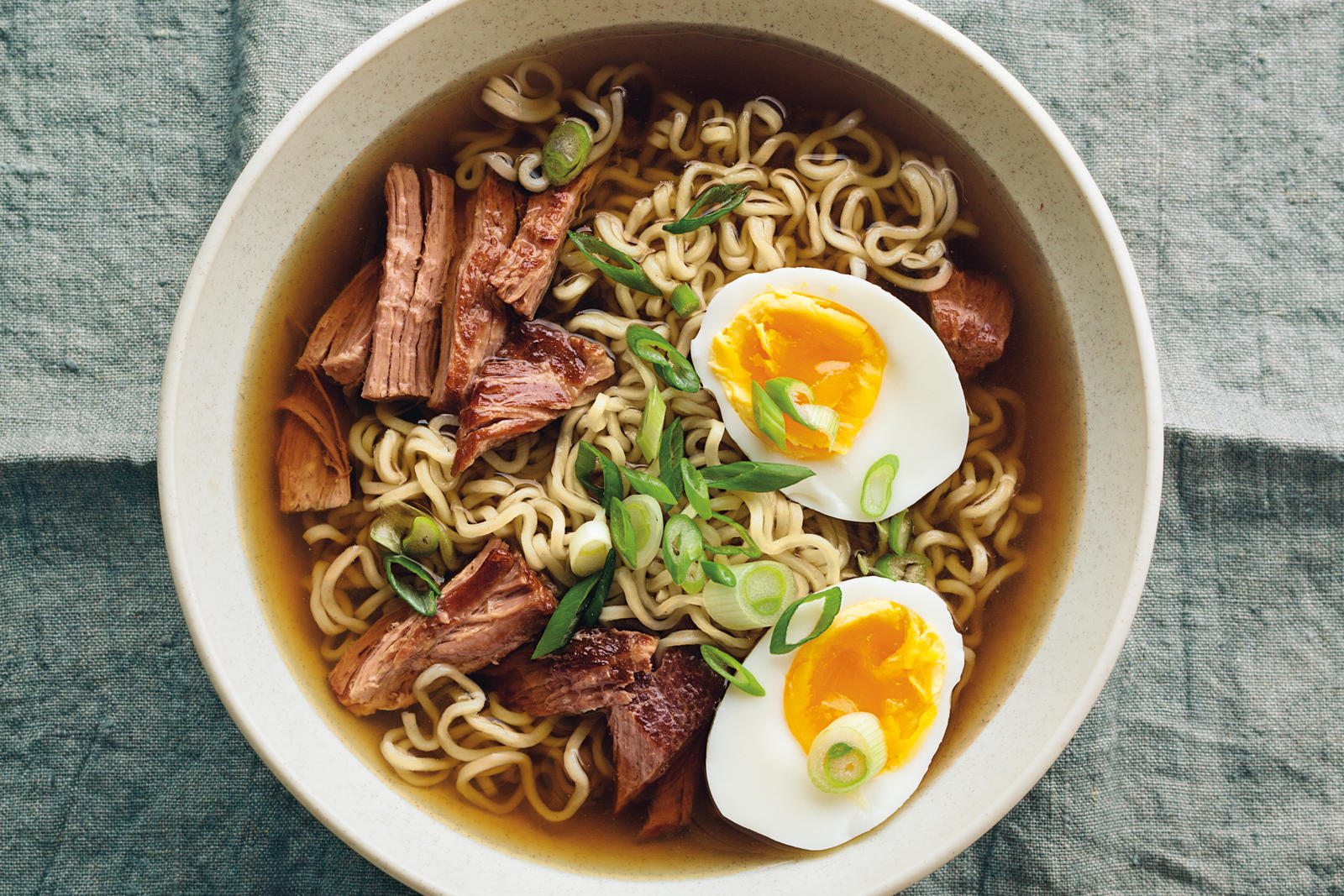
When selecting noodles for your high-protein ramen, you have a variety of options to choose from. Each type of noodle offers a unique texture and flavor profile, so consider your personal preferences and the overall balance of flavors in your dish.
Wheat Noodles
Wheat noodles are the traditional choice for ramen, and they come in various shapes and sizes. They provide a chewy texture and a slightly nutty flavor. Whole-wheat noodles are a good source of fiber and other nutrients.
Rice Noodles
Rice noodles are a gluten-free option that is becoming increasingly popular. They have a delicate texture and a mild flavor, making them a versatile choice for a variety of dishes. Brown rice noodles are a good source of fiber and have a slightly nutty flavor.
Shirataki Noodles
Shirataki noodles are a low-carb, low-calorie option that is made from konjac flour. They have a slightly rubbery texture and a neutral flavor, making them a good choice for those who are looking for a low-carb or low-calorie option.
Protein-Rich Toppings
High-protein ramen can be further enhanced with a variety of protein-rich toppings. These additions not only elevate the flavor profile but also provide a significant boost in protein content.
The following are some popular and versatile protein-rich toppings that can be incorporated into your high-protein ramen:
Eggs
- Eggs are a fantastic source of complete protein, containing all the essential amino acids.
- They can be added to ramen in various forms, such as soft-boiled, poached, or scrambled.
- Soft-boiled eggs, with their runny yolks, add a velvety richness to the broth.
Tofu
- Tofu is a plant-based protein that is low in calories and high in fiber.
- It can be pan-fried, baked, or steamed to achieve different textures.
- Firm tofu is ideal for ramen as it holds its shape well in the broth.
Meat
- Meat is a classic protein-rich topping for ramen.
- Common choices include chicken, beef, and pork.
- The meat can be sliced thinly and cooked in the broth or grilled separately and added on top.
Vegetables for Nutrient Boost
Adding vegetables to your high-protein ramen is a great way to boost its nutritional value. Vegetables are packed with vitamins, minerals, and antioxidants, which are all essential for good health. They can also help to add flavor and texture to your ramen.
Some of the best vegetables to add to ramen include:
- Spinach: Spinach is a leafy green vegetable that is packed with nutrients, including vitamin K, vitamin A, and folate. It is also a good source of fiber.
- Mushrooms: Mushrooms are a low-calorie vegetable that is packed with nutrients, including selenium, potassium, and B vitamins. They are also a good source of antioxidants.
- Carrots: Carrots are a root vegetable that is packed with nutrients, including vitamin A, vitamin C, and potassium. They are also a good source of fiber.
- Onions: Onions are a bulb vegetable that is packed with nutrients, including vitamin C, vitamin B6, and potassium. They are also a good source of antioxidants.
- Bell peppers: Bell peppers are a fruit that is packed with nutrients, including vitamin C, vitamin A, and potassium. They are also a good source of fiber.
Adding vegetables to your ramen is a great way to make it a more nutritious and satisfying meal.
Seasonings and Flavorings: High Protein Ramen Recipe
To enhance the flavor of your high-protein ramen, a variety of seasonings and flavorings can be used. These ingredients add depth and complexity to the broth, creating a satisfying and flavorful dish.
Craving a high-protein meal that’s quick and easy? Look no further than our High Protein Ramen Recipe! With just a few simple ingredients, you can whip up a delicious and satisfying bowl of ramen that will keep you feeling full and energized all day long.
And if you’re looking for something a little more indulgent, check out our Velveeta Recipes With Ground Beef . These cheesy, beefy dishes are perfect for a comforting and satisfying meal. But don’t forget to come back and try our High Protein Ramen Recipe for a lighter, healthier option that’s just as delicious!
Soy Sauce
Soy sauce is a staple ingredient in ramen, providing a salty and umami flavor. It is made from fermented soybeans and wheat, and its rich flavor complements the other ingredients in the dish.
Miso Paste, High Protein Ramen Recipe
Miso paste is another traditional Japanese ingredient that adds a savory and slightly sweet flavor to ramen. It is made from fermented soybeans and rice, and its earthy flavor adds depth to the broth.
Garlic
Garlic is a versatile ingredient that adds a pungent and aromatic flavor to ramen. It can be added to the broth whole or minced, and its flavor complements the other seasonings well.
Ginger
Ginger is a warming and slightly spicy ingredient that adds a unique flavor to ramen. It can be added to the broth grated or sliced, and its flavor pairs well with soy sauce and miso paste.
Step-by-Step Cooking s
Cooking a high-protein ramen recipe is a simple and straightforward process. Here are the steps you need to follow:
Cooking the Noodles
- Bring a large pot of water to a boil.
- Add the ramen noodles and cook according to the package directions.
- Drain the noodles and rinse them with cold water.
Preparing the Broth
While the noodles are cooking, you can prepare the broth.
- In a large saucepan, combine the chicken broth, soy sauce, mirin, and sesame oil.
- Bring the mixture to a boil, then reduce the heat and simmer for 5 minutes.
- Taste the broth and adjust the seasonings to your liking.
Assembling the Ramen
Once the noodles and broth are ready, you can assemble the ramen.
- Place the noodles in a large bowl.
- Ladle the broth over the noodles.
- Top with your favorite toppings.
Variations and Customization
High-protein ramen is a versatile dish that can be customized to suit different preferences. Here are a few ideas for variations:
Protein Sources
– Use different types of protein sources, such as tofu, tempeh, edamame, or beans.
– Add grilled or roasted chicken, beef, or pork.
– Incorporate seafood options like shrimp, salmon, or tuna.
Noodle Options
– Experiment with different noodle options, such as shirataki noodles, zucchini noodles, or sweet potato noodles.
– Use whole-wheat or brown rice noodles for added fiber and nutrients.
– Try gluten-free noodles made from quinoa or buckwheat.
Broth Flavors
– Create a spicy broth by adding chili peppers or Sriracha.
– Add a touch of sweetness with honey or maple syrup.
– Experiment with different miso pastes for a variety of flavors.
– Use a combination of different broths, such as chicken, beef, or vegetable broth, for a richer flavor.
Final Wrap-Up
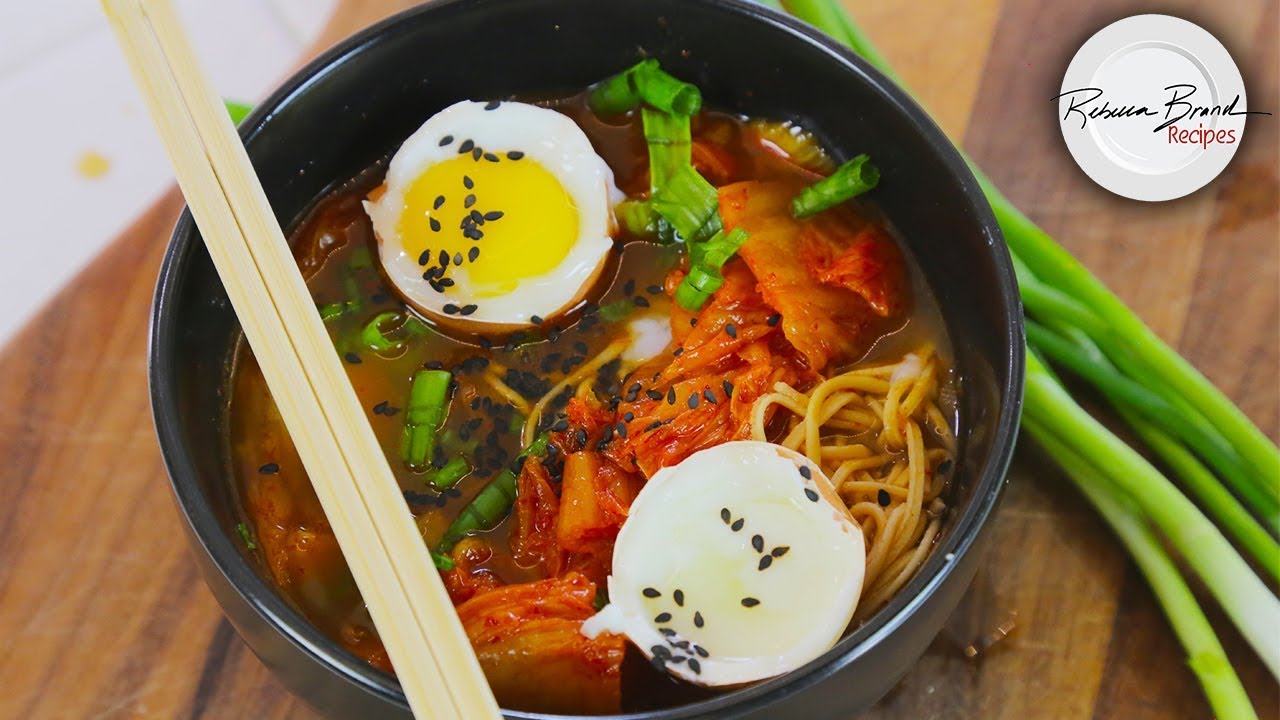
Whether you’re a seasoned ramen enthusiast or a curious culinary adventurer, this High Protein Ramen Recipe is sure to impress your taste buds and nourish your body. So, grab your chopsticks and let’s embark on a delicious journey!