Embark on a delightful journey with our honey wine recipe 1 gallon, where the ancient art of winemaking meets the exquisite sweetness of honey. Prepare to savor a unique and flavorful beverage that will tantalize your taste buds and transport you to a world of rich aromas and smooth textures.
From gathering the finest ingredients to nurturing the fermentation process, we guide you through every step with precision and passion. Let's dive into the enchanting world of honey wine creation!
Introduction
Honey wine, also known as mead, is an ancient beverage with a rich history and cultural significance. It is believed to be one of the oldest alcoholic drinks, dating back to the Neolithic period. Honey wine is made by fermenting honey with water and yeast, and has been enjoyed by civilizations around the world for centuries.The
process of making honey wine is relatively simple. Honey is mixed with water and yeast, and the mixture is allowed to ferment for several weeks. The resulting liquid is then aged for a period of time, which can range from a few months to several years.
During aging, the honey wine develops a complex flavor profile, with notes of honey, fruit, and spice.
Ingredients for 1 Gallon Honey Wine
To craft a delectable gallon of honey wine, you will require a harmonious blend of ingredients, each contributing to the symphony of flavors.
Essential to the alchemy are:
Honey
- 3 pounds (approximately 3 cups) of high-quality honey, preferably raw and unfiltered, will provide the fermentable sugars that transform into alcohol.
Yeast
- One packet (5 grams) of wine yeast, specifically designed for honey wine, will initiate the fermentation process.
Water
- 3 quarts (12 cups) of clean, filtered water will constitute the base of the wine, providing volume and aiding in the extraction of honey's flavors.
Optional Flavorings
- To enhance the flavor profile, consider adding fruits, spices, or herbs. Popular choices include berries, citrus fruits, cinnamon, and cloves.
Equipment Needed
Successful honey wine making requires the right tools and equipment. Here's a list of essential items you'll need to get started:
Fermentation Vessel
The fermentation vessel is where the magic happens. Choose a food-grade container made of glass, plastic, or stainless steel, with a capacity of at least 1 gallon (3.8 liters).
Airlock
An airlock is a one-way valve that allows carbon dioxide to escape during fermentation while preventing oxygen from entering. This is crucial for preventing spoilage and maintaining the anaerobic environment needed for yeast to thrive.
Hydrometer
A hydrometer measures the specific gravity of your honey wine, allowing you to track its progress and determine when it's ready to bottle.
Siphon
A siphon is used to transfer honey wine from one container to another, without disturbing the sediment that settles at the bottom.
Step-by-Step s

Crafting a gallon of honey wine is a delightful endeavor that requires meticulous preparation, careful monitoring, and a touch of patience. Embarking on this journey, you will discover the intricacies of preparing the honey must, pitching the yeast, overseeing the fermentation process, and ensuring optimal conditions for your honey wine to flourish.
Let us delve into the step-by-step s that will guide you towards creating a delectable honey wine:
Preparing the Honey Must
The foundation of your honey wine lies in the honey must, a mixture of honey, water, and nutrients that will provide sustenance for the yeast during fermentation. Begin by dissolving your desired amount of honey in warm water, stirring gently until the honey is fully incorporated.
Subsequently, add yeast nutrient and acid blend to the must, ensuring a balanced environment for yeast growth and fermentation.
Pitching the Yeast
With the honey must prepared, it is time to introduce the catalyst of fermentation - the yeast. Carefully rehydrate the yeast according to the manufacturer's s, ensuring the yeast is active and ready to consume the sugars in the must.
Honey wine, a sweet and mellow libation, can be easily crafted with a gallon of honey. Its fermentation process requires patience, but the result is a delightful elixir. If you're looking for a hearty meal to pair with your honey wine, consider exploring ground pork and cabbage recipes . These savory dishes, rich in flavor and texture, will complement the sweetness of your honey wine perfectly.
As you indulge in your culinary creations, don't forget to savor the exquisite taste of your homemade honey wine, a testament to the art of fermentation.
Gently add the rehydrated yeast to the must, stirring to distribute it evenly.
Fermentation Process
The fermentation process is where the magic happens. Transfer the must into a sanitized fermentation vessel, leaving some headspace for carbon dioxide release. Install an airlock on the vessel to allow gas exchange while preventing contamination. Fermentation typically takes 1-2 weeks, during which the yeast will convert the sugars into alcohol and carbon dioxide.
Monitoring and Maintaining the Fermentation
Regular monitoring is crucial to ensure the fermentation progresses smoothly. Use a hydrometer to measure the specific gravity of the must, which will indicate the progress of fermentation. Maintain an optimal temperature range for the yeast to thrive, typically between 60-70°F (16-21°C).
Additionally, taste the wine periodically to assess its sweetness and make any necessary adjustments.
Troubleshooting Common Issues

Making honey wine can be a rewarding experience, but it's not without its challenges. Here are some common problems that can occur during honey wine making and how to troubleshoot them:
Stuck Fermentation
Stuck fermentation is when the fermentation process stalls and the yeast stops converting sugar into alcohol. This can be caused by a number of factors, including:
- Low temperature:Yeast is most active at temperatures between 68-78°F (20-26°C). If the temperature is too low, the yeast will go dormant and fermentation will stop.
- Lack of nutrients:Yeast needs nutrients to grow and ferment. If the must is lacking in nutrients, the yeast will not be able to multiply and fermentation will slow down or stop.
- Too much alcohol:As the yeast ferments the sugar, it produces alcohol. If the alcohol level gets too high, the yeast will become stressed and fermentation will stop.
To troubleshoot stuck fermentation, you can try the following:
- Raise the temperature:If the temperature is too low, try raising it to between 68-78°F (20-26°C).
- Add nutrients:You can add nutrients to the must to help the yeast grow and ferment. There are a number of commercial nutrient preparations available, or you can make your own by boiling a handful of raisins in a cup of water.
- Dilute the must:If the alcohol level is too high, you can dilute the must with water to lower the alcohol content.
Off-Flavors
Off-flavors in honey wine can be caused by a number of factors, including:
- Using honey that is too dark:Darker honey has a stronger flavor that can overpower the delicate flavors of the wine.
- Over-fermentation:If the wine is fermented for too long, it can develop off-flavors such as bitterness and acidity.
- Exposure to oxygen:Oxygen can cause the wine to oxidize and develop off-flavors such as sherry or vinegar.
To troubleshoot off-flavors, you can try the following:
- Use a lighter honey:If you are using a dark honey, try switching to a lighter honey with a more delicate flavor.
- Stop fermentation early:If you are concerned about over-fermentation, you can stop fermentation early by cold-crashing the wine or adding potassium sorbate.
- Protect the wine from oxygen:You can protect the wine from oxygen by storing it in a cool, dark place and by using an airlock to keep oxygen out of the container.
Contamination
Contamination is one of the most serious problems that can occur during honey wine making. Contamination can be caused by a number of factors, including:
- Using unclean equipment:If the equipment used to make the wine is not clean, it can introduce bacteria or other contaminants into the wine.
- Exposure to air:If the wine is exposed to air, it can introduce bacteria or other contaminants into the wine.
- Using infected fruit:If the fruit used to make the wine is infected with bacteria or other contaminants, it can introduce these contaminants into the wine.
To troubleshoot contamination, you can try the following:
- Use clean equipment:Always use clean equipment when making honey wine. This includes washing and sanitizing all equipment before use.
- Protect the wine from air:Keep the wine covered and use an airlock to keep oxygen out of the container.
- Use healthy fruit:Only use healthy fruit to make honey wine. If the fruit is infected with bacteria or other contaminants, it can introduce these contaminants into the wine.
Aging and Bottling
Aging honey wine is a crucial step that enhances its flavor, complexity, and smoothness. The aging process allows the wine to mellow, develop a rich bouquet, and lose its initial harshness. Proper aging conditions and duration are essential for achieving the best results.
Ideal Aging Conditions
- Temperature:Ideal aging temperatures range between 55-65°F (13-18°C). Fluctuating temperatures can harm the wine's stability and flavor.
- Humidity:A humidity level of around 60-70% is optimal for aging honey wine. This prevents the corks from drying out and ensures proper sealing.
- Darkness:Exposure to light can degrade the wine's flavor and aroma. Store the wine in a dark, opaque container.
Aging Duration
The aging duration for honey wine varies depending on the desired style and sweetness level. Generally, sweeter wines require longer aging times.
- Sweet Wines:6-12 months or longer
- Semi-Sweet Wines:3-6 months
- Dry Wines:1-3 months
Bottling Process, Honey wine recipe 1 gallon
Once the honey wine has aged, it's ready for bottling. This process involves carefully transferring the wine into sanitized bottles and sealing them with corks or other suitable closures.
- Sanitizing:Sterilize the bottles and corks to prevent contamination.
- Filling:Use a siphon or funnel to carefully fill the bottles, leaving about 1-2 inches of headspace at the top.
- Corking:Insert the corks firmly into the bottles using a corker.
- Storing:Store the bottled honey wine in a cool, dark place for further aging and consumption.
Flavor Profiles and Variations
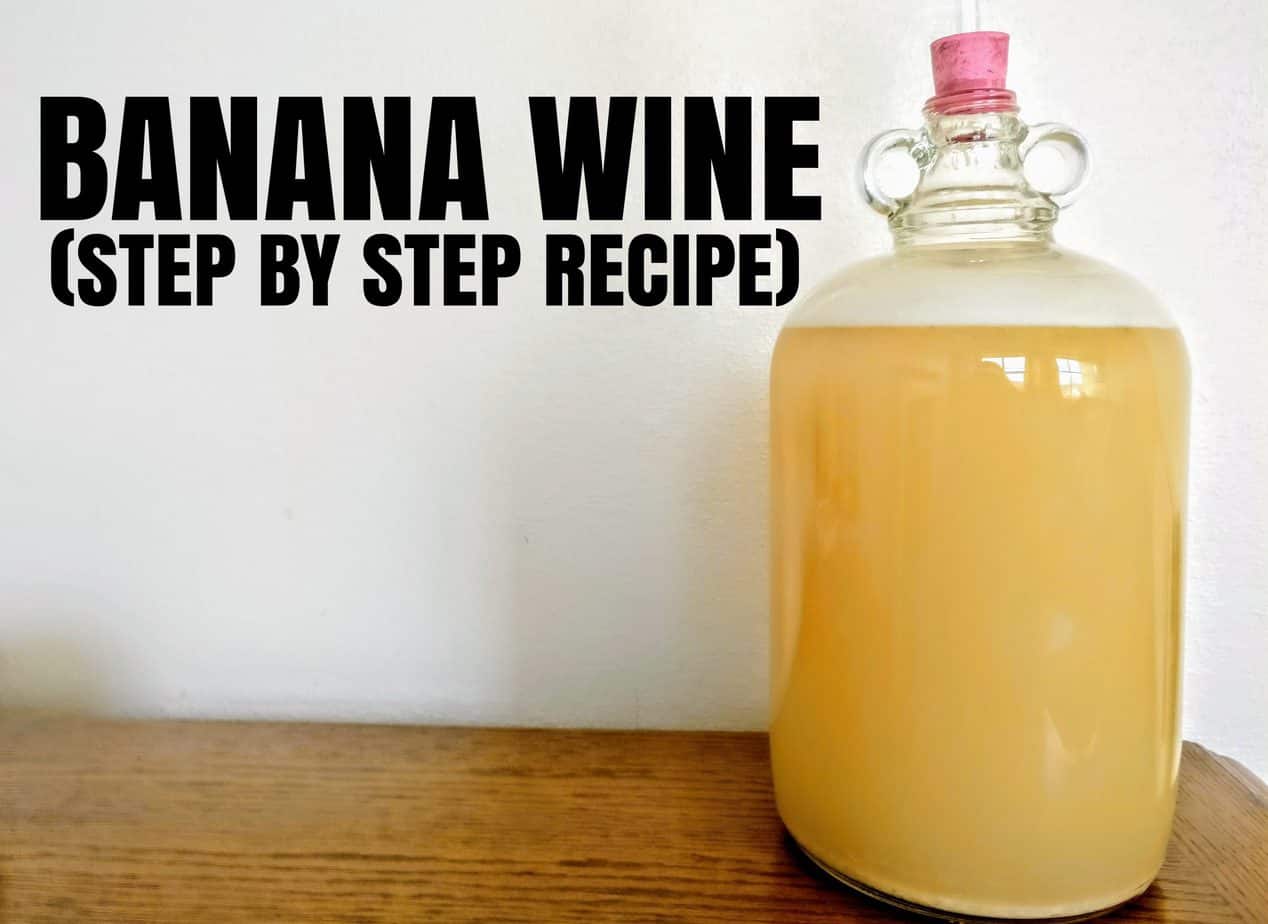
Honey wine, also known as mead, offers a diverse range of flavor profiles, influenced by a combination of factors, including the honey source, yeast strain, and aging time. Each element contributes unique characteristics, allowing for a wide spectrum of flavors.
The honey source, whether clover, wildflower, or buckwheat, imparts distinct floral, herbal, or earthy notes. Yeast strains, such as Lalvin D47 or EC-1118, can contribute fruity, spicy, or floral aromas and flavors. Aging time further influences the honey wine's complexity, with extended aging resulting in smoother, richer flavors.
Popular Honey Wine Variations
Among the many honey wine variations, some stand out with their distinctive characteristics:
- Traditional Mead:Made with simple honey and water, this classic variation showcases the pure flavors of the honey and yeast.
- Metheglin:Infused with herbs, spices, or fruits, this type offers a complex blend of flavors, ranging from spicy to floral.
- Cyser:A combination of honey and apple juice, cyser has a crisp, refreshing flavor with a hint of apple sweetness.
- Pyment:Made with honey and grape juice, pyment exhibits a deep, fruity character with notes of red or white wine.
- Sack Mead:Fortified with brandy or spirits, sack mead offers a higher alcohol content and a rich, boozy flavor.
Pairing and Serving Suggestions: Honey Wine Recipe 1 Gallon
Honey wine's versatile flavors lend themselves to a range of food pairings. Its sweetness complements spicy dishes, while its acidity balances rich and fatty meals. Consider pairing honey wine with:
- Spicy curries
- Grilled meats
- Soft cheeses
- Fruit-based desserts
Serve honey wine chilled, around 45-55°F (7-13°C). The ideal glassware depends on the wine's sweetness: drier honey wines pair well with white wine glasses, while sweeter wines may be enjoyed in dessert glasses.
Health Benefits and Considerations
Honey wine, consumed in moderation, may offer potential health benefits attributed to its unique composition.
Antioxidant Properties:Honey wine contains antioxidants, such as flavonoids and phenolic compounds, which help protect cells from oxidative damage caused by free radicals.
Antimicrobial Effects
Honey wine has been traditionally used for its antimicrobial properties. Its high sugar content and acidity create an environment unfavorable for bacterial growth.
Considerations:
- Excessive consumption of honey wine can lead to intoxication and associated health risks.
- Individuals with certain medical conditions or allergies to honey or other ingredients should consult a healthcare professional before consuming honey wine.
- Pregnant or breastfeeding women should avoid alcohol consumption, including honey wine.
Final Conclusion
As you uncork your homemade honey wine, let the rich amber liquid dance in your glass, carrying with it a symphony of flavors that will leave an unforgettable impression. Whether enjoyed as a solitary indulgence or shared among friends, this golden nectar is a testament to your culinary artistry and a celebration of the timeless art of fermentation.
May your honey wine bring joy, warmth, and a touch of sweetness to every moment it graces your table. Cheers to your newfound mastery of this ancient craft!


