Embark on a culinary adventure with our exploration of the iconic Jewish corned beef recipe, a dish steeped in history, tradition, and mouthwatering flavors. From its humble origins to its starring role in Jewish cuisine, this guide will tantalize your taste buds and enrich your understanding of this beloved dish.
Our journey begins with the origins of Jewish corned beef, tracing its path from Eastern Europe to the bustling streets of New York City. We'll delve into the traditional methods and ingredients that give this dish its distinctive character, creating a tantalizing tapestry of flavors.
Historical Origins of Jewish Corned Beef
Jewish corned beef is a traditional dish with a rich history. Its origins can be traced back to the Jewish communities of Eastern Europe in the 17th century. At that time, beef was a relatively inexpensive cut of meat, and Jewish families would often brine and cure it to preserve it.
This method of preservation also imparted a unique flavor to the meat, which became a staple of Jewish cuisine.
Traditional Methods and Ingredients
Traditional Jewish corned beef is made from a brisket, which is a cut of beef from the breast or lower chest. The brisket is first brined in a mixture of water, salt, sugar, and spices, such as coriander, garlic, and peppercorns.
The brining process helps to tenderize the meat and infuse it with flavor. After brining, the brisket is typically boiled or roasted until it is cooked through.
Jewish corned beef is often served with rye bread, mustard, and pickles. It is a popular dish for holidays and special occasions, such as Passover and Rosh Hashanah.
Ingredients and Preparation

Creating succulent Jewish corned beef requires a symphony of flavors and meticulous preparation. Here's a breakdown of the essential ingredients and step-by-step instructions to guide you.
The foundation lies in a premium beef cut, such as the brisket or flank. This cut possesses an ideal balance of lean meat and flavorful fat.
Essential Ingredients, Jewish corned beef recipe
- Beef brisket or flank (4-6 pounds)
- Water (1 gallon)
- Kosher salt (1 cup)
- Pickling spices (1 tablespoon)
- Garlic cloves (6-8)
- Black peppercorns (1 tablespoon)
- Bay leaves (3)
Brining Process
- Dissolve the salt in cold water in a large container.
- Add the pickling spices, garlic, peppercorns, and bay leaves to the brine.
- Submerge the beef in the brine, ensuring it's completely covered.
- Refrigerate for 5-7 days, turning the beef occasionally.
Cooking Instructions
- Remove the beef from the brine and rinse thoroughly with cold water.
- Place the beef in a large pot or Dutch oven.
- Add enough water to cover the beef.
- Bring to a boil, then reduce heat and simmer for 3-4 hours, or until the beef is tender.
- Remove the beef from the pot and let it rest for 30 minutes before slicing and serving.
Tips for Optimal Flavor and Tenderness
- Use high-quality beef for the best flavor.
- Don't overcook the beef; it should be tender but not mushy.
- Let the beef rest before slicing to allow the juices to redistribute.
- Serve the corned beef with traditional accompaniments like rye bread, mustard, and pickles.
Variations and Accompaniments
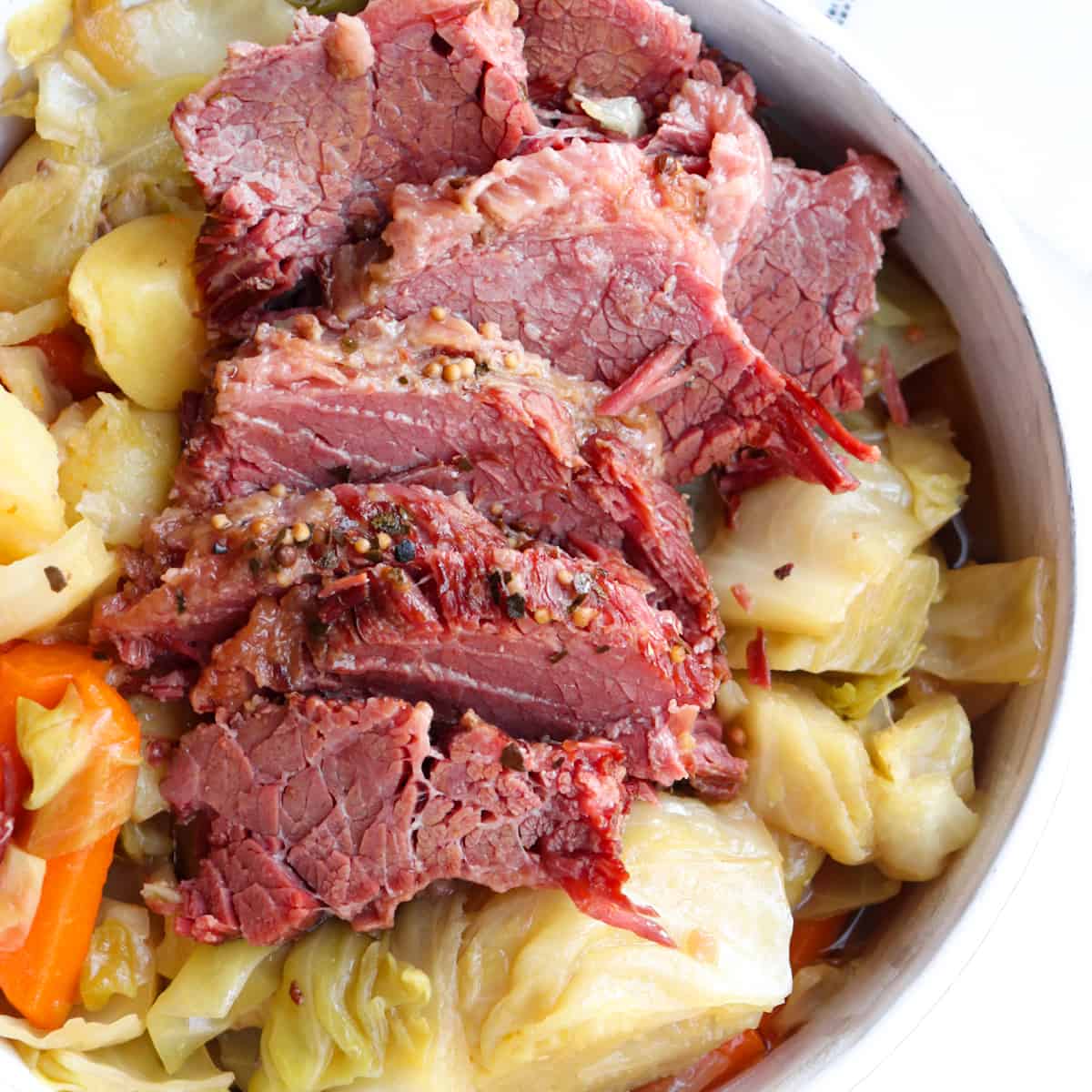
Jewish corned beef offers a wide range of variations, allowing for customization and exploration of different flavors and textures.
Experimentation with different cuts of beef, such as brisket, chuck roast, or round roast, can alter the tenderness and richness of the dish. Additionally, adjusting the spice blend by adding or omitting certain spices can create unique flavor profiles.
Traditional Accompaniments
To enhance the dining experience, traditional accompaniments are essential. Potato kugel, a baked potato casserole, adds a savory and comforting side dish. Horseradish sauce, with its sharp and tangy flavor, provides a vibrant contrast to the richness of the corned beef.
Rye bread, with its dense and slightly sour taste, complements the dish perfectly.
| Variation | Unique Characteristics |
|---|---|
| Brisket Corned Beef | Tender and flavorful, with a generous marbling of fat |
| Chuck Roast Corned Beef | Leaner and less tender than brisket, with a more intense beefy flavor |
| Round Roast Corned Beef | The leanest and toughest cut, best suited for slow cooking methods |
| Spiced Corned Beef | Enhanced with additional spices, such as garlic, paprika, or cumin |
| Mild Corned Beef | Prepared with a reduced amount of spices, resulting in a more subtle flavor |
Culinary and Cultural Significance: Jewish Corned Beef Recipe
Jewish corned beef holds immense cultural significance in Jewish cuisine and traditions. It is a staple dish that has been passed down through generations, symbolizing the rich history and cultural identity of the Jewish people.
Role in Holiday Celebrations and Family Gatherings
Jewish corned beef is a central part of many Jewish holidays and family gatherings. It is often served during Passover, Rosh Hashanah, and Hanukkah, where it is considered a symbol of abundance and prosperity. The sharing of corned beef at these events reinforces the bonds of community and family.
Symbolism and Meanings
Jewish corned beef has various symbolic meanings in Jewish culture. Its preservation through salting and curing represents the Jewish people's resilience and ability to endure hardship. The process of brining and cooking the meat is also seen as a way of purifying and sanctifying it for consumption.
Furthermore, the brisket cut of beef used in corned beef is traditionally associated with wealth and good fortune.
Epilogue
:max_bytes(150000):strip_icc()/__opt__aboutcom__coeus__resources__content_migration__serious_eats__seriouseats.com__images__2016__10__20161004-carnegie-deli-pastrami-vicky-wasik-2-1500x1125-da8a81dc024640a68b64e74480cdda26.jpg "Beef sandwich jewish corned rye bread deli city pickle menu jar open now pastrami kosher delis midwest food york nosher")
In the realm of Jewish cuisine, corned beef reigns supreme, a symbol of tradition, family gatherings, and the vibrant tapestry of Jewish culture. Whether enjoyed on its own or paired with delectable accompaniments, this dish continues to captivate taste buds and hearts alike.
As we conclude our culinary exploration, we invite you to embrace the rich flavors and cultural significance of Jewish corned beef. Let this recipe be your guide as you create your own culinary masterpiece, honoring the traditions of the past while adding your own personal touch.


