Embark on a culinary adventure with the KitchenAid bread bowl recipe, a testament to the effortless perfection that can be achieved with the right tools and a touch of culinary expertise. With the power of your KitchenAid stand mixer, you’ll transform humble ingredients into a masterpiece, creating a golden-brown bread bowl that will elevate any meal.
From kneading and mixing to shaping and baking, each step of this recipe is carefully crafted to guide you through the bread-making process with ease. Whether you’re a seasoned baker or a novice in the kitchen, the KitchenAid bread bowl recipe will empower you to create a delectable and visually stunning bread bowl that will impress your family and friends.
KitchenAid Bread Bowl Recipe
Overview
The KitchenAid bread bowl recipe is a simple and convenient way to make delicious, homemade bread using a KitchenAid stand mixer. The stand mixer does all the hard work for you, kneading and mixing the dough until it’s perfect. This recipe is perfect for beginners and experienced bakers alike, and it can be used to make a variety of different types of bread, including white bread, wheat bread, and rye bread.
Unique Features and Benefits of Using a KitchenAid Stand Mixer
KitchenAid stand mixers are a great choice for bread making because they are powerful enough to knead even the toughest doughs. They also have a variety of attachments that can be used for different tasks, such as mixing, kneading, and whipping.
This makes them a versatile tool that can be used for a variety of baking tasks.
Different Types of Bread That Can Be Made Using This Recipe
This recipe can be used to make a variety of different types of bread, including:
- White bread
- Wheat bread
- Rye bread
- Sourdough bread
- French bread
- Italian bread
Ingredients and Measurements: Kitchenaid Bread Bowl Recipe
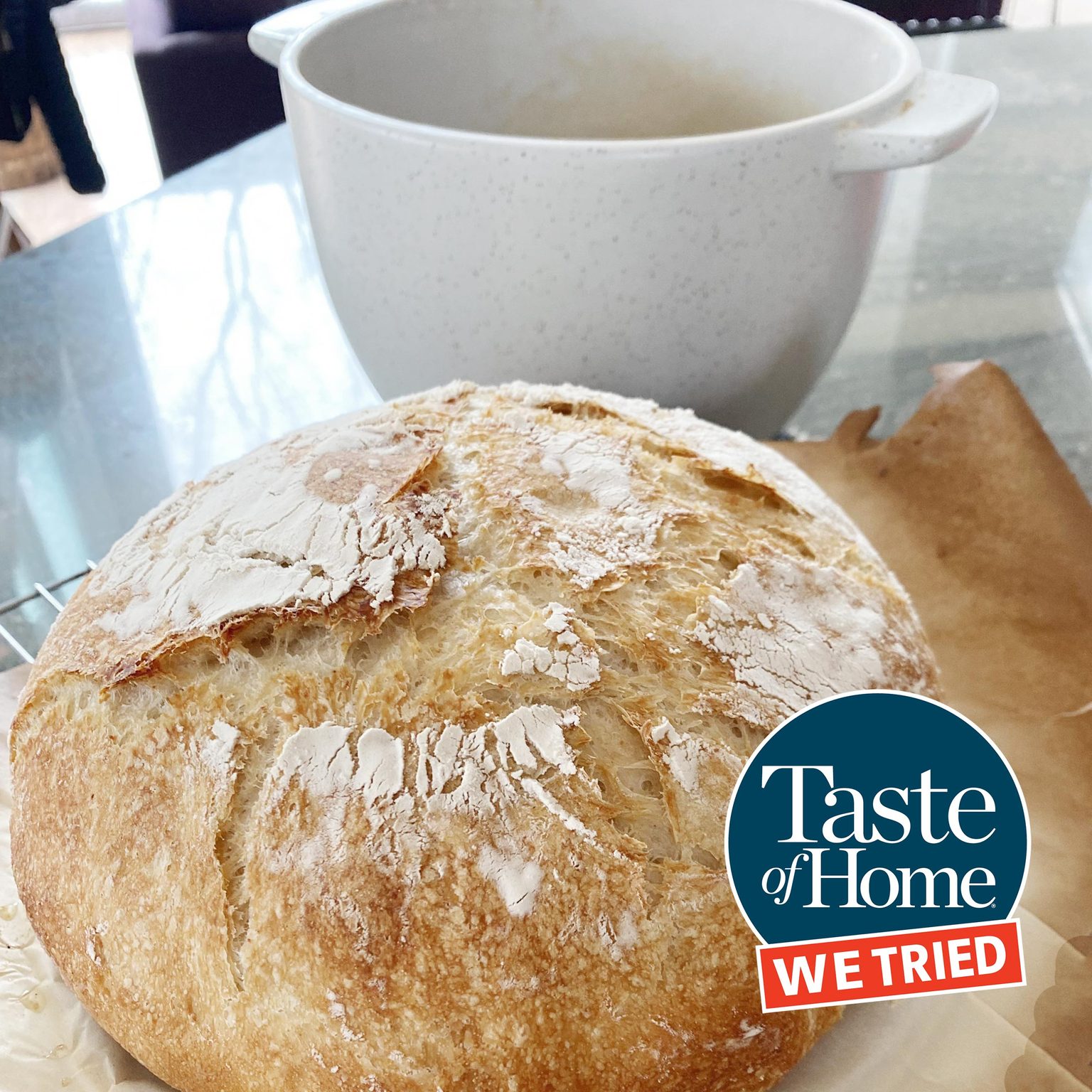
To craft this delightful bread bowl, you’ll need a harmonious blend of ingredients, each playing a crucial role in the alchemy of bread-making. The precise measurements, meticulously listed below, will guide you towards a perfect loaf.
Ingredient substitutions and alternatives are also explored to accommodate dietary preferences and ensure accessibility.
Ingredients Table
| Ingredient | Measurement |
|---|---|
| All-purpose flour | 3 cups (360g) |
| Warm water | 1 1/2 cups (360ml) |
| Active dry yeast | 2 1/4 teaspoons (7g) |
| Sugar | 1 tablespoon (12g) |
| Salt | 1 1/2 teaspoons (9g) |
| Olive oil | 2 tablespoons (30ml) |
Ingredient Substitutions
- All-purpose flour:Bread flour or whole wheat flour can be used for a chewier texture.
- Water:Milk can be used for a richer flavor.
- Yeast:Instant yeast can be used instead of active dry yeast. Reduce the amount to 1 1/4 teaspoons (3.5g).
- Sugar:Honey or maple syrup can be used as a natural sweetener.
- Salt:Reduce the amount to 1 teaspoon (6g) for a less salty bread.
- Olive oil:Vegetable oil or melted butter can be used as an alternative.
Role of Ingredients
- Flour:Provides the structure and gluten development for the bread.
- Water:Activates the yeast and hydrates the dough.
- Yeast:Converts sugars into carbon dioxide, creating the air pockets that give bread its rise.
- Sugar:Feeds the yeast and enhances its fermentation.
- Salt:Balances the flavor and strengthens the gluten network.
- Oil:Adds richness and tenderness to the bread.
Step-by-Step s
Making a bread bowl is a simple and rewarding process that can be enjoyed by bakers of all skill levels. Follow these step-by-step s to create a delicious and versatile bread bowl that will impress your family and friends.
Before you start, gather all the necessary ingredients and equipment:
- 1 cup warm water (105-115°F)
- 1 tablespoon active dry yeast
- 1 tablespoon sugar
- 2 tablespoons olive oil
- 1 teaspoon salt
- 2 1/2 cups all-purpose flour
- 1 bowl
- 1 baking sheet
- 1 oven
Mixing the Dough, Kitchenaid bread bowl recipe
- In a large bowl, combine the warm water, yeast, and sugar. Let sit for 5 minutes, or until the yeast is foamy.
- Add the olive oil, salt, and 1 cup of the flour. Stir until a dough forms.
- Turn the dough out onto a lightly floured surface and knead for 5-7 minutes, or until the dough is smooth and elastic.
First Rise
- Place the dough in a lightly oiled bowl, cover with plastic wrap, and let rise in a warm place for 1 hour, or until the dough has doubled in size.
Punching Down and Shaping
- Punch down the dough to release the air bubbles.
- Divide the dough in half. Shape one half into a ball and place it on a baking sheet lined with parchment paper.
- Use your fingers to make a well in the center of the dough ball. The well should be about 4 inches in diameter.
Second Rise
- Cover the dough ball with plastic wrap and let rise in a warm place for 30 minutes, or until the dough has doubled in size.
Baking
- Preheat the oven to 425°F (220°C).
- Bake the bread bowl for 25-30 minutes, or until the crust is golden brown and the bread sounds hollow when tapped.
Cooling
Kneading and Mixing Techniques
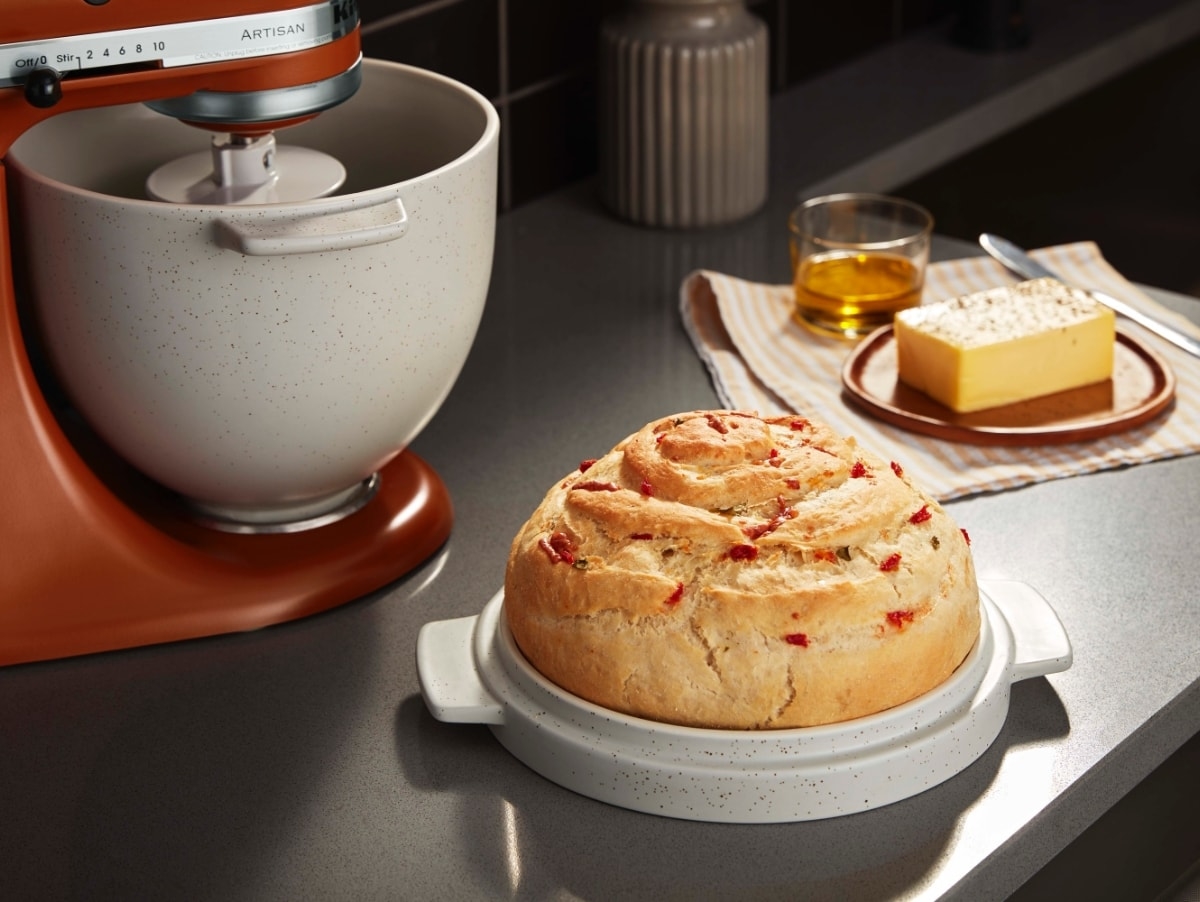
Kneading and mixing are crucial steps in bread making, as they directly impact the texture, flavor, and overall quality of the final loaf. Proper techniques ensure even distribution of ingredients, gluten development, and optimal dough consistency.
The KitchenAid bread bowl recipe is a must-try for any home baker. The combination of fluffy dough and crispy crust is simply irresistible. If you’re looking for more culinary adventures, be sure to check out our collection of best big green egg recipes . These dishes are sure to impress your friends and family.
But don’t forget to come back to the KitchenAid bread bowl recipe for a comforting and satisfying meal.
Hand Kneading
- Form a Dough Ball:Combine ingredients in a bowl and stir until a dough forms. Turn the dough onto a lightly floured surface.
- Knead with Palms:Use the heels of your hands to push the dough forward and away from you, then fold it back over itself. Repeat for 5-10 minutes, or until the dough becomes smooth and elastic.
Using a Dough Hook
- Attach to Stand Mixer:Fix the dough hook to a stand mixer and set the speed to low.
- Knead for 3-5 Minutes:Allow the dough hook to knead the dough until it pulls away from the sides of the bowl and forms a ball.
Using a Bread Machine
- Add Ingredients to Bread Pan:Measure and add ingredients to the bread pan according to the manufacturer’s instructions.
- Select Kneading Cycle:Choose the appropriate kneading cycle on the bread machine and press start.
- Check Dough Consistency:After the kneading cycle, open the lid and check the dough. If it’s too wet, add a little flour; if it’s too dry, add a little water.
Optimal Dough Consistency
- Elastic and Stretchy:The dough should be elastic and stretchy when pulled, but not so much that it tears easily.
- Smooth and Not Sticky:The dough should be smooth and not stick to your hands or the work surface.
- Windowpane Test:Stretch a small piece of dough between your fingers. If it forms a thin, translucent membrane without tearing, the dough is ready.
Rising and Fermentation
Rising and fermentation are crucial stages in bread making, transforming the dough into a light and airy loaf. Yeast, a living microorganism, plays a vital role in this process.
During fermentation, yeast consumes sugars in the dough, producing carbon dioxide gas. This gas forms bubbles that expand and stretch the dough, creating the characteristic rise. Other leavening agents, such as baking powder or baking soda, can also contribute to the rising process.
Creating an Optimal Environment for Rising
To ensure successful rising, the dough needs an environment that provides the following conditions:
- Warmth:Yeast is most active at temperatures between 75-85°F (24-29°C).
- Moisture:A humid environment helps the dough retain moisture and prevents it from drying out.
- Food:Sugars in the flour provide the necessary nutrients for yeast to thrive.
Shaping and Scoring

The final steps before baking your bread bowl involve shaping and scoring. Shaping determines the form and style of your bowl, while scoring allows steam to escape during baking, ensuring an even rise and preventing the bread from bursting.
Shaping
- Round:The classic shape for a bread bowl. Form a ball of dough, pinch the top closed, and place it seam-side down.
- Oval:Similar to round, but elongated. Roll the dough into an oval shape, pinch the ends closed, and place it seam-side down.
- Free-form:Allows for more creativity. Flatten the dough into a circle, pinch the edges together, and tuck them underneath.
Scoring
Scoring is crucial for allowing steam to escape and preventing the bread from splitting. Use a sharp knife or razor blade to make shallow cuts on the surface of the dough, about 1/4 inch deep. You can create simple slits or decorative designs, such as a cross, leaves, or spirals.
Baking and Cooling
Baking and cooling are crucial steps in the bread bowl-making process. Proper baking ensures a golden-brown crust and a fluffy interior, while proper cooling prevents sogginess and allows the bread to develop its full flavor.
Baking
- Preheat your oven to 450°F (230°C).
- Place the bread bowl on a baking sheet lined with parchment paper.
- Bake for 20-25 minutes, or until the crust is golden brown and the internal temperature reaches 200°F (93°C).
Cooling
Allow the bread bowl to cool on a wire rack for at least 30 minutes before slicing and serving. Cooling allows the steam to escape, preventing the bread from becoming soggy. You can also use a cooling tray for better air circulation.
Serving Suggestions
The KitchenAid bread bowl is a versatile culinary creation that can be enjoyed in various ways. Beyond its primary purpose as a bread container, it can serve as an edible centerpiece or decorative element, adding a touch of rustic charm to any gathering.
Fillings and Dips
The bread bowl’s hollow interior provides an ideal vessel for a wide range of fillings. Experiment with savory options such as creamy soups, hearty stews, or a medley of grilled vegetables. For a lighter touch, consider fresh salads, dips like hummus or guacamole, or a refreshing fruit compote.
Accompaniments
Elevate the bread bowl experience by pairing it with complementary accompaniments. Grilled meats, roasted vegetables, or a selection of artisanal cheeses make excellent side dishes. A drizzle of olive oil or a sprinkle of fresh herbs can further enhance the flavors.
Centerpiece and Decoration
The bread bowl’s rustic appearance and warm aroma make it a natural centerpiece for any table. Fill it with seasonal fruits, flowers, or greenery to create a vibrant display. Alternatively, use it as a unique serving dish for breadsticks, crackers, or other appetizers.
Troubleshooting Tips
Baking bread can be a rewarding experience, but it can also present challenges. Here are some common problems that may occur during the bread-making process, along with solutions to help you achieve the desired results.
It’s important to remember that baking is a science, and small changes in ingredients or techniques can have a big impact on the outcome. If you encounter any problems, don’t be discouraged. Experiment with different solutions and techniques until you find what works best for you.
Dough is too sticky
- Add more flour, one tablespoon at a time, until the dough becomes less sticky and easier to handle.
- Knead the dough for a longer period of time. This will help develop the gluten in the flour, which will make the dough less sticky.
- Let the dough rest for a longer period of time before shaping it. This will allow the gluten to relax, which will also make the dough less sticky.
Dough is too dry
- Add more water, one tablespoon at a time, until the dough becomes more moist and pliable.
- Knead the dough for a shorter period of time. Over-kneading can develop the gluten too much, which can make the dough dry and tough.
- Let the dough rest for a shorter period of time before shaping it. This will prevent the dough from drying out.
Dough doesn’t rise properly
- Make sure the yeast is active. If the yeast is old or has been stored improperly, it may not be able to rise the dough properly.
- Make sure the water is warm enough. Yeast needs warm water to activate. If the water is too cold, the yeast will not be able to rise the dough properly.
- Make sure the dough is in a warm place to rise. The ideal temperature for rising dough is between 75 and 85 degrees Fahrenheit.
Variations and Adaptations
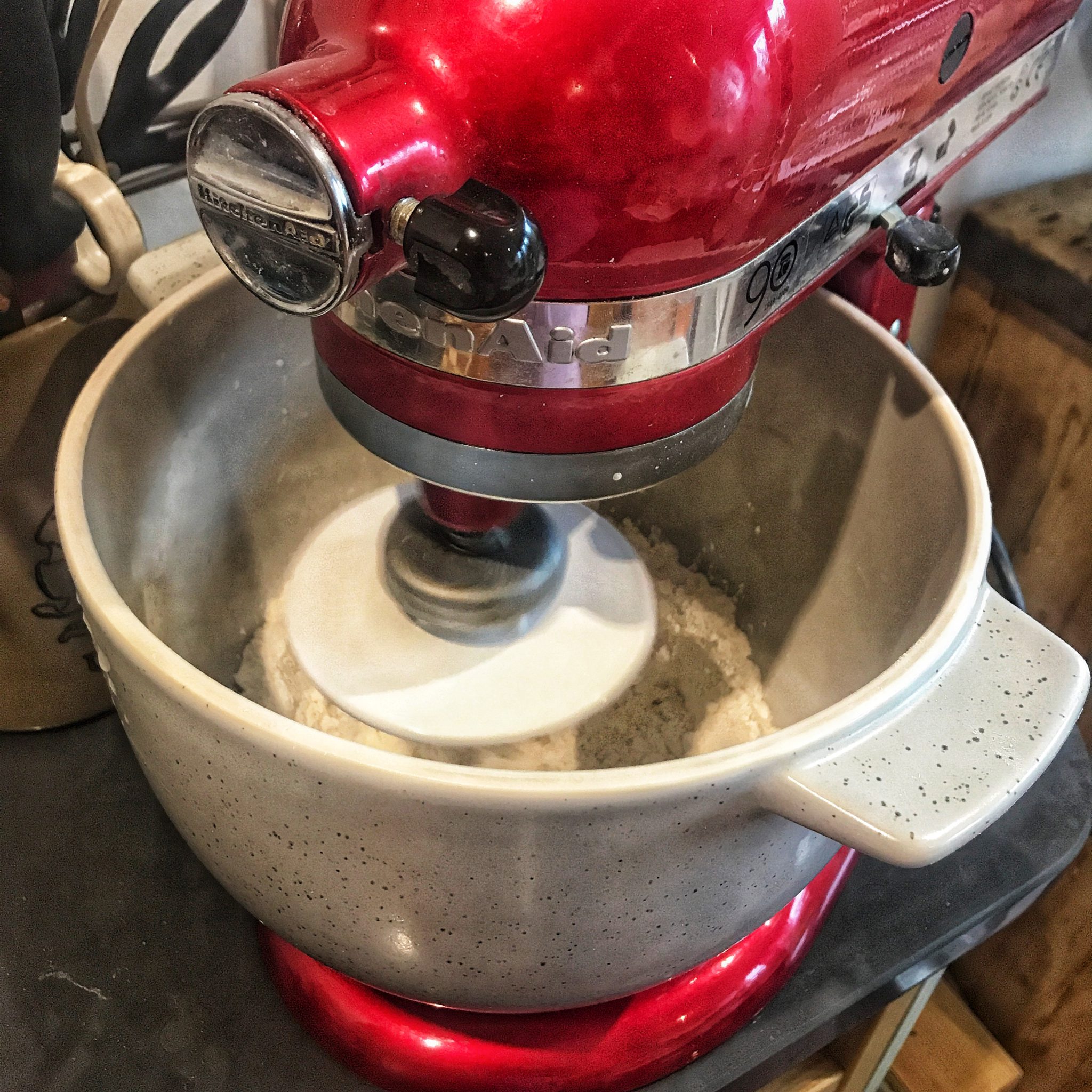
The KitchenAid bread bowl recipe is versatile and can be adapted to create a wide range of unique and flavorful bread bowls. Experiment with different ingredients and techniques to create your own signature bread bowl recipe.
Substitutions
* Flour substitutions:Try using different types of flour, such as whole wheat flour, rye flour, or gluten-free flour, to create bread bowls with different textures and flavors.
Herb and spice additions
Add herbs and spices to the dough to enhance the flavor of the bread bowls. Some popular additions include rosemary, thyme, oregano, garlic powder, and onion powder.
Cheese additions
Add grated cheese to the dough for a cheesy bread bowl. Popular cheese choices include cheddar, mozzarella, and Parmesan.
Fruit and vegetable additions
Add chopped fruits or vegetables to the dough for a sweet or savory bread bowl. Popular additions include raisins, cranberries, apples, and carrots.
Ending Remarks
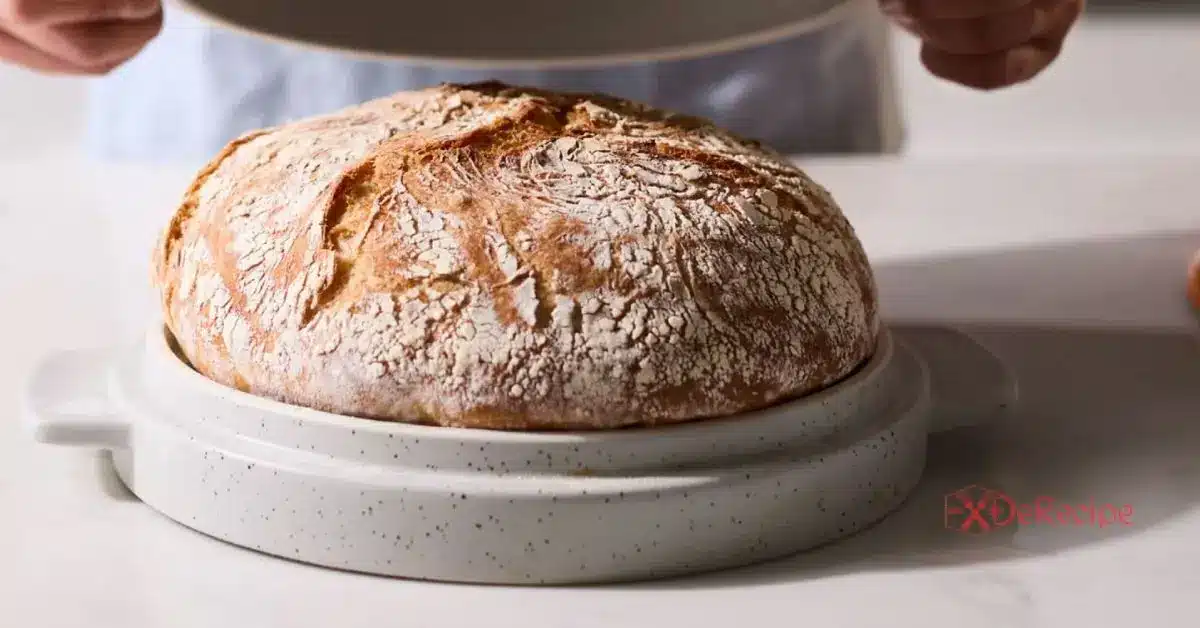
As you savor the warm, crusty exterior and the soft, fluffy interior of your homemade bread bowl, you’ll realize that the KitchenAid bread bowl recipe is more than just a recipe; it’s an experience. It’s the joy of creating something delicious with your own hands, the satisfaction of mastering a new skill, and the pleasure of sharing a culinary masterpiece with those you love.