Kitchenaid bread bowl recipes are an invitation to culinary exploration, where the aroma of freshly baked bread fills the air and creativity takes center stage. Whether you’re a seasoned baker or a novice eager to embark on a new culinary journey, this guide will empower you to craft exceptional bread bowls that will elevate your dining experiences.
From understanding the basics of bread bowl making to mastering the art of achieving perfect crust and fluffy interiors, this comprehensive guide will provide you with the knowledge and techniques you need to create mouthwatering bread bowls that will impress your family and friends.
Overview of KitchenAid Bread Bowl Recipes

Bread bowls are a delightful culinary creation that combines the satisfaction of a warm, freshly baked bread with the convenience of a serving vessel. They are perfect for soups, stews, salads, and other dishes that require a sturdy and edible container.
Using a KitchenAid stand mixer to make bread bowls offers several advantages. The powerful motor can effortlessly handle the heavy dough, and the dough hook attachment ensures thorough kneading, resulting in a well-developed gluten structure that is essential for a chewy and flavorful bread.
Additionally, the mixer’s adjustable speed settings allow for precise control over the kneading process, enabling you to achieve the desired consistency for your bread dough.
Benefits of Using a KitchenAid Stand Mixer for Bread Bowl Recipes
- Effortless kneading of heavy dough
- Thorough gluten development for a chewy texture
- Adjustable speed settings for precise control
- Convenience and ease of use
Essential Ingredients and Equipment
Crafting delectable bread bowls using your KitchenAid stand mixer requires a symphony of essential ingredients and the appropriate attachments. Let’s delve into the key components that will elevate your baking experience.
Ingredients
The foundation of any great bread bowl lies in the quality of its ingredients. Here are some essentials:
- Flour:Bread flour, with its higher protein content, provides a sturdy framework for your bread, resulting in a chewy interior and crisp crust.
- Yeast:The magic behind the rise! Active dry yeast or instant yeast will activate and feed on the sugars in the dough, creating the characteristic air pockets that make bread so light and fluffy.
- Water:A vital ingredient for hydration, water activates the yeast and helps develop the gluten in the flour, contributing to the bread’s structure and elasticity.
- Salt:Not only does salt enhance the flavor of your bread, but it also strengthens the gluten network, leading to a more robust loaf.
- Sugar:A touch of sugar provides nourishment for the yeast, promoting its growth and resulting in a slightly sweeter, golden-brown crust.
KitchenAid Attachments
Unlock the full potential of your KitchenAid stand mixer with the following attachments:
- Dough Hook:This sturdy attachment is specifically designed for kneading bread dough, replicating the motion of hand-kneading and ensuring even distribution of ingredients.
- Paddle Attachment:Perfect for mixing the initial ingredients and incorporating wet and dry components, the paddle attachment gently combines everything without overworking the dough.
Step-by-Step Recipe s
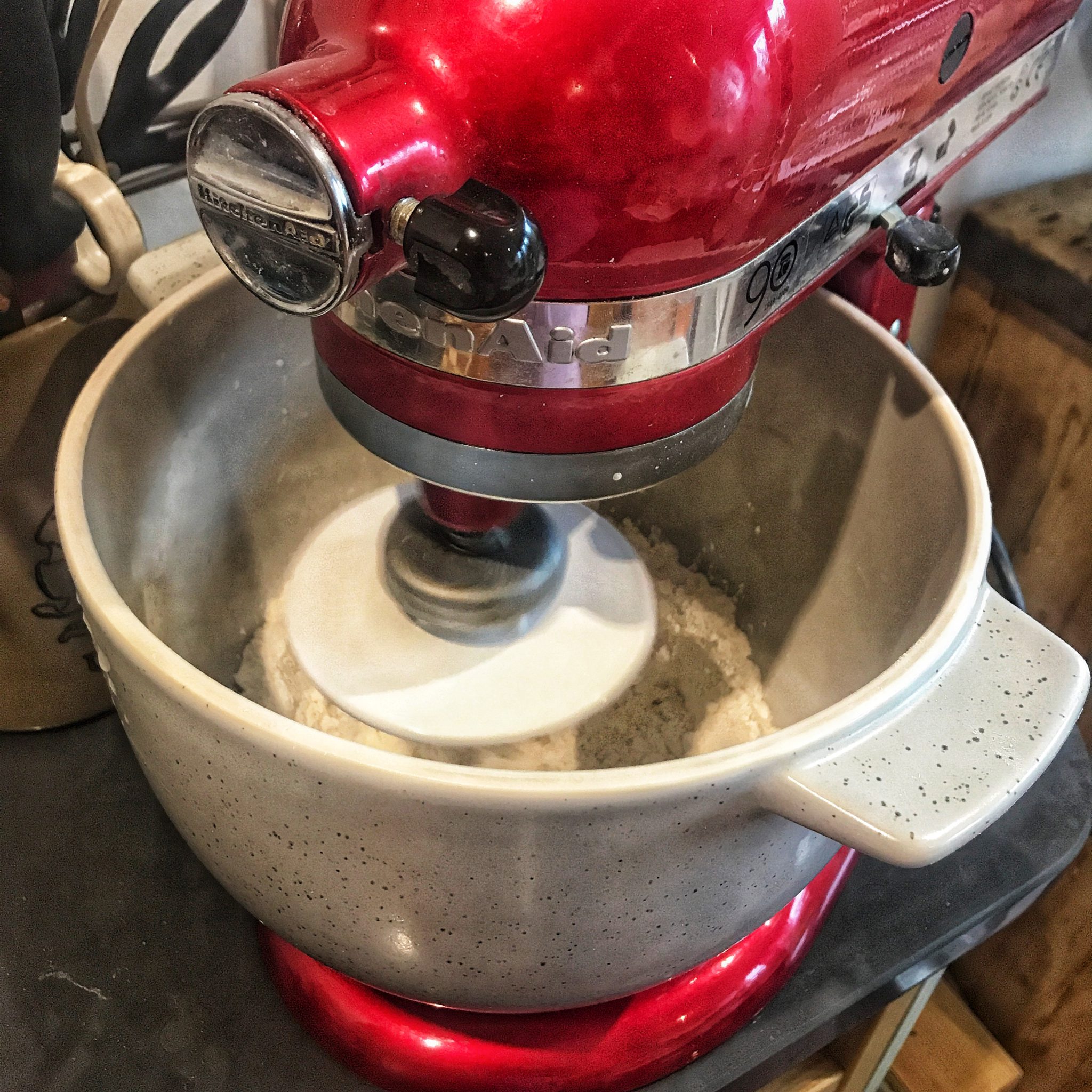
Creating a delicious and fluffy bread bowl using your KitchenAid stand mixer is a simple and rewarding process. Follow these step-by-step instructions to craft a perfect bread bowl:
Ingredients
- 3 cups (360g) all-purpose flour, plus more for dusting
- 1 tablespoon (11g) active dry yeast
- 1 teaspoon (5g) salt
- 1 1/2 cups (360ml) warm water (105-115°F or 40-46°C)
- 1 tablespoon (15ml) olive oil
Mixing
In the bowl of your KitchenAid stand mixer fitted with the dough hook attachment, combine the flour, yeast, and salt.
With the mixer on low speed, gradually add the warm water until a dough forms. Continue mixing on low speed for 2 minutes, or until the dough is smooth and elastic.
Add the olive oil and mix on low speed for another minute, or until the dough is well-combined.
Kneading
Turn the dough out onto a lightly floured surface and knead by hand for 5-7 minutes, or until the dough is smooth and elastic.
First Rise
Place the dough in a lightly oiled bowl, cover it with plastic wrap, and let it rise in a warm place for 1 hour, or until the dough has doubled in size.
Shaping
Once the dough has risen, punch it down to release the air. Shape the dough into a ball and place it on a lightly oiled baking sheet.
Using a sharp knife, cut a circle around the top of the dough, leaving a 1-inch border. Carefully lift the top of the dough and place it in a small bowl.
Second Rise
Cover the dough with plastic wrap and let it rise in a warm place for 30 minutes, or until the dough has almost doubled in size.
After experimenting with some delectable kitchenaid bread bowl recipes, I stumbled upon a fantastic collection of beef chuck shoulder steak thin recipes . These mouthwatering dishes inspired me to create a new bread bowl recipe with a savory beef filling.
The combination of fluffy bread and tender beef was simply irresistible.
Baking
Preheat your oven to 375°F (190°C). Bake the bread bowl for 25-30 minutes, or until the crust is golden brown and the bread sounds hollow when tapped.
Variations
To add herbs or spices to your bread bowl, simply mix them into the dough during the mixing stage. Some popular options include rosemary, thyme, oregano, or garlic powder.
For a more flavorful bread bowl, try adding fillings such as cheese, cooked meat, or vegetables. Simply place the filling in the center of the dough before shaping and baking.
Troubleshooting Common Issues
Navigating the bread-making process may occasionally present challenges. To ensure a successful outcome, it’s crucial to identify and address common issues effectively. Understanding the causes and implementing appropriate troubleshooting measures can lead to delectable bread creations.
The key to successful bread-making lies in adhering meticulously to the recipe’s instructions. Each ingredient plays a vital role in the final product, and any deviation can disrupt the delicate balance. Precise measurements and careful execution are essential to achieve the desired texture, flavor, and appearance.
Dough Not Rising
- Inactive yeast:Ensure the yeast is fresh and active by testing it in warm water with a pinch of sugar before adding it to the dough. If it fails to foam within a few minutes, replace it with a new batch.
- Insufficient water:Dough requires an adequate amount of water to activate the yeast and form gluten. Add water gradually while kneading until the dough reaches the desired consistency.
- Too much salt:Excessive salt can inhibit yeast activity. Measure the salt carefully and add it gradually to avoid over-salting.
- Cold environment:Yeast thrives in warm temperatures. Place the dough in a warm spot, such as a turned-off oven with the light on, to promote rising.
Dense Bread
- Overworking the dough:Excessive kneading can develop too much gluten, resulting in a dense and chewy texture. Knead just until the dough comes together and forms a smooth ball.
- Insufficient kneading:Proper kneading is essential for developing gluten and creating a light and airy bread. Knead the dough for the recommended time to ensure proper gluten formation.
- Incorrect oven temperature:Baking at an incorrect temperature can affect the bread’s rise and texture. Preheat the oven to the specified temperature and use an oven thermometer to ensure accuracy.
- Overcrowded pan:Ensure the bread has enough space to rise in the pan. Avoid overcrowding, as this can restrict airflow and prevent proper baking.
Health Benefits and Nutritional Value
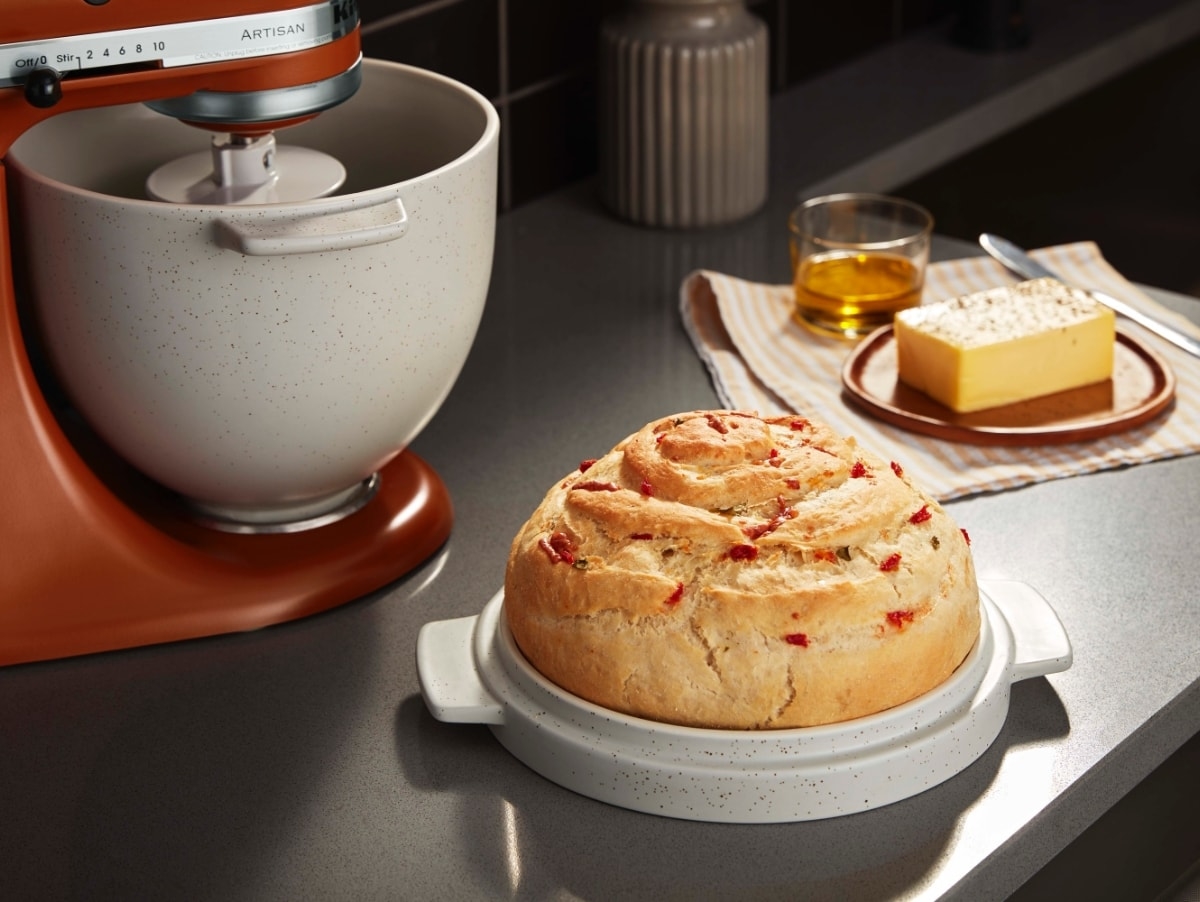
Homemade bread bowls from KitchenAid are not only delicious but also offer a range of nutritional benefits. They are a good source of fiber, which is essential for digestive health and can help you feel full and satisfied after eating.
Bread bowls are also a good source of protein, which is necessary for building and repairing tissues. Additionally, they contain vitamins and minerals, such as iron, calcium, and potassium.
Benefits of Homemade Bread vs. Store-Bought Options
Compared to store-bought bread, homemade bread bowls are typically lower in sodium and preservatives. They also contain more fiber and nutrients. This is because store-bought bread is often made with refined flour, which has been stripped of its fiber and nutrients.
Homemade bread, on the other hand, is usually made with whole-wheat flour, which retains its fiber and nutrients.
Fiber Content, Kitchenaid bread bowl recipes
The fiber content of bread bowls can vary depending on the type of flour used. Whole-wheat flour bread bowls have the highest fiber content, followed by white flour bread bowls and then sourdough bread bowls. One slice of whole-wheat bread bowl contains about 2 grams of fiber, while one slice of white bread bowl contains about 1 gram of fiber.
Protein Content
The protein content of bread bowls also varies depending on the type of flour used. Whole-wheat flour bread bowls have the highest protein content, followed by white flour bread bowls and then sourdough bread bowls. One slice of whole-wheat bread bowl contains about 3 grams of protein, while one slice of white bread bowl contains about 2 grams of protein.
Vitamin Content
Bread bowls are a good source of several vitamins, including B vitamins, niacin, and folate. B vitamins are essential for energy production, while niacin is important for skin health and folate is necessary for red blood cell production.
Creative Presentation Ideas
KitchenAid bread bowls offer a versatile and aesthetically pleasing canvas for culinary creativity. Beyond their primary purpose as a bread vessel, they can be transformed into unique and captivating serving dishes for a wide range of culinary delights.
The rustic charm of a bread bowl adds a touch of warmth and homeliness to any table setting. Their ample capacity and sturdy construction make them ideal for serving hearty soups, stews, and salads.
Bread Bowls as Soup and Stew Servers
Fill bread bowls with steaming hot soups or hearty stews for a comforting and satisfying meal. The bread absorbs the flavorful juices, creating a delightful combination of textures and flavors. Garnish with fresh herbs, a drizzle of olive oil, or a sprinkle of grated cheese for an extra touch of elegance.
Bread Bowls as Salad Bowls
Bread bowls can also serve as unique and stylish salad bowls. Fill them with crisp greens, colorful vegetables, and a variety of toppings. The bread provides a sturdy base for the salad, while the hollowed-out interior can be used to hold salad dressings or dips.
Aesthetic Appeal and Versatility
The beauty of bread bowls lies in their versatility and aesthetic appeal. They can be customized to complement any décor or occasion. For a rustic touch, use a whole-wheat bread bowl. For a more elegant presentation, opt for a white bread bowl or a bread bowl adorned with herbs or seeds.
Recipes for Different Bread Types
The KitchenAid stand mixer is a versatile appliance that can be used to make a variety of different types of bread. From classic white bread to hearty whole wheat bread, there is a KitchenAid bread bowl recipe for every taste.
In this section, we will provide recipes for four different types of bread:
- White bread
- Wheat bread
- Sourdough bread
- Specialty breads
White Bread
White bread is a classic for a reason. It is light, fluffy, and has a mild flavor that pairs well with any topping. To make white bread in a KitchenAid stand mixer, you will need:
- 3 cups all-purpose flour
- 1 teaspoon salt
- 1 teaspoon sugar
- 1 teaspoon active dry yeast
- 1 cup warm water (105-115 degrees F)
- 2 tablespoons butter, softened
Once you have gathered your ingredients, follow these steps:
- In the bowl of your stand mixer, combine the flour, salt, sugar, and yeast.
- Add the warm water and butter and mix on low speed until the ingredients are combined.
- Increase the speed to medium and knead the dough for 5-7 minutes, or until it is smooth and elastic.
- Place the dough in a greased bowl, cover it with plastic wrap, and let it rise in a warm place for 1 hour, or until it has doubled in size.
- Punch down the dough and shape it into a loaf. Place the loaf in a greased 9×5 inch loaf pan and let it rise for another 30 minutes, or until it has doubled in size.
- Preheat the oven to 375 degrees F. Bake the bread for 30-35 minutes, or until it is golden brown and sounds hollow when tapped.
- Let the bread cool completely before slicing and serving.
Tips for Achieving Perfect Bread Bowls
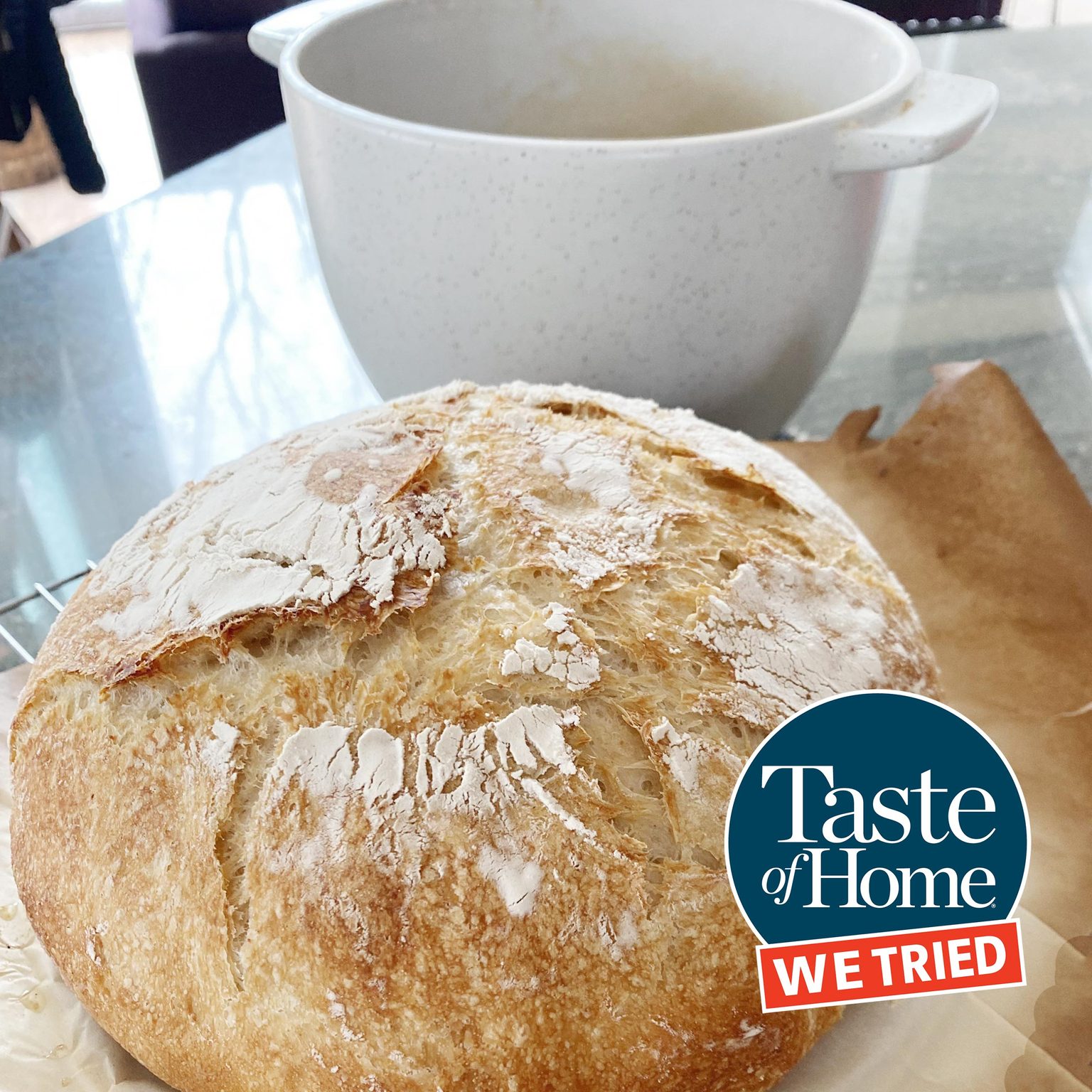
Creating perfect bread bowls requires a combination of technique and attention to detail. Here are some expert tips to help you achieve the perfect bread bowl every time.
Proper Dough Consistency:The dough for bread bowls should be soft and slightly sticky, but not too wet. If the dough is too wet, it will be difficult to shape and will not rise properly. If the dough is too dry, it will be tough and dense.
Kneading Time:Kneading the dough develops the gluten, which gives the bread its structure. Knead the dough for at least 10 minutes, or until it is smooth and elastic.
Baking Temperature:The baking temperature for bread bowls is important for creating a crispy crust and a soft, fluffy interior. Bake the bread bowls at a high temperature (450-475°F) for the first 15 minutes, then reduce the temperature to 350-375°F for the remaining baking time.
Pairing Bread Bowls with Side Dishes
KitchenAid bread bowls can be a hearty and versatile part of a meal. When pairing them with side dishes, consider their rich flavor and texture to create a balanced and satisfying spread.
Soups and salads are classic accompaniments to bread bowls. Soups provide warmth and sustenance, while salads offer a refreshing contrast to the bread’s richness. Dips and spreads, such as hummus, guacamole, or cheese dips, add extra flavor and variety.
Soups
- Creamy soups, like tomato bisque or mushroom soup, pair well with the hearty texture of bread bowls.
- Brothy soups, such as chicken noodle soup or vegetable broth, provide a lighter option that complements the bread’s flavor.
Salads
- Green salads, with mixed greens, vegetables, and a light dressing, offer a fresh and healthy balance to bread bowls.
- Grain salads, featuring quinoa, rice, or farro, provide a more substantial side dish that complements the bread’s richness.
Dips and Spreads
- Hummus, a chickpea-based dip, adds a creamy and flavorful element to bread bowls.
- Guacamole, made from avocados, provides a fresh and tangy contrast to the bread’s texture.
- Cheese dips, such as cheddar cheese sauce or blue cheese dip, offer a rich and savory accompaniment to bread bowls.
Wrap-Up: Kitchenaid Bread Bowl Recipes
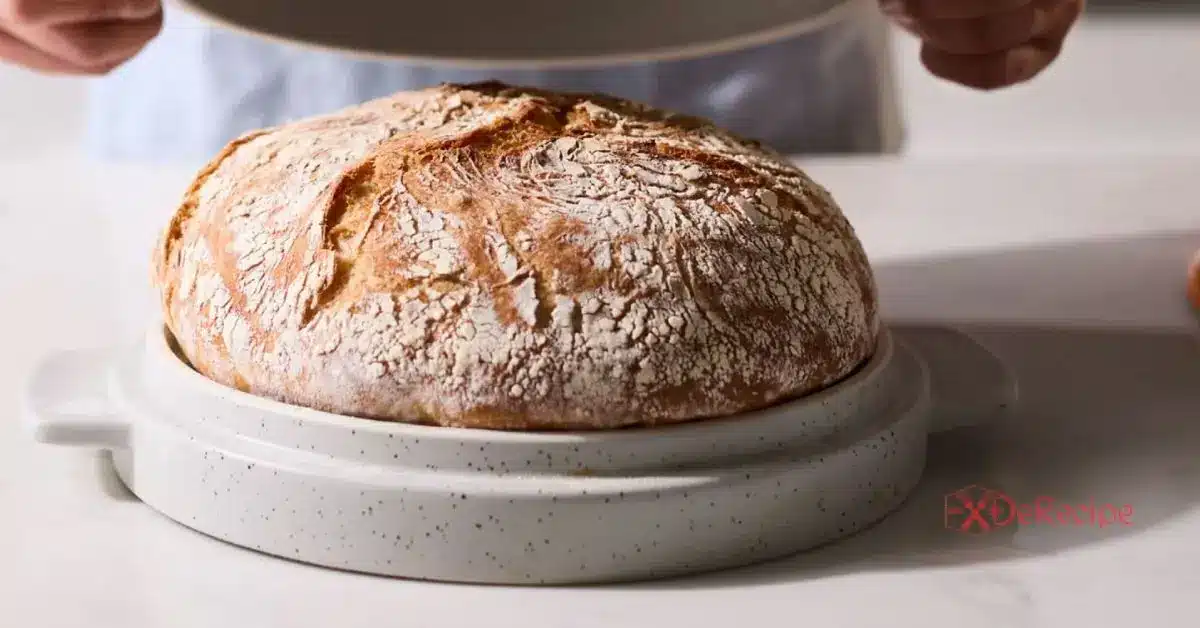
As you delve into the world of KitchenAid bread bowl recipes, you’ll discover a treasure trove of culinary possibilities. Experiment with different bread types, fillings, and presentation ideas to create unique and flavorful creations that will become a staple in your kitchen.
Embrace the joy of homemade bread making and savor the satisfaction of sharing your culinary masterpieces with loved ones.