Prepare to embark on a tantalizing adventure with our kosher corned beef recipe. This time-honored delicacy invites you to savor a symphony of flavors that will dance upon your palate. As we delve into the secrets of this culinary masterpiece, you’ll discover the perfect balance of spices, the artistry of preparation, and the sheer joy of sharing this delectable dish with loved ones.
From the moment you gather the finest ingredients to the final flourish of presentation, each step of this recipe is a testament to the rich heritage and culinary artistry that has made kosher corned beef an enduring classic.
Ingredients and Preparation

Creating a delectable kosher corned beef requires a meticulous selection of ingredients and a precise preparation process. Each component plays a crucial role in enhancing the flavor and texture of this classic dish.
Ingredients
- Beef brisket:The heart of the recipe, a well-trimmed brisket with a generous fat cap provides the ideal base for absorbing the savory flavors.
- Kosher salt:Essential for the curing process, salt draws out moisture and inhibits bacterial growth, resulting in a tender and flavorful meat.
- Pink curing salt (Prague powder #1):This curing agent imparts the signature pink hue to the corned beef, while also inhibiting the growth of harmful bacteria.
- Brown sugar:Adds a subtle sweetness to balance the saltiness and enhances the caramelization during cooking.
- Whole black peppercorns:Provides a peppery kick and aromatic depth.
- Bay leaves:Imparts a subtle herbal note.
- Juniper berries:Adds a hint of piney flavor.
- Mustard seeds:Contributes a subtle pungency.
- Allspice berries:Enhances the aromatic complexity with its warm and slightly sweet notes.
Preparation
The preparation of kosher corned beef involves a two-step process: dry curing and wet brining.
- Dry Curing:The brisket is coated in a dry rub of kosher salt, pink curing salt, brown sugar, black peppercorns, and spices. This mixture draws out moisture and begins the curing process, which takes approximately 5-7 days in the refrigerator.
- Wet Brining:After the dry curing, the brisket is submerged in a flavorful brine solution made with water, salt, sugar, and spices. This step further enhances the flavor and tenderness of the meat, typically lasting for another 5-7 days.
Once the curing and brining processes are complete, the corned beef is ready for cooking. It can be boiled, roasted, or smoked, depending on the desired texture and flavor profile.
Indulge in the savory delight of homemade kosher corned beef, a culinary masterpiece that tantalizes your taste buds with its tender texture and robust flavors. If you’re looking for quick and easy dinner ideas, explore 5 dinners 1 hour free recipes for inspiration.
Return to the delectable kosher corned beef, where the aroma of spices fills the air, promising a hearty and satisfying meal that will leave you craving for more.
Seasonings and Flavorings
The distinct flavor of kosher corned beef stems from the careful selection and blending of traditional seasonings and flavorings. These ingredients not only enhance the taste of the meat but also contribute to its alluring aroma and vibrant appearance.
The primary seasoning used in corned beef is salt, which draws moisture out of the meat, creating a brine that preserves and flavors it. Other essential seasonings include black peppercorns, mustard seeds, coriander, and bay leaves. These spices impart a warm, peppery, and slightly bitter flavor to the dish.
Alternative Seasonings
While the traditional seasonings provide a classic flavor profile, there is room for customization. For a bolder flavor, consider adding a pinch of red pepper flakes or ground cloves. Alternatively, a touch of sweetness can be introduced with brown sugar or honey.
Experimenting with different combinations of spices and herbs allows you to create a corned beef that reflects your personal preferences.
Cooking Methods and Timing

Cooking kosher corned beef requires patience and careful attention to detail. The method you choose will significantly impact the texture, flavor, and tenderness of the finished product.
There are three primary cooking methods for kosher corned beef: boiling, braising, and roasting. Each method offers unique advantages and drawbacks, and the optimal choice depends on your desired outcome.
Boiling
Boiling is the most straightforward and traditional method for cooking kosher corned beef. It involves submerging the corned beef in a large pot of boiling water and simmering it for several hours.
Indulge in the savory delight of kosher corned beef, a culinary masterpiece that tantalizes taste buds with its rich, flavorful essence. As you explore culinary adventures, discover the wonders of softasilk cake flour recipes , where delicate textures and ethereal flavors await your baking endeavors.
The journey back to the succulent kosher corned beef experience unfolds with every bite, a testament to the culinary wonders that await your palate.
- Advantages:Boiling is a simple and inexpensive method that requires minimal effort. It also produces a tender and flavorful corned beef.
- Disadvantages:Boiling can result in a slightly dry and tough texture if not done carefully. Additionally, it can be time-consuming, as the corned beef typically needs to cook for at least 3-4 hours.
Braising
Braising is a slower and more flavorful cooking method that involves browning the corned beef in a pot or Dutch oven before adding liquid and simmering it in a covered vessel.
- Advantages:Braising produces a very tender and juicy corned beef with a rich and complex flavor. It also allows you to add vegetables and other ingredients to the pot for a more flavorful dish.
- Disadvantages:Braising is more time-consuming than boiling, as it requires additional steps for browning and simmering. It can also be more expensive, as it often requires additional ingredients.
Roasting
Roasting is a less common method for cooking kosher corned beef, but it can produce a flavorful and succulent dish. It involves placing the corned beef in a roasting pan and cooking it in a preheated oven.
- Advantages:Roasting produces a corned beef with a crispy exterior and a tender and juicy interior. It also allows you to control the cooking temperature more precisely than boiling or braising.
- Disadvantages:Roasting can be more time-consuming than other methods, as it requires preheating the oven and cooking the corned beef for several hours. Additionally, it can be more expensive, as it often requires additional ingredients for a flavorful rub or marinade.
Serving Suggestions and Accompaniments: Kosher Corned Beef Recipe
The delectable kosher corned beef, with its distinct flavor and tender texture, invites a symphony of accompaniments to enhance its culinary experience. From traditional pairings to creative twists, the possibilities are as diverse as the cultural heritage it embodies.
Side Dishes, Kosher corned beef recipe
Classic side dishes such as boiled potatoes, roasted carrots, and creamy mashed potatoes provide a comforting canvas for the corned beef’s robust flavors to shine. For a lighter touch, consider a crisp coleslaw or a fresh green salad with a tangy vinaigrette.
Condiments
A dollop of spicy brown mustard or a smear of horseradish adds a piquant kick that complements the beef’s savory notes. Sweet pickle relish or a tangy sauerkraut bring a touch of acidity and crunch to the plate.
Garnishes
A sprinkling of fresh parsley or dill adds a vibrant pop of color and freshness. Thinly sliced red onions or pickled gherkins provide a contrasting texture and acidity. For a touch of elegance, consider a drizzle of olive oil or a dollop of crème fraîche.
Cultural Significance
In Jewish tradition, corned beef is a staple dish for Passover, symbolizing the liberation from slavery in Egypt. Its presence on the Seder table represents the strength and resilience of the Jewish people.
Historical Context
The popularity of corned beef in the United States can be traced back to Irish immigrants who brought their culinary traditions to the shores of America. Over time, corned beef became a beloved dish for both Irish and Jewish communities, transcending cultural boundaries and uniting people through shared culinary experiences.
Epilogue
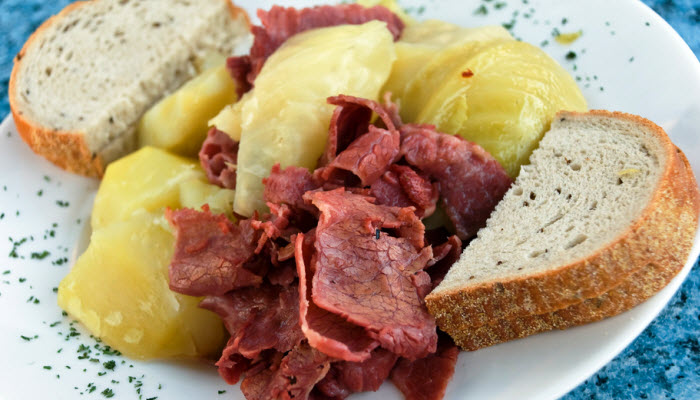
As you savor the last tender bite of your homemade kosher corned beef, let the memories of this culinary journey linger on. Whether you’re celebrating a special occasion or simply indulging in a comforting meal, this recipe will forever hold a cherished place in your culinary repertoire.
May your taste buds rejoice and your heart be warmed with every slice of this delectable creation.