Embark on a culinary adventure with Low FODMAP Crock Pot Recipes, a delectable guide to navigating the complexities of a low FODMAP diet with ease and indulgence.
Discover the secrets of a low FODMAP diet, unraveling the mysteries of FODMAPs and their impact on gut health. Learn the art of slow cooking with a crock pot, maximizing flavors while minimizing digestive discomfort.
Low FODMAP Diet Overview
The low FODMAP diet is a specialized eating plan designed to alleviate digestive symptoms experienced by individuals with irritable bowel syndrome (IBS). FODMAPs (fermentable oligosaccharides, disaccharides, monosaccharides, and polyols) are short-chain carbohydrates that are poorly absorbed in the small intestine. When these carbohydrates reach the large intestine, they are fermented by gut bacteria, producing gas and other byproducts that can lead to abdominal pain, bloating, diarrhea, and constipation.
The low FODMAP diet involves eliminating or significantly reducing the intake of high-FODMAP foods, such as certain fruits, vegetables, legumes, and grains. By following this diet, individuals with IBS can potentially reduce their digestive symptoms and improve their overall well-being.
Benefits
The low FODMAP diet offers several potential benefits for individuals with IBS, including:
- Reduced digestive symptoms such as abdominal pain, bloating, diarrhea, and constipation
- Improved quality of life and overall well-being
- Identification of trigger foods that exacerbate IBS symptoms
Drawbacks
While the low FODMAP diet can be effective in managing IBS symptoms, there are also some potential drawbacks to consider:
- Dietary restrictions can be challenging to follow and may require significant lifestyle changes
- The diet may be nutritionally restrictive, making it important to consult with a healthcare professional or registered dietitian to ensure adequate nutrient intake
- The long-term efficacy and safety of the low FODMAP diet are still being studied
Overall, the low FODMAP diet can be a valuable tool for managing IBS symptoms, but it is essential to approach it with a balanced perspective, considering both the potential benefits and drawbacks.
Understanding FODMAPs
FODMAPs, or fermentable oligosaccharides, disaccharides, monosaccharides, and polyols, are short-chain carbohydrates that can cause digestive issues in some people. These carbs are poorly absorbed in the small intestine and end up fermenting in the large intestine, leading to gas, bloating, and other symptoms.
Common High-FODMAP Foods
To manage FODMAPs in your diet, it’s important to identify and avoid foods that are high in these carbs. Here’s a list of some common high-FODMAP foods:
- Fruits: Apples, pears, watermelon, cherries, mangoes, peaches, apricots
- Vegetables: Garlic, onions, leeks, asparagus, broccoli, cauliflower, Brussels sprouts
- Dairy products: Milk, yogurt, cheese (except hard cheeses like cheddar and Parmesan)
- Grains: Wheat, rye, barley, pasta, bread
- Legumes: Beans, lentils, chickpeas
- Sweeteners: Honey, agave nectar, high-fructose corn syrup
Crock Pot Cooking Basics: Low Fodmap Crock Pot Recipes
Crock pots are a convenient and versatile kitchen appliance that can make cooking low FODMAP meals a breeze. They allow you to cook food slowly and gently, which helps to preserve nutrients and flavors. Crock pots are also great for batch cooking, so you can make a large batch of food and then reheat it throughout the week.
Choosing the Right Crock Pot
When choosing a crock pot, there are a few things to keep in mind. First, consider the size of the crock pot. You’ll want to choose a crock pot that is large enough to accommodate the amount of food you typically cook. Second, consider the features of the crock pot. Some crock pots have programmable timers, while others have multiple heat settings. Choose a crock pot that has the features you want and need.
Using a Crock Pot Effectively
To use a crock pot effectively, follow these tips:
- Brown your meat before adding it to the crock pot. This will help to develop flavor and prevent the meat from becoming dry.
- Add enough liquid to the crock pot. The liquid will help to keep the food moist and prevent it from burning.
- Cook the food on low heat for 6-8 hours, or on high heat for 3-4 hours. The longer the food cooks, the more tender it will become.
- Check the food periodically to make sure it is not overcooking. Overcooked food can become dry and tough.
Low FODMAP Crock Pot Recipes
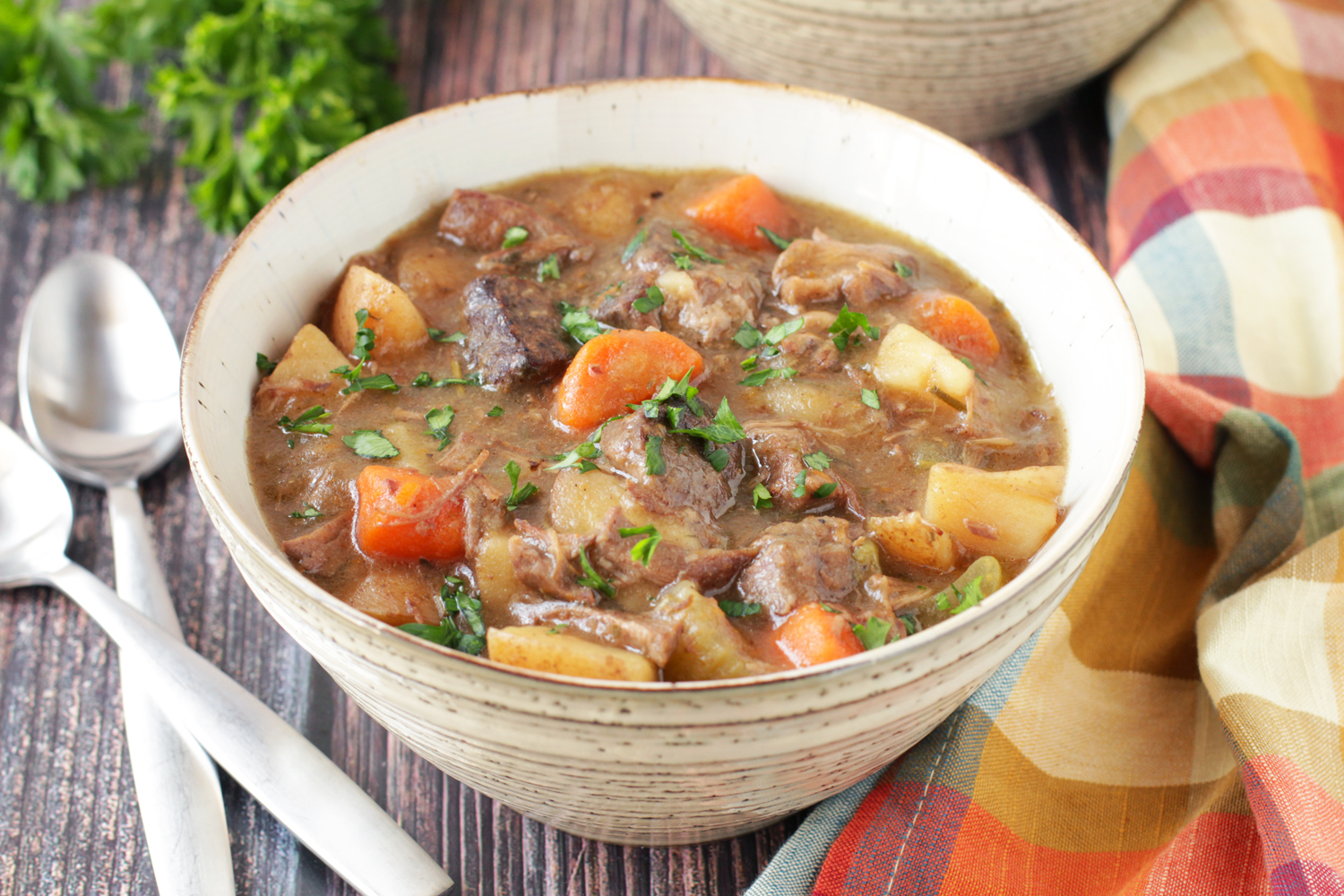
Cooking low FODMAP meals in a crock pot is a convenient and delicious way to enjoy a healthy diet. Here are some easy and flavorful recipes to get you started:
Crock Pot Recipes
| Recipe Name | Ingredients | Cooking Time | Difficulty Level |
|---|---|---|---|
| Low FODMAP Chicken and Vegetable Soup |
|
6-8 hours on low | Easy |
| Low FODMAP Beef Stew |
|
8-10 hours on low | Easy |
| Low FODMAP Pulled Pork |
|
6-8 hours on low | Easy |
| Low FODMAP Creamy Chicken |
|
4-6 hours on low | Easy |
Meal Planning and Preparation
Meal planning and preparation on a low FODMAP diet can be challenging, but with a little effort, it can be done. Here are some strategies to help you get started:
• Start by learning which foods are high in FODMAPs and which are low. There are many resources available online and in print that can help you with this.
• Once you know which foods to avoid, you can start planning your meals. It is important to include a variety of foods from all food groups to ensure that you are getting all the nutrients you need.
• When preparing meals, be sure to read all food labels carefully. Even foods that are labeled “low FODMAP” may contain hidden sources of FODMAPs.
• If you are unsure whether a particular food is low FODMAP, it is always best to err on the side of caution and avoid it.
Adapting Traditional Recipes
Many traditional recipes can be adapted to make them low FODMAP. Here are a few tips:
- Substitute high-FODMAP ingredients with low-FODMAP alternatives.
- Reduce the amount of high-FODMAP ingredients in the recipe.
- Omit high-FODMAP ingredients altogether.
With a little creativity, you can easily enjoy your favorite foods on a low FODMAP diet.
Dietary Considerations
Understanding your individual dietary needs and preferences is crucial when following a low FODMAP diet. This personalized approach ensures you meet your nutritional requirements while managing FODMAP intake.
Embark on a culinary adventure with Low Fodmap Crock Pot Recipes, where healthy meets delicious. These slow-cooked delights will tantalize your taste buds and soothe your digestive system. If you’re looking for inspiration, head over to Recipe for a treasure trove of low FODMAP recipes.
From savory stews to tender meats, there’s something for every palate. Experiment with these recipes and discover the joy of cooking and eating without the discomfort.
A low FODMAP diet may potentially lead to nutrient deficiencies, particularly in calcium, vitamin D, and fiber. Calcium is vital for bone health, while vitamin D aids in calcium absorption. Fiber supports digestive health and satiety. It’s essential to consult with a registered dietitian or healthcare professional to address these potential deficiencies and develop a comprehensive meal plan that meets your specific needs.
Nutrient Deficiencies
- Calcium: Dairy products, fortified plant-based milks, and leafy green vegetables are good sources of calcium.
- Vitamin D: Sunlight exposure, fatty fish, and fortified foods provide vitamin D.
- Fiber: Whole grains, fruits, and vegetables are rich in fiber. Consider including low FODMAP options like quinoa, brown rice, and berries.
Health Benefits of Low FODMAP Cooking
Embracing a low FODMAP diet can lead to significant health improvements, particularly for those grappling with digestive ailments. Extensive scientific evidence supports the efficacy of this dietary approach in alleviating symptoms associated with irritable bowel syndrome (IBS) and other functional gastrointestinal disorders.
Improved Digestion and Symptom Relief
Low FODMAP crock pot recipes offer a convenient and effective way to reap the benefits of this diet. By limiting the intake of fermentable oligosaccharides, disaccharides, monosaccharides, and polyols (FODMAPs), these recipes promote a calmer digestive system and reduce the frequency and severity of symptoms such as bloating, gas, abdominal pain, and diarrhea.
Resources and Support
Navigating a low FODMAP diet can be challenging, but there are numerous resources and support systems available to assist you.
Indulge in the cozy comfort of Low Fodmap Crock Pot Recipes, where succulent flavors effortlessly unfold. If you’re craving a hearty twist, venture into the realm of Knorr Chicken Rice Recipes , where aromatic spices dance with tender chicken and fluffy rice.
Return to the comforting embrace of Low Fodmap Crock Pot Recipes, where every bite is a symphony of wholesome ingredients.
Credible websites, support groups, and healthcare professionals play a crucial role in providing guidance, monitoring, and emotional support throughout your journey.
In the culinary realm of Low Fodmap Crock Pot Recipes, let’s explore a delightful twist with the Las Palmas Enchilada Recipe . This zesty dish tantalizes taste buds with its savory filling, wrapped in warm corn tortillas. The slow-cooker magic ensures a tender and flavorful meal that caters to your dietary needs.
Dive into the world of Low Fodmap Crock Pot Recipes and let the Las Palmas Enchilada ignite your culinary adventures!
Credible Resources, Low Fodmap Crock Pot Recipes
- Monash University FODMAP App: A comprehensive app with an extensive food database, recipes, and tracking tools.
- FODMAP Friendly: A website offering a vast database of certified low FODMAP products, recipes, and articles.
- IBD Clinic: A website providing detailed information on FODMAPs, including a downloadable FODMAP food list.
Support Groups
- FODMAP Support Group on Facebook: A large and active online community where individuals can connect, share experiences, and offer support.
- FODMAP Support Forum: An online forum where users can discuss FODMAP-related topics, ask questions, and seek advice.
- Local Support Groups: Search for local support groups in your area to connect with others following a low FODMAP diet.
Healthcare Professionals
Healthcare professionals, such as registered dietitians, gastroenterologists, and primary care physicians, play a vital role in guiding and monitoring low FODMAP diets.
- Registered Dietitians: Provide personalized dietary advice, meal planning assistance, and ongoing support.
- Gastroenterologists: Diagnose and manage digestive disorders, including IBS, and can recommend a low FODMAP diet as part of the treatment plan.
- Primary Care Physicians: Can provide general guidance, monitor your progress, and refer you to specialists if necessary.
Conclusion
In summary, the low FODMAP diet is an effective way to manage IBS symptoms and improve digestive health. Incorporating low FODMAP crock pot recipes into your diet can make following the diet easier and more enjoyable. Explore the recipes provided in this article and discover the benefits of low FODMAP cooking for yourself.
Final Review
Indulge in a world of tantalizing flavors and reap the health benefits of a low FODMAP diet. Let these crock pot recipes be your culinary compass, guiding you towards improved digestion and overall well-being.