Delve into the world of mushroom cultivation with our comprehensive guide to Mushroom Liquid Culture Recipe. This technique offers a simple and effective way to propagate mushrooms, making it accessible to both hobbyists and commercial growers alike. Join us as we explore the basics, preparation methods, and applications of mushroom liquid culture, empowering you to cultivate your own delicious and nutritious mushrooms.
Mushroom Liquid Culture Basics

Mushroom liquid culture is a method of cultivating mushroom mycelium in a liquid medium, rather than on a solid substrate like agar or grain. This technique offers several advantages, including faster growth rates, easier manipulation, and the ability to produce large quantities of inoculum for spawn production.
Liquid culture is suitable for a wide variety of mushroom species, including:
- Oyster mushrooms (Pleurotus ostreatus)
- Shiitake mushrooms (Lentinula edodes)
- Lion's mane mushrooms (Hericium erinaceus)
- Reishi mushrooms (Ganoderma lucidum)
- Cordyceps mushrooms (Cordyceps militaris)
Preparing a mushroom liquid culture is relatively simple and can be done in a home laboratory. Here's a step-by-step guide:
Materials
- Pressure cooker or autoclave
- Liquid culture media (e.g., potato dextrose broth)
- Mushroom mycelium (e.g., from an agar plate or tissue sample)
- Sterile glass jars or flasks
- Parafilm or aluminum foil
Instructions
- Sterilize the glass jars or flasks in a pressure cooker or autoclave.
- Add the liquid culture media to the jars or flasks.
- Transfer a small piece of mushroom mycelium to each jar or flask.
- Cover the jars or flasks with Parafilm or aluminum foil.
- Incubate the cultures at a temperature suitable for the mushroom species.
The mycelium will grow in the liquid culture, forming a dense network of hyphae. Once the culture is fully colonized, it can be used to inoculate spawn or directly into a substrate for mushroom production.
Substrate Preparation: Mushroom Liquid Culture Recipe

Creating a suitable substrate is crucial for successful mushroom liquid culture. Different substrates can be used, and each has its own sterilization process and preparation method.
The most commonly used substrates include:
- Potato Dextrose Broth (PDB): A liquid medium made from boiled potatoes and dextrose.
- Malt Extract Broth (MEB): A liquid medium made from malted barley extract.
- Yeast Extract Peptone Dextrose (YEPD): A liquid medium made from yeast extract, peptone, and dextrose.
- Sabouraud Dextrose Broth (SDB): A liquid medium made from peptone, dextrose, and agar.
These substrates provide essential nutrients for mushroom growth and are easily sterilized.
Mastering the art of mushroom cultivation requires meticulous attention to detail. While Mushroom Liquid Culture Recipe provides a comprehensive guide, let's not forget the delectable realm of desserts. Indulge in the richness of Cpk Butter Cake Recipe , where fluffy layers of buttered bliss await your taste buds.
As we delve back into the world of mushroom cultivation, the Mushroom Liquid Culture Recipe empowers you to create a nutrient-rich medium for your fungal companions, ensuring a thriving harvest.
Sterilization Process
Sterilization is crucial to prevent contamination in mushroom liquid culture. The most common sterilization methods are:
- Autoclaving: Using an autoclave to heat the substrate to a high temperature under pressure, killing all microorganisms.
- Microwaving: Heating the substrate in a microwave oven at high power for a short period, killing most microorganisms.
- Pressure cooking: Using a pressure cooker to heat the substrate to a high temperature under pressure, killing all microorganisms.
Autoclaving is the most effective method but requires specialized equipment. Microwaving and pressure cooking are more accessible but may not be as effective in killing all microorganisms.
Substrate Preparation
To prepare a substrate for inoculation:
- Choose a suitable substrate and sterilize it using one of the methods described above.
- Allow the substrate to cool to room temperature.
- Add any necessary supplements, such as antibiotics or nutrients, to the substrate.
- Transfer the substrate to a sterile container, such as a glass jar or flask.
The prepared substrate is now ready for inoculation with mushroom spores or mycelial plugs.
Inoculation Techniques
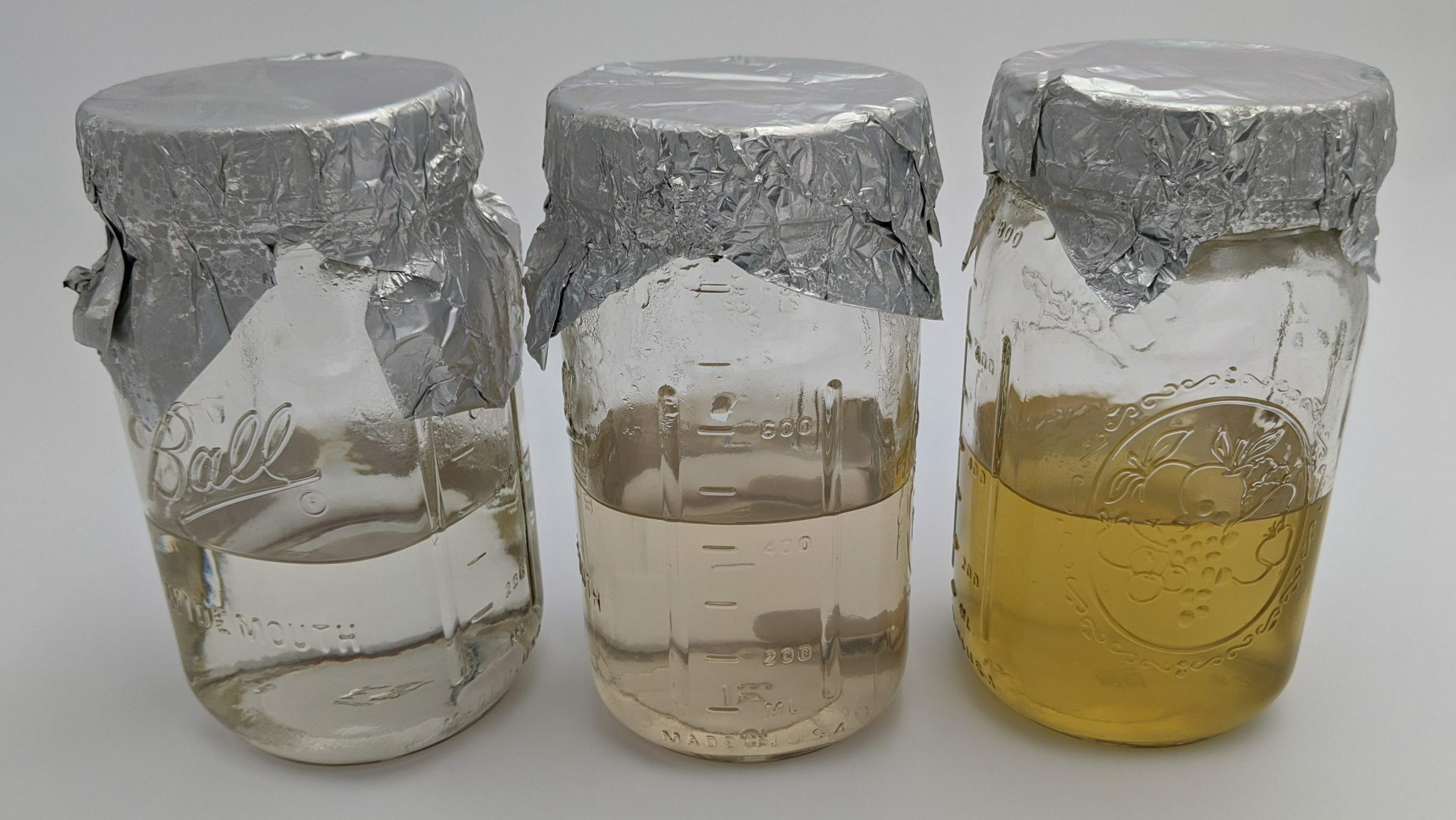
Inoculation is the process of introducing mushroom spores or mycelia into a liquid culture medium. This can be done through various methods, each with its own advantages and disadvantages. It's crucial to maintain sterile conditions throughout the inoculation process to prevent contamination.
Spore Inoculation
Spore inoculation involves using a spore syringe to inject a suspension of mushroom spores into the liquid culture medium. This method is relatively easy and inexpensive, but it can be challenging to obtain a pure culture, as spores may carry contaminants.
- Prepare a spore syringe by collecting spores from a mature mushroom.
- Sterilize the injection port of the liquid culture flask.
- Inject the spore suspension into the flask, avoiding any contact with the outside environment.
Mycelial Inoculation
Mycelial inoculation involves using a small piece of mycelium from a healthy mushroom or agar culture to inoculate the liquid culture medium. This method provides a higher chance of obtaining a pure culture, but it requires more preparation and can be more time-consuming.
- Obtain a healthy mushroom or agar culture.
- Using sterile tools, cut a small piece of mycelium from the mushroom or agar plate.
- Transfer the mycelium to the liquid culture flask and submerge it in the medium.
Incubation Conditions
Once the mushroom liquid culture has been inoculated, it needs to be incubated under specific conditions to promote growth. These conditions include temperature, humidity, and light.
The optimal temperature for mushroom liquid culture growth is between 75-80°F (24-27°C). Temperatures below 70°F (21°C) will slow down growth, while temperatures above 85°F (29°C) can kill the mycelium.
Humidity
Humidity is also important for mushroom liquid culture growth. The ideal humidity level is between 80-90%. This can be achieved by placing the culture in a sealed container or by using a humidifier.
Looking for a quick and easy way to make mushroom liquid culture? Check out our recipe here! Once you've got your mushroom liquid culture going, you can use it to inoculate your mushroom substrate and start growing your own mushrooms.
And if you're looking for a delicious pecan pie recipe, we've got you covered there too. Check out this Pecan Pie Recipe Paula Deen for a sweet and satisfying treat. Back to our mushroom liquid culture recipe, remember to sterilize all of your equipment before you start, and work in a clean environment to prevent contamination.
Light
Mushroom liquid culture does not require light to grow. However, it is important to keep the culture in a dark place to prevent contamination.
Sterility
It is important to maintain sterile conditions during incubation to prevent contamination. This can be done by using sterile equipment and by working in a clean environment.
Creating a Suitable Incubation Environment
There are a few ways to create a suitable incubation environment for mushroom liquid culture. One way is to use a temperature-controlled incubator. Another way is to use a heat mat or seedling heat mat. You can also use a combination of these methods.
If you are using a temperature-controlled incubator, set the temperature to 75-80°F (24-27°C). If you are using a heat mat or seedling heat mat, place it under the culture container. Cover the culture container with a lid or plastic wrap to maintain humidity.
Once the incubation environment is set up, place the culture in the incubator or on the heat mat. Incubate the culture for 2-4 weeks, or until the mycelium has colonized the entire container.
Monitoring and Maintenance
Nurturing your mushroom liquid culture requires vigilant monitoring and proper maintenance. Here's how to keep an eye on its progress and ensure optimal growth.
Signs of Successful Growth
A healthy mushroom liquid culture will exhibit the following characteristics:
- Mycelium growth: Fine, white, cotton-like strands of mycelium should be visible within 1-2 weeks.
- Uniform distribution: Mycelium should spread evenly throughout the liquid, forming a dense network.
- Absence of contamination: No signs of mold, bacteria, or other contaminants should be present.
Monitoring for Contamination
Regularly inspect your culture for any signs of contamination:
- Color changes: Unusual discoloration, such as green, blue, or black, may indicate bacterial or mold growth.
- Bad odor: A foul or pungent smell can be a sign of bacterial contamination.
- Surface film: A thin, translucent film on the liquid's surface can be caused by yeast or bacteria.
Maintaining the Culture
To maintain optimal growth conditions:
- Agitation: Gently shake the culture daily to prevent clumping and ensure even distribution of nutrients.
- Temperature control: Keep the culture at the optimal temperature range for your specific mushroom species.
- Light exposure: Avoid exposing the culture to direct sunlight, as this can inhibit growth.
- Sterile conditions: Keep the culture area clean and free from contaminants.
Troubleshooting
Mushroom liquid culture cultivation is a delicate process, and issues can arise along the way. Identifying and resolving these problems promptly is crucial for successful cultivation. Let's delve into common challenges and explore solutions to maintain healthy and productive liquid cultures.
The first step in troubleshooting is to diagnose the issue accurately. Contamination is a prevalent concern in liquid culture, manifesting in various forms. Bacterial contamination often appears as cloudy or discolored liquid, while fungal contamination may present as mycelial growth on the surface or within the culture.
Prevention and Treatment of Contamination
To prevent contamination, sterile techniques are paramount. Always sterilize all equipment and materials used in the cultivation process. Use a laminar flow hood or a clean workspace to minimize airborne contaminants. Regular monitoring of cultures is also essential. If contamination is detected, immediate action should be taken to isolate and discard the affected culture to prevent its spread.
Antibiotics can be used to treat bacterial contamination in liquid cultures. Penicillin, streptomycin, and gentamicin are commonly employed antibiotics for this purpose. It's important to note that antibiotics should be used judiciously to avoid resistance development.
Other Common Problems
- Slow growth or no growth: This can be caused by insufficient nutrients, improper pH levels, or temperature fluctuations. Adjust the culture medium accordingly, ensuring optimal conditions for mushroom growth.
- Mycelial clumping: Over-agitation or insufficient nutrients can lead to mycelial clumping. Adjust the agitation speed and provide adequate nutrients to prevent this issue.
- Excessive foam formation: Excessive foam can interfere with oxygen exchange and inhibit growth. Use an anti-foaming agent or adjust the agitation speed to reduce foam production.
Harvesting and Storage
The time for harvesting mushroom liquid culture is typically 7-14 days after inoculation. It's important to observe the culture's growth and appearance. When the culture has become dense, with a thick mycelium network, it's ready to be harvested. To harvest, gently swirl the culture to evenly distribute the mycelium, then use a sterile syringe or pipette to extract the liquid.
Storage Methods
- Refrigeration: Store the harvested liquid culture in sterile glass jars or vials at 4°C (39°F) for up to 6 months.
- Freezing: For longer storage, freeze the liquid culture in cryovials at -80°C (-112°F) for up to a year.
Tips for Future Use
- Label the storage containers clearly with the culture name, date, and any relevant information.
- Thaw frozen liquid culture gradually in a refrigerator before using it.
- Use the liquid culture within a few days of thawing to maintain its viability.
Applications of Mushroom Liquid Culture
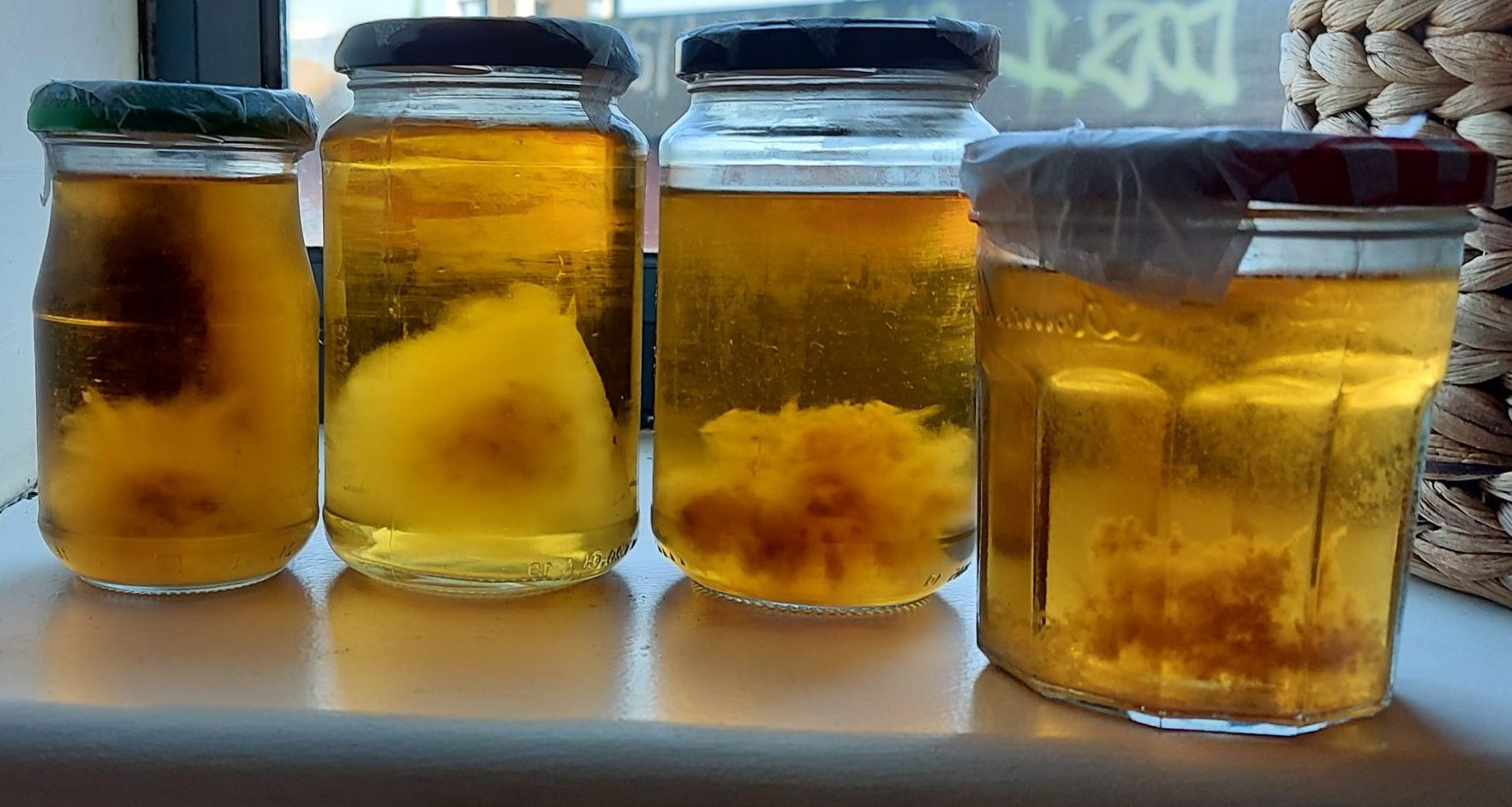
Mushroom liquid culture is a versatile tool that has numerous applications in mushroom cultivation. It can be used to propagate mushrooms, create spawn, and even produce fruiting bodies.
Propagation
Liquid culture is an effective way to propagate mushrooms. It allows growers to quickly and easily produce large quantities of mycelium, which can then be used to inoculate substrate and grow mushrooms. Liquid culture can also be used to store mycelium for long periods of time, making it a convenient way to maintain a mushroom strain.
Spawn Production
Liquid culture can be used to produce spawn, which is a mixture of mycelium and substrate that is used to inoculate mushroom beds. Spawn can be made by adding liquid culture to a sterile substrate, such as sterilized grain or sawdust. The mycelium will colonize the substrate and produce spawn that can be used to grow mushrooms.
Fruiting Body Production
Liquid culture can also be used to produce fruiting bodies. This is done by adding liquid culture to a sterile substrate and then providing the substrate with the appropriate environmental conditions for fruiting. Liquid culture can be used to produce fruiting bodies of a wide variety of mushroom species, including oyster mushrooms, shiitake mushrooms, and lion's mane mushrooms.
Safety Precautions
When working with mushroom liquid culture, safety precautions are of utmost importance to prevent potential risks associated with mushroom cultivation. Following proper protocols ensures a safe and successful experience.
Mushroom cultivation can pose certain risks, including exposure to:
- Spores: Mushroom spores, if inhaled, can cause respiratory irritation and allergic reactions in some individuals.
- Bacteria and molds: Contaminated substrates or cultures can harbor harmful bacteria and molds, leading to infections or allergic reactions.
- Chemicals: Some mushroom species produce toxic compounds that can be harmful if ingested or absorbed through the skin.
Minimizing Risks
To minimize these risks, follow these safety guidelines:
- Wear protective gear: Use gloves, a face mask, and eye protection when handling mushroom cultures or substrates.
- Maintain a clean work environment: Regularly disinfect work surfaces, equipment, and tools to prevent contamination.
- Avoid direct inhalation of spores: Work in a well-ventilated area or use a respirator when handling large amounts of spores.
- Handle toxic species with caution: If cultivating potentially toxic species, take extra precautions to avoid exposure and ingestion.
- Seek medical attention if needed: If you experience any adverse reactions or symptoms related to mushroom cultivation, consult a healthcare professional promptly.
Additional Resources
Expand your knowledge of mushroom liquid culture with these recommended books, websites, and forums.
Books
- Mushroom Liquid Culture: A Step-by-Step Guide by PJ van Wyk
- The Mushroom Cultivator: A Practical Guide to Growing Mushrooms at Home by Paul Stamets
- Mycelium Running: How Mushrooms Can Help Save the World by Paul Stamets
Websites
Forums and Discussion Groups
Experts, Mushroom Liquid Culture Recipe
- Paul Stamets: Mycologist and author of several books on mushroom cultivation
- PJ van Wyk: Mycologist and author of Mushroom Liquid Culture: A Step-by-Step Guide
- Frank Hyman: Mycologist and founder of the Fungi Perfecti mushroom farm
Final Wrap-Up
With a thorough understanding of mushroom liquid culture, you can unlock the potential for successful mushroom cultivation. Whether you're an experienced grower or just starting your journey, this guide provides the essential knowledge and techniques to help you propagate mushrooms efficiently and effectively. Embrace the versatility of liquid culture and witness the bountiful harvests it brings.