No pectin blueberry jam recipe – Indulge in the delightful simplicity of our no-pectin blueberry jam recipe, where the vibrant flavors of fresh blueberries take center stage. This easy-to-follow guide will lead you through the steps of creating a homemade jam that is bursting with flavor and free from artificial thickeners.
Prepare to embark on a culinary journey that will tantalize your taste buds and leave you craving more of this delectable treat.
Introduction
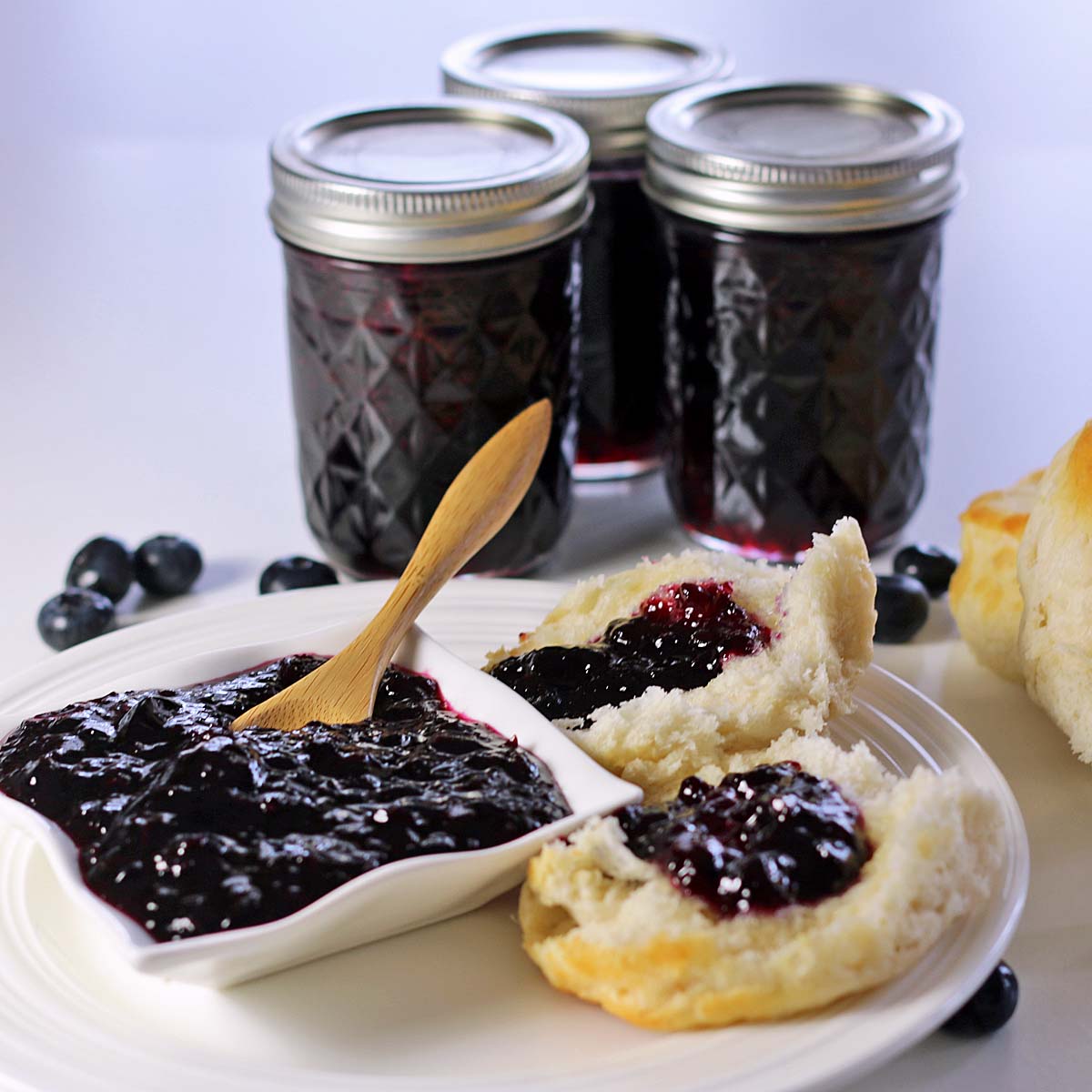
Blueberry jam is a delicious and versatile condiment that can be used on toast, pancakes, waffles, or even ice cream. However, traditional blueberry jam recipes often require pectin, which can be expensive and difficult to find. This recipe for no-pectin blueberry jam is just as delicious as traditional jam, but it is much easier to make.
Benefits of No-Pectin Jam
There are several benefits to using no-pectin in jam-making. First, no-pectin jam is much easier to make than traditional jam. Pectin is a natural thickener that helps jam to set, but it can be difficult to find and expensive. No-pectin jam does not require any pectin, so it is much easier to make.Second,
no-pectin jam has a more natural flavor than traditional jam. Pectin can add a slightly artificial flavor to jam, but no-pectin jam has a more natural, fruity flavor.Third, no-pectin jam is lower in sugar than traditional jam. Pectin is a sugar-based thickener, so traditional jam often contains a lot of sugar.
No-pectin jam does not require any pectin, so it is lower in sugar.
Ingredients: No Pectin Blueberry Jam Recipe
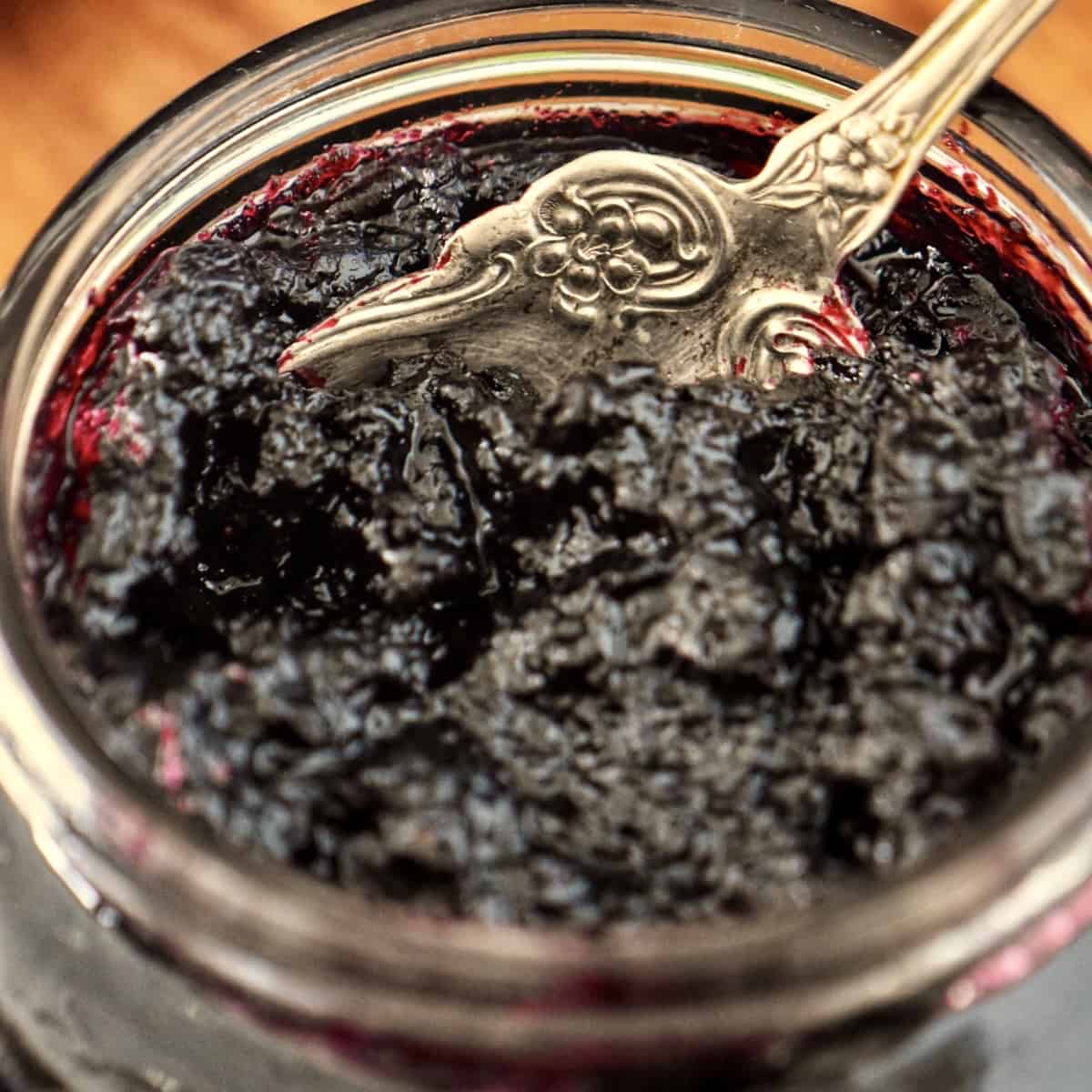
To make this delicious no-pectin blueberry jam, you will need the following ingredients:
- 4 cups (500g) fresh or frozen blueberries
- 1 cup (200g) granulated sugar
- 1/4 cup (60ml) lemon juice
You can substitute granulated sugar with other sweeteners, such as honey or maple syrup, if desired. However, the amount may need to be adjusted depending on the sweetness of the sweetener used.
Alternative Ingredients
If you don’t have fresh or frozen blueberries, you can use dried blueberries instead. However, you will need to rehydrate them before using them in the jam. To do this, place the dried blueberries in a bowl and cover them with hot water.
Let them soak for 15 minutes, or until they are softened. Drain the blueberries and pat them dry before using them in the jam.
Equipment

Making no-pectin blueberry jam requires a few essential pieces of equipment to ensure a successful and efficient process. Each piece of equipment plays a specific role in the jam-making process.
Here’s a list of the necessary equipment and their purposes:
Large Pot or Dutch Oven
- Used for cooking the blueberries and sugar to create the jam.
- A large pot or Dutch oven with a wide base allows for even heat distribution and prevents the jam from burning.
Immersion Blender
- Used to blend the cooked blueberries into a smooth consistency.
- An immersion blender provides more control over the blending process compared to a traditional blender, allowing you to achieve the desired texture.
- If an immersion blender is not available, a regular blender can be used in batches.
Wooden Spoon or Heat-Resistant Spatula
- Used for stirring the jam while it cooks to prevent scorching and ensure even cooking.
- A wooden spoon or heat-resistant spatula is preferred over metal utensils to avoid scratching the pot or reacting with the acidic jam.
Glass Jars or Containers
- Used for storing the finished jam.
- Glass jars or containers are ideal for preserving the jam due to their airtight seals and resistance to heat.
Storing the Jam
Once your blueberry jam is made, it’s important to store it properly to maintain its quality and prevent spoilage. Here are the key considerations for storing blueberry jam:
Containers
The best containers for storing blueberry jam are glass jars with airtight lids. Glass is non-reactive, meaning it won’t leach chemicals into the jam, and airtight lids prevent oxygen from entering, which can cause the jam to spoil.
Experimenting with the no pectin blueberry jam recipe, I couldn’t help but wonder about the leftover shrimp cocktail recipes that had been lingering in my fridge. The tangy flavors of the jam and the zesty shrimp cocktail would create an intriguing fusion of sweet and savory.
If you’re looking for inspiration for leftover shrimp cocktail, check out the creative ideas at leftover shrimp cocktail recipes . Returning to the blueberry jam, the no pectin method allows for a more rustic texture, perfect for slathering on toast or adding to a yogurt parfait.
Process
To properly store the jam, follow these steps:
- Fill the jars:Fill the jars with hot jam, leaving about 1/2 inch of headspace at the top.
- Wipe the rims:Wipe the rims of the jars with a clean, damp cloth to remove any jam residue.
- Seal the jars:Place the lids on the jars and tighten the rings securely.
- Process the jars:Process the jars in a boiling water bath for 10 minutes (for half-pint jars) or 15 minutes (for pint jars).
Shelf Life, No pectin blueberry jam recipe
Properly sealed and processed blueberry jam has a shelf life of up to one year when stored in a cool, dark place. Once opened, the jam should be refrigerated and consumed within two weeks.
Tips for Troubleshooting

Making blueberry jam is a relatively straightforward process, but there are a few common problems that can occur. Here are some tips for troubleshooting:
If your jam is too runny, it may not have cooked long enough. Bring the jam back to a boil and cook for an additional 5-10 minutes, or until it has thickened to your desired consistency.
Too Thick
If your jam is too thick, you can add a little bit of water to thin it out. Start by adding 1/4 cup of water and stirring until the jam is the desired consistency. If necessary, you can add more water 1/4 cup at a time until the jam is the desired consistency.
Not Setting
If your jam is not setting, it may be because the pectin content of the blueberries is too low. You can add some commercial pectin to the jam to help it set. Follow the directions on the pectin package for how much to add.
Crystallization
If your jam crystallizes, it means that the sugar has crystallized out of solution. This can happen if the jam is overcooked or if it is stored in a cool place. To prevent crystallization, make sure to cook the jam until it has thickened to the desired consistency and store it in a cool, dark place.
Mold
If your jam develops mold, it means that the jam has been contaminated with bacteria. Discard the jam immediately and do not eat it.
Variations
The basic no-pectin blueberry jam recipe can be easily customized to create different flavors and textures. Here are some ideas for variations:
Flavor Variations
- Add other berries:Mix blueberries with raspberries, blackberries, or strawberries for a more complex flavor.
- Add citrus:Add lemon or orange zest or juice for a brighter flavor.
- Add spices:Cinnamon, nutmeg, or ginger can add warmth and depth of flavor.
- Add vanilla:A splash of vanilla extract can enhance the sweetness of the jam.
- Add sweetener:If desired, add a bit of honey, maple syrup, or sugar to taste.
Texture Variations
- For a thicker jam:Cook the jam for a longer period of time until it reaches the desired consistency.
- For a smoother jam:Puree the blueberries before cooking to remove the skins.
- For a chunkier jam:Use larger pieces of blueberries and cook for a shorter period of time.
- For a seedless jam:Strain the cooked jam through a fine-mesh sieve to remove the seeds.
Final Conclusion
As you savor the sweet and tangy notes of your homemade no-pectin blueberry jam, let the satisfaction of creating a culinary masterpiece fill you with joy. This versatile jam can elevate any breakfast, brunch, or dessert, adding a touch of homemade goodness to every bite.
Experiment with different flavor combinations and variations to create your own unique jam that reflects your personal taste preferences.
May this recipe inspire you to explore the world of homemade preserves and create memories that will last a lifetime.