Embark on a delectable journey with our old fashioned chili sauce recipe, a culinary treasure that has tantalized taste buds for generations. From its humble origins to its diverse regional variations, this beloved condiment holds a special place in the hearts of food enthusiasts.
Prepare to unravel the secrets of this timeless sauce as we delve into its key ingredients, explore its distinct flavor profile, and discover its versatile culinary applications. Whether you're a seasoned chef or a home cook seeking to add a touch of nostalgia to your meals, this guide will empower you to create a chili sauce that will leave a lasting impression.
Historic Context: Old Fashioned Chili Sauce Recipe

Old fashioned chili sauce, a culinary relic of the past, has a rich and storied history. Its origins can be traced back to the 18th century, when tomatoes were first introduced to the United States. Early versions of the sauce were likely made with tomatoes, vinegar, sugar, and spices, and were used as a condiment for meat and fish dishes.
Over time, the recipe for chili sauce evolved and became more standardized. In the 19th century, commercial production of chili sauce began, and by the early 20th century, it had become a staple in American kitchens. Regional variations of the sauce emerged, with different areas of the country developing their own unique flavor profiles.
Cultural Significance
Chili sauce played a significant role in American culture. It was a popular condiment for everyday meals, and it was also used as an ingredient in other dishes, such as chili and barbecue sauce. The sauce was also a symbol of American ingenuity and resourcefulness, as it was a way to preserve tomatoes and other produce during the summer months.
Ingredients and Preparation
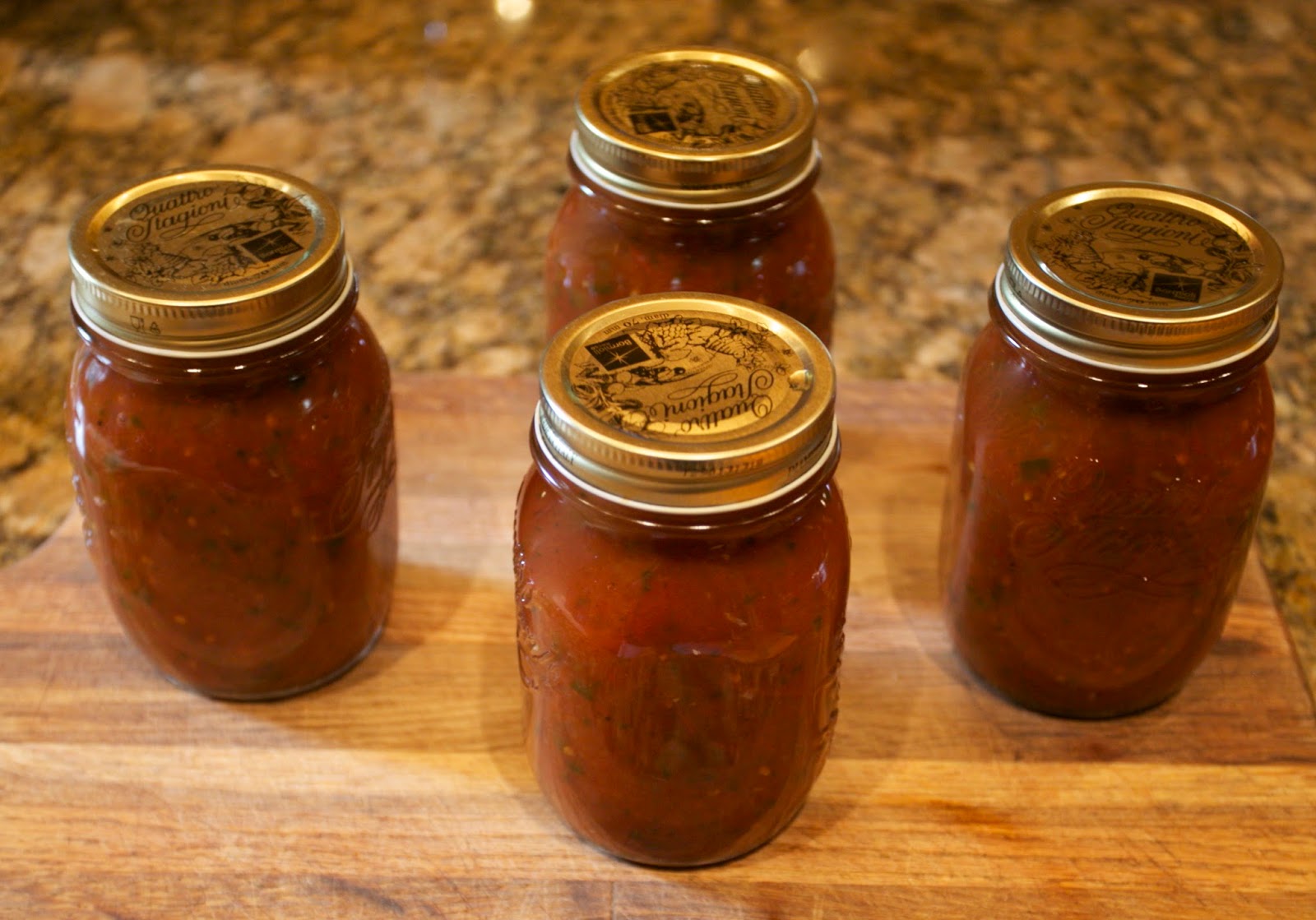
Preparing an old fashioned chili sauce involves selecting the right ingredients and following specific cooking techniques. The result is a flavorful and versatile condiment that complements various dishes.
Key Ingredients
- Tomatoes:Ripe, juicy tomatoes provide the base for the sauce, contributing sweetness and acidity.
- Onions:Yellow or white onions add depth of flavor and a subtle sweetness.
- Bell peppers:Green or red bell peppers bring a touch of color and mild heat.
- Chili peppers:Cayenne, jalapeño, or serrano peppers provide the desired level of spiciness.
- Vinegar:White or apple cider vinegar adds acidity and preserves the sauce.
- Sugar:Granulated sugar balances the acidity and adds a hint of sweetness.
- Spices:Ground cumin, coriander, and paprika enhance the flavor profile.
Step-by-Step Preparation, Old fashioned chili sauce recipe
- Prepare the vegetables:Chop the tomatoes, onions, and bell peppers into small pieces. Mince the chili peppers.
- Sauté the vegetables:In a large saucepan, sauté the onions in oil until translucent. Add the bell peppers and cook until softened.
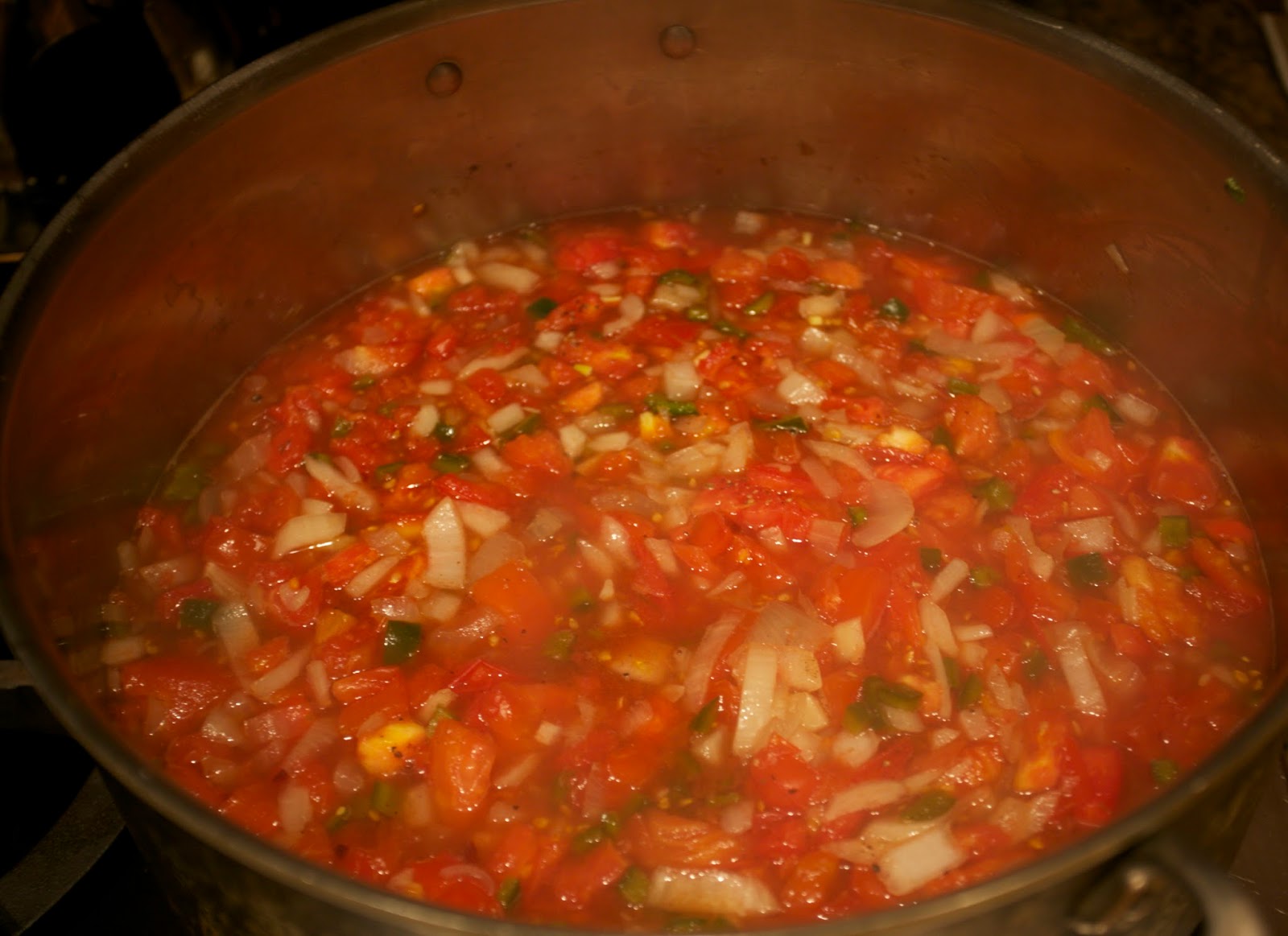
- Add the tomatoes and chili peppers:Stir in the tomatoes and chili peppers. Bring to a boil, then reduce heat and simmer for about 30 minutes, or until the tomatoes have broken down.
- Add the vinegar, sugar, and spices:Stir in the vinegar, sugar, cumin, coriander, and paprika. Bring to a boil, then reduce heat and simmer for an additional 15-20 minutes, or until the sauce has thickened.
- Adjust the consistency:If desired, use an immersion blender or a regular blender to puree the sauce to a smoother consistency.
Variations and Modifications
The basic chili sauce recipe can be modified to suit individual preferences or dietary restrictions.
- Spice level:Adjust the amount of chili peppers used to achieve the desired level of spiciness.
- Sweetness:Add more sugar to increase the sweetness or reduce it for a more savory sauce.
- Additional ingredients:Experiment with adding other ingredients such as garlic, ginger, or corn to enhance the flavor.
Flavor Profile and Culinary Applications

Old fashioned chili sauce boasts a unique and complex flavor profile that sets it apart from modern commercial varieties. Its distinct notes and nuances result from the careful balance of sweet, sour, spicy, and umami flavors.
Flavor Characteristics
- Sweetness:Ripe tomatoes, brown sugar, and molasses contribute a natural sweetness to the sauce.
- Sourness:Vinegar provides a tangy acidity that balances the sweetness and adds a refreshing contrast.
- Spiciness:Chili peppers, ranging from mild to hot, add a customizable level of heat that lingers pleasantly on the palate.
- Umami:Onions, garlic, and Worcestershire sauce impart a savory depth that rounds out the flavor profile.
Culinary Applications
Old fashioned chili sauce is a versatile condiment that can elevate a wide range of dishes and cuisines. Its robust flavor complements savory and sweet foods alike.
Pairings and Uses
- Meat Dishes:Pair with grilled meats, burgers, and hot dogs for a flavorful kick.
- Seafood:Use as a dipping sauce for fried or grilled fish, or add it to seafood stews and soups.
- Vegetables:Enhance the taste of roasted vegetables or add it to vegetable stir-fries for a spicy touch.
- Sandwiches and Wraps:Spread on sandwiches, wraps, or tacos for a tangy and spicy addition.
- Marinades:Use as a marinade for chicken, pork, or beef to infuse them with a savory and slightly sweet flavor.
- Condiments:Serve alongside grilled cheese sandwiches, chips and dip, or as a flavorful addition to charcuterie boards.
Preservation and Storage

To ensure the longevity and quality of old fashioned chili sauce, various traditional preservation methods have been employed over time. These techniques safeguard the sauce's flavor and prevent spoilage, allowing it to be enjoyed for an extended period.
One widely adopted method is canning, a process that involves heating the sauce to a high temperature and sealing it in sterilized jars. This process eliminates harmful microorganisms and creates a vacuum within the jars, inhibiting the growth of bacteria and mold.
Properly canned chili sauce can be stored at room temperature for up to a year, making it convenient for long-term storage.
Another effective preservation method is freezing. By rapidly freezing the sauce and maintaining it at a temperature below 0°F (-18°C), the growth of microorganisms is halted, preserving the sauce's freshness and flavor. Frozen chili sauce can be stored for several months, providing a convenient option for those who prefer to have a supply on hand for immediate use.
Optimal Storage Conditions
To maintain the quality and prevent spoilage of old fashioned chili sauce, optimal storage conditions are crucial. After opening, refrigeration is essential to prolong its shelf life. Store the sauce in an airtight container to prevent contamination and oxidation, which can degrade its flavor and texture.
Under refrigeration, the sauce can typically be kept for up to two weeks.
When storing canned chili sauce, it is important to inspect the jars regularly for any signs of spoilage, such as bulging lids, leaks, or discoloration. If any irregularities are detected, the sauce should be discarded to avoid consuming spoiled food.
Identifying and Avoiding Spoilage
Recognizing the signs of spoilage in old fashioned chili sauce is essential to ensure food safety and prevent illness. Some common indicators include:
- Mold growth on the surface of the sauce
- Unpleasant or sour odor
- Discoloration or darkening of the sauce
- Bulging or leaking lids on canned sauce
If any of these signs are present, the sauce should be discarded immediately. Consuming spoiled food can lead to foodborne illnesses, causing symptoms such as nausea, vomiting, and diarrhea.
To avoid spoilage, it is important to practice proper hygiene when handling and storing chili sauce. Always use clean utensils and avoid cross-contamination with other foods. Store the sauce in a cool, dry place and refrigerate after opening to minimize the risk of spoilage.
Ending Remarks
As we bid farewell to this culinary adventure, let us savor the rich legacy of old fashioned chili sauce. Its enduring popularity is a testament to its timeless appeal, and we hope that our exploration has inspired you to embrace the flavors of the past.
Whether you choose to preserve this sauce for future enjoyment or share it with loved ones, may it bring you countless moments of culinary delight.


