Embark on a culinary adventure with our authentic Oxtail Recipe Puerto Rican. This traditional dish tantalizes taste buds with its blend of fresh ingredients, aromatic spices, and masterful cooking techniques, promising an unforgettable dining experience.
Discover the secrets of creating a tender and flavorful oxtail dish, from selecting the finest cuts of meat to mastering the art of braising or stewing. Immerse yourself in the vibrant flavors of Puerto Rican cuisine, where sofrito reigns supreme and heat and aromatics dance in perfect harmony.
Authentic Puerto Rican Oxtail Recipe
Puerto Rican oxtail is a traditional dish that showcases the flavors of the island’s cuisine. This hearty and flavorful dish is typically made with fresh oxtails, a variety of vegetables, and a blend of herbs and spices. The slow-cooking process allows the flavors to meld and create a rich and satisfying dish.
Ingredients
- 2 pounds oxtails, cut into 2-inch pieces
- 2 tablespoons olive oil
- 1 large onion, chopped
- 2 green bell peppers, chopped
- 2 red bell peppers, chopped
- 4 cloves garlic, minced
- 1 (28-ounce) can diced tomatoes
- 1 (15-ounce) can tomato sauce
- 1 (12-ounce) can tomato paste
- 1 cup beef broth
- 1 tablespoon Worcestershire sauce
- 1 teaspoon dried oregano
- 1 teaspoon dried thyme
- 1 bay leaf
- Salt and black pepper to taste
Instructions
- In a large pot or Dutch oven, heat the olive oil over medium heat. Brown the oxtails on all sides.
- Add the onion, bell peppers, and garlic to the pot and cook until softened, about 5 minutes.
- Stir in the diced tomatoes, tomato sauce, tomato paste, beef broth, Worcestershire sauce, oregano, thyme, bay leaf, salt, and black pepper. Bring to a boil, then reduce heat and simmer for 2 hours, or until the oxtails are tender.
- Serve over rice or mashed potatoes.
Variations
- Add 1 cup of red wine to the pot along with the other ingredients.
- Use beef broth instead of water.
- Add 1 cup of chopped carrots or celery to the pot.
- Serve the oxtails with a side of mofongo or tostones.
Flavorful Ingredients and Seasonings
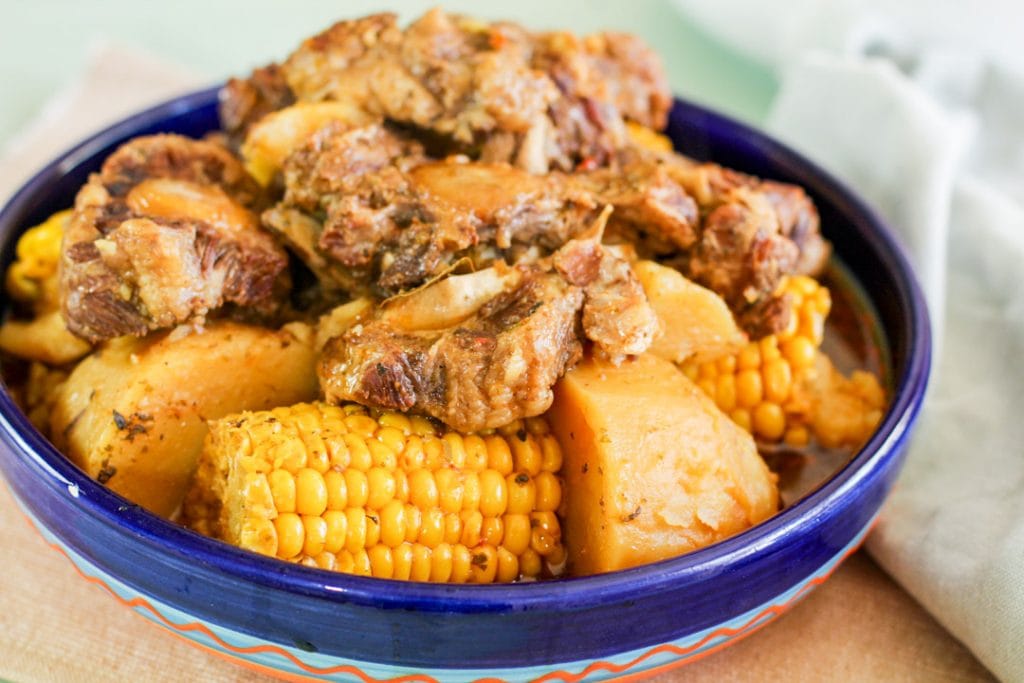
Puerto Rican oxtail dishes are renowned for their vibrant and complex flavor profiles, achieved through a harmonious blend of spices, herbs, and aromatics. These ingredients not only enhance the natural richness of the oxtail but also create a captivating culinary experience.
The hearty flavors of Puerto Rican oxtail stew pair well with the warm, crumbly texture of cornbread. While traditional cornbread recipes often call for milk, this no milk cornbread recipe offers a dairy-free alternative that still delivers a delicious complement to the savory oxtail dish.
The cornbread’s simple ingredients and quick preparation make it an ideal side for any occasion.
One of the most essential elements in Puerto Rican oxtail seasoning is sofrito, a flavorful base made from a combination of onions, garlic, bell peppers, and cilantro. Sofrito provides a foundation of savory and aromatic notes that permeate throughout the dish.
It is often sautéed in olive oil or lard to release its full potential.
Puerto Rican oxtail recipe is a flavorful and hearty dish that can be enjoyed by people of all ages. If you’re looking for a sweet treat to pair with your oxtail, try our maple cream candy recipe . This classic candy is made with just a few simple ingredients and can be easily customized to your taste.
Once you’ve tried our maple cream candy, you’ll be sure to come back for more.
Spices and Herbs
- Adobo:A staple in Puerto Rican cooking, adobo is a dry rub consisting of salt, garlic powder, onion powder, oregano, and black pepper. It adds a savory and earthy flavor to the oxtail.
- Cumin:This warm and slightly nutty spice brings a distinct aroma and depth of flavor to the dish.
- Oregano:A fragrant herb that imparts a slightly bitter and minty note, balancing the richness of the oxtail.
- Bay leaves:These aromatic leaves add a subtle sweetness and a hint of spice to the stew.
Heat and Aromatics
Puerto Rican oxtail dishes typically strike a balance between heat and aromatics. While the dish is not inherently spicy, it often incorporates ingredients that add a subtle warmth, such as jalapeño peppers or cayenne pepper. These peppers provide a slight kick without overpowering the other flavors.
Oxtail recipe Puerto Rican is a delicious and flavorful dish that is perfect for a special occasion. If you are looking for a healthy and delicious way to dress your oxtail recipe Puerto Rican, be sure to check out this low fodmap dressing recipe . This dressing is made with simple, wholesome ingredients and is sure to add a delicious flavor to your oxtail recipe Puerto Rican.
Aromatics, such as onions, garlic, and bell peppers, play a crucial role in creating a fragrant and inviting dish. Their sweetness and pungency complement the spices and herbs, resulting in a well-rounded flavor profile.
Cooking Techniques and Preparation
To achieve the most flavorful and tender oxtail, the cooking method is crucial. Oxtail can be cooked using various techniques, each offering distinct advantages.
Braising
Braising is a slow-cooking method that involves browning the oxtail in a pan and then simmering it in a flavorful liquid, such as broth or wine, in a covered pot or Dutch oven. This method allows the meat to become tender while absorbing the rich flavors of the liquid.
Braising typically takes several hours, resulting in fall-off-the-bone meat.
Stewing, Oxtail recipe puerto rican
Stewing is similar to braising but involves cooking the oxtail in a larger amount of liquid, completely submerging it. The liquid is typically a combination of broth, vegetables, and herbs. Stewing is a gentler cooking method that takes even longer than braising, but it produces exceptionally tender and flavorful meat.
Pressure Cooking
Pressure cooking is a faster alternative to braising and stewing. It involves cooking the oxtail in a sealed pressure cooker, which traps steam and increases the pressure inside the pot. This high pressure allows the meat to cook more quickly while retaining its moisture and tenderness.
Pressure cooking typically takes about an hour or less.
Preparation
Before cooking the oxtail, it is essential to prepare it properly.
- Cleaning:Remove any excess fat or connective tissue from the oxtail pieces.
- Cutting:Cut the oxtail into smaller pieces, about 2-3 inches in length.
- Marinating:Marinate the oxtail pieces in a flavorful marinade for at least several hours or overnight. This helps enhance the flavor and tenderness of the meat.
Achieving Tenderness
To achieve the most tender oxtail, consider the following tips:
- Use a slow-cooking method, such as braising or stewing, to allow the meat to break down and become tender.
- Cook the oxtail until it falls off the bone easily.
- Avoid overcooking, as this can result in tough meat.
Accompaniments and Side Dishes

Puerto Rican oxtail is traditionally served with a variety of side dishes that enhance its flavors and textures. These accompaniments not only complement the oxtail but also add cultural significance to the dish.
One of the most popular side dishes for oxtail is rice. The starchy texture of the rice absorbs the rich sauce from the oxtail, creating a flavorful and satisfying combination. Rice can be prepared in various ways, including white rice, brown rice, or yellow rice.
Beans
Beans are another common accompaniment to oxtail. The creamy texture of the beans provides a contrast to the tender oxtail meat. Beans can be prepared in a variety of ways, including black beans, kidney beans, or pinto beans.
Plantains
Plantains are a versatile side dish that can be prepared in various ways. They can be fried, boiled, or mashed, each method offering a unique texture and flavor. Plantains add a sweet and savory element to the oxtail dish.
Ultimate Conclusion: Oxtail Recipe Puerto Rican
As you savor the succulent oxtail, accompanied by traditional side dishes, you’ll not only indulge in a delectable meal but also connect with the rich culinary heritage of Puerto Rico. Let this recipe guide you on a journey of taste and tradition, leaving you with memories that will linger long after the last bite.