Embark on a culinary adventure with our exploration of Persian recipes with chicken, a delectable fusion of aromatic spices, succulent meats, and ancient traditions. From classic dishes like Zereshk Polo ba Morgh to modern interpretations infused with international influences, this guide unveils the secrets of Persian cuisine, offering a tantalizing glimpse into its rich history and cultural significance.
In this comprehensive guide, we delve into the art of selecting the finest chicken cuts, mastering the delicate balance of spices, and exploring the various cooking methods that bring Persian chicken dishes to life. Along the way, we uncover the cultural significance of chicken in Persian cuisine, its role in festivals and celebrations, and its symbolism in art and literature.
Introduction to Persian Cuisine and Chicken
Persian cuisine, with its vibrant flavors and aromatic spices, has captivated taste buds for centuries. Chicken, a versatile and beloved ingredient, holds a special place in Persian cooking, featuring prominently in a diverse array of dishes.From the succulent Zereshk Polo ba Morgh to the hearty Fesenjan, Persian chicken dishes showcase a harmonious blend of sweet, sour, and savory flavors.
The rich history of Persian cuisine, influenced by various cultures, has resulted in a culinary tapestry that continues to inspire and delight.
Persian Chicken Recipes
Persian cuisine is renowned for its exquisite use of herbs, spices, and fresh ingredients, creating aromatic and flavorful dishes. Chicken is a versatile ingredient commonly used in Persian cooking, offering a canvas for a wide range of culinary creations. This section presents a collection of classic and contemporary Persian chicken recipes, each showcasing the unique flavors and techniques of this rich culinary tradition.
Zereshk Polo ba Morgh (Barberry Rice with Chicken)
- Ingredients:
- 1 whole chicken (about 3 pounds)
- 1 cup basmati rice
- 1/2 cup dried barberries
- 1/2 cup chopped pistachios
- 1/4 cup chopped almonds
- 1/4 cup chopped fresh parsley
- 1/4 cup chopped fresh cilantro
- 1/2 teaspoon saffron powder
- 1/4 teaspoon ground cinnamon
- 1/4 teaspoon ground cardamom
- 1/4 teaspoon turmeric
- Salt and pepper to taste
- 1/4 cup vegetable oil
- Cooking Instructions:
- Season the chicken with salt and pepper. In a large pot, heat the oil over medium heat and brown the chicken on all sides.
- Remove the chicken from the pot and set aside. Add the rice to the pot and stir to coat in the oil.
- Add 2 cups of water, the saffron, cinnamon, cardamom, and turmeric. Bring to a boil, then reduce heat to low, cover, and simmer for 15 minutes.
- Add the chicken back to the pot and cook for an additional 30 minutes, or until the rice is cooked through and the chicken is tender.
- While the rice is cooking, soak the barberries in warm water for 10 minutes. Drain and set aside.
- Once the rice is cooked, fluff it with a fork and transfer it to a serving dish.
- Top the rice with the chicken, barberries, pistachios, almonds, parsley, and cilantro.
Tips and Variations:
- For a more flavorful dish, marinate the chicken in a mixture of yogurt, lemon juice, and spices overnight before cooking.
- Add other dried fruits, such as raisins or apricots, to the rice for a sweeter flavor.
- Garnish the dish with additional herbs, such as mint or dill, for a fresh and aromatic touch.
Modern Interpretations of Persian Chicken Recipes
Modern interpretations of Persian chicken recipes blend traditional flavors with innovative techniques and ingredients. These variations showcase the adaptability of Persian cuisine while preserving its essence.
Sous Vide and Molecular Gastronomy
Sous vide, a technique involving cooking vacuum-sealed food in a temperature-controlled water bath, allows for precise temperature control and tender, flavorful chicken. Molecular gastronomy techniques, such as spherification and emulsification, add unique textures and presentations to dishes.
Fusion Cuisine
Fusion cuisine combines elements from different culinary traditions. Persian chicken recipes can be infused with flavors and ingredients from other cuisines, such as Mediterranean, Indian, or Asian, creating innovative and flavorful dishes.
Modern Ingredients
Modern ingredients, such as quinoa, chia seeds, and avocado, add nutritional value and contemporary flavors to Persian chicken recipes. These ingredients can be incorporated into pilafs, stews, and salads, offering a fresh take on traditional dishes.
Table: Traditional vs. Modern Ingredients and Techniques
| Traditional Ingredient | Modern Ingredient | Traditional Technique | Modern Technique |
|---|---|---|---|
| Saffron | Turmeric | Stewing | Sous vide |
| Chicken stock | Vegetable stock | Braising | Molecular gastronomy |
| Basmati rice | Quinoa | Pilaf | Fusion cuisine |
These modern interpretations preserve the essence of Persian cuisine while introducing new flavors and techniques. They demonstrate the adaptability and versatility of Persian culinary traditions, ensuring their continued relevance in contemporary dining.
Tips for Cooking Perfect Persian Chicken

Achieving tender, flavorful Persian chicken requires mastering essential techniques. This guide provides insights into selecting the right cuts, marinating methods, and cooking techniques to elevate your Persian chicken dishes.
Selecting the Right Cuts of Chicken
For succulent and juicy chicken, choose bone-in, skin-on cuts with a moderate amount of fat. Whole chickens, chicken thighs, and drumsticks are excellent options. Avoid using boneless, skinless chicken breasts as they tend to dry out more quickly.
Marinating Methods
Marinating the chicken before cooking enhances flavor and tenderness. Use a combination of aromatic spices, herbs, and acidic ingredients such as lemon juice or yogurt. Marinate the chicken for at least 4 hours, or preferably overnight, to allow the flavors to penetrate deeply.
Cooking Techniques
Persian chicken dishes often involve a combination of cooking methods. Grilling or roasting is ideal for achieving a crispy exterior and tender interior. Alternatively, stewing or braising allows the chicken to simmer in flavorful liquids, resulting in a fall-off-the-bone texture.
Pairing Persian Chicken Recipes with Sides
Complementing Persian chicken dishes with suitable side dishes is an art form that elevates the overall dining experience. By carefully selecting accompaniments that balance flavors and textures, you can create a harmonious meal that showcases the best of Persian cuisine.
Traditional side dishes often feature rice, vegetables, and herbs, each contributing unique elements to the meal. Modern interpretations, while respecting the culinary heritage, introduce innovative twists and contemporary ingredients.
Traditional Side Dishes
- Chelo (Rice):Steamed basmati rice is a staple accompaniment, providing a neutral base for the flavorful chicken dishes.
- Sabzi Khordan (Herb Platter):A refreshing medley of fresh herbs, such as basil, mint, cilantro, and tarragon, adds aromatic complexity and a touch of freshness.
- Mast-o-Khiar (Yogurt-Cucumber Dip):A cooling and tangy dip made with yogurt, cucumber, and herbs, providing a contrast to the richness of the chicken.
- Torshi (Pickles):A variety of pickled vegetables, such as turnips, carrots, and cucumbers, offer a tangy and crunchy element to balance the meal.
Modern Side Dishes
- Jeweled Rice:A festive and colorful rice dish adorned with nuts, dried fruits, and saffron, adding a touch of elegance and sweetness.
- Shirazi Salad:A vibrant and refreshing salad made with diced tomatoes, cucumbers, onions, and herbs, providing a light and healthy accompaniment.
- Grilled Vegetables:Roasted or grilled vegetables, such as bell peppers, zucchini, and eggplant, add a smoky and savory element to the meal.
- Saffron-Infused Potatoes:Roasted potatoes infused with saffron and herbs, providing a flavorful and aromatic side dish.
Cultural Significance of Persian Chicken Recipes
Persian chicken recipes hold immense cultural significance, deeply embedded in the traditions and hospitality of the Persian people. These dishes embody the essence of Persian cuisine, reflecting centuries-old culinary practices and cultural influences.
In Persian culture, sharing food is a sacred act that strengthens bonds and fosters a sense of community. Chicken, being a versatile and flavorful ingredient, plays a central role in Persian hospitality, gracing tables during special occasions, family gatherings, and celebrations.
Historical Context
The origins of Persian chicken recipes can be traced back to ancient Persia, where poultry farming was a common practice. Over time, Persian cuisine was influenced by various culinary traditions, including Arab, Turkish, and Central Asian, resulting in a rich and diverse array of chicken dishes.
During the Safavid dynasty (1501-1736), Persian cuisine reached its zenith, and chicken dishes became a staple in royal banquets and feasts. Elaborate preparations, such as tahchin(a layered rice and chicken dish) and fesenjan(chicken in pomegranate sauce), showcased the culinary artistry of Persian chefs.
Chicken Kebabs in Persian Cuisine

Chicken kebabs are a beloved staple of Persian cuisine, showcasing the country's rich culinary heritage. From juicy and flavorful jujeh kebabs to savory koobideh kebabs and succulent barg kebabs, each type offers a unique taste experience.
Types of Chicken Kebabs
There are several types of chicken kebabs commonly enjoyed in Persia, each with its distinct characteristics:
- Jujeh Kebab:Boneless, skinless chicken thighs marinated in yogurt, saffron, lemon juice, and spices, then grilled on skewers.
- Koobideh Kebab:Ground chicken meat mixed with onion, spices, and herbs, formed into elongated patties and grilled on skewers.
- Barg Kebab:Thinly sliced chicken fillets marinated in onion juice, saffron, and spices, then grilled on skewers.
Recipes and Grilling Techniques
The key to perfect chicken kebabs lies in proper marinating and grilling techniques. Here are some guidelines:
- Marinating:Marinate chicken for at least 4 hours, preferably overnight, to allow the flavors to penetrate.
- Grilling Temperature:Grill over medium-high heat (375-400°F) to achieve a charred exterior and juicy interior.
- Cooking Methods:Chicken kebabs can be grilled on a charcoal grill, gas grill, or indoor grill pan.
Skewers and Accompaniments
The type of skewers used for chicken kebabs influences the cooking process. Metal skewers conduct heat more efficiently, resulting in faster cooking times, while wooden skewers need to be soaked in water before use to prevent burning.
Traditional accompaniments to chicken kebabs in Persia include:
- Tahdig:Crispy rice crust from the bottom of the pot
- Shirazi Salad:A refreshing salad made with tomatoes, cucumbers, onions, and herbs
- Mast-o-Khiar:A yogurt-cucumber dip
"Chicken kebabs are the epitome of Persian hospitality and culinary artistry. Their succulent flavors and aromatic spices transport us to the heart of our culinary heritage."- Najmieh Batmanglij, Persian cookbook author
A Family Gathering
In the heart of a bustling Persian household, the aroma of chicken kebabs fills the air as a family gathers for a joyous celebration. The kebabs, marinated in a fragrant blend of spices, sizzle on the grill, their golden-brown exterior promising a taste of home.
As the kebabs are served alongside fluffy rice, shirazi salad, and mast-o-khiar, the family bonds over laughter, stories, and the warmth of shared traditions.
Stuffed Chicken in Persian Cooking
In Persian cuisine, stuffing chicken is an art form, transforming ordinary poultry into an aromatic and flavorful feast. The art of stuffing chicken involves carefully selecting aromatic ingredients that complement the delicate flavor of the chicken, creating a harmonious balance of flavors and textures.
Persian stuffed chicken recipes vary widely, each region boasting its unique blend of herbs, spices, and fillings. One common variation is to stuff the chicken with a savory mixture of rice, herbs, and nuts. The rice provides a fluffy texture, while the herbs, such as parsley, cilantro, and dill, impart a vibrant freshness.
Almonds or walnuts add a nutty crunch, creating a delightful contrast to the tender chicken.
Variations of Stuffings
- Rice-based stuffing:This is the most common type of stuffing, made with cooked rice, herbs, spices, and sometimes nuts or dried fruits.
- Bread-based stuffing:This stuffing is made with bread crumbs, herbs, spices, and sometimes meat or vegetables.
- Vegetable-based stuffing:This stuffing is made with a variety of vegetables, such as onions, carrots, celery, and mushrooms.
Regional Variations of Persian Chicken Recipes
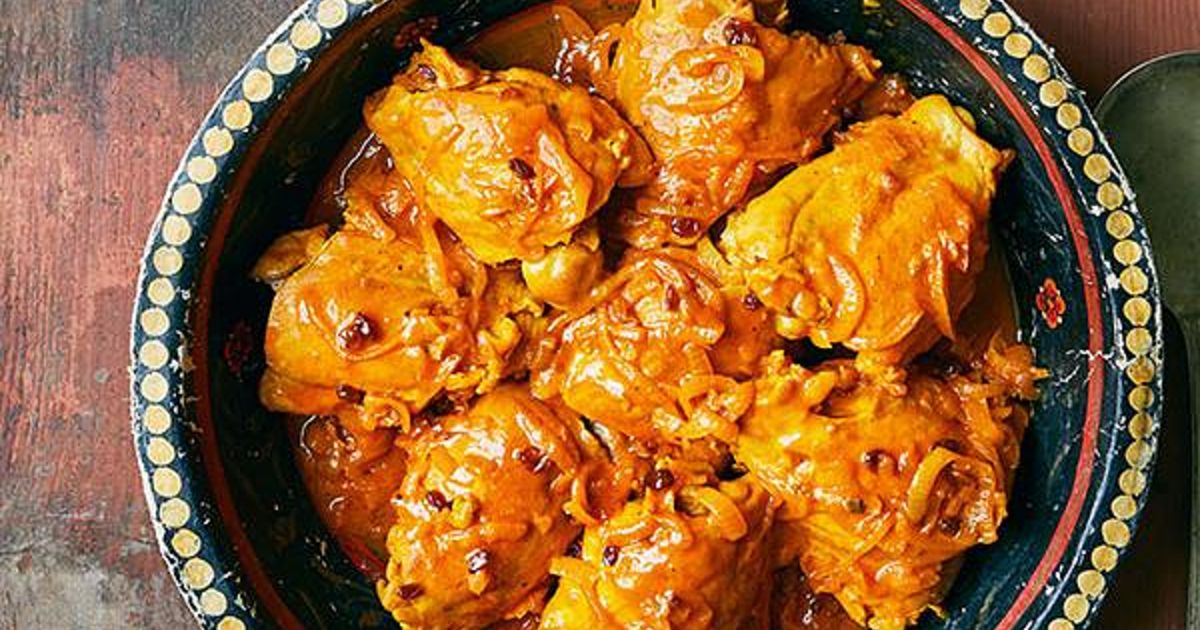
Persian cuisine is a diverse tapestry of flavors and textures, and chicken dishes hold a prominent place in this culinary landscape. Across the vast expanse of Iran, regional variations of chicken recipes have evolved, influenced by geography, local ingredients, and cultural traditions.
The table below summarizes some of the key regional variations of Persian chicken dishes:
| Region | Dish Name | Key Ingredients | Cooking Method |
|---|---|---|---|
| Gilan | Morgh-e Torsh | Chicken, walnuts, pomegranate paste, herbs | Stewed |
| Mazandaran | Nargesi | Chicken, eggs, saffron, onions | Fried |
| Isfahan | Biryani | Chicken, rice, vegetables, spices | Layered and baked |
| Kerman | Ghalieh Mahi | Chicken, fish, vegetables, spices | Stewed |
| Yazd | Ash-e Sholeh | Chicken, beans, vegetables, noodles | Stewed |
A map of Iran highlighting the different regions and their signature chicken dishes is provided below: