Embark on a culinary adventure with our Pizza Sauce From Tomato Paste Recipe, where the tangy essence of tomatoes intertwines with aromatic herbs to create a symphony of flavors that will tantalize your taste buds.
In this comprehensive guide, we’ll unveil the secrets of crafting a delectable pizza sauce using tomato paste, exploring its versatility and the endless possibilities it holds. Get ready to elevate your homemade pizzas to new heights of culinary excellence.
Pizza Sauce Base with Tomato Paste

Creating a delectable pizza sauce base using tomato paste is a culinary art form that can elevate your homemade pizzas to restaurant-quality standards. Tomato paste, a concentrated essence of tomatoes, serves as an exceptional base due to its intense flavor and versatility.
The process of crafting a flavorful pizza sauce base with tomato paste is straightforward and requires a few essential ingredients:
Essential Ingredients and Proportions
- Tomato paste: 6 ounces (1/2 cup)
- Olive oil: 2 tablespoons
- Onion, finely chopped: 1/2 cup
- Garlic, minced: 2 cloves
- Dried oregano: 1 teaspoon
- Dried basil: 1/2 teaspoon
- Salt and pepper: to taste
Flavor Variations for Pizza Sauce

The basic pizza sauce made with tomato paste provides a versatile foundation for customization. By incorporating various ingredients and seasonings, you can create a wide range of flavor profiles that complement different pizza toppings and preferences.
Herb and Spice Variations
- Italian Herbs: A blend of oregano, basil, thyme, and rosemary adds a classic Italian flavor to the sauce. Use 1 teaspoon of each herb for a balanced taste.
- Spicy Arrabbiata: Red pepper flakes or crushed red peppers bring a fiery kick to the sauce. Start with 1/4 teaspoon and adjust to your desired heat level.
- Garlicky Goodness: Minced garlic is an essential flavor enhancer in many dishes, including pizza sauce. Add 2-3 cloves of minced garlic for a savory and aromatic sauce.
Vegetable Additions
- Roasted Red Peppers: Puréed roasted red peppers add a sweet and smoky flavor to the sauce. Use 1/2 cup of puréed peppers for a noticeable impact.
- Sautéed Mushrooms: Finely chopped and sautéed mushrooms bring a umami depth to the sauce. Use 1 cup of mushrooms for a rich and earthy flavor.
- Caramelized Onions: Sweet and slightly tangy caramelized onions add a unique dimension to the sauce. Use 1/2 cup of caramelized onions for a subtle sweetness.
Cheese and Meat Variations
- Parmesan Cheese: Grated Parmesan cheese adds a salty and nutty flavor to the sauce. Use 1/4 cup of grated Parmesan for a subtle enhancement.
- Bacon Bits: Crispy bacon bits add a smoky and savory crunch to the sauce. Use 1/2 cup of bacon bits for a satisfying addition.
- Sausage Crumbles: Ground sausage, browned and crumbled, brings a meaty and flavorful dimension to the sauce. Use 1/2 pound of sausage for a hearty and satisfying sauce.
Pizza Sauce Consistency and Texture
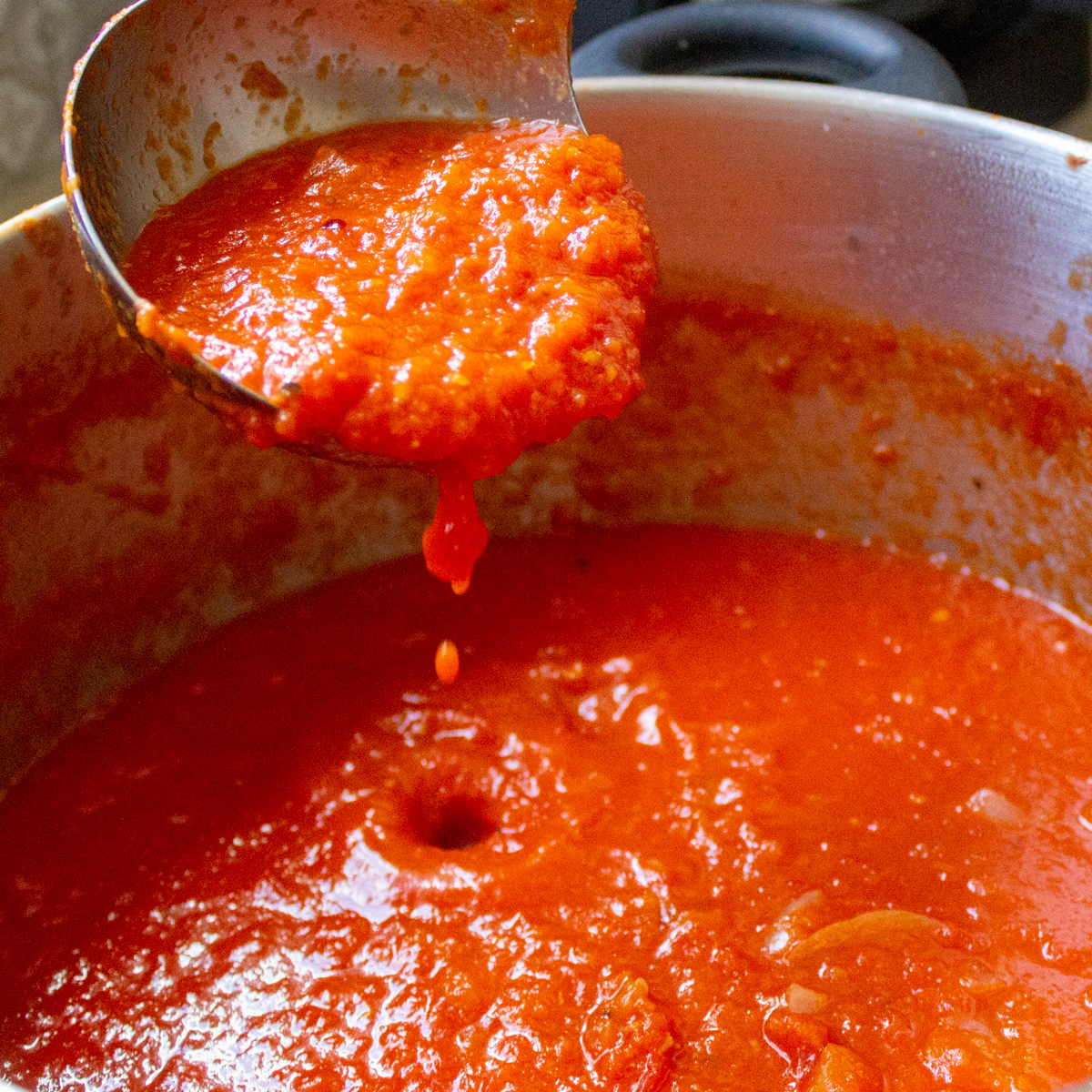
The ideal consistency for a pizza sauce is smooth, thick, and spreadable. It should coat the back of a spoon without dripping excessively and have a velvety texture that clings to the crust. The texture should be balanced, not too thick or runny, allowing for even distribution and adhesion to the pizza base.
Simmering Time and Thickeners
Achieving the desired consistency involves controlling the simmering time and utilizing thickeners. Simmering the sauce for an extended period allows excess moisture to evaporate, resulting in a thicker sauce. Additionally, thickeners like cornstarch, flour, or tomato paste can be incorporated to enhance the viscosity. These ingredients absorb moisture and create a gel-like structure, contributing to the desired consistency.
Impact on Pizza Quality
The consistency of the pizza sauce significantly influences the overall quality of the pizza. A sauce that is too thin will spread excessively, resulting in a soggy crust and a diluted flavor. Conversely, a sauce that is too thick may not spread evenly, leaving patches of unseasoned crust and creating an uneven cooking experience.
Pizza Sauce Storage and Preservation
Properly storing and preserving homemade pizza sauce is essential to maintain its quality and prevent spoilage. Refrigeration and freezing are effective methods to extend the shelf life of the sauce.
Refrigeration
- Store in an airtight container: Transfer the sauce to a clean, airtight container, such as a glass jar or plastic container with a tight-fitting lid.
- Refrigerate promptly: Refrigerate the sauce within two hours of preparation to prevent bacterial growth.
- Use within 3-5 days: Homemade pizza sauce typically lasts for 3-5 days in the refrigerator. Beyond this time, the sauce may lose its freshness and flavor.
Freezing
- Freeze in portions: Freeze the sauce in smaller portions, such as 1-cup containers, for easier thawing.
- Use freezer-safe containers: Choose freezer-safe containers with airtight lids to prevent freezer burn.
- Freeze for up to 3 months: Frozen pizza sauce can last for up to 3 months. Thaw it overnight in the refrigerator before use.
Factors that affect the shelf life of pizza sauce include the freshness of the ingredients, the acidity of the sauce, and the storage temperature. Using fresh, ripe tomatoes and adding a bit of vinegar or lemon juice can help increase the sauce’s longevity.
Conclusion
As you master the art of creating your own Pizza Sauce From Tomato Paste, you’ll discover the joy of customizing it to suit your preferences. Experiment with different flavor variations, textures, and storage techniques to create a sauce that perfectly complements your culinary creations. Embrace the versatility of tomato paste and unleash your inner pizzaiolo with this essential recipe.
Key Questions Answered
What are the benefits of using tomato paste as a pizza sauce base?
Tomato paste offers a concentrated tomato flavor, creating a rich and savory base for your pizza sauce. It also reduces the cooking time compared to using fresh tomatoes, making it a convenient option.
How can I adjust the consistency of my pizza sauce?
Simmering the sauce for a longer duration will thicken it, while adding a bit of water can thin it out. You can also use cornstarch or flour as thickeners, but be sure to whisk them in gradually to avoid lumps.
How long can I store homemade pizza sauce?
Store your pizza sauce in an airtight container in the refrigerator for up to 5 days. For longer storage, freeze the sauce in freezer-safe containers for up to 3 months.