Indulge in the tantalizing flavors of our pork rib soup recipe, a culinary masterpiece that will tantalize your taste buds and warm your soul. This delectable soup is crafted with the finest ingredients, each carefully selected to create a harmonious blend of flavors that will leave you craving more.
From the succulent pork ribs to the aromatic vegetables and savory seasonings, every element of this soup is designed to delight your senses. Whether you're a seasoned chef or a novice cook, this recipe will guide you through the process of creating this culinary masterpiece with ease.
Pork Rib Soup Base
The foundation of a hearty and flavorful pork rib soup lies in its base. To achieve a rich and aromatic broth, follow these steps:
Selecting the Pork Ribs:Choose high-quality pork ribs, preferably from the spare rib or baby back rib sections. These cuts offer a good balance of meat and bone, ensuring a robust flavor and texture.
Simmering the Soup
- Place the pork ribs in a large pot and cover them with cold water. Bring to a boil, then reduce heat to low and simmer for at least 2 hours.
- As the soup simmers, skim off any impurities or foam that rises to the surface. This will help create a clear and flavorful broth.
- Add vegetables such as carrots, celery, and onions to the pot for added flavor and depth.
- Season the broth with salt, pepper, and your preferred herbs and spices. Simmer for an additional 30 minutes to allow the flavors to meld.
Essential Vegetables and Seasonings

The addition of vegetables and seasonings is crucial in enhancing the overall taste and texture of pork rib soup. Vegetables provide a balance of flavors, while seasonings add depth and complexity. Here are the essential vegetables and seasonings you'll need:
Vegetables
Essential vegetables for pork rib soup include:
- Green onions:These add a fresh, pungent flavor and are typically added towards the end of cooking.
- Celery:Celery provides a subtle sweetness and crunch. Add it early on to allow it to soften and release its flavor.
- Carrots:Carrots add a natural sweetness and vibrant color. Cut them into chunks or slices for even cooking.
- Daikon radish:Daikon radish contributes a mild spiciness and helps balance the richness of the soup. Peel and cut it into thick slices.
- Ginger:Ginger adds a warm, aromatic flavor and helps reduce the gamey taste of pork ribs. Slice it thinly or smash it with the back of a knife to release its flavor.
- Garlic:Garlic provides a savory, pungent flavor. Mince it finely and add it early on to sauté and release its aroma.
Seasonings
Essential seasonings for pork rib soup include:
- Star anise:Star anise adds a sweet, licorice-like flavor. Use whole star anise for a more intense flavor, or crush it for a milder effect.
- Black peppercorns:Black peppercorns provide a warm, spicy flavor. Use whole peppercorns or coarsely grind them for a more robust flavor.
- Bay leaves:Bay leaves add a subtle, earthy flavor. Use dried bay leaves and remove them before serving.
- Soy sauce:Soy sauce enhances the umami flavor of the soup. Add it to taste, as it can be salty.
Noodle and Garnish Options
Complete your pork rib soup with a choice of noodles that enhance its texture and flavor. Explore various options to complement the richness of the broth and add a satisfying bite to your soup. Additionally, discover the art of garnishing to elevate the soup's visual appeal and further enhance its taste.
Noodle Options
- Rice Noodles:Delicate and silky rice noodles absorb the savory flavors of the soup, creating a harmonious blend. Cook them separately and add them to the soup just before serving to retain their delicate texture.
- Egg Noodles:With their slightly chewy texture and golden color, egg noodles add a substantial bite to the soup. Boil them until al dente and rinse them in cold water to prevent overcooking.
- Udon Noodles:Thick and chewy udon noodles provide a hearty base for the soup. Cook them according to the package instructions and add them directly to the soup.
- Ramen Noodles:These wavy noodles offer a satisfying bite and a rich flavor that complements the pork rib broth. Cook them separately and add them to the soup when ready to serve.
Garnish Options
- Green Onions:Sprinkle thinly sliced green onions over the soup for a vibrant color and a subtle oniony flavor.
- Cilantro:Add chopped cilantro for a fresh and herbaceous aroma that brightens up the soup.
- Bean Sprouts:Top the soup with fresh bean sprouts for a crunchy texture and a boost of vitamins.
- Sesame Seeds:Sprinkle toasted sesame seeds over the soup for a nutty flavor and an elegant touch.
- Chili Oil:Add a drizzle of chili oil to taste, providing a subtle heat that enhances the soup's savory notes.
Variations and Adaptations
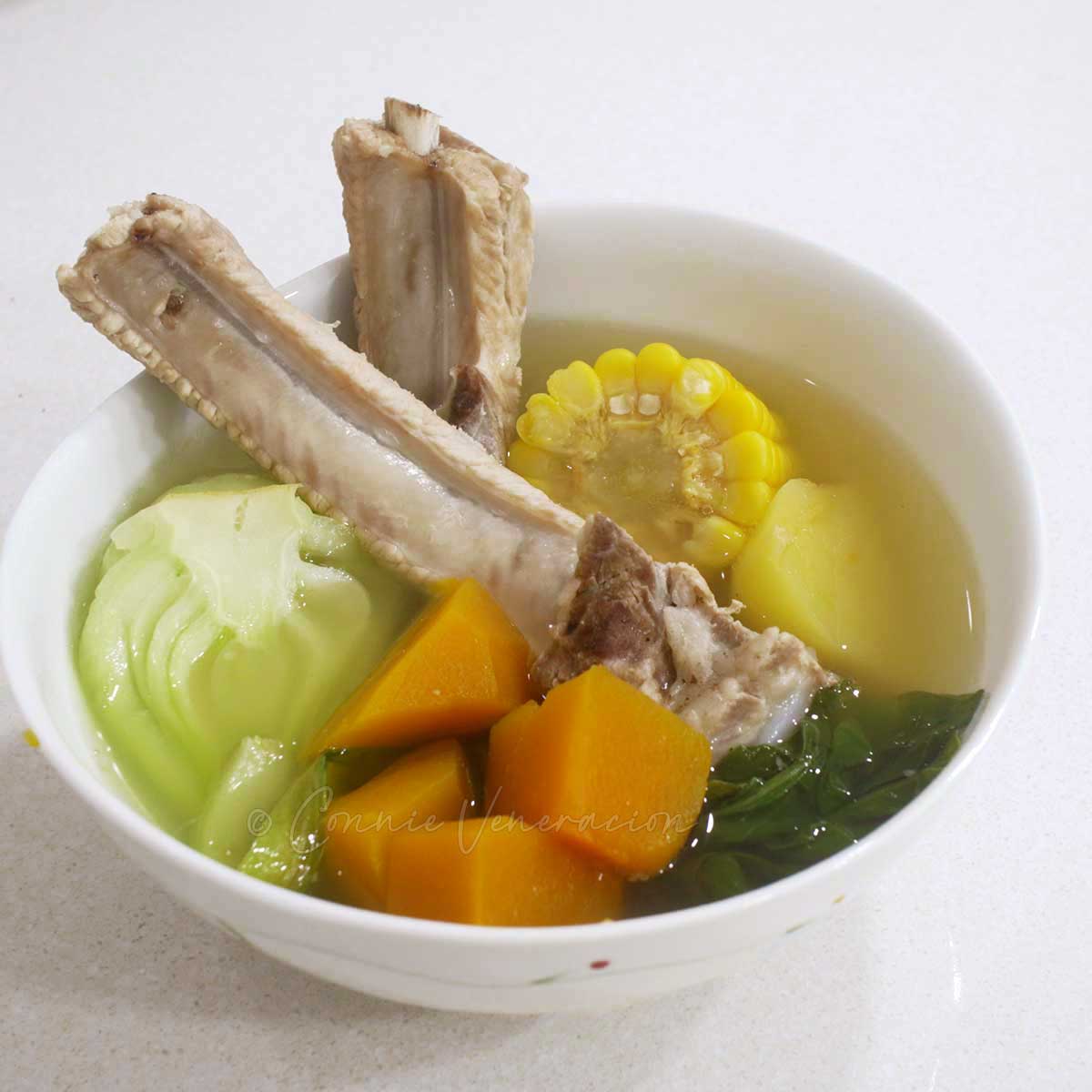
Pork rib soup offers a versatile base that can be adapted to suit diverse preferences and dietary restrictions. By incorporating different ingredients and techniques, you can create unique and flavorful variations of this classic dish.
Other Meats and Seafood
Enhancing the soup's richness, consider adding other meats or seafood to the pot. Chicken or beef bones add depth of flavor, while seafood such as shrimp, scallops, or mussels impart a briny sweetness.
Dietary Adaptations
For gluten-free options, use gluten-free soy sauce or tamari in place of traditional soy sauce. To reduce sodium intake, opt for low-sodium broth or season with herbs and spices instead of salt.
Soup as a Base, Pork rib soup recipe
The flavorful broth of pork rib soup can serve as an excellent base for other dishes. Simmer vegetables, such as carrots, celery, and onions, in the soup for a hearty stew. Alternatively, add coconut milk and curry paste for an aromatic curry.
Outcome Summary: Pork Rib Soup Recipe
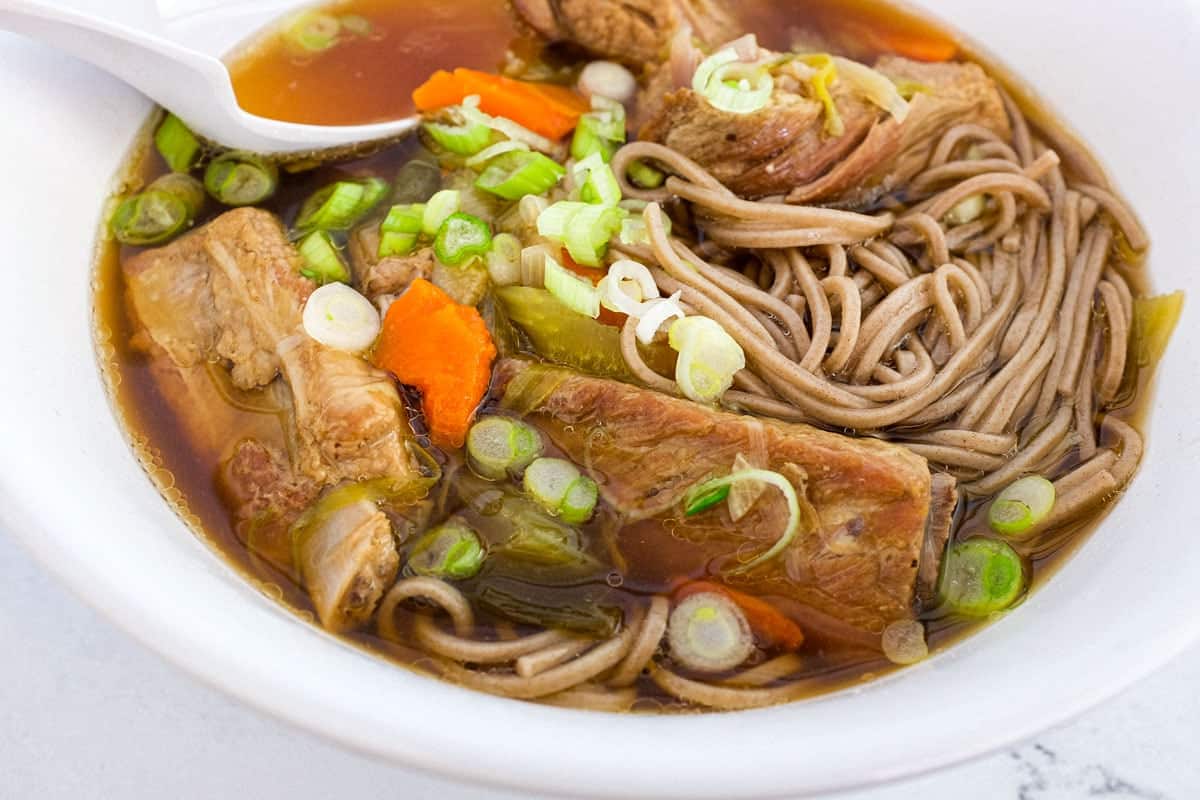
As you savor the last spoonful of this delectable pork rib soup, you'll be left with a lingering satisfaction that only comes from indulging in a truly exceptional meal. Whether you're sharing it with loved ones or enjoying it as a comforting treat, this soup is sure to become a staple in your culinary repertoire.


