Protein pancakes recipe no banana - Embark on a culinary adventure with our protein pancakes recipe, crafted without bananas. This tantalizing dish offers a symphony of flavors and textures, promising a delightful start to your day. Prepare to indulge in fluffy, protein-packed pancakes that will satisfy your taste buds and nourish your body.
Our recipe is meticulously designed to cater to those with dietary restrictions or simply seeking a healthier alternative. By excluding bananas, we've created a versatile recipe that allows you to customize it with your favorite toppings and flavors. Whether you prefer sweet or savory, this recipe provides a blank canvas for your culinary creativity.
Ingredients
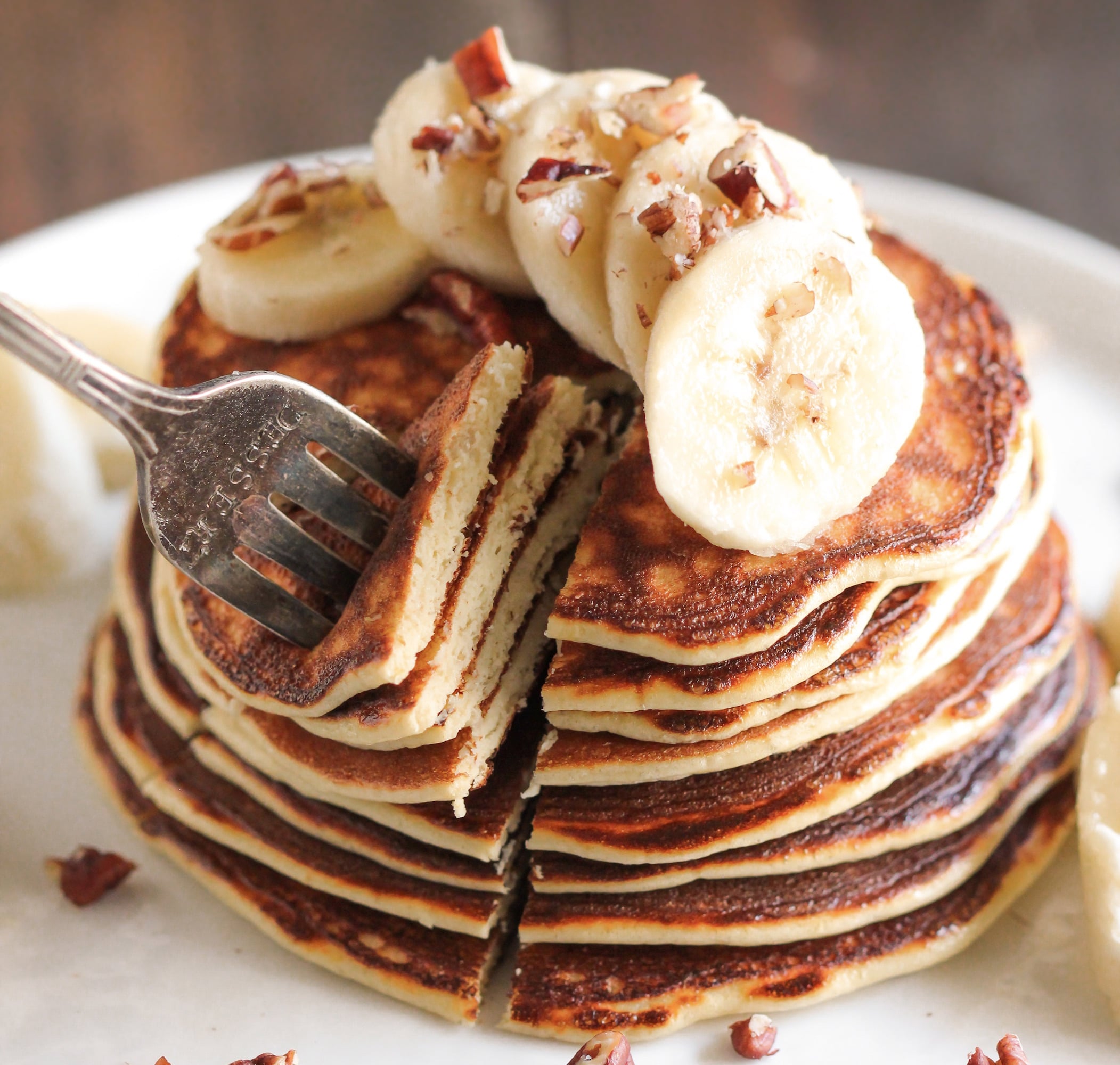
To prepare delicious protein pancakes without bananas, you'll need a combination of essential ingredients. These ingredients are readily available and contribute to the nutritional value and texture of the pancakes.
Here's a comprehensive list of the ingredients you'll need:
Dry Ingredients
- 1 cup (120g) all-purpose flour
- 2 scoops (60g) protein powder (whey or plant-based)
- 1 teaspoon (5g) baking powder
- 1/2 teaspoon (2.5g) baking soda
- 1/4 teaspoon (1.25g) salt
Wet Ingredients
- 1 cup (240ml) unsweetened almond milk or other plant-based milk
- 2 large eggs
- 1 tablespoon (15ml) pure vanilla extract
- 1 tablespoon (15ml) melted unsalted butter or coconut oil
Equipment
To craft these delectable protein pancakes, you'll need an array of essential kitchen tools.
The heart of the operation lies in the pan or griddle you employ. Opt for a non-stick surface to prevent your pancakes from sticking and ensure an even cook. A flat griddle is ideal for achieving uniform pancakes, while a skillet can be used if you prefer smaller, thicker ones.
Measuring Tools
- Measuring cups and spoons: Precise measurements are crucial for achieving the perfect balance of ingredients.
- Kitchen scale: For utmost accuracy, consider using a kitchen scale to weigh ingredients, especially protein powder.
Mixing Tools
- Mixing bowls: You'll need bowls of varying sizes for mixing the dry and wet ingredients separately, as well as for combining them.
- Whisk or electric mixer: A whisk or electric mixer will help you create a smooth, lump-free batter.
- Spatula: A flexible spatula is essential for flipping the pancakes and ensuring they cook evenly.
Cooking Tools
- Non-stick pan or griddle: As mentioned earlier, a non-stick surface is essential for preventing sticking and achieving evenly cooked pancakes.
- Oil or cooking spray: A light coating of oil or cooking spray will further prevent sticking and add a touch of crispiness to the edges.
Steps: Protein Pancakes Recipe No Banana
Creating the protein pancake batter is a straightforward process that involves a few simple steps.
Begin by combining the dry ingredients in a large mixing bowl. This includes the protein powder, almond flour, baking powder, and salt. Ensure these ingredients are thoroughly combined and free of any lumps.
Mixing the Batter
Next, add the wet ingredients to the dry ingredients. This includes the milk, eggs, and vanilla extract. Use a whisk or electric mixer to blend the ingredients until they form a smooth and lump-free batter.
The consistency of the batter should be slightly thicker than traditional pancake batter. If the batter is too thick, add a little more milk. If it's too thin, add a little more protein powder or almond flour.
Who needs banana when you can indulge in fluffy, protein-packed pancakes? But if you crave a sweet beverage to complement your breakfast, check out this mcdonalds sweet tea recipe . Its refreshing blend of black tea and sugar will quench your thirst and pair perfectly with your protein pancakes.
Get ready to start your day with a satisfying and balanced meal!
Cooking the Pancakes
Heat a lightly oiled griddle or non-stick pan over medium heat. Once hot, pour about 1/4 cup of batter onto the griddle for each pancake.
Cook the pancakes for 2-3 minutes per side, or until they are golden brown and cooked through. Serve the pancakes immediately with your favorite toppings.
Nutritional Value
The nutritional value of a single serving of protein pancakes varies depending on the ingredients used and the size of the serving. However, as a general estimate, a single pancake made with 1/4 cup of pancake mix, 1/4 cup of milk, and 1 egg provides approximately the following nutritional information:
Calories: 150-200
Protein: 15-20 grams
Carbohydrates: 25-30 grams
Fat: 5-10 grams
Protein Content
Protein is an essential macronutrient that helps build and repair tissues, and it plays a crucial role in muscle growth and recovery. The high protein content in these pancakes makes them an excellent option for athletes, bodybuilders, or anyone looking to increase their protein intake.
Variations
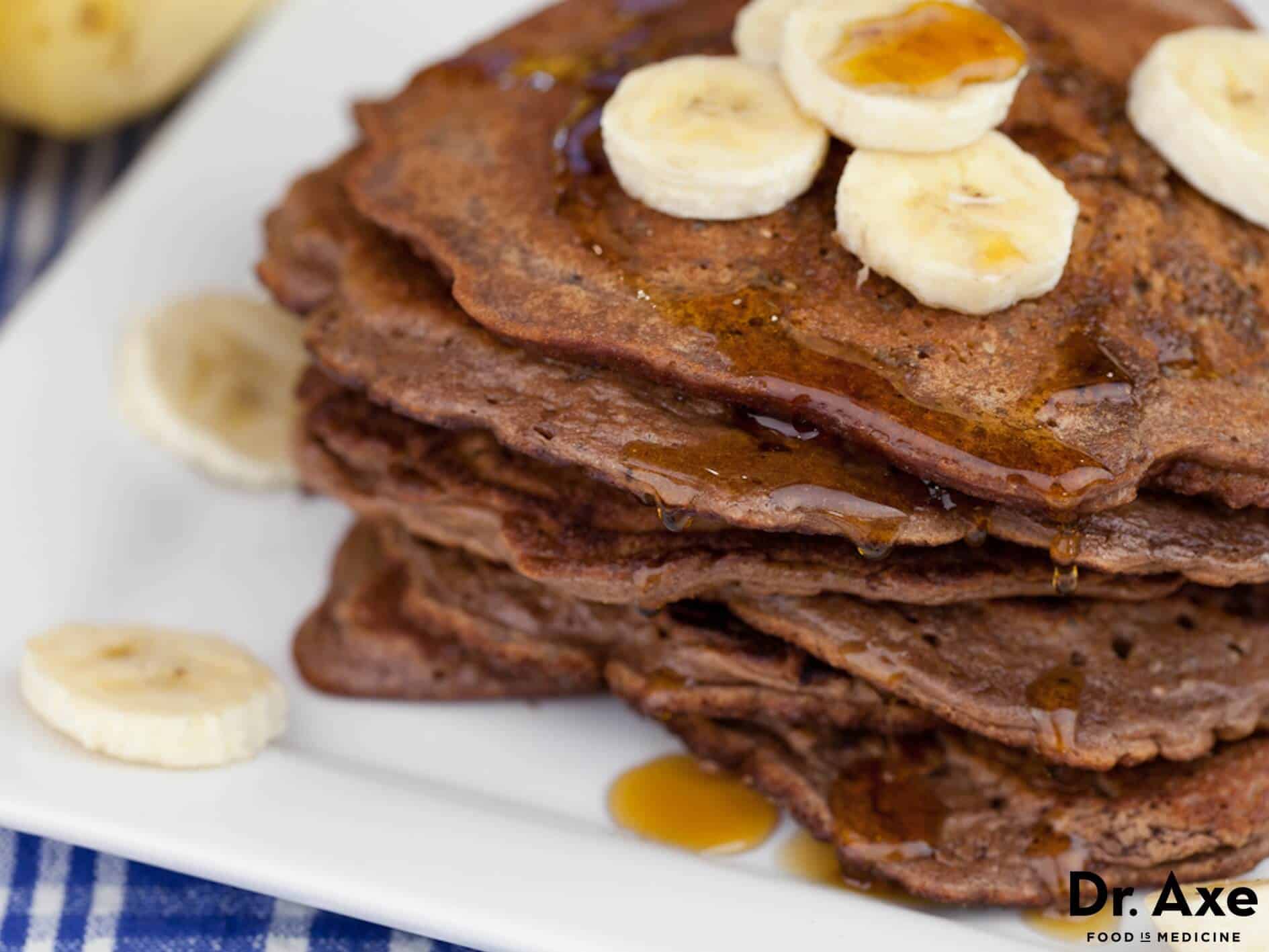
The basic protein pancake recipe is a versatile canvas for culinary creativity. Experiment with different flavors, toppings, and fillings to create unique and satisfying breakfasts.
Explore the endless possibilities by adding:
Sweet Variations
- Cinnamon, nutmeg, or pumpkin spice for a warm and cozy flavor.
- Chocolate chips, cocoa powder, or peanut butter for a decadent treat.
- Berries, bananas, or apples for a fruity and refreshing touch.
Savory Variations
- Shredded cheese, crumbled bacon, or diced ham for a protein-packed meal.
- Sautéed spinach, mushrooms, or bell peppers for a veggie-filled option.
- Herbs and spices like oregano, basil, or chili powder for a savory kick.
Tips
Here are some tips for making the perfect protein pancakes:
Achieving a Fluffy Texture
To achieve a fluffy texture, it's important to whip the egg whites until they are stiff peaks. This will incorporate air into the batter, which will make the pancakes light and fluffy. You can also add a little bit of baking powder or baking soda to the batter to help it rise.
Preventing Sticking
To prevent the pancakes from sticking to the pan, make sure to use a non-stick skillet or griddle. You can also grease the pan with a little bit of butter or oil. If the pancakes do start to stick, you can try flipping them over and cooking them on the other side.
Troubleshooting
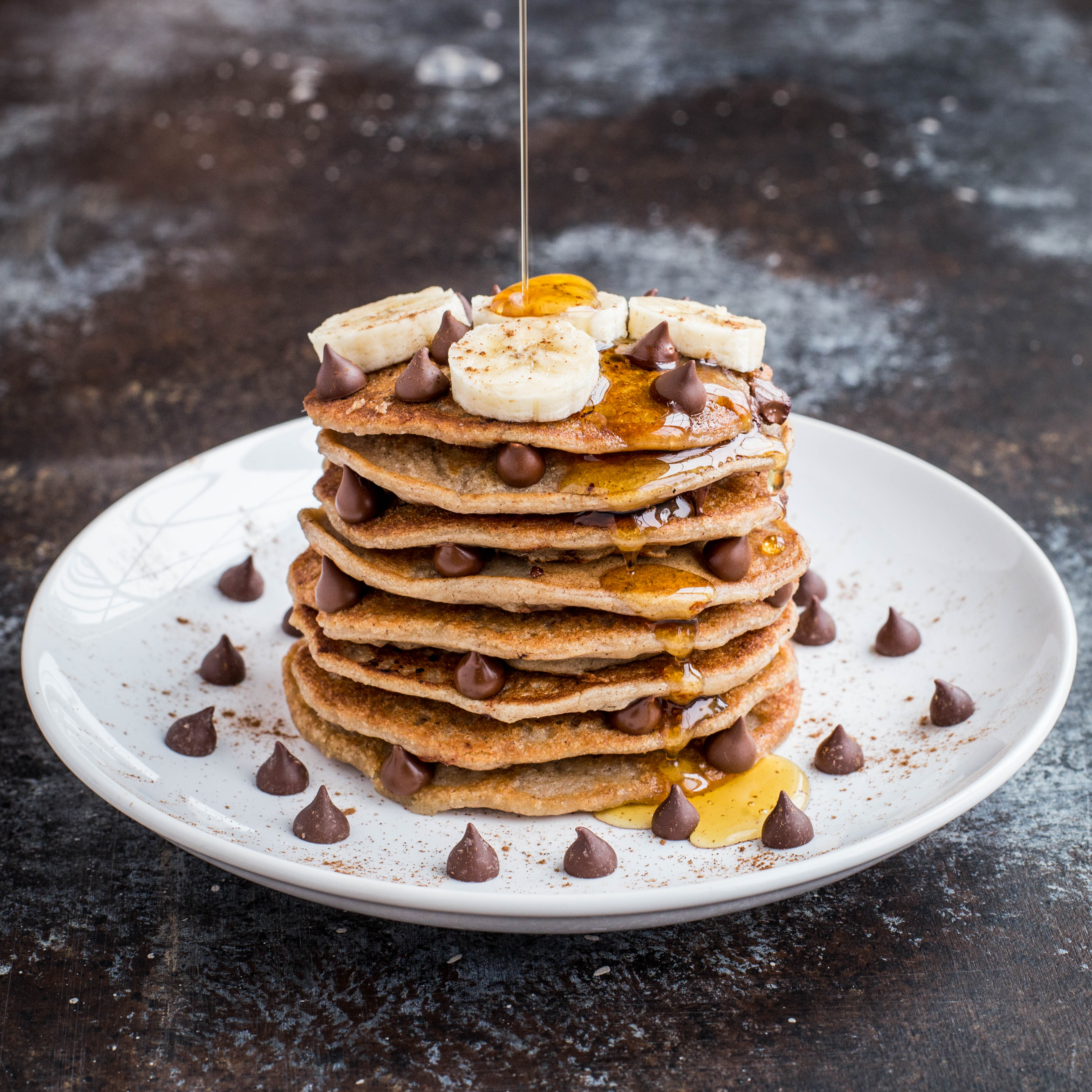
Protein pancakes can sometimes be tricky to make, but with a few simple tips, you can avoid common problems and enjoy delicious, fluffy pancakes every time.
Here are some of the most common problems that you may encounter when making protein pancakes, along with solutions for each issue:
Batter Too Thick
If your batter is too thick, it will be difficult to spread in the pan and your pancakes will be dense and rubbery. To fix this, simply add a little more liquid to the batter, such as milk, almond milk, or water, until it reaches a consistency that is slightly thinner than traditional pancake batter.
Batter Too Thin
If your batter is too thin, your pancakes will be too runny and will not hold together in the pan. To fix this, simply add a little more protein powder or flour to the batter, until it reaches a consistency that is slightly thicker than traditional pancake batter.
Pancakes Not Cooking Through
If your pancakes are not cooking through, it may be because the heat is too low. To fix this, simply increase the heat to medium-high and cook the pancakes for a few minutes longer on each side.
Pancakes Burning
If your pancakes are burning, it may be because the heat is too high. To fix this, simply reduce the heat to medium and cook the pancakes for a few minutes longer on each side.
Pancakes Sticking to the Pan
If your pancakes are sticking to the pan, it may be because the pan is not properly greased. To fix this, simply grease the pan with a little bit of butter or oil before cooking the pancakes.
Comparison
Compared to other protein pancake recipes, this recipe stands out for its simplicity and versatility. It requires only a few basic ingredients, making it a convenient option for busy individuals or those with limited access to specialty ingredients.
Moreover, the absence of banana in this recipe makes it suitable for those with banana allergies or those seeking a lower-calorie alternative. The use of protein powder ensures a higher protein content compared to traditional pancake recipes, making it a great option for fitness enthusiasts or individuals looking to increase their daily protein intake.
Nutritional Value
This protein pancake recipe provides a balanced nutritional profile. It is a good source of protein, carbohydrates, and fiber. The protein content helps promote satiety and supports muscle growth and repair, while the carbohydrates provide energy and the fiber aids in digestion.
- Calories: 250-300 per serving
- Protein: 20-25 grams per serving
- Carbohydrates: 30-35 grams per serving
- Fiber: 5-7 grams per serving
Versatility
Another unique feature of this recipe is its versatility. It can be customized to suit individual tastes and dietary preferences. For example, you can add fruits, nuts, or spices to enhance the flavor or nutritional value. Additionally, the recipe can be made vegan by using plant-based milk and protein powder.
Health Benefits
Indulge in the delectable world of protein pancakes, a culinary creation that not only tantalizes your taste buds but also nourishes your body with an array of health benefits. These protein-packed treats are meticulously crafted using wholesome ingredients, each contributing to a balanced and nutritious diet.
The foundation of protein pancakes lies in its high protein content, derived from eggs, protein powder, or Greek yogurt. This protein serves as the building block for muscles, tissues, and enzymes, promoting satiety, muscle growth, and overall well-being.
Fiber-Rich, Protein pancakes recipe no banana
Enhancing the nutritional profile of protein pancakes is their substantial fiber content, primarily attributed to the use of whole-wheat flour or oats. Fiber plays a crucial role in regulating digestion, promoting a feeling of fullness, and maintaining healthy blood sugar levels.
Essential Vitamins and Minerals
Protein pancakes are a treasure trove of essential vitamins and minerals, thanks to the inclusion of nutrient-rich ingredients like fruits, vegetables, and nuts. These micronutrients support various bodily functions, including immune system health, bone density, and energy production.
Healthy Fats
Certain variations of protein pancakes incorporate healthy fats from sources such as avocado, nuts, or seeds. These fats contribute to hormone production, cell growth, and the absorption of fat-soluble vitamins, further enhancing the nutritional value of these delectable treats.
Presentation
The presentation of your protein pancakes can make all the difference in how appealing and enjoyable they are. Here are a few tips for creating a visually pleasing dish:
Plating:Arrange the pancakes on a plate in a way that is both aesthetically pleasing and practical. You can stack them, overlap them, or fan them out. Be sure to leave some space between the pancakes so that they don't stick together.
Garnish
- Fruit:Fresh fruit is a great way to add color and flavor to your pancakes. Try topping them with berries, bananas, or mangoes.
- Whipped cream:Whipped cream is a classic pancake topping that adds a touch of sweetness and creaminess. You can also use flavored whipped cream, such as chocolate or vanilla.
- Nuts:Nuts add a crunchy texture and nutty flavor to pancakes. Try topping them with chopped walnuts, almonds, or pecans.
- Syrup:Syrup is a must-have for pancakes. You can use traditional maple syrup, or try a flavored syrup, such as blueberry or chocolate.
Concluding Remarks
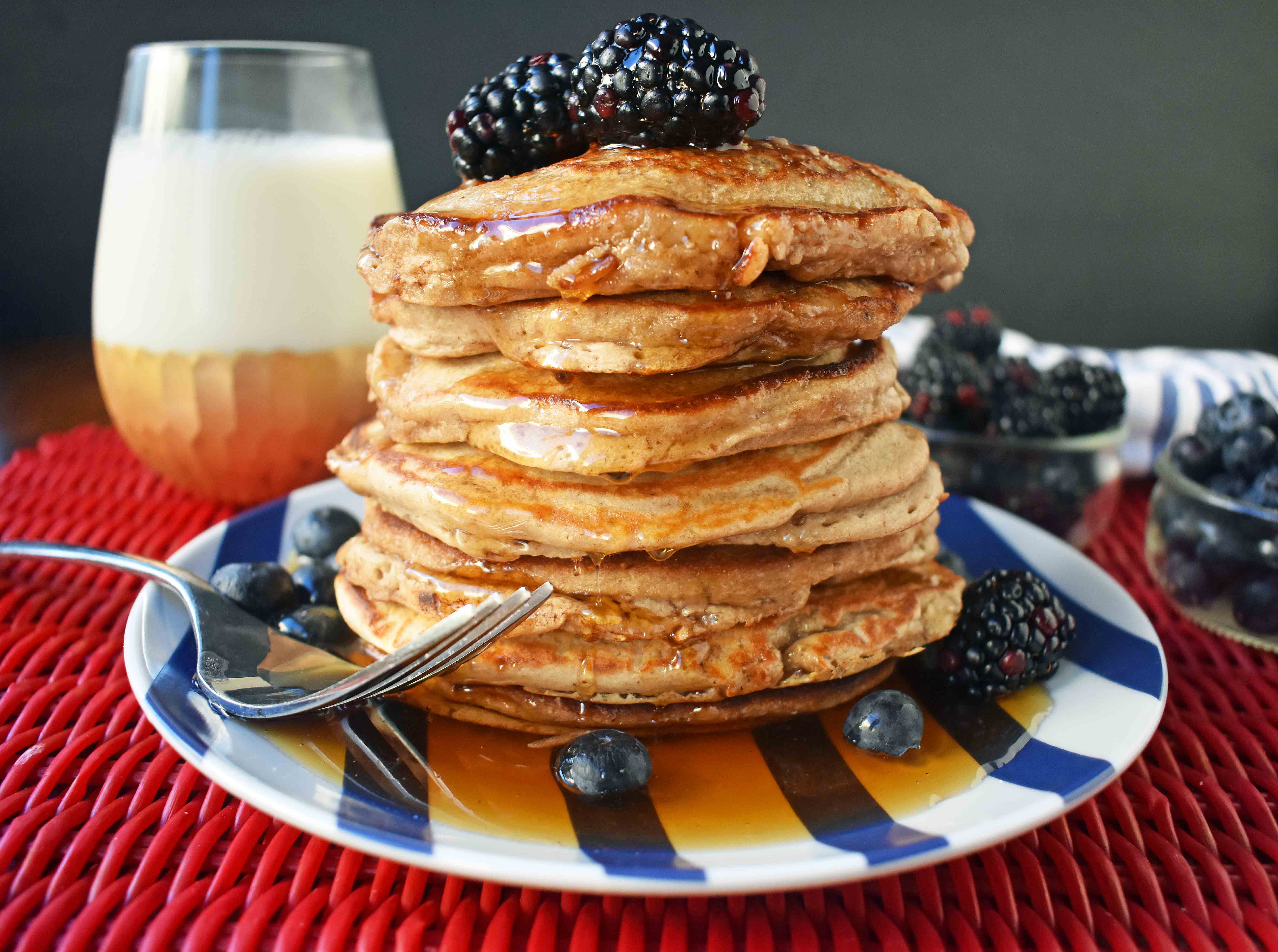
In conclusion, our protein pancakes recipe without bananas is a culinary masterpiece that seamlessly blends taste and nutrition. Its versatility and ease of preparation make it an ideal choice for busy mornings or leisurely weekend brunches. Experiment with different toppings and flavors to create a dish that reflects your unique palate.
Embrace the joy of cooking and savor every bite of these delectable protein pancakes.


