Pureed food recipes for the elderly offer a delicious and nutritious solution to the challenges of eating and maintaining a healthy diet. These recipes provide essential nutrients and can be tailored to meet individual needs and preferences.
As we age, our bodies undergo changes that can make it difficult to chew and swallow certain foods. Pureed foods provide an easy-to-digest alternative that can help prevent malnutrition and ensure that seniors get the nutrients they need.
Dietary Considerations for the Elderly: Pureed Food Recipes For The Elderly
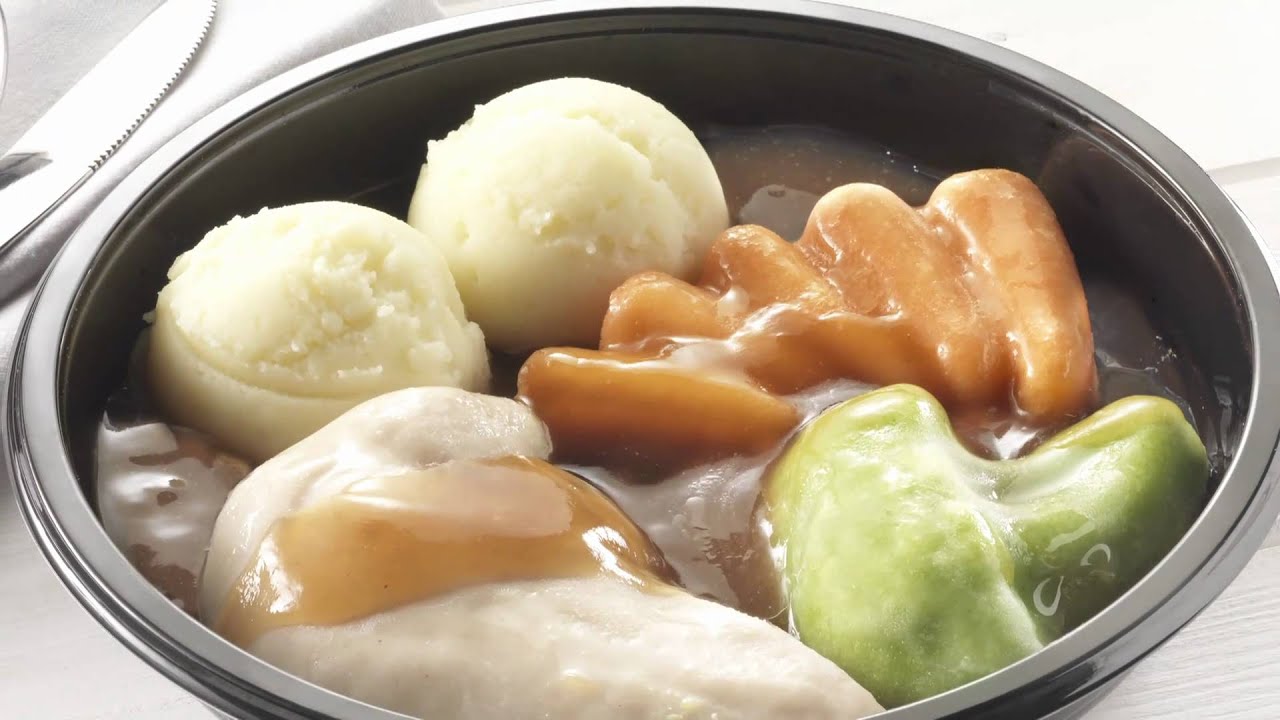
As individuals age, their nutritional needs and dietary challenges evolve. Understanding these changes is crucial to ensure optimal health and well-being during the golden years.
Elderly individuals typically have reduced calorie requirements due to decreased physical activity and metabolic rate. However, they still need a balanced diet rich in essential nutrients, including protein, carbohydrates, healthy fats, vitamins, and minerals.
Common Dietary Challenges
Common dietary challenges faced by the elderly include:
- Difficulty chewing and swallowing:Dental problems, ill-fitting dentures, or neuromuscular disorders can make chewing and swallowing challenging.
- Reduced appetite:Age-related changes in taste and smell, as well as medications, can lead to a decreased appetite.
- Dehydration:Elderly individuals may not feel thirsty as often as younger adults, leading to dehydration.
li> Constipation:Reduced physical activity and certain medications can contribute to constipation.
Modifying Food Textures
To address these challenges, it may be necessary to modify food textures for easier consumption.
Pureeing:Pureeing fruits, vegetables, and meats can make them easier to chew and swallow.
Mashed potatoes:Mashed potatoes are a soft and easy-to-eat option that provides essential carbohydrates.
Smoothies:Smoothies are a convenient way to provide a blend of fruits, vegetables, and yogurt, ensuring nutrient intake.
Soups and stews:Soups and stews are typically soft and easy to digest, and they can be made with a variety of nutritious ingredients.
Types of Pureed Food Recipes

Pureed food recipes can be categorized based on meal type, consistency, and flavors. Here's a comprehensive guide to help you prepare delicious and nutritious pureed meals for the elderly.
Meal Type
Pureed food recipes can be tailored to different meal types, including breakfast, lunch, and dinner. For breakfast, consider pureed oatmeal with fruit, yogurt, or granola. For lunch, prepare pureed soups, stews, or sandwiches. Dinner options include pureed meat dishes, fish, and vegetables.
Consistency, Pureed food recipes for the elderly
Pureed food recipes can vary in consistency from smooth to chunky. Smooth purees are ideal for individuals with difficulty swallowing or chewing. They can be made using a blender or food processor. Chunky purees have a slightly thicker consistency and may contain small pieces of food.
They can be made using a fork or potato masher.
Flavors and Cuisines
Pureed food recipes can incorporate a wide range of flavors and cuisines. Experiment with different herbs, spices, and seasonings to create flavorful dishes. Explore international cuisines, such as Asian, Mexican, or Italian, to provide variety and excitement to the meals.
Pureeing Techniques and Equipment

Pureeing involves mechanically breaking down food into a smooth, semi-liquid consistency, making it easier for individuals with chewing and swallowing difficulties to consume. Various techniques and equipment can be employed for pureeing, each with its advantages and disadvantages.
Manual Pureeing
Manual pureeing involves using simple tools like a fork, potato masher, or ricer to break down food. This method is suitable for small quantities and softer foods like fruits and vegetables. However, it can be time-consuming and may not achieve a completely smooth consistency.
Blender
A blender is a versatile appliance that can puree a wide range of foods, including fruits, vegetables, soups, and sauces. It operates by using blades that rotate at high speeds to break down the food. Blenders offer convenience and speed, but they may not be suitable for pureeing fibrous foods or achieving a very smooth texture.
Food Processor
A food processor is similar to a blender but has a larger capacity and more powerful blades. It can handle tougher foods and produce a finer puree. However, food processors can be more expensive and bulkier than blenders.
Immersion Blender
An immersion blender is a handheld device that can be used directly in pots or bowls. It is particularly useful for pureeing soups, sauces, and other liquids. Immersion blenders are compact and easy to store, but they may not be as powerful as countertop blenders.
Choosing the Right Equipment
The best equipment for pureeing depends on the specific needs and preferences. For small quantities and softer foods, a manual method or immersion blender may suffice. For larger quantities or tougher foods, a blender or food processor is recommended. Consider factors such as capacity, power, and ease of use when making a decision.
Nutritional Value and Fortification
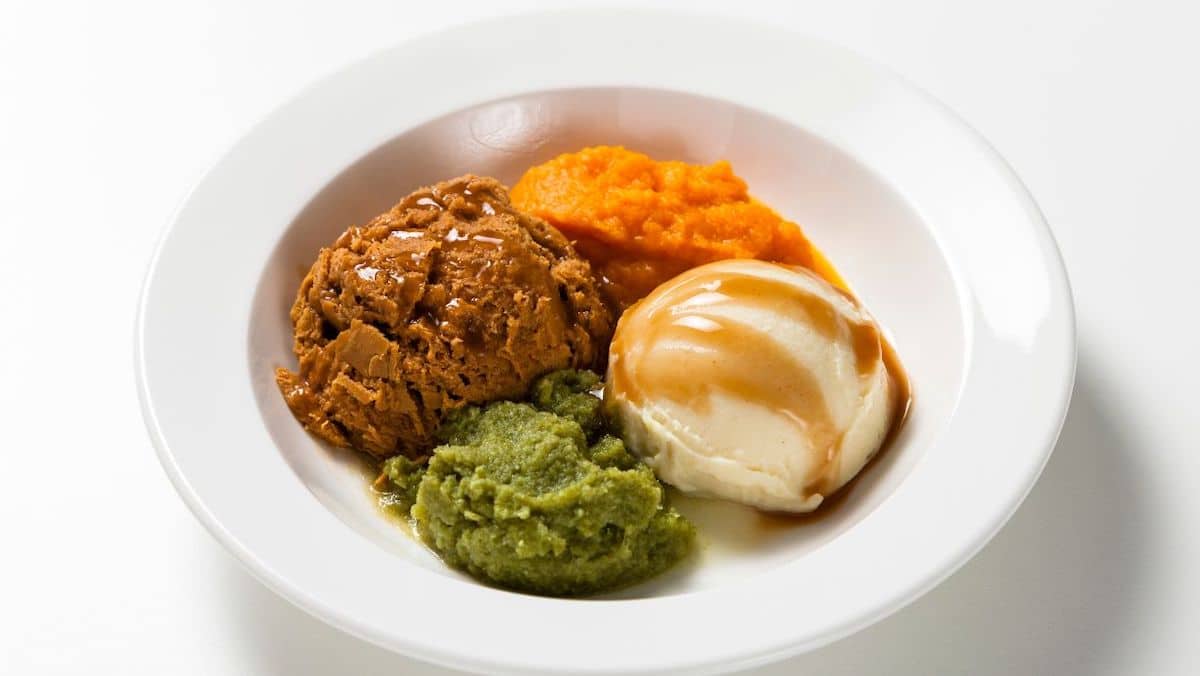
Pureed foods can provide a significant source of nutrients for the elderly. However, the nutritional content can vary depending on the ingredients used and the pureeing process. Analyzing the nutritional content of pureed foods is crucial to ensure that they meet the dietary needs of the elderly.
Pureed foods often have a reduced fiber content due to the removal of fibrous parts during processing. This can impact the absorption of nutrients and affect the digestive system. It is important to consider adding sources of fiber, such as pureed fruits, vegetables, or fiber supplements, to the pureed food to maintain a balanced diet.
Enhancing Nutritional Value
- Choose nutrient-rich ingredients:Select fruits, vegetables, and lean protein sources that are high in essential vitamins, minerals, and antioxidants.
- Preserve nutrients during pureeing:Minimize the loss of nutrients by using gentle pureeing methods, such as blending or mashing, and avoiding overcooking.
- Add nutrient-dense ingredients:Incorporate ingredients like fortified milk, yogurt, or nut butters to boost the nutritional content of pureed foods.
Fortifying Pureed Foods
Fortification is the process of adding essential nutrients to pureed foods to enhance their nutritional value. This can be particularly beneficial for the elderly who may have specific nutrient deficiencies or reduced absorption capacity.
- Vitamin D fortification:Vitamin D is essential for bone health and immune function. Pureed foods can be fortified with vitamin D supplements or fortified milk.
- Calcium fortification:Calcium is crucial for bone health. Pureed foods can be fortified with calcium-rich ingredients like fortified milk, yogurt, or leafy green vegetables.
- Iron fortification:Iron is necessary for red blood cell production. Pureed foods can be fortified with iron-rich ingredients like fortified cereals, lean meats, or leafy green vegetables.
Final Review
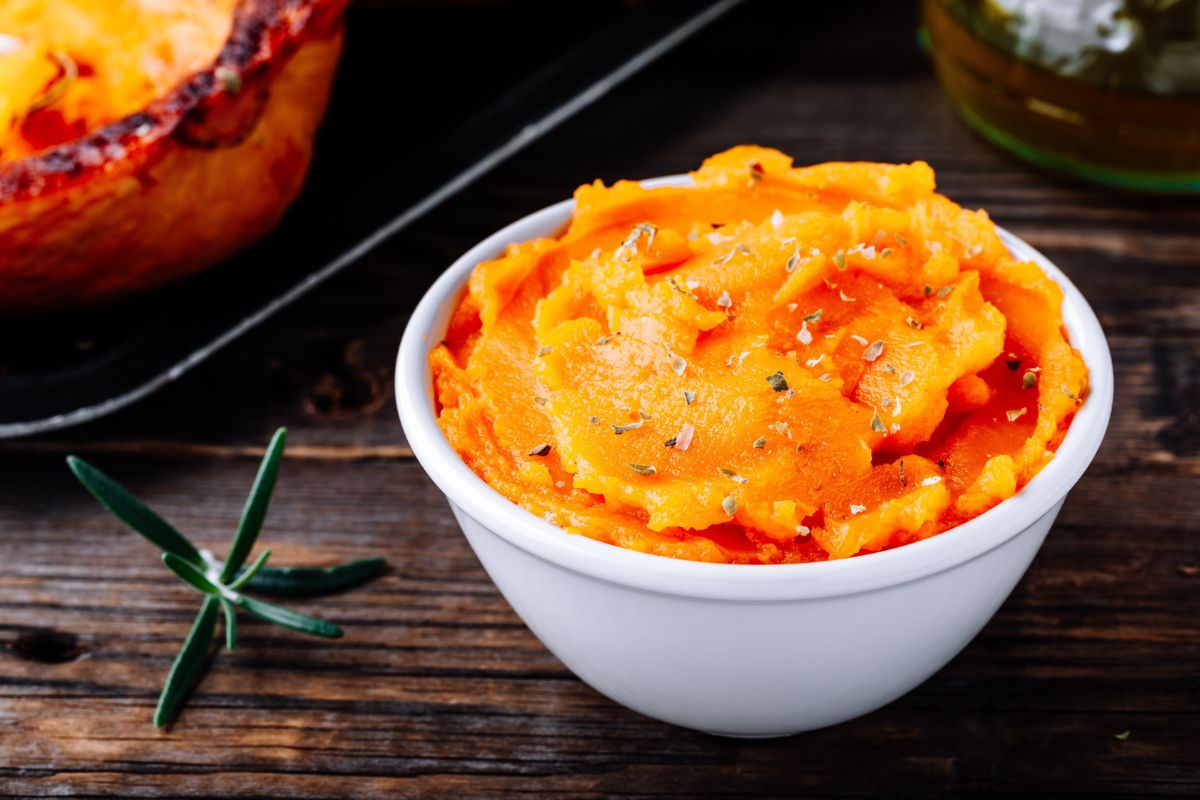
In conclusion, pureed food recipes for the elderly offer a range of benefits, including improved nutrition, easier digestion, and increased enjoyment of meals. By following the tips and recipes provided in this guide, you can create delicious and nutritious pureed meals that will help your loved ones stay healthy and happy.


