Embark on a culinary journey with our delectable ratatouille recipe with meat, a tantalizing fusion of vibrant vegetables and succulent protein. Prepare to tantalize your taste buds with this hearty and wholesome dish that weaves together a tapestry of flavors.
This recipe combines the earthy flavors of roasted vegetables with the rich savoriness of meat, creating a symphony of textures and tastes that will delight your senses. Follow our step-by-step guide and discover the secrets to crafting a perfect ratatouille with meat that will impress your family and friends.
Ingredients
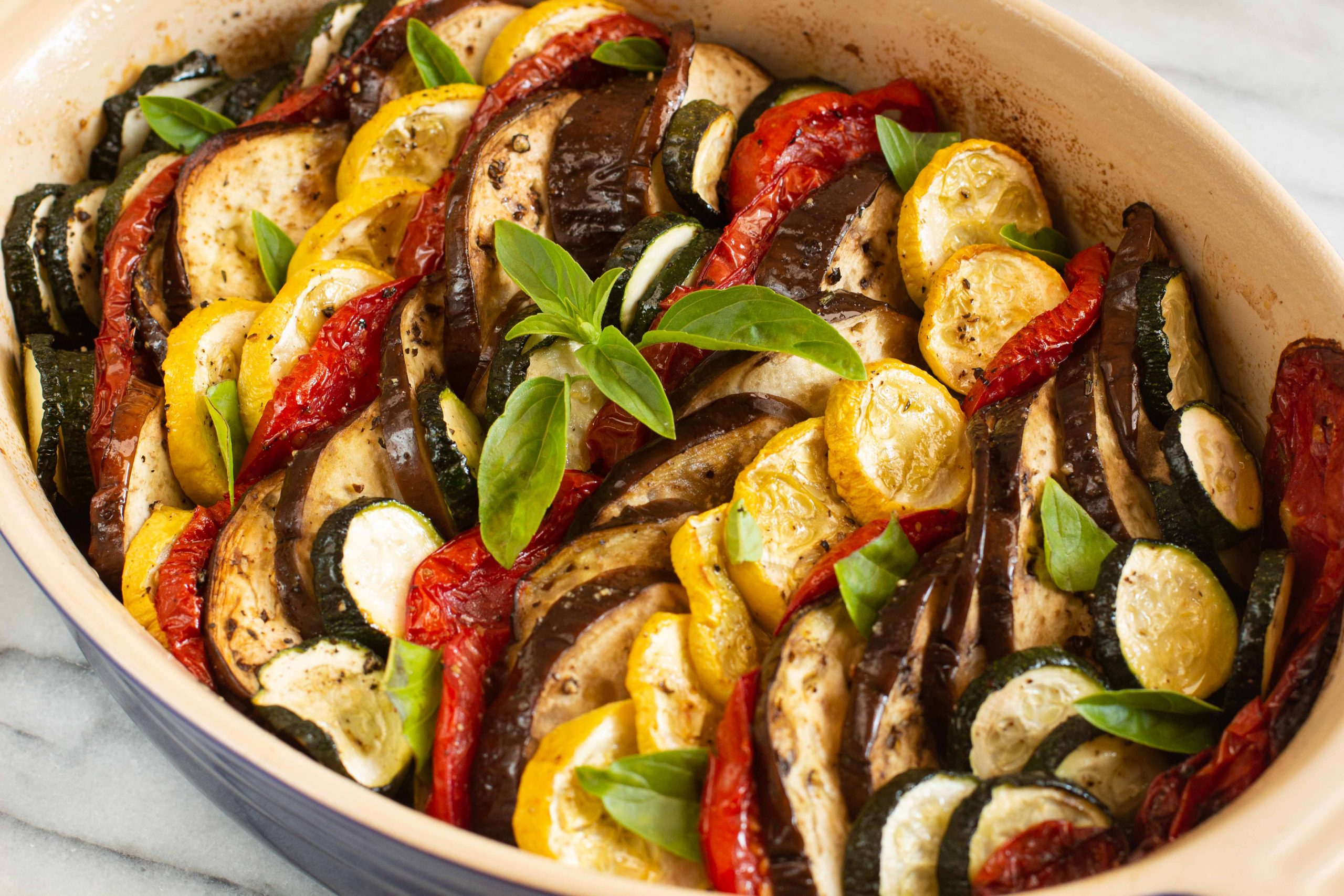
The main ingredients for this hearty ratatouille with meat dish include:
These ingredients combine to create a flavorful and satisfying meal.
Vegetables
- 2 medium eggplants, cut into 1-inch cubes
- 2 medium zucchini, cut into 1-inch cubes
- 2 bell peppers (any color), cut into 1-inch cubes
- 1 large onion, chopped
- 2 cloves garlic, minced
- 1 (28-ounce) can diced tomatoes
The vegetables provide a variety of textures and flavors to the dish.
Meat, Ratatouille recipe with meat
- 1 pound ground beef
- 1/2 pound Italian sausage, removed from casing
The meat adds a savory richness to the ratatouille.
Seasonings
- 1 teaspoon dried oregano
- 1/2 teaspoon dried basil
- 1/4 teaspoon salt
- 1/4 teaspoon black pepper
The seasonings enhance the flavors of the vegetables and meat.
Other
- 1/2 cup grated Parmesan cheese
- 1/4 cup chopped fresh parsley
The Parmesan cheese and parsley add a finishing touch to the dish.
Meat Preparation
In this ratatouille recipe, we use ground beef as the meat component. Ground beef is a versatile and affordable option that adds a savory flavor to the dish. Before adding the ground beef to the ratatouille, we brown it in a skillet over medium heat.
This step is important because it helps to develop the flavor of the meat and render off excess fat.
Browning the Meat
To brown the ground beef, follow these steps:
- Heat a large skillet over medium heat.
- Add the ground beef to the skillet and break it up into small pieces using a wooden spoon or spatula.
- Cook the ground beef until it is browned all over, about 5-7 minutes.
- Drain the excess fat from the skillet.
Once the ground beef is browned, it is ready to be added to the ratatouille.
Vegetables
Vegetables are the backbone of ratatouille, adding vibrant colors, flavors, and textures to the dish. They include a mix of bell peppers, zucchini, eggplant, and tomatoes, each contributing unique characteristics.
To ensure the vegetables cook evenly and retain their distinct flavors, it’s essential to cut them uniformly. Bell peppers and zucchini should be sliced into thin strips, while eggplant should be cut into cubes. Tomatoes, on the other hand, can be chopped or diced, depending on the desired texture.
Vegetable Types and Preparation
| Vegetable | Quantity | Preparation |
|---|---|---|
| Bell Peppers | 2 (1 red, 1 green) | Cut into thin strips |
| Zucchini | 2 | Cut into thin strips |
| Eggplant | 1 | Cut into cubes |
| Tomatoes | 4 | Chop or dice |
Seasonings and Spices
Seasonings and spices play a crucial role in enhancing the flavors of ratatouille with meat. The right combination of herbs and spices can elevate the dish, adding depth and complexity without overpowering the natural flavors of the ingredients.
When selecting seasonings and spices for ratatouille, it’s important to consider the balance of flavors. Too much of one spice can dominate the dish, while too little may leave it bland and uninspired. The key is to use a variety of seasonings and spices in moderation, allowing each to contribute its unique flavor profile.
Essential Seasonings and Spices
- Garlic: Garlic adds a pungent, savory flavor that complements the sweetness of the vegetables and richness of the meat.
- Onion: Onion provides a sweet and slightly spicy flavor that adds depth and complexity to the dish.
- Thyme: Thyme adds a subtle, earthy flavor that pairs well with the other herbs and spices in the recipe.
- Oregano: Oregano adds a slightly bitter, aromatic flavor that balances the sweetness of the vegetables.
- Basil: Basil adds a fresh, herbaceous flavor that brightens the dish and complements the other herbs.
- Paprika: Paprika adds a vibrant color and a slightly smoky flavor that enhances the overall taste of the ratatouille.
- Salt and pepper: Salt and pepper are essential for enhancing the flavors of all the ingredients and balancing the overall taste.
In addition to the seasonings and spices listed above, you may also consider adding other herbs and spices to your ratatouille, such as rosemary, bay leaves, or chili flakes. Experiment with different combinations to find the flavor profile that best suits your taste.
Cooking Process
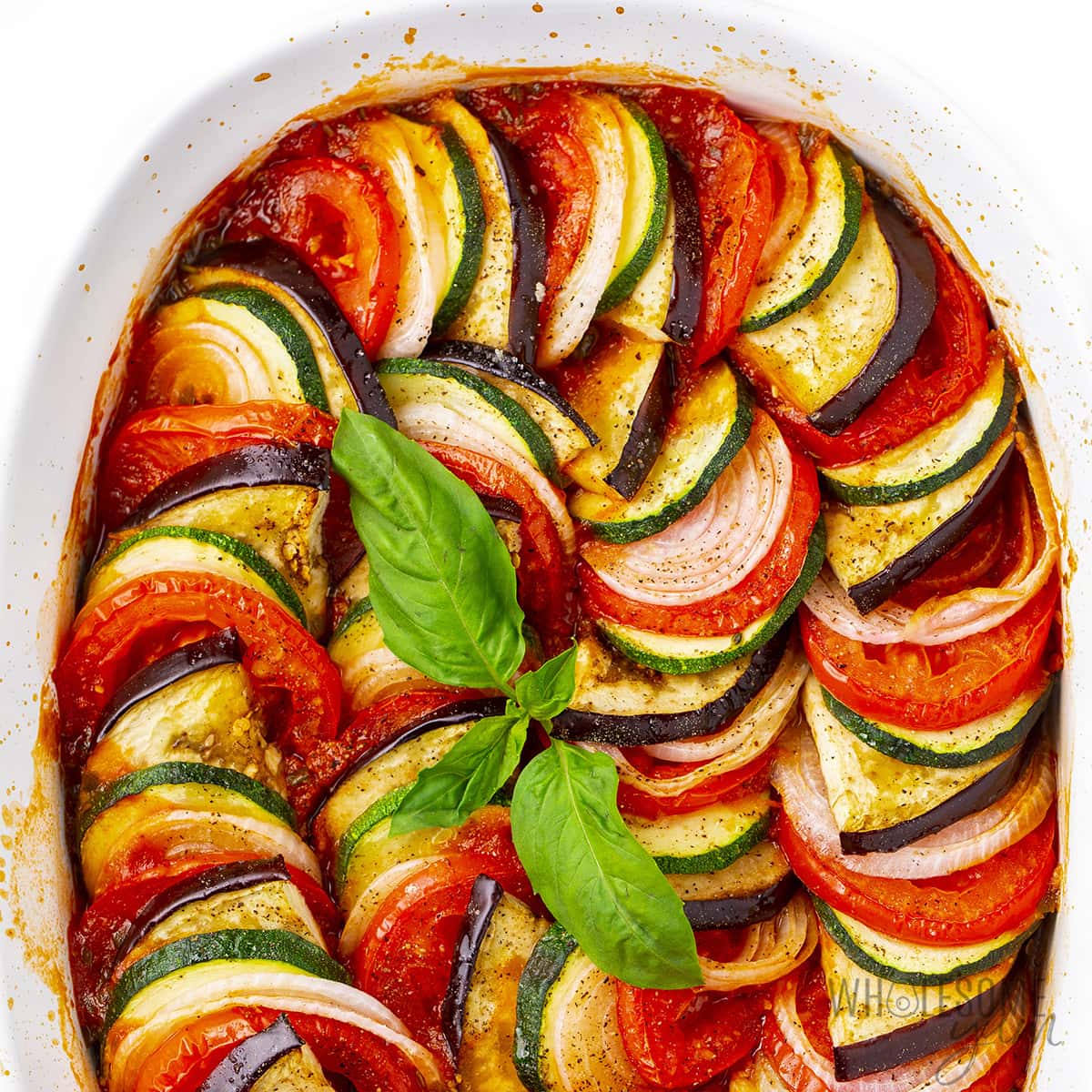
Cooking ratatouille involves a combination of sautéing, stewing, and simmering. The order of adding ingredients is crucial to achieve the desired texture and flavor.
Start by sautéing the onions and garlic in olive oil until softened. Then, add the bell peppers and zucchini and cook until they begin to soften. Stir in the tomatoes and cook until they release their juices.
Stewing
Once the vegetables have released their juices, add the eggplant and herbs. Bring the mixture to a boil, then reduce heat and simmer for 30 minutes, or until the vegetables are tender.
Sautéing
While the vegetables are stewing, heat a separate skillet and sauté the ground beef until browned. Drain any excess fat.
Simmering
Add the browned ground beef to the stewed vegetables and simmer for an additional 15 minutes, or until the sauce has thickened. Season with salt and pepper to taste.
Cooking Time and Temperature: Ratatouille Recipe With Meat

Cooking ratatouille requires careful attention to time and temperature to achieve the perfect balance of tender vegetables and vibrant flavors.
Optimal Cooking Conditions
The optimal cooking time for ratatouille is between 45 minutes to 1 hour, depending on the size of the vegetable pieces. The ideal temperature range is between 350°F (175°C) to 375°F (190°C). Cooking at these temperatures ensures that the vegetables become tender while retaining their shape and vibrant colors.
Monitoring the Dish
To monitor the dish, use a fork or toothpick to pierce the vegetables. They should be tender but still offer some resistance, indicating that they have not overcooked. Additionally, observe the sauce. It should be thickened and flavorful but not overly reduced.
| Vegetable Size | Cooking Time | Temperature | Tips |
|---|---|---|---|
| Small (1/2-inch pieces) | 45-50 minutes | 350-375°F (175-190°C) | Stir occasionally to prevent sticking. |
| Medium (1-inch pieces) | 50-55 minutes | 350-375°F (175-190°C) | Cover the dish halfway through cooking to retain moisture. |
| Large (1 1/2-inch pieces) | 55-60 minutes | 350-375°F (175-190°C) | Add a splash of vegetable broth if the sauce becomes too thick. |
Presentation and Serving
The presentation of ratatouille is as important as its flavor. A well-presented dish is more visually appealing and can enhance the dining experience. Here are some tips for enhancing the presentation of your ratatouille:
- Garnish with fresh herbs, such as basil, parsley, or thyme.
- Arrange the vegetables in a colorful and visually appealing way. For example, you could create a rainbow effect by arranging the vegetables in order of their color.
- Use a variety of shapes and sizes of vegetables to create a more interesting texture.
Ratatouille can be served in a variety of ways. Traditionally, it is served as a main course with bread or rice. It can also be served as a side dish or an appetizer.
Here are some creative serving suggestions for ratatouille:
- Serve ratatouille in individual ramekins.
- Top ratatouille with a fried or poached egg.
- Serve ratatouille with a dollop of sour cream or yogurt.
- Use ratatouille as a filling for tacos or burritos.
No matter how you choose to serve it, ratatouille is a delicious and versatile dish that is sure to please everyone at the table.
Variations and Adaptations

Ratatouille is a versatile dish that can be easily adapted to suit different tastes and dietary needs. Here are some variations and adaptations to explore:
Meat variations: Instead of ground beef, you can use other types of ground meat, such as pork, lamb, or turkey. You can also use a combination of different meats for a more complex flavor.
Vegetarian Option
For a vegetarian version, omit the meat and add extra vegetables, such as mushrooms, bell peppers, or zucchini. You can also use a vegetarian ground meat substitute, such as lentils or beans.
Gluten-Free Option
To make a gluten-free ratatouille, use gluten-free bread crumbs in the meat mixture and serve it over gluten-free pasta or rice.
Ratatouille, a vibrant French dish featuring an array of sautéed vegetables, can be elevated with the addition of tender meat. If you’re looking for a delicious complement to your ratatouille, consider trying the Logan’s Roadhouse Dinner Rolls Recipe . These soft and fluffy rolls are the perfect accompaniment to soak up the savory flavors of the ratatouille.
Once you’ve enjoyed the dinner rolls, return to the ratatouille for a satisfying and flavorful meal.
Table of Variations
| Variation | Ingredients | Cooking Instructions |
|---|---|---|
| Classic Ratatouille | Ground beef, onion, garlic, bell peppers, zucchini, eggplant, tomatoes, olive oil, salt, pepper | Brown the ground beef and add the vegetables. Simmer until the vegetables are tender. |
| Vegetarian Ratatouille | Mushrooms, bell peppers, zucchini, eggplant, tomatoes, olive oil, salt, pepper | Sauté the vegetables until they are tender. Add the tomatoes and simmer until the sauce has thickened. |
| Gluten-Free Ratatouille | Ground beef, gluten-free bread crumbs, onion, garlic, bell peppers, zucchini, eggplant, tomatoes, olive oil, salt, pepper | Brown the ground beef and add the vegetables. Simmer until the vegetables are tender. Serve over gluten-free pasta or rice. |
Health Benefits and Nutritional Value
Ratatouille is not only a delicious dish but also a nutritional powerhouse. It is packed with vitamins, minerals, and antioxidants that provide various health benefits.
Consuming ratatouille can improve digestion due to the high fiber content found in vegetables like eggplant and zucchini. Fiber helps regulate bowel movements and promotes a healthy digestive system.
Nutritional Information
The nutritional value of ratatouille per serving (1 cup) is as follows:
| Nutrient | Amount |
|---|---|
| Calories | 120 |
| Total Fat | 5g |
| Saturated Fat | 1g |
| Cholesterol | 0mg |
| Sodium | 200mg |
| Total Carbohydrates | 20g |
| Dietary Fiber | 5g |
| Sugar | 10g |
| Protein | 5g |
| Vitamin C | 10mg |
| Vitamin A | 2000IU |
| Potassium | 200mg |
End of Discussion
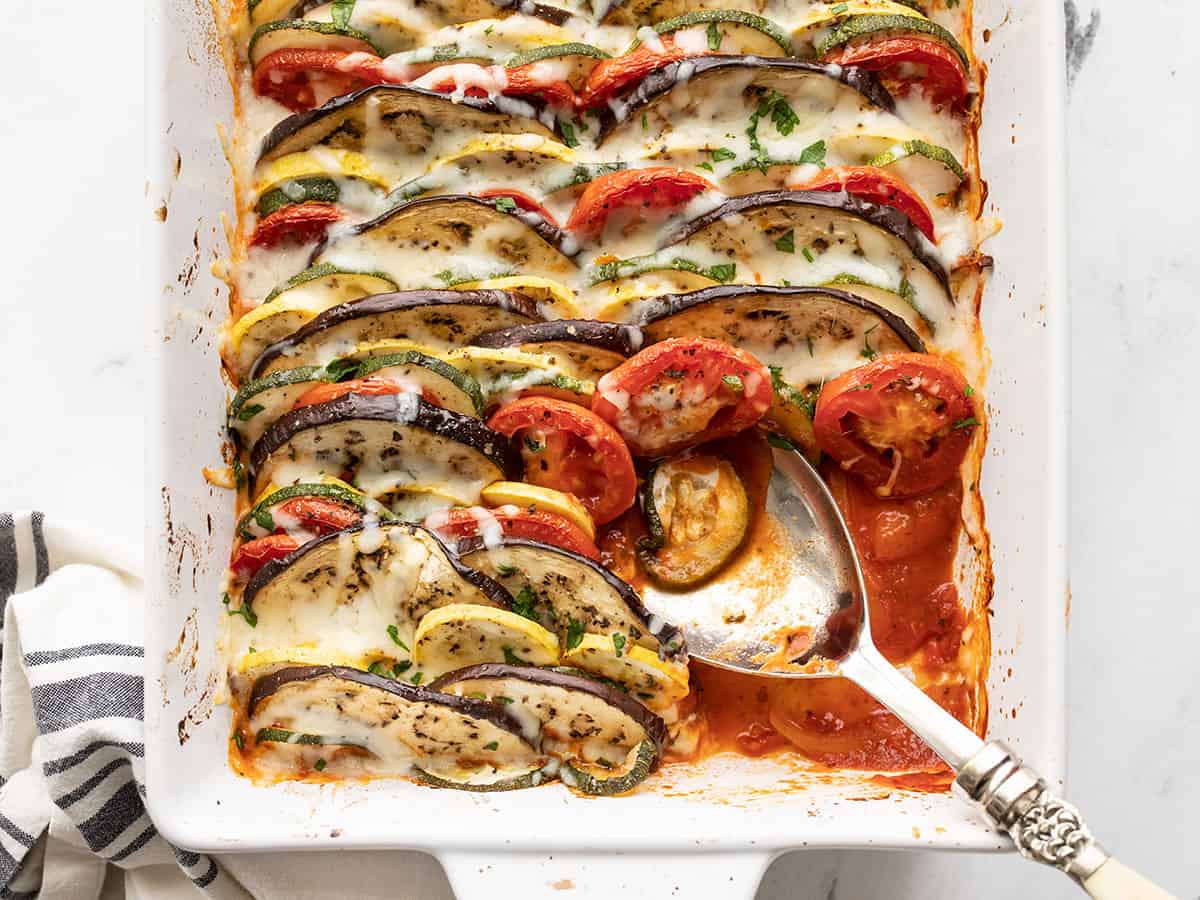
As you savor each bite of this exquisite ratatouille with meat, let its flavors linger on your palate, reminding you of the culinary artistry that went into its creation. Whether you choose to serve it as a hearty main course or an enticing side dish, this recipe promises to elevate your dining experience to new heights.
Experiment with different variations and adaptations to tailor the dish to your preferences, ensuring that every spoonful is a testament to your culinary prowess. Indulge in the joy of cooking and share the delectable flavors of ratatouille with meat with those you cherish.