Recipe for bunny chow – Dive into the delectable world of Bunny Chow, a South African street food icon that tantalizes taste buds and embodies the country’s rich culinary heritage. This beloved dish, with its unique combination of hollowed-out bread and flavorful curry, has captured the hearts of locals and foodies alike.
From its humble origins to its modern-day popularity, Bunny Chow has evolved into a symbol of South African cuisine, showcasing the vibrant flavors and cultural diversity that define the nation.
Origin of Bunny Chow
Bunny Chow, a beloved South African street food, has a rich history and cultural significance. Its origins can be traced back to the Indian immigrant community in Durban during the late 19th century. Indian laborers, who worked in the sugar plantations, brought with them their culinary traditions, including the concept of hollowed-out bread filled with curry.
Name and Popularity
The name “Bunny Chow” is believed to have originated from the Tamil word “bania,” which means “merchant” or “trader.” Indian traders in Durban were known to sell this dish from their stalls, and it became popular among both the Indian and African communities.
Over time, Bunny Chow became a staple street food in South Africa, enjoyed by people from all walks of life.
Core Ingredients
Bunny Chow, a beloved South African street food, is a unique blend of flavors and textures. At its heart lies a combination of essential ingredients, each playing a crucial role in creating the dish’s distinct character.
The foundation of Bunny Chow is a hollowed-out loaf of bread, typically a quarter or half of a loaf. This bread serves as a vessel for the flavorful curry that is the star of the dish. The curry, usually a mild to medium heat level, is typically made with a base of onions, garlic, and ginger, along with a blend of spices like turmeric, coriander, cumin, and chili powder.
These spices provide a warm and aromatic base for the curry, which is then simmered with meat (traditionally lamb or chicken) and vegetables like carrots, potatoes, and peas.
Meat
- Lamb or chicken is the traditional meat used in Bunny Chow. Lamb offers a rich and flavorful taste, while chicken provides a leaner and milder option.
Vegetables
- Carrots add a sweet and crunchy texture to the curry, while potatoes provide a hearty and filling element.
- Peas bring a pop of color and a subtle sweetness to the dish.
Spices
- Turmeric lends a vibrant yellow color and a slightly bitter, earthy flavor to the curry.
- Coriander and cumin provide a warm and nutty aroma, while chili powder adds a touch of heat.
Variations and Adaptations: Recipe For Bunny Chow
Bunny Chow has become a beloved dish throughout South Africa, and regional variations have emerged over time. The dish’s adaptability allows for customization to suit local tastes and preferences.
In the coastal regions, such as Durban, Bunny Chow is often filled with seafood curries like prawn curry or fish curry. The coastal influence brings a unique flavor profile to the dish.
Looking for a simple and delicious recipe for bunny chow? You’ve come to the right place! This South African dish is made with a hollowed-out loaf of bread filled with a flavorful curry. While you’re here, be sure to check out this asian canned tuna recipe . It’s a quick and easy way to enjoy a delicious and healthy meal.
Then, come back and try our bunny chow recipe for a unique and satisfying dining experience.
Modern Interpretations
Modern interpretations of Bunny Chow have also emerged, showcasing the dish’s versatility. Some chefs have experimented with different bread types, including sourdough and focaccia, to create a more gourmet experience.
Additionally, the fillings have been expanded to include non-traditional options like pulled pork, vegetarian curries, and even gourmet toppings like truffle oil and microgreens.
Preparation Techniques
Preparing Bunny Chow involves a simple yet effective technique that transforms a humble loaf of bread into a flavorful and satisfying dish. Follow these steps to create the perfect Bunny Chow:
Step 1: Hollowing Out the Bread
- Using a sharp knife, cut off the top of the loaf, creating a lid.
- Carefully scoop out the soft bread from the inside, leaving a thick shell of about 1-2 inches.
- Reserve the scooped-out bread for other uses, such as breadcrumbs or croutons.
Step 2: Cooking the Curry
- Heat oil in a large pot or Dutch oven over medium heat.
- Add onions and sauté until softened and translucent.
- Add the desired protein (such as chicken, lamb, or vegetables) and cook until browned.
- Stir in the spices and cook for a few minutes, allowing their flavors to bloom.
- Add the tomatoes, coconut milk, and other liquids (such as broth or water) and bring to a simmer.
- Season to taste with salt and pepper, and adjust spices as needed.
- Simmer the curry for at least 30 minutes, or until the meat is tender and the sauce has thickened.
Step 3: Assembling the Bunny Chow
- Pour the hot curry into the hollowed-out bread.
- Replace the bread lid on top.
- Serve immediately with additional toppings, such as grated cheese, sliced tomatoes, or chopped cilantro.
Curry Options

The heart of Bunny Chow lies in its delectable curry filling. From classic flavors to inventive creations, the possibilities are endless. We present a tantalizing array of curry recipes to elevate your Bunny Chow experience.
Whether you prefer the traditional flavors of Durban or are eager to explore new taste horizons, our curated selection offers something to satisfy every palate.
Traditional Curries
- Durban Bunny Chow Curry:A classic blend of aromatic spices, tomatoes, and tender meat, capturing the authentic taste of South Africa’s east coast.
- Cape Malay Curry:Infused with the vibrant flavors of the Cape Malay community, this curry features a harmonious balance of sweet and savory notes.
Innovative Curries
- Tikka Masala Curry:A creamy and flavorful Indian-inspired curry, perfect for those who enjoy a touch of sweetness.
- Thai Green Curry:Bringing the vibrant flavors of Southeast Asia, this curry combines coconut milk, green chilies, and fragrant herbs.
- Butternut Squash Curry:A hearty and comforting vegetarian option, featuring roasted butternut squash in a creamy and aromatic sauce.
Serving Suggestions

Traditionally, Bunny Chow is served in a hollowed-out loaf of bread, creating a unique and portable meal. This method of serving allows the bread to soak up the flavorful curry, resulting in a delicious and satisfying combination.
In contemporary variations, Bunny Chow is also served in other bread options such as pita bread, rolls, or even burger buns. This provides a more convenient and customizable way to enjoy the dish, catering to different preferences and dietary needs.
Accompaniments and Side Dishes, Recipe for bunny chow
Bunny Chow is often accompanied by a variety of sides and accompaniments that complement its bold flavors. These include:
- Papadums:Crisp, thin crackers made from lentil flour, adding a crunchy texture to the meal.
- Sambals:Spicy chili pastes or sauces, providing an extra kick of heat.
- Pickles:Tangy and refreshing pickles, balancing the richness of the curry.
- Salads:Fresh and light salads, such as tomato and onion salad, adding a healthy and refreshing element.
- Chips:Crispy potato chips or fries, providing a satisfying crunch.
Health Considerations

Bunny Chow, while delicious and comforting, is not without its nutritional drawbacks. It is high in calories, saturated fat, and sodium, which can contribute to weight gain and cardiovascular issues. Additionally, the white bread used in traditional Bunny Chow has a low nutritional value and is a source of refined carbohydrates.
Healthier Alternatives
To make Bunny Chow a healthier choice, consider the following modifications:
- Use whole-wheat or brown bread instead of white bread for a higher fiber content and more nutrients.
- Opt for leaner cuts of meat, such as chicken or turkey, to reduce saturated fat intake.
- Use low-sodium vegetable broth or water instead of regular broth to reduce sodium content.
- Add more vegetables to the curry, such as carrots, celery, or spinach, to increase fiber and nutrient intake.
- Consider using brown rice instead of white rice as a healthier side dish.
By incorporating these healthier alternatives, you can enjoy Bunny Chow without compromising its deliciousness while also making it a more balanced and nutritious meal.
Cultural Impact
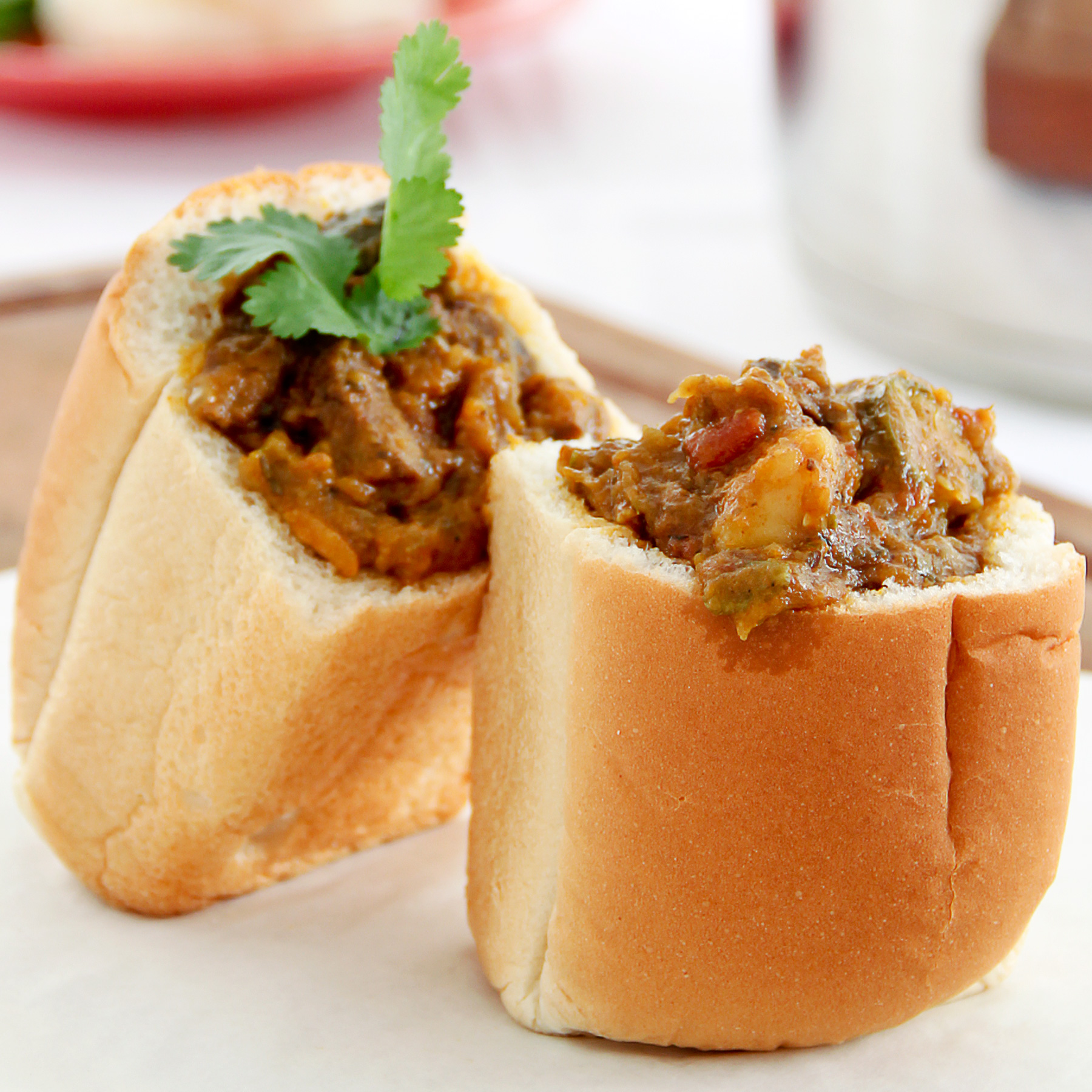
Bunny Chow holds immense cultural significance in South African society, transcending its culinary value to become a symbol of unity, community, and heritage preservation.
The dish has played a pivotal role in fostering a sense of togetherness, particularly during apartheid, when it served as a means of bringing people of different races and backgrounds together. Sharing a Bunny Chow was a way of breaking down social barriers and promoting inclusivity.
Community Bonding
Bunny Chow has become synonymous with community gatherings, family celebrations, and sporting events. Its portability and communal nature make it an ideal dish for sharing and fostering a sense of belonging.
In many townships and informal settlements, Bunny Chow is a staple food, providing sustenance and a sense of comfort to the community. It is often served at community events, where it serves as a symbol of shared experiences and a way of strengthening local bonds.
Contemporary Popularity
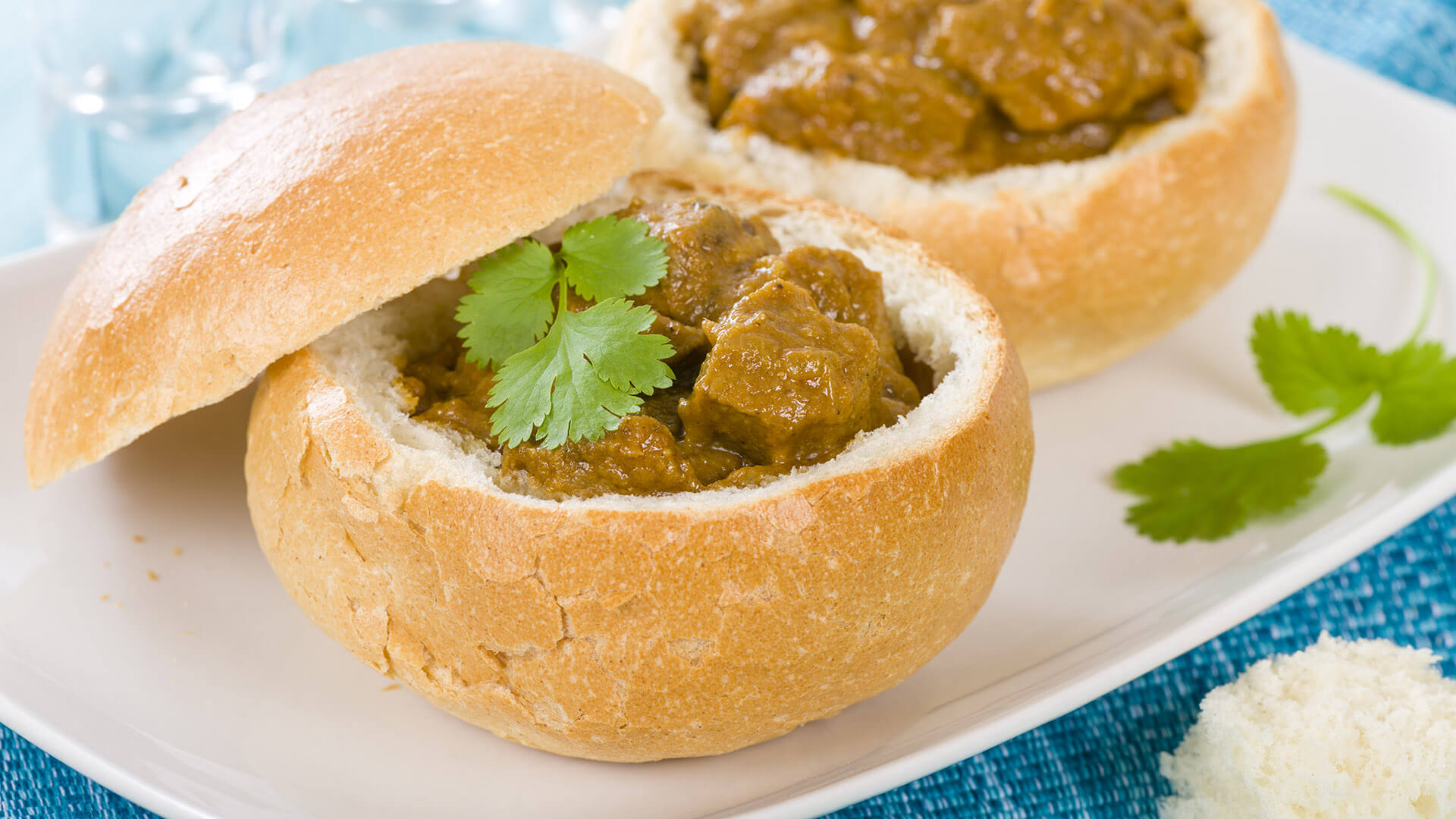
Bunny Chow has experienced a resurgence in popularity in recent years, becoming a beloved dish both locally and internationally.
This resurgence can be attributed to several factors, including the growing popularity of South African cuisine globally and the dish’s unique and flavorful combination of textures and flavors. Bunny Chow has also become a symbol of South African culture, representing the country’s diverse culinary heritage.
International Recognition
- Bunny Chow has gained international recognition, being featured in numerous food publications and television shows.
- It has been praised for its unique and flavorful combination of textures and flavors, making it a popular choice among food enthusiasts.
- The dish has become a symbol of South African cuisine, representing the country’s diverse culinary heritage.
Final Conclusion
As we conclude our exploration of Bunny Chow, we recognize its enduring legacy as a culinary delight that continues to captivate taste buds and foster a sense of community. Whether enjoyed as a quick street food snack or a centerpiece at gatherings, Bunny Chow remains a testament to the vibrant and ever-evolving culinary landscape of South Africa.
