Embark on a delightful culinary adventure with our comprehensive recipe for cherry wine. From selecting the finest cherries to bottling and storing your masterpiece, this guide will empower you to craft a tantalizing elixir that will impress your palate and elevate any occasion.
As we delve into the intricate steps of winemaking, you’ll discover the secrets to transforming fresh, ripe cherries into a symphony of flavors. Prepare to immerse yourself in the art of fermentation, aging, and bottling, gaining invaluable knowledge that will turn you into a home winemaking aficionado.
Ingredients
Crafting exquisite cherry wine requires a careful selection of ingredients to achieve an exceptional flavor profile. The heart of this delightful beverage lies in the choice of cherries.
For an optimal wine, opt for fresh, ripe cherries that are bursting with their natural sweetness and vibrant color. Avoid using bruised or damaged fruit, as these can introduce undesirable flavors and compromise the wine’s quality.
Cherry Types and Quantities
- Tart Cherries:Tart cherries, such as Montmorency or Morello, contribute a vibrant red hue and a pleasing acidity to the wine. They are an excellent choice for balancing the sweetness of other cherry varieties.
- Sweet Cherries:Sweet cherries, like Bing or Rainier, bring a rich, fruity sweetness to the blend. They add depth and complexity to the wine’s flavor profile.
The proportion of tart to sweet cherries used will vary depending on your desired flavor balance. Experiment with different ratios to create a wine that suits your palate.
Equipment
Wine-making is a meticulous process that requires specialized equipment to ensure optimal fermentation and preservation. From vessels for holding the must to devices for monitoring its progress, each piece of equipment plays a crucial role in producing high-quality cherry wine.
Fermenting Vessel
The fermenting vessel is where the magic happens. It provides a sterile environment for the yeast to transform the cherry juice into wine. When choosing a fermenting vessel, consider the following:
- Size:Determine the capacity based on the volume of cherry juice you intend to ferment.
- Material:Glass or food-grade plastic are ideal as they are non-reactive and easy to clean.
- Shape:A narrow-necked vessel is preferred to minimize oxygen exposure and promote fermentation.
Airlock
An airlock is an essential tool for preventing oxygen from entering the fermenting vessel while allowing carbon dioxide to escape. This creates an anaerobic environment, preventing spoilage and maintaining fermentation.
Hydrometer
A hydrometer measures the specific gravity of the must, which indicates the sugar content and potential alcohol level of the wine. This information is crucial for determining the appropriate fermentation time and ensuring proper sweetness.
Preparation

Before starting the wine-making process, it’s crucial to properly prepare the cherries to ensure a successful fermentation. This involves removing the stems, crushing or juicing the cherries, and measuring the juice accurately.
While the cherry wine ferments, let’s explore a delectable culinary adventure with the rack of lamb sous vide recipe . This succulent dish will tantalize your taste buds, and the sous vide cooking technique ensures a perfectly tender and juicy outcome.
Once the lamb is savored, return to the fragrant aromas of the cherry wine, as it patiently awaits its transformation into a delightful elixir.
Additionally, sanitizing all equipment used in the process is essential to prevent contamination and ensure the wine’s quality.
Removing Stems
- Remove the stems from the cherries by hand or using a cherry pitter. Stems can impart bitterness to the wine and should be discarded.
Crushing or Juicing Cherries
- Crush or juice the cherries using a food processor, blender, or cherry crusher. This process breaks down the fruit and releases the juice.
Measuring the Juice
- Measure the amount of cherry juice obtained using a measuring cup or graduated cylinder. The amount of juice will determine the quantity of other ingredients, such as sugar and yeast, required for fermentation.
Sanitizing Equipment
- To prevent contamination, it’s important to sanitize all equipment that will come into contact with the cherry juice, including fermenters, containers, utensils, and measuring tools.
- Sanitize the equipment using a food-grade sanitizer or a solution of 1 tablespoon of household bleach per gallon of water.
Fermentation: Recipe For Cherry Wine

Fermentation is a process that converts the cherry juice into wine. It is a natural process that occurs when yeast, a type of fungus, consumes the sugars in the juice and converts them into alcohol and carbon dioxide.
To start the fermentation process, you will need to add yeast to the cherry juice. You can use a commercial wine yeast or a wild yeast that is present on the cherries themselves. If you are using a commercial yeast, be sure to follow the manufacturer’s instructions for adding it to the juice.
Once the yeast has been added, it will begin to consume the sugars in the juice and produce alcohol and carbon dioxide. The fermentation process can take several weeks to complete, depending on the temperature and the type of yeast that you are using.
Monitoring the Fermentation Process
It is important to monitor the fermentation process to ensure that it is proceeding properly. You can do this by using a hydrometer, which is a device that measures the specific gravity of the wine.
The specific gravity of the wine will decrease as the fermentation process progresses. This is because the yeast is consuming the sugars in the juice, which are heavier than alcohol.
The ideal specific gravity for wine is between 0.990 and 1.000. If the specific gravity is too high, the fermentation process may not be complete. If the specific gravity is too low, the wine may be too sweet.
You can also monitor the fermentation process by tasting the wine. The wine should become sweeter as the fermentation process progresses. If the wine is too sweet, you can stop the fermentation process by adding potassium metabisulfite or sorbate.
Aging
Aging plays a crucial role in developing the exquisite flavor and complexity of cherry wine. It allows the wine to mellow, harmonize its flavors, and gain a depth of character. Aging can be achieved through different methods, each contributing unique nuances to the wine’s profile.
Barrel Aging
- Aging in oak barrels imparts rich, toasty, and spicy notes to the wine.
- The type of oak (French, American, etc.) and the barrel’s size and age influence the flavors extracted.
- Barrel aging promotes oxidation, adding complexity and softening tannins.
Aging in Glass Bottles
- Bottling the wine allows it to age slowly and develop its flavors without the influence of oak.
- The wine becomes more refined and elegant over time, with a smoother texture and a more delicate aroma.
- Bottle aging helps preserve the wine’s fruitiness and freshness.
Optimal Aging Time and Storage Conditions
The ideal aging time varies depending on the desired style and the quality of the fruit used. Generally, cherry wines benefit from aging for at least 6 months to 2 years. Optimal storage conditions include a cool, dark, and humid environment, such as a wine cellar or a temperature-controlled room.
Clarification and Stabilization
Once the wine has finished fermenting, it’s time to clarify and stabilize it. This process removes any sediment or impurities from the wine and helps to prevent it from spoiling.
Fining
Fining is the process of adding a substance to the wine that will bind to the sediment and cause it to settle to the bottom of the container. Common fining agents include bentonite, gelatin, and isinglass.
- Bentoniteis a clay mineral that is used to remove proteins and other impurities from the wine. It is a very effective fining agent, but it can also strip the wine of some of its flavor and aroma.
- Gelatinis a protein that is used to remove tannins and other impurities from the wine. It is a less effective fining agent than bentonite, but it does not have as much of an impact on the wine’s flavor and aroma.
- Isinglassis a protein that is derived from the swim bladders of fish. It is a very effective fining agent, but it can be difficult to use and can leave a slight fishy smell in the wine.
Filtration
Filtration is the process of passing the wine through a filter to remove any sediment or impurities. There are two main types of filters used for winemaking: depth filters and membrane filters.
- Depth filtersare made of a thick layer of material, such as cellulose or diatomaceous earth. The wine is passed through the filter, and the sediment is trapped in the material.
- Membrane filtersare made of a thin layer of material, such as cellulose acetate or nylon. The wine is passed through the filter, and the sediment is trapped on the surface of the membrane.
Filtration is a very effective way to clarify and stabilize wine, but it can also remove some of the wine’s flavor and aroma. It is important to use a filter that is appropriate for the type of wine you are making.
Bottling
The final step in the winemaking process is bottling, which involves preparing the bottles, filling them with wine, and sealing them to ensure proper preservation and aging. This stage requires meticulous attention to detail to prevent spoilage and maintain the wine’s quality.
Before bottling, it is crucial to ensure that the bottles and corks are thoroughly cleaned and sanitized to eliminate any bacteria or contaminants that could compromise the wine. The bottles should be rinsed with a sanitizing solution, such as a mixture of water and potassium metabisulfite, and allowed to air dry completely.
Filling the Bottles
When filling the bottles, it is important to leave a small amount of headspace, typically about 1-2 inches, at the top of the bottle to allow for expansion during fermentation and aging. This headspace also provides room for the addition of sulfur dioxide, which helps prevent oxidation and spoilage.
Sealing the Bottles
Once the bottles are filled, they must be sealed with corks to prevent oxygen from entering and spoiling the wine. The corks should be of good quality and soaked in a sanitizing solution before use to ensure a tight seal.
When inserting the corks, it is important to push them in firmly and evenly using a corker or other suitable tool. After corking, the bottles should be stored upright in a cool, dark place to allow for proper aging.
Storage
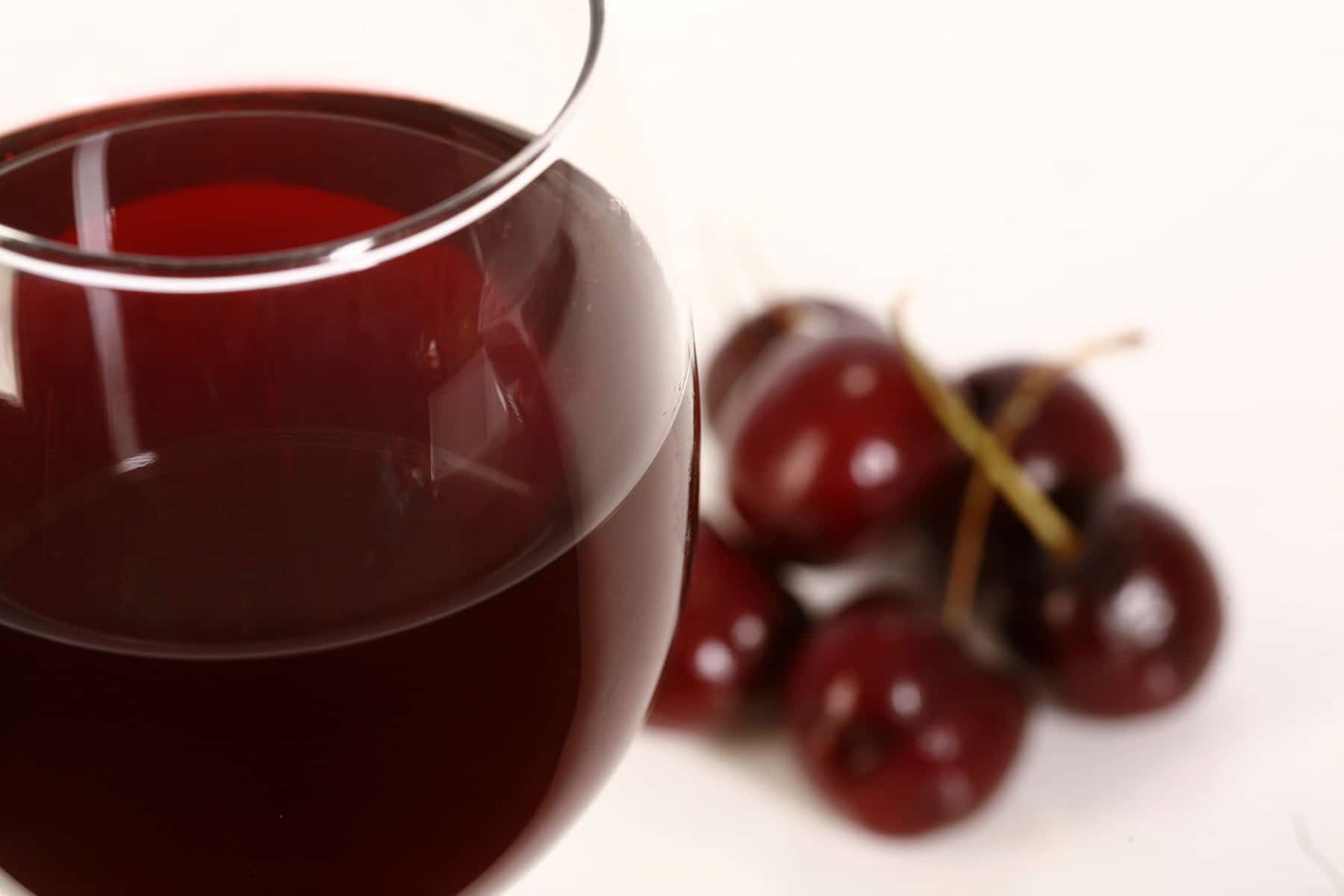
To preserve the quality and flavor of your homemade cherry wine, proper storage is crucial. Here are some guidelines to ensure your wine ages gracefully and retains its intended characteristics:The ideal storage conditions for cherry wine involve maintaining a stable temperature, humidity, and light exposure.
Let’s explore each factor in detail:
Temperature
- Store your wine in a cool and consistent environment, ideally between 50-55°F (10-13°C).
- Extreme temperature fluctuations can damage the wine’s delicate flavors and aromas.
Humidity
- Maintain a relative humidity of around 70-80%.
- Too high humidity can promote mold growth, while too low humidity can cause corks to dry out and allow oxygen to enter the bottle.
Light
- Protect your wine from direct sunlight, as UV rays can degrade the wine’s compounds and cause it to age prematurely.
- Store bottles in a dark place or use UV-resistant wine racks.
Tasting and Enjoying
A well-made cherry wine is a delight to the senses. Its aroma is fruity and inviting, with notes of ripe cherries, almonds, and a hint of spice. On the palate, it is smooth and well-balanced, with a medium body and a lingering finish.
The flavor is complex and nuanced, with a harmonious blend of sweetness, acidity, and tannins.
Serving and Pairing
Cherry wine is best served chilled, between 45-55°F (7-13°C). It pairs well with a variety of foods, including grilled meats, poultry, fish, and desserts. It is also an excellent accompaniment to cheese and fruit platters.
Variations
Cherry wine is a versatile beverage that offers endless possibilities for customization. Experiment with different cherry varieties, such as tart Montmorency cherries, sweet Bing cherries, or aromatic Morello cherries. Explore the addition of other fruits, like raspberries, blackberries, or currants, to create complex flavor profiles.
Incorporate spices like cinnamon, nutmeg, or cloves to enhance the wine’s aroma and depth. Consider experimenting with different fermentation techniques, such as using wild yeast or aging the wine in oak barrels, to create unique and personalized cherry wines.
Using Different Types of Cherries, Recipe for cherry wine
- Montmorency cherries:Tart and acidic, ideal for producing dry, refreshing wines.
- Bing cherries:Sweet and juicy, resulting in fruity, full-bodied wines.
- Morello cherries:Aromatic and slightly sour, producing wines with a complex flavor profile.
Adding Additional Fruits or Spices
- Raspberries:Add sweetness and a fruity aroma.
- Blackberries:Enhance the wine’s color and provide a tart flavor.
- Currants:Impart a distinctive tartness and deep red color.
- Cinnamon:Provides warmth and spice.
- Nutmeg:Adds a delicate sweetness and complexity.
- Cloves:Enhance the wine’s aroma and add a hint of bitterness.
Experimenting with Different Fermentation Techniques
- Wild yeast fermentation:Imparts a rustic and unique flavor profile.
- Oak barrel aging:Adds tannins and complexity to the wine.
Final Summary
With each sip of your homemade cherry wine, savor the culmination of your culinary efforts. Its vibrant color, enticing aroma, and harmonious blend of sweet and tart notes will transport you to a realm of pure indulgence. Whether enjoyed as a solitary treat or shared with loved ones, this exceptional beverage is a testament to your passion for crafting unforgettable culinary experiences.
As you embark on this winemaking journey, remember that the true joy lies not only in the final product but also in the process itself. Allow yourself to be captivated by the alchemy of fermentation, the anticipation of aging, and the satisfaction of bottling your very own creation.
With patience and dedication, you’ll unlock the secrets of homemade cherry wine and create a masterpiece that will leave a lasting impression on your taste buds.