Recipe for custard pumpkin pie - Welcome to the enticing world of Custard Pumpkin Pie, a culinary masterpiece that tantalizes taste buds and warms hearts. This beloved dessert, steeped in tradition and brimming with autumnal flavors, is the epitome of comfort and indulgence.
From its golden-brown crust to its velvety-smooth filling, each element of this pie is a testament to the art of baking. Whether you're a seasoned baker or a novice yearning to explore new culinary adventures, this guide will empower you to create a truly exceptional Custard Pumpkin Pie that will impress your family and friends.
Ingredients

Creating a delicious custard pumpkin pie requires a careful selection of ingredients, each playing a vital role in achieving the perfect texture, flavor, and appearance.
Let's delve into the key ingredients and their functions:
Pumpkin Puree
- Provides the base for the filling, contributing a rich, velvety texture and autumnal flavor.
- Use fresh or canned pumpkin puree for optimal results.
Eggs
- Bind the ingredients together, creating a smooth and creamy texture.
- Provide structure and richness to the filling.
Sugar
- Sweetens the pie, balancing the flavors of pumpkin and spices.
- Contributes to the caramelization process, creating a golden-brown crust.
Spices
- Enhance the flavor of the pumpkin, adding warmth and complexity.
- Common spices used include cinnamon, nutmeg, ginger, and cloves.
Milk
- Adds moisture to the filling, preventing it from becoming dry and crumbly.
- Helps create a smooth and creamy texture.
Heavy Cream
- Enriches the flavor and texture of the filling, making it more velvety and decadent.
- Provides a luxurious mouthfeel.
Pie Crust
- Holds the filling in place, providing a flaky and buttery base.
- Can be homemade or store-bought for convenience.
Baking Time and Temperature
The baking time and temperature for your custard pumpkin pie play a crucial role in determining its texture and flavor. Here's a breakdown of the optimal settings and their impact:
Baking the pie at a higher temperature for a shorter duration will result in a crispy crust and a more set custard filling. Conversely, baking at a lower temperature for a longer time will yield a softer crust and a creamier custard.
Temperature
- 350°F (175°C): This is the recommended temperature for most custard pumpkin pies. It allows for even cooking and prevents the crust from burning.
- 375°F (190°C): This higher temperature can be used for a crispier crust, but it's important to monitor the pie closely to avoid overcooking.
Baking Time
- 45-50 minutes: For a 9-inch pie, this is the average baking time at 350°F (175°C).
- 35-40 minutes: For a crispier crust, bake at 375°F (190°C) for this duration.
To ensure the pie is cooked through, insert a toothpick into the center of the custard. If it comes out clean, the pie is done. Let the pie cool for at least 30 minutes before serving to allow the custard to set further.
Variations

The classic custard pumpkin pie is a beloved dessert, but there are many ways to customize it to suit your taste preferences. Here are a few variations to consider:
Using Different Types of Squash
- Butternut Squash: Butternut squash has a sweet, nutty flavor and a creamy texture that makes it a great choice for pumpkin pie. It has a slightly lower water content than traditional pumpkin, so you may need to add a little more milk or cream to the filling.
If you're in the mood for a delectable dessert, why not try your hand at a classic recipe for custard pumpkin pie? This timeless treat is sure to warm your heart and satisfy your sweet tooth. And if you're looking for inspiration, be sure to check out mary berry's highland christmas recipes for a festive twist on this beloved dish.
But remember, nothing beats the comforting flavors of a homemade custard pumpkin pie, so get ready to indulge in a slice of pure bliss!
- Acorn Squash: Acorn squash has a sweet and earthy flavor with a slightly grainy texture. It is a good choice for those who prefer a less sweet pie. You may need to roast the squash for a longer time to soften it.
- Kabocha Squash: Kabocha squash has a deep orange color and a sweet, slightly spicy flavor. It is a good choice for those who want a more flavorful pie. You may need to peel the squash before roasting it.
Using Different Spices
- Ginger: Adding ginger to the pumpkin pie filling will give it a warm and spicy flavor. You can use fresh ginger, ground ginger, or crystallized ginger.
- Nutmeg: Nutmeg is a classic spice for pumpkin pie. It adds a warm and nutty flavor. You can use ground nutmeg or freshly grated nutmeg.
- Cinnamon: Cinnamon is another classic spice for pumpkin pie. It adds a warm and sweet flavor. You can use ground cinnamon or cinnamon sticks.
- Allspice: Allspice is a blend of cinnamon, cloves, and nutmeg. It adds a warm and complex flavor to pumpkin pie. You can use ground allspice or whole allspice berries.
Serving Suggestions
Custard pumpkin pie is a classic dessert that can be enjoyed in many ways. Here are some suggestions for serving the pie, including garnishes and accompaniments that will enhance its presentation and flavor:
Garnishes can add a touch of elegance and color to your pie. Some popular options include:
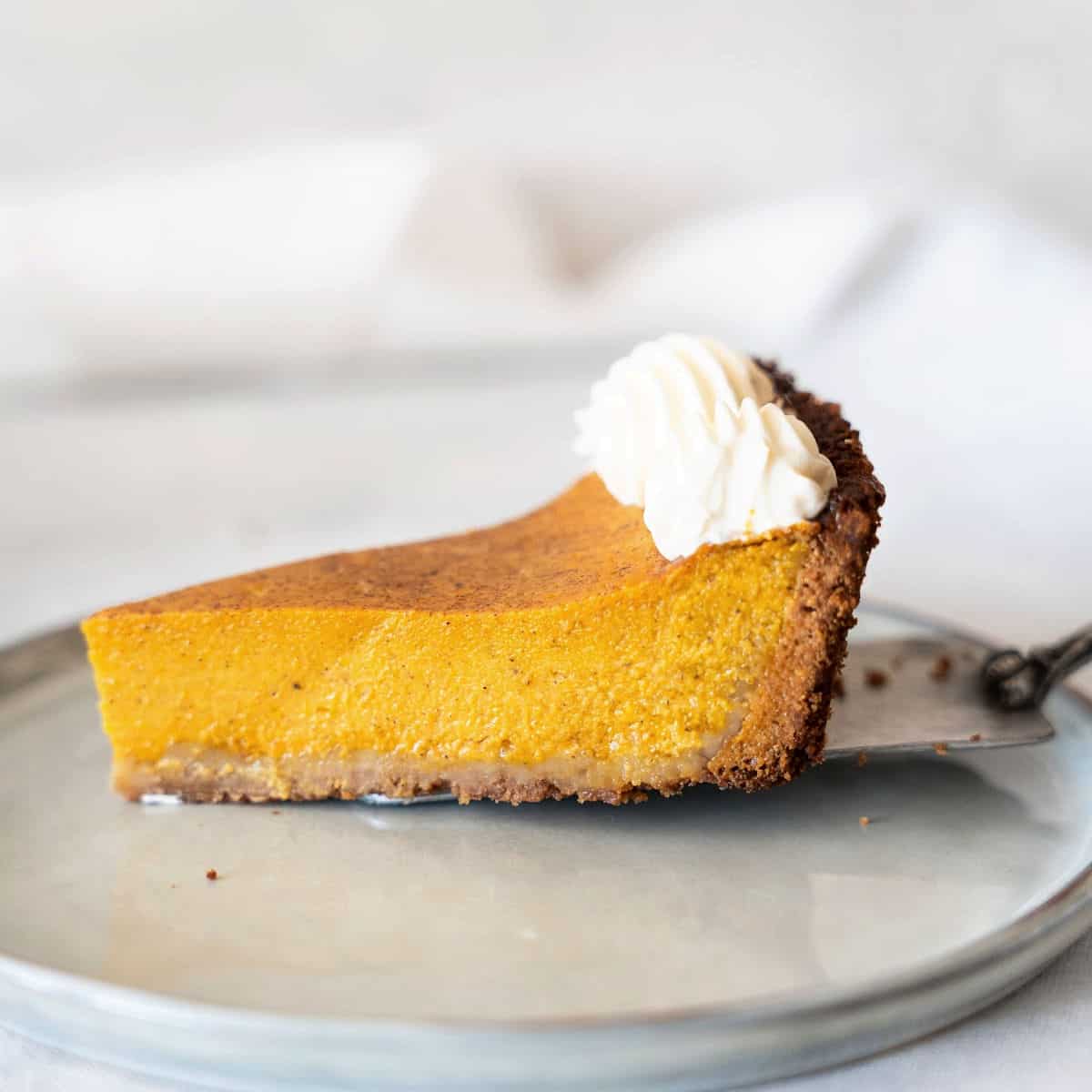
- Whipped cream: This is a classic garnish that is both light and fluffy, and it pairs well with the rich flavors of the pie.
- Caramel sauce: This rich and decadent sauce is a perfect complement to the pumpkin filling.
- Cinnamon or nutmeg: These spices can be sprinkled on top of the pie for a warm and inviting aroma.
- Chopped nuts: Nuts add a crunchy texture and nutty flavor to the pie.
Accompaniments can also help to enhance the flavor and presentation of the pie. Some popular options include:
- Ice cream: A scoop of vanilla or pumpkin ice cream is a delicious way to cool down the pie and add a creamy texture.
- Fruit: Fresh or canned fruit, such as apples, pears, or cranberries, can be served alongside the pie for a refreshing contrast.
- Cookies: Cookies, such as graham crackers or shortbread, can be served with the pie for a crunchy and satisfying accompaniment.
By following these suggestions, you can create a beautiful and delicious custard pumpkin pie that will impress your guests.
Storage and Shelf Life
Storing your custard pumpkin pie properly will ensure its freshness and prevent spoilage. The pie can be kept in the refrigerator for up to three days, covered with plastic wrap or aluminum foil. For longer storage, the pie can be frozen for up to two months.
Factors Affecting Shelf Life
The shelf life of your custard pumpkin pie is affected by several factors, including:
- Temperature:The pie should be stored in a cool place, such as the refrigerator or freezer.
- Moisture:The pie should be kept covered to prevent moisture loss, which can cause the crust to become soggy.
- Air exposure:The pie should be protected from air exposure to prevent oxidation, which can cause the filling to discolor and develop off-flavors.
Extending Shelf Life
You can extend the shelf life of your custard pumpkin pie by following these tips:
- Use fresh ingredients:The fresher the ingredients, the longer the pie will last.
- Bake the pie thoroughly:A properly baked pie will have a firm crust and a set filling.
- Cool the pie completely:Allow the pie to cool completely before storing it in the refrigerator or freezer.
- Store the pie in an airtight container:This will help to prevent moisture loss and air exposure.
Nutritional Information
Custard pumpkin pie offers a delectable combination of nutrients that contribute to a balanced diet. Let's delve into the nutritional composition of this treat.
Each slice (1/8 of a 9-inch pie) provides approximately:
- Calories: 250-300
- Fat: 10-15 grams (saturated fat: 5-7 grams)
- Carbohydrates: 30-35 grams (sugar: 15-20 grams)
- Protein: 5-7 grams
- Fiber: 2-3 grams
Key Nutrients
Custard pumpkin pie is a good source of several essential nutrients, including:
- Vitamin A:Essential for vision, immune function, and skin health.
- Vitamin C:A powerful antioxidant that supports immune function and collagen production.
- Potassium:An electrolyte that helps regulate blood pressure and heart function.
- Fiber:Promotes digestive health, lowers cholesterol levels, and provides a feeling of fullness.
The presence of these nutrients makes custard pumpkin pie a nutritious addition to a balanced diet, offering potential health benefits such as improved vision, boosted immunity, and reduced risk of chronic diseases.
History and Origin
The origins of custard pumpkin pie can be traced back to medieval Europe, where similar pies were made using a variety of fillings, including pumpkin.
In the 17th century, English colonists brought the recipe to North America, where it became a staple dish, especially during the fall harvest season. Over time, the pie evolved, with the addition of spices like cinnamon and nutmeg, and the use of canned pumpkin in the 19th century.
Cultural Significance
Custard pumpkin pie has become an iconic symbol of American Thanksgiving and is often associated with family gatherings and the cozy atmosphere of the holiday season.
Troubleshooting: Recipe For Custard Pumpkin Pie

Here are some common problems that may occur during the preparation or baking of a custard pumpkin pie, along with practical solutions and tips to resolve these issues:
Cracked Crust
- Problem:The crust cracks during baking.
- Solution:To prevent cracking, blind bake the crust for 10-15 minutes before filling it with the custard. This will help to set the crust and prevent it from shrinking too much during baking.
Runny Custard
- Problem:The custard is runny after baking.
- Solution:Make sure to use the correct ratio of ingredients and bake the pie for the full amount of time. If the custard is still runny after baking, you can try returning it to the oven for a few more minutes.
Curdled Custard
- Problem:The custard curdles during baking.
- Solution:Curdling can occur if the eggs are added to the hot milk too quickly. To prevent curdling, temper the eggs by slowly whisking the hot milk into the eggs.
Soggy Bottom Crust
- Problem:The bottom crust of the pie is soggy.
- Solution:To prevent a soggy bottom crust, make sure to preheat the oven before baking the pie. You can also try baking the pie on a baking sheet to help distribute the heat evenly.
Tips and Techniques
Unlock the secrets of custard pumpkin pie perfection with these expert tips. Follow these techniques to elevate your pie's texture, flavor, and presentation, leaving a lasting impression on your taste buds.
Perfect Crust
- Use a combination of all-purpose flour and graham cracker crumbs for a flaky and flavorful crust.
- Work the butter into the flour until it resembles coarse crumbs to prevent a tough crust.
- Chill the dough before rolling it out to minimize shrinkage and ensure a crispy texture.
Smooth Custard, Recipe for custard pumpkin pie
- Temper the eggs by gradually whisking in the hot milk to prevent curdling.
- Strain the custard through a fine-mesh sieve to remove any lumps and ensure a silky smooth texture.
- Bake the pie in a water bath to create a moist and evenly cooked custard.
Gorgeous Presentation
- Sprinkle nutmeg or cinnamon over the pie before baking for a warm and inviting aroma.
- Use a sharp knife to cut clean slices, preventing the pie from crumbling.
- Serve the pie with a dollop of whipped cream or a scoop of vanilla ice cream for an extra touch of indulgence.
Conclusive Thoughts
As we conclude our exploration of Custard Pumpkin Pie, let us remember that this delectable treat is more than just a dessert; it is a symbol of warmth, comfort, and the joy of sharing special moments with loved ones. Whether you choose to savor it on a crisp autumn evening or during a festive holiday gathering, may this pie bring you countless moments of pure delight.


