Embark on a culinary journey as we delve into the tantalizing realm of goose jerky, a delicacy that has captivated taste buds for centuries. From the selection of the finest goose meat to the intricate art of marinating and dehydration, this guide will equip you with the knowledge and techniques to craft your own exceptional goose jerky. Whether you’re a seasoned hunter or a curious foodie, prepare to elevate your snacking experience to new heights.
As we unravel the secrets of goose jerky, we’ll explore the diverse flavors and textures that make this treat so irresistible. Discover the nuances of different marinades, the optimal dehydration methods, and the art of pairing your jerky with complementary dips and sauces. Get ready to embark on a gastronomic adventure that will leave you craving more.
Ingredients and Materials

To craft exquisite goose jerky, you will require a combination of select ingredients and essential equipment. These elements will guide you in transforming tender goose meat into a savory and delectable treat.
The cornerstone of this culinary endeavor is, of course, the goose meat itself. Opt for cuts that are lean and free of excessive fat, as these will yield the most optimal jerky. Seasonings play a pivotal role in imbuing the jerky with an array of flavors. A harmonious blend of salt, pepper, garlic powder, onion powder, and paprika forms the foundation of a classic goose jerky rub.
Equipment
Beyond the ingredients, you will also need a specialized set of tools to facilitate the jerky-making process. A dehydrator is paramount, as it provides the controlled environment necessary for drying the meat to perfection. Sharp knives are essential for slicing the goose meat into thin, uniform strips. Measuring tools, such as spoons and cups, ensure accurate proportions of seasonings.
Preparation and Marinating

Preparing goose meat for jerky involves several steps to ensure its quality and flavor. After trimming excess fat and sinew, the meat is sliced into thin strips, typically against the grain, to facilitate even drying and enhance tenderness.
Marinating the goose meat is a crucial step in infusing it with flavors and enhancing its preservation. Two primary marinating techniques are commonly employed: wet and dry marinating.
Wet Marinating
Wet marinating involves submerging the goose strips in a liquid marinade for an extended period, typically ranging from several hours to overnight. The marinade typically consists of a combination of flavorful ingredients such as soy sauce, vinegar, herbs, spices, and seasonings. Wet marinating allows the flavors to penetrate deeply into the meat, resulting in a more pronounced taste.
Dry Marinating
Dry marinating, also known as a rub, involves coating the goose strips with a blend of dry ingredients such as salt, pepper, herbs, and spices. This method allows the flavors to adhere to the surface of the meat, creating a flavorful crust. Dry marinating is generally less time-consuming than wet marinating, but it may not penetrate as deeply into the meat.
Dehydrating and Smoking
Once the goose jerky has been marinated, it’s time to dehydrate and smoke it. Dehydration removes moisture from the jerky, making it shelf-stable and chewy. Smoking adds flavor and aroma to the jerky.
Dehydrating
To dehydrate the goose jerky, place it on a wire rack set over a baking sheet. Preheat your oven to the lowest setting, usually around 150°F (65°C). Insert a meat thermometer into the thickest piece of jerky. Dehydrate the jerky for 4-8 hours, or until the internal temperature reaches 165°F (74°C).
Smoking
If desired, you can smoke the jerky after it has been dehydrated. To do this, preheat your smoker to 225°F (107°C). Place the jerky on the smoker racks and smoke for 2-4 hours, or until the jerky has reached your desired flavor and color.
For goose jerky, applewood chips or hickory chips are good choices. These woods will impart a sweet and smoky flavor to the jerky.
Storage and Serving
To ensure the longevity and quality of your goose jerky, proper storage is crucial. Store the jerky in airtight containers, such as resealable bags or glass jars, to prevent moisture and air from compromising its texture and flavor.
For optimal preservation, refrigeration or freezing is highly recommended. Refrigeration can extend the shelf life of goose jerky for up to 2 months, while freezing can preserve it for up to 6 months. Thaw frozen jerky in the refrigerator before consuming.
Serving Suggestions
Goose jerky can be enjoyed as a standalone snack or paired with various accompaniments to enhance its taste experience. Consider serving it with dips such as ranch dressing or barbecue sauce for an extra layer of flavor. Additionally, it can be incorporated into salads, sandwiches, or wraps for a protein-packed boost.
Final Review
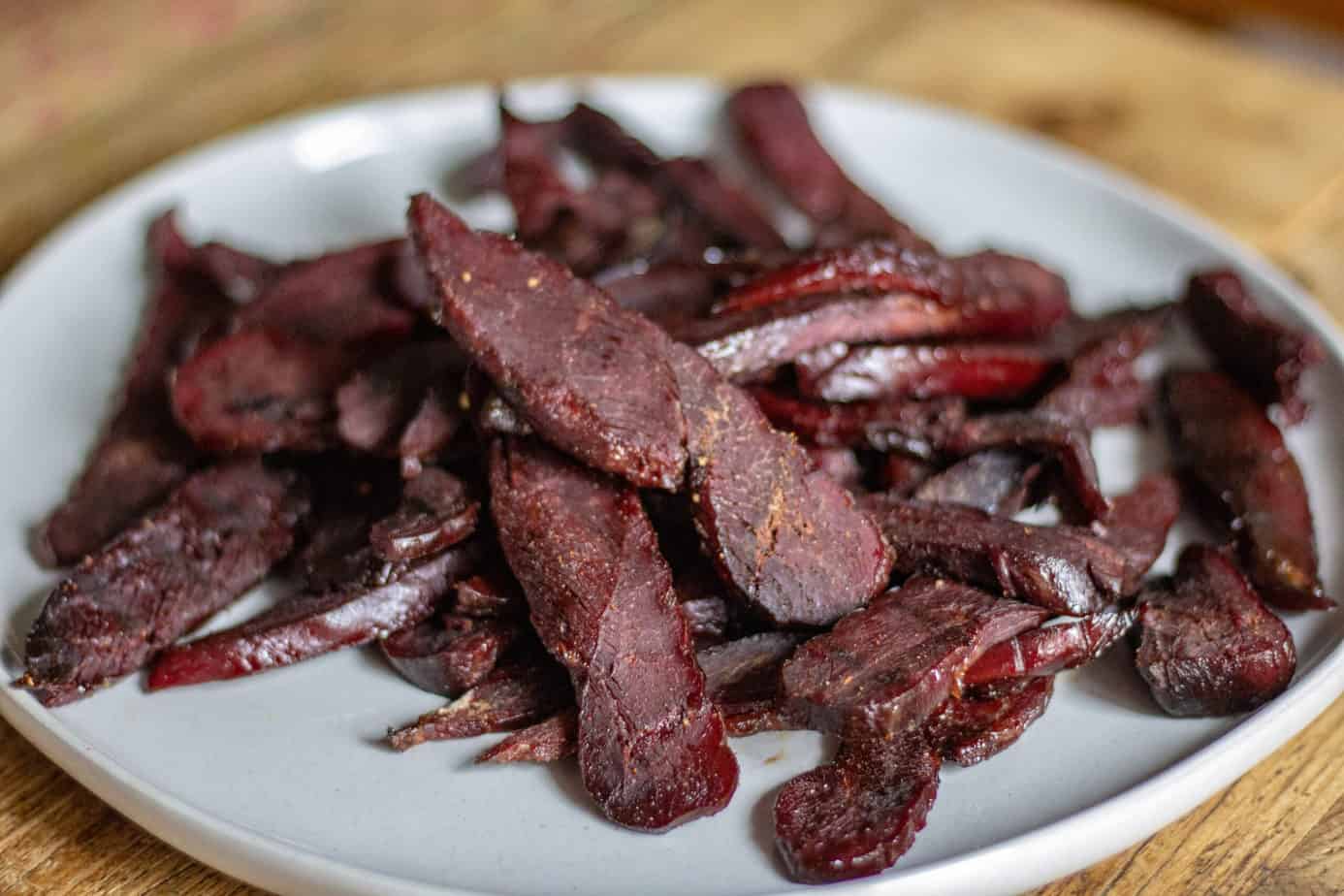
As we conclude our exploration of goose jerky, let us reflect on the culinary delights that this delicacy offers. From the initial preparation to the final taste, the creation of goose jerky is a testament to the power of patience, precision, and a passion for culinary excellence. Whether you choose to savor it as a standalone snack or incorporate it into your favorite recipes, goose jerky is sure to become a cherished part of your culinary repertoire.
Remember, the journey of creating goose jerky is not merely about following a set of instructions but about embracing the artistry of food preparation. Experiment with different marinades, dehydration techniques, and serving suggestions to find the perfect combination that suits your palate. As you embark on this culinary adventure, may your taste buds be tantalized and your love for food be reignited.
User Queries
What is the best cut of goose meat for making jerky?
For optimal flavor and texture, choose lean cuts of goose meat, such as the breast or thigh.
How long should I marinate the goose meat before dehydrating it?
The marinating time can vary depending on the marinade used. As a general guideline, marinate the meat for at least 12 hours, or up to 24 hours for a more intense flavor.
What is the ideal temperature for dehydrating goose jerky?
To achieve the desired texture and prevent spoilage, dehydrate the goose jerky at a temperature between 145°F (63°C) and 160°F (71°C).
How can I tell when the goose jerky is ready?
The jerky is ready when it is dry to the touch and has a slightly chewy texture. It should not be brittle or overly moist.