Embark on a culinary journey with our recipe for sauteed cauliflower, where simplicity meets delectable flavors. This versatile dish, a symphony of tender florets infused with aromatic spices, promises to tantalize your taste buds and nourish your body.
As we delve into the secrets of this culinary delight, you'll discover the perfect balance of ingredients, essential techniques, and creative variations that will elevate your cooking skills and impress your dinner guests.
Introduction
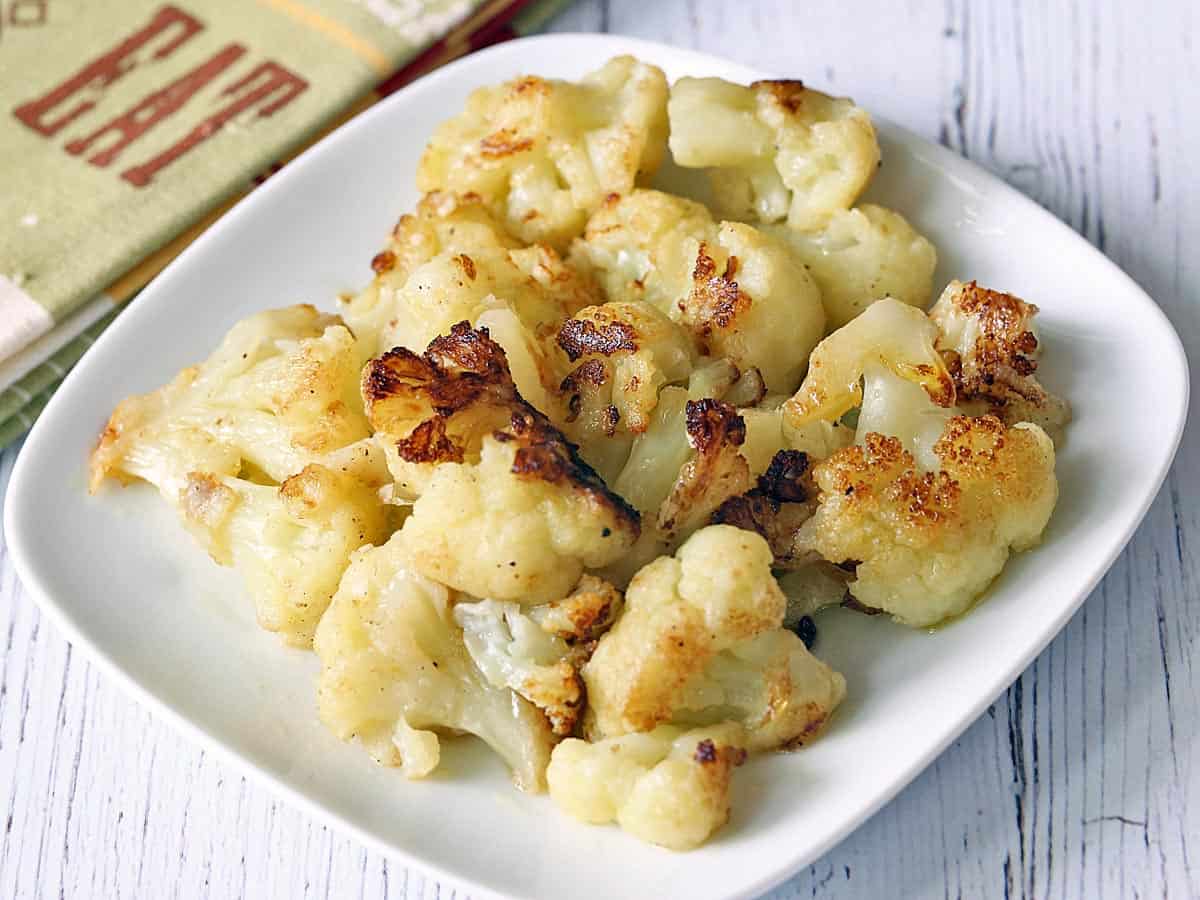
Sauteed cauliflower is a culinary delight, showcasing the versatility and flavor of this cruciferous vegetable. By browning the cauliflower florets in a pan with oil or butter, sauteing transforms its texture, creating a tender yet slightly crisp exterior while preserving its natural sweetness.
With roots in various cultures, sauteed cauliflower has been enjoyed for centuries. From the bustling streets of India to the rustic kitchens of Italy, this dish has evolved, adapting to local tastes and traditions, yet always retaining its essence as a simple yet satisfying dish.
Ingredients

The essential ingredients for sauteed cauliflower are:
- Cauliflower:A head of cauliflower, cut into florets.
- Olive oil:For sauteing the cauliflower.
- Salt and pepper:To season the cauliflower.
- Garlic:Minced garlic adds flavor to the dish.
- Onion:Chopped onion adds sweetness and depth of flavor.
You can also add other ingredients to your sauteed cauliflower, such as:
- Lemon juice:A squeeze of lemon juice adds brightness and acidity.
- Parmesan cheese:Grated Parmesan cheese adds richness and umami.
- Breadcrumbs:Panko breadcrumbs add a crispy texture.
Variations and Substitutions
If you don't have all of the ingredients on hand, you can make some substitutions:
- Olive oil:You can use any other type of cooking oil, such as vegetable oil or canola oil.
- Garlic:You can use garlic powder or garlic salt instead of fresh garlic.
- Onion:You can use shallots or leeks instead of onion.
Equipment
Sauteing cauliflower requires a few essential pieces of equipment to ensure a successful outcome. Choosing the right cookware and utensils will enhance the cooking process and contribute to the overall quality of the dish.
Cookware
An ideal pan for sauteing cauliflower is a large skillet or saute pan with high sides and a wide bottom. This allows for even distribution of heat and prevents overcrowding, ensuring that the cauliflower cooks evenly without steaming. A nonstick pan is recommended to prevent the cauliflower from sticking and burning.
The size of the pan should be large enough to accommodate the amount of cauliflower being cooked, with enough space for stirring and tossing.
Utensils, Recipe for sauteed cauliflower
Sharp knives are essential for slicing and dicing the cauliflower into uniform pieces. This helps ensure even cooking and prevents the cauliflower from breaking apart during the sauteing process. Additionally, clean work surfaces are crucial to prevent cross-contamination and maintain food safety.
Techniques: Recipe For Sauteed Cauliflower
Sauteing cauliflower is a simple yet flavorful cooking method that brings out its natural sweetness and versatility. Here's a step-by-step guide to master the technique:
Preparing the Cauliflower
Select fresh, firm cauliflower heads with tightly packed florets. Remove any leaves and cut the cauliflower into bite-sized florets. Rinse the florets thoroughly to remove any dirt or debris.
Seasoning and Marinating
Season the cauliflower florets with salt, pepper, and your preferred herbs and spices. You can also marinate the florets in a flavorful mixture of olive oil, lemon juice, and garlic for added depth of flavor.
Cooking Methods and Temperature Control
Heat a large skillet or sauté pan over medium heat. Add a drizzle of olive oil or butter to coat the pan. Once the oil is hot, add the seasoned cauliflower florets and spread them evenly in a single layer.
You can use this recipe for sauteed cauliflower as a side dish for a main course. Or, if you're looking for a dip, check out this lawson's chip dip recipe . The flavors are fantastic! You can then come back to this recipe for sauteed cauliflower and add your favorite spices to create your own unique dish.
Cook the cauliflower, stirring occasionally, until it is tender-crisp and slightly browned, about 5-7 minutes. Adjust the heat as needed to prevent burning. For a softer texture, cover the pan and cook for a few minutes longer.
Flavor Profiles
The versatility of sauteed cauliflower allows for a wide range of flavor profiles to be achieved, making it a customizable dish that can cater to diverse palates. By incorporating various ingredients and seasonings, you can transform this simple vegetable into a culinary delight.
Herbs, spices, and sauces play a pivotal role in enhancing the taste of sauteed cauliflower. Herbs like rosemary, thyme, and oregano add aromatic notes that complement the earthy flavor of the cauliflower. Spices such as cumin, coriander, and paprika provide warmth and depth, while sauces like teriyaki, soy sauce, or honey-mustard offer sweetness, umami, or tang.
Popular Flavor Combinations
- Mediterranean:Olive oil, garlic, lemon, oregano, and feta cheese
- Indian:Cumin, coriander, turmeric, ginger, and garam masala
- Asian:Soy sauce, sesame oil, ginger, garlic, and green onions
- Tex-Mex:Chili powder, cumin, paprika, garlic, and lime juice
- Italian:Garlic, basil, oregano, tomatoes, and Parmesan cheese
Nutritional Value
Cauliflower is an excellent source of nutrients, making it a valuable addition to a healthy diet. It is low in calories and fat, and it is a good source of fiber, vitamins, and minerals.
One cup of cooked cauliflower contains approximately:
- 25 calories
- 2 grams of fiber
- 100% of the daily recommended value (DV) for vitamin C
- 25% of the DV for vitamin K
- 10% of the DV for folate
- 5% of the DV for potassium
Health Benefits
Consuming cauliflower has been linked to several health benefits, including:
- Reduced risk of chronic diseases:Cauliflower contains antioxidants that can help protect cells from damage. These antioxidants may help reduce the risk of developing chronic diseases such as heart disease, cancer, and Alzheimer's disease.
- Improved digestion:The fiber in cauliflower can help improve digestion by promoting regularity and preventing constipation.
- Boosted immunity:The vitamin C in cauliflower helps support the immune system and protect the body from infection.
Comparison to Other Vegetables
Compared to other vegetables, cauliflower is a good source of several nutrients. For example, it contains more vitamin C than broccoli, and it is a good source of fiber, which is important for digestive health.
Cauliflower is also a relatively low-calorie vegetable, making it a good choice for people who are trying to lose weight or maintain a healthy weight.
Presentation
Presentation plays a crucial role in enhancing the visual appeal of sauteed cauliflower. By incorporating creative garnishes, sauces, and accompaniments, you can transform a simple dish into a culinary masterpiece.
Consider using colorful garnishes such as chopped parsley, chives, or toasted nuts to add a pop of color and texture. Sauces like a creamy lemon-herb sauce or a tangy tomato-based sauce can enhance the flavors and provide a glossy sheen to the cauliflower.
Plating Techniques
- Arrange the cauliflower florets in a circular pattern on a plate, creating a visually appealing centerpiece.
- Use a ring mold to shape the cauliflower into a neat and compact cylinder, then invert it onto a plate.
- For a more rustic presentation, pile the cauliflower loosely on a plate and drizzle with a flavorful sauce.
Accompaniments
Sauteed cauliflower is a versatile dish that pairs well with a variety of accompaniments. The key to choosing the right accompaniments is to consider the flavor and texture of the cauliflower. Sauteed cauliflower has a slightly sweet and nutty flavor, with a tender-crisp texture.
Accompaniments that complement these qualities will enhance the overall dining experience.
Main Courses
- Grilled or roasted meats: The savory flavors of grilled or roasted meats, such as steak, chicken, or fish, pair well with the sweet and nutty flavor of sauteed cauliflower.
- Curries: Sauteed cauliflower can be added to curries to add a bit of texture and sweetness. The spices in the curry will complement the flavors of the cauliflower.
- Stir-fries: Sauteed cauliflower can be added to stir-fries for a bit of extra crunch and flavor. The vegetables in the stir-fry will add color and nutrients to the dish.
Side Dishes
- Mashed potatoes: The creamy texture of mashed potatoes pairs well with the tender-crisp texture of sauteed cauliflower.
- Roasted vegetables: Roasted vegetables, such as carrots, parsnips, or Brussels sprouts, add a bit of sweetness and color to the plate.
- Salads: Sauteed cauliflower can be added to salads for a bit of extra crunch and flavor. The greens in the salad will add freshness and nutrients to the dish.
Variations
The classic sauteed cauliflower recipe is a versatile dish that can be customized to suit your taste and preferences. Here are a few variations to explore:
Vegetable Combinations:
- Add other vegetables to the cauliflower, such as broccoli, carrots, bell peppers, or onions.
- Use a mix of different colored cauliflower, such as purple, orange, or green.
Cooking Methods:
- Roast the cauliflower in the oven for a caramelized flavor.
- Steam the cauliflower for a tender and healthy option.
- Pan-fry the cauliflower in a cast-iron skillet for a crispy exterior.
Flavor Profiles:
- Add spices such as cumin, coriander, or turmeric for an Indian-inspired flavor.
- Use herbs such as rosemary, thyme, or oregano for a Mediterranean twist.
- Add citrus zest or juice for a bright and tangy flavor.
Unique and Innovative Variations:
- Cauliflower "Wings":Coat cauliflower florets in a buffalo sauce and bake or air-fry for a spicy and crispy treat.
- Cauliflower "Steak":Slice cauliflower into thick slabs and season with herbs and spices. Pan-fry or grill for a meaty alternative.
- Cauliflower "Arancini":Mix cooked cauliflower with risotto, cheese, and herbs. Form into balls, bread, and fry for a crispy and flavorful snack.
Troubleshooting
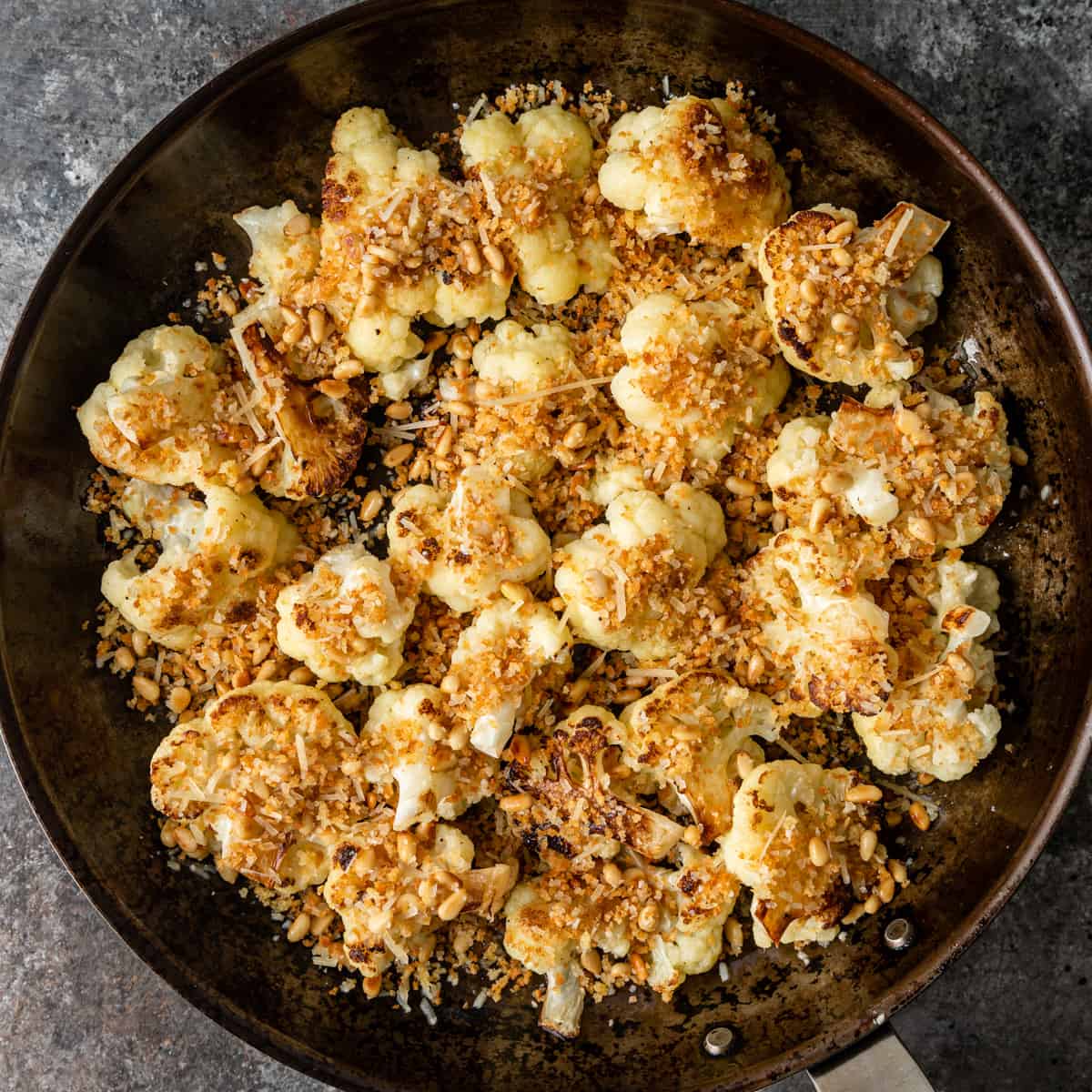
To ensure a perfectly sautéed cauliflower dish, it's crucial to address common problems that may arise during preparation and cooking. By understanding the science behind these issues, you can easily troubleshoot and achieve the desired results.
One potential problem is undercooked cauliflower. This can be easily remedied by extending the cooking time or using a higher heat setting. If the cauliflower is still too firm, cover the pan and steam it for a few minutes until tender.
Soggy Texture
If the cauliflower becomes soggy during sautéing, it's likely due to excess moisture. To prevent this, ensure the cauliflower is thoroughly dried before cooking. Additionally, avoid overcrowding the pan, as this can prevent the cauliflower from browning properly and release excess moisture.
Bland Flavor
To enhance the flavor of the cauliflower, season it generously with salt and pepper before sautéing. You can also add other spices and herbs, such as garlic powder, onion powder, or paprika, to taste. If the cauliflower still lacks flavor, consider using a flavorful cooking liquid, such as vegetable broth or white wine.
Closing Notes
Our recipe for sauteed cauliflower is not just a dish; it's an invitation to explore the boundless possibilities of healthy and flavorful cooking. Whether you're a seasoned chef or a culinary novice, this guide will empower you to create a dish that nourishes your body and delights your palate.
So gather your ingredients, ignite your stove, and let the culinary adventure begin!


