Recipe for seafood chowder irish – Prepare to embark on a culinary adventure as we delve into the secrets of seafood chowder, a beloved Irish dish that tantalizes taste buds worldwide. This hearty and flavorful soup showcases the bounty of the sea, promising an unforgettable dining experience.
Our exploration will navigate the intricacies of ingredient selection, cooking techniques, and flavor development, ensuring that your homemade seafood chowder becomes a cherished culinary triumph.
Ingredients

Irish seafood chowder is a hearty and flavorful dish that typically includes a variety of fresh seafood, vegetables, and herbs.
The following is a comprehensive list of ingredients commonly used in seafood chowder:
Seafood
- 2 pounds (900 grams) of mixed seafood, such as clams, mussels, shrimp, and cod
- 1 pound (450 grams) of smoked salmon or trout (optional)
Vegetables
- 2 onions, chopped
- 2 carrots, chopped
- 2 celery stalks, chopped
- 2 potatoes, peeled and diced
- 1 cup (240 ml) of frozen peas
Other Ingredients
- 4 cups (960 ml) of fish stock or clam juice
- 1 cup (240 ml) of dry white wine (optional)
- 1/2 cup (120 ml) of heavy cream
- 1 tablespoon (15 ml) of chopped fresh parsley
- 1 teaspoon (5 ml) of dried thyme
- Salt and pepper to taste
Cooking Techniques
Seafood chowder is a hearty and flavorful dish that combines the goodness of fresh seafood with a creamy broth. The cooking techniques involved in preparing this dish play a crucial role in achieving its optimal texture and taste.
The first step in making seafood chowder is sautéing. This technique involves cooking the vegetables, such as onions, celery, and carrots, in a pan with a small amount of oil. Sautéing helps to soften the vegetables and release their natural flavors, which form the base of the chowder.
Simmering
After the vegetables have been sautéed, the broth is added to the pan. The mixture is then brought to a simmer, which is a gentle boiling process. Simmering allows the flavors of the vegetables and seafood to meld together, resulting in a rich and flavorful broth.
Boiling
Once the chowder has simmered for some time, the seafood is added. The seafood is cooked by boiling it in the broth until it is just cooked through. Overcooking the seafood can make it tough and rubbery, so it is important to keep a close eye on it during this step.
Proper heat control and timing are essential for achieving the optimal texture and flavor in seafood chowder. Cooking the vegetables over too high heat can burn them, while cooking the seafood for too long can make it tough. By following the cooking techniques described above, you can create a delicious and satisfying seafood chowder that is sure to impress your family and friends.
Flavor Development
The addition of herbs, spices, and seasonings elevates the taste of seafood chowder to an exquisite level. These ingredients contribute distinct flavor notes that harmonize and create a symphony of tastes.
Herbs and Spices
Aromatic herbs like thyme, bay leaves, and parsley lend a subtle freshness that complements the delicate flavors of seafood. Spices such as paprika, cumin, and black pepper add warmth and depth, enhancing the richness of the broth.
Balancing Flavors
Striking the right balance of flavors is crucial. Begin by adding small amounts of herbs and spices and gradually adjust based on taste. Consider the intensity of each ingredient and its potential to overpower other flavors. A harmonious taste profile emerges when all elements blend seamlessly, creating a cohesive and satisfying experience.
Seafood Selection
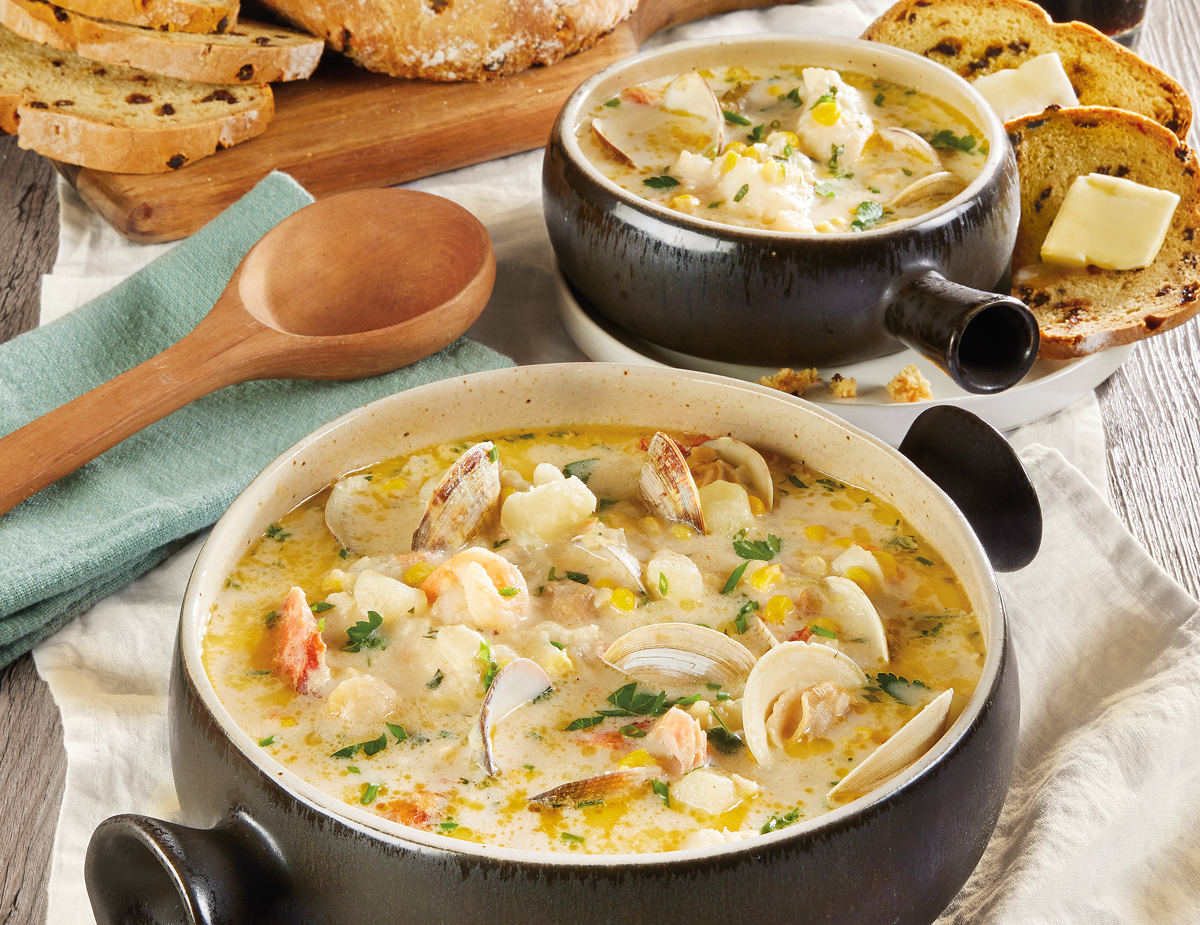
Seafood chowder is a versatile dish that allows for a wide range of seafood options. The choice of seafood depends on personal preference and availability, but certain factors should be considered to ensure the best results.
Freshness is paramount. Choose seafood that is firm, plump, and has a mild, briny aroma. Avoid seafood that is slimy, discolored, or has an off odor.
Fish
- White fish, such as cod, haddock, and tilapia, are popular choices for chowder due to their mild flavor and flaky texture.
- Salmon and tuna add a richer flavor and can be used in combination with white fish.
Shellfish
- Clams and mussels are classic chowder ingredients, providing a sweet, briny flavor.
- Oysters and scallops offer a more delicate flavor and should be added towards the end of cooking to prevent overcooking.
Crustaceans
- Shrimp and lobster add a touch of luxury to chowder. They should be cooked briefly to maintain their tender texture.
- Crab meat is a versatile addition that can be used in combination with other seafood or as the main protein.
To prepare seafood for chowder, clean and remove any shells or bones. For clams and mussels, soak them in cold water for several hours to remove any sand or grit. For shrimp and lobster, remove the shells and devein them.
Broth Options
The broth is the backbone of any seafood chowder, providing depth of flavor and a rich base for the other ingredients. There are several types of broth that can be used, each with its own unique characteristics and advantages.
Fish Stock
- Made by simmering fish bones, heads, and tails in water with vegetables and herbs.
- Provides a rich, full-bodied flavor that is ideal for seafood chowder.
- Can be made from any type of fish, but white-fleshed fish like cod, haddock, or halibut are commonly used.
Vegetable Stock
- Made by simmering vegetables, such as onions, carrots, celery, and herbs, in water.
- Provides a lighter, more delicate flavor than fish stock.
- Can be used to create a vegetarian or vegan seafood chowder.
Clam Juice, Recipe for seafood chowder irish
- A natural byproduct of canned clams.
- Provides a briny, umami flavor that is characteristic of seafood chowder.
- Can be used to add depth and richness to the broth.
When choosing a broth, consider the overall flavor profile you want for your chowder. If you prefer a rich, bold flavor, fish stock is a good choice. For a lighter, more delicate flavor, vegetable stock is a better option. Clam juice can be added to either fish stock or vegetable stock to enhance the seafood flavor.
You can make your own broth from scratch or use store-bought options. If you are making your own broth, be sure to use fresh, high-quality ingredients. Simmer the broth for at least 30 minutes to allow the flavors to develop.
Store-bought broths can be a convenient option, but be sure to read the ingredient list carefully to avoid any unwanted additives.
Variations: Recipe For Seafood Chowder Irish
Seafood chowder, a culinary delight, boasts regional variations that reflect distinct cultural and historical influences. Three notable variations include New England clam chowder, Manhattan clam chowder, and Irish seafood chowder.
These variations differ in their ingredients, cooking techniques, and flavor profiles. Let’s explore these variations and understand the factors that have shaped their unique characteristics.
New England Clam Chowder
- Uses a clear broth made from clam juice and/or milk.
- Features diced clams, potatoes, onions, and celery.
- Often thickened with flour or cornstarch.
- Characterized by a creamy and slightly sweet flavor.
Manhattan Clam Chowder
- Employs a tomato-based broth.
- Includes clams, potatoes, onions, and celery, similar to New England chowder.
- Often seasoned with bacon, paprika, and thyme.
- Features a robust and savory flavor profile.
Irish Seafood Chowder
- Utilizes a fish stock or seafood stock as the base.
- Incorporates a variety of seafood, such as mussels, shrimp, cod, and salmon.
- Includes vegetables like potatoes, carrots, and leeks.
- Often seasoned with herbs such as thyme and bay leaves.
- Characterized by a rich and flavorful broth.
Garnish and Presentation
The final touches of garnish and presentation can elevate seafood chowder from a simple dish to a culinary masterpiece. Carefully selected garnishes not only enhance the flavors but also add visual appeal, making the chowder even more inviting.
Garnish Options
- Fresh Herbs:Sprinkle chopped fresh herbs such as parsley, chives, or dill over the chowder for a burst of aromatic freshness and vibrant color.
- Crispy Bacon:Crumbled crispy bacon adds a smoky, savory crunch that complements the richness of the chowder.
- Crusty Bread:Serve the chowder with slices of crusty bread to soak up the delicious broth and enjoy every savory bite.
- Lemon Wedges:A squeeze of fresh lemon juice brightens the flavors of the chowder and adds a refreshing tang.
Presentation Tips
- Bowl Choice:Opt for wide, shallow bowls to showcase the vibrant colors and textures of the chowder.
- Ladle Generously:Fill the bowls generously with chowder, leaving enough space for garnishes.
- Artistic Placement:Arrange the garnishes creatively, using contrasting colors and textures to create a visually appealing composition.
- Decorative Touches:Add decorative elements such as edible flowers or a sprig of rosemary to enhance the presentation.
Serving Suggestions
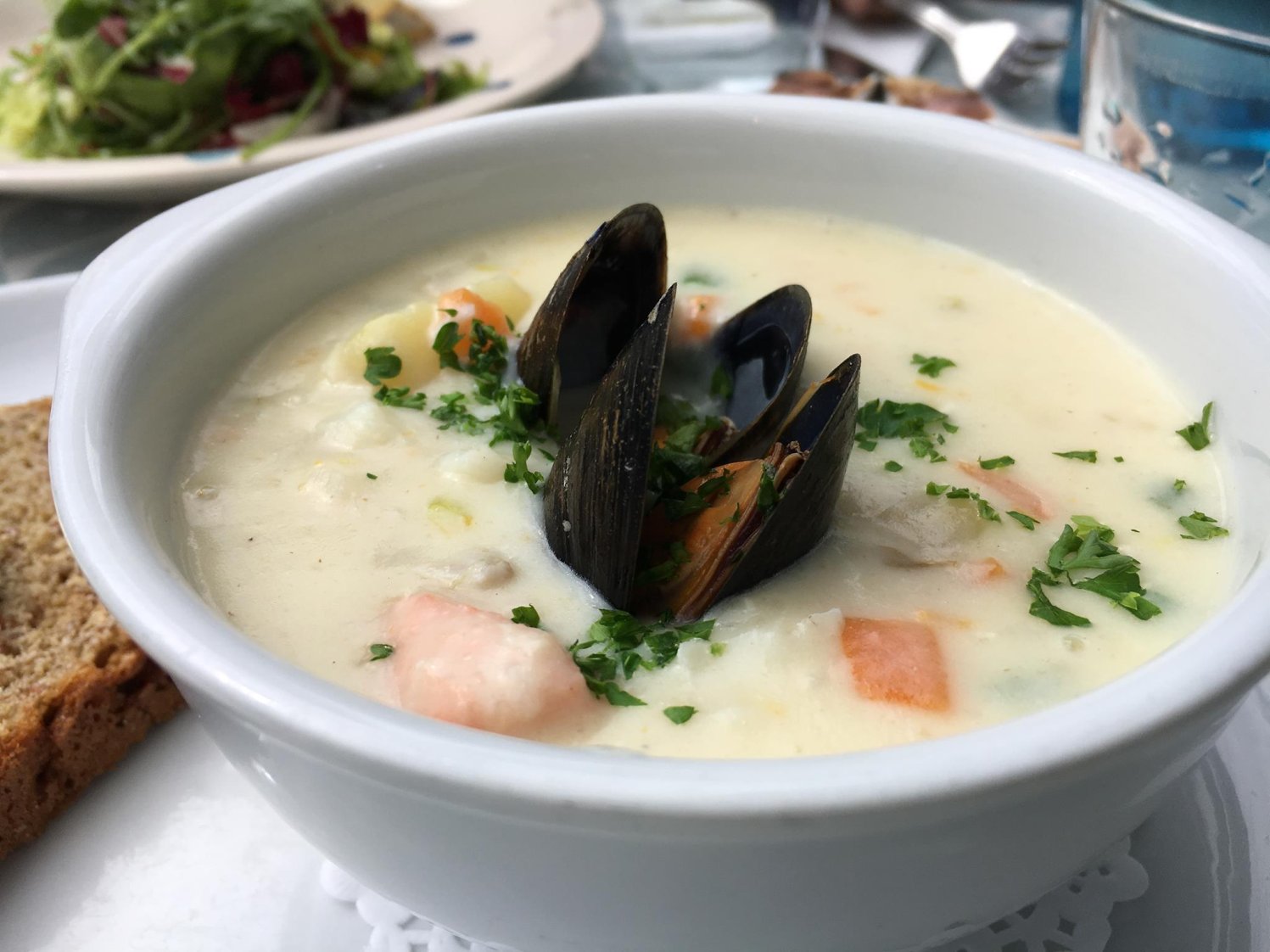
Seafood chowder is a versatile dish that can be enjoyed in various ways. To enhance your dining experience, consider pairing it with complementary side dishes and serving it at an optimal temperature.
If you’re looking for a twist on your seafood chowder, why not try adding some smoky heat with our bbq chipotle sauce recipe ? It’s the perfect complement to the rich flavors of the chowder. Plus, it’s incredibly easy to make and adds a unique depth of flavor to your favorite seafood dish.
Accompaniments
Complement the richness of seafood chowder with fresh salads, such as a light and crisp green salad or a tangy coleslaw. Crusty bread or crackers provide a satisfying contrast to the creamy soup, allowing you to soak up every flavorful bite.
Temperature
Serve seafood chowder piping hot to fully appreciate its comforting warmth and the melding of flavors. The ideal temperature is around 160-180°F (71-82°C), allowing you to savor the soup without burning your tongue.
Reheating and Storage
To reheat leftover seafood chowder, gently warm it over low heat on the stovetop or in the microwave, stirring occasionally to prevent scorching. Store leftover chowder in an airtight container in the refrigerator for up to 3 days or in the freezer for up to 3 months.
Thaw frozen chowder overnight in the refrigerator before reheating.
Health Considerations
Seafood chowder is a nutrient-rich dish that offers several health benefits. It is an excellent source of protein, which is essential for building and repairing tissues. Seafood is also rich in omega-3 fatty acids, which have anti-inflammatory properties and may reduce the risk of heart disease, stroke, and Alzheimer’s disease.
In addition, seafood chowder contains a variety of vitamins and minerals, including vitamin D, vitamin B12, iron, and zinc. These nutrients are essential for overall health and well-being.
Using Fresh, High-Quality Ingredients
To ensure that your seafood chowder is as nutritious as possible, it is important to use fresh, high-quality ingredients. This means choosing seafood that is wild-caught or sustainably farmed, and using fresh vegetables and herbs. Avoid using canned or processed ingredients, as these can contain harmful additives and preservatives.
Modifying the Recipe for Dietary Restrictions
If you have any dietary restrictions, you can easily modify this recipe to accommodate your needs. For example, if you are gluten-free, you can use gluten-free flour to thicken the chowder. If you are low-sodium, you can reduce the amount of salt in the recipe or use low-sodium broth.
Cultural Significance
Seafood chowder holds a significant place in Irish cuisine, deeply intertwined with the country’s history, traditions, and festivals. It is a beloved dish that has transcended its humble origins to become a culinary treasure enjoyed worldwide.
Role in Irish History and Traditions
Seafood chowder has been a staple of the Irish diet for centuries. During the Great Famine of the 1840s, it provided sustenance to impoverished coastal communities, as it was made with readily available seafood and simple ingredients.
Festivals and Celebrations
Seafood chowder is often associated with Irish festivals and celebrations. It is a popular dish at the Galway International Arts Festival, where it is served in abundance. The Kinsale Gourmet Festival also features seafood chowder prominently, showcasing the region’s culinary heritage.
Global Appeal
In recent decades, seafood chowder has gained immense popularity beyond Ireland’s shores. Its rich flavors and versatility have made it a favorite among seafood enthusiasts worldwide. It is now a staple dish in many restaurants and households, enjoyed for its comforting and satisfying taste.
Final Thoughts
As we conclude our journey into the world of seafood chowder, let us savor the memories and flavors we have created. This delectable dish not only nourishes our bodies but also warms our souls, reminding us of the rich cultural heritage that surrounds it.
Whether enjoyed on a chilly evening or as a comforting midday meal, seafood chowder remains an enduring testament to the culinary artistry of Ireland.