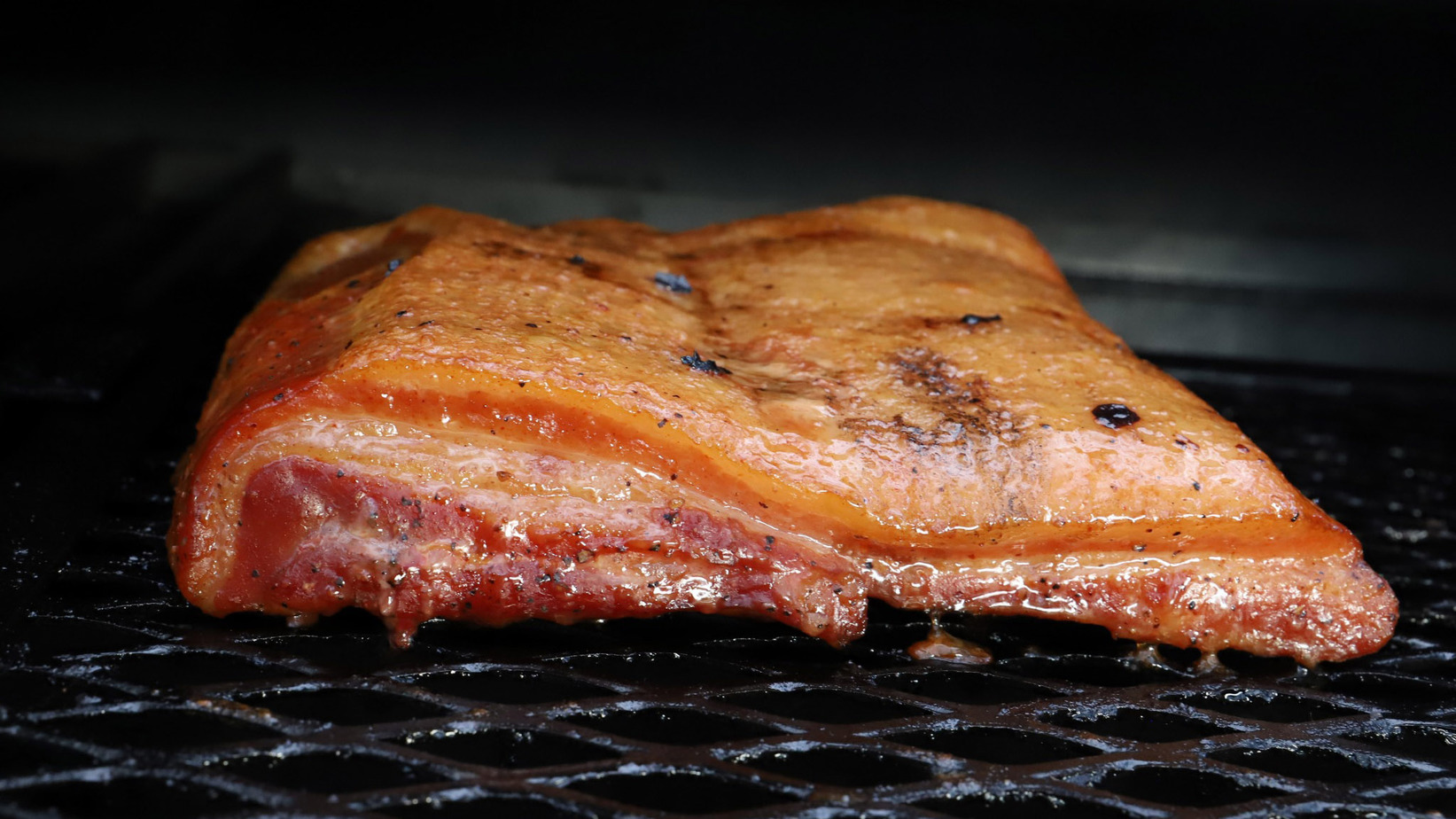
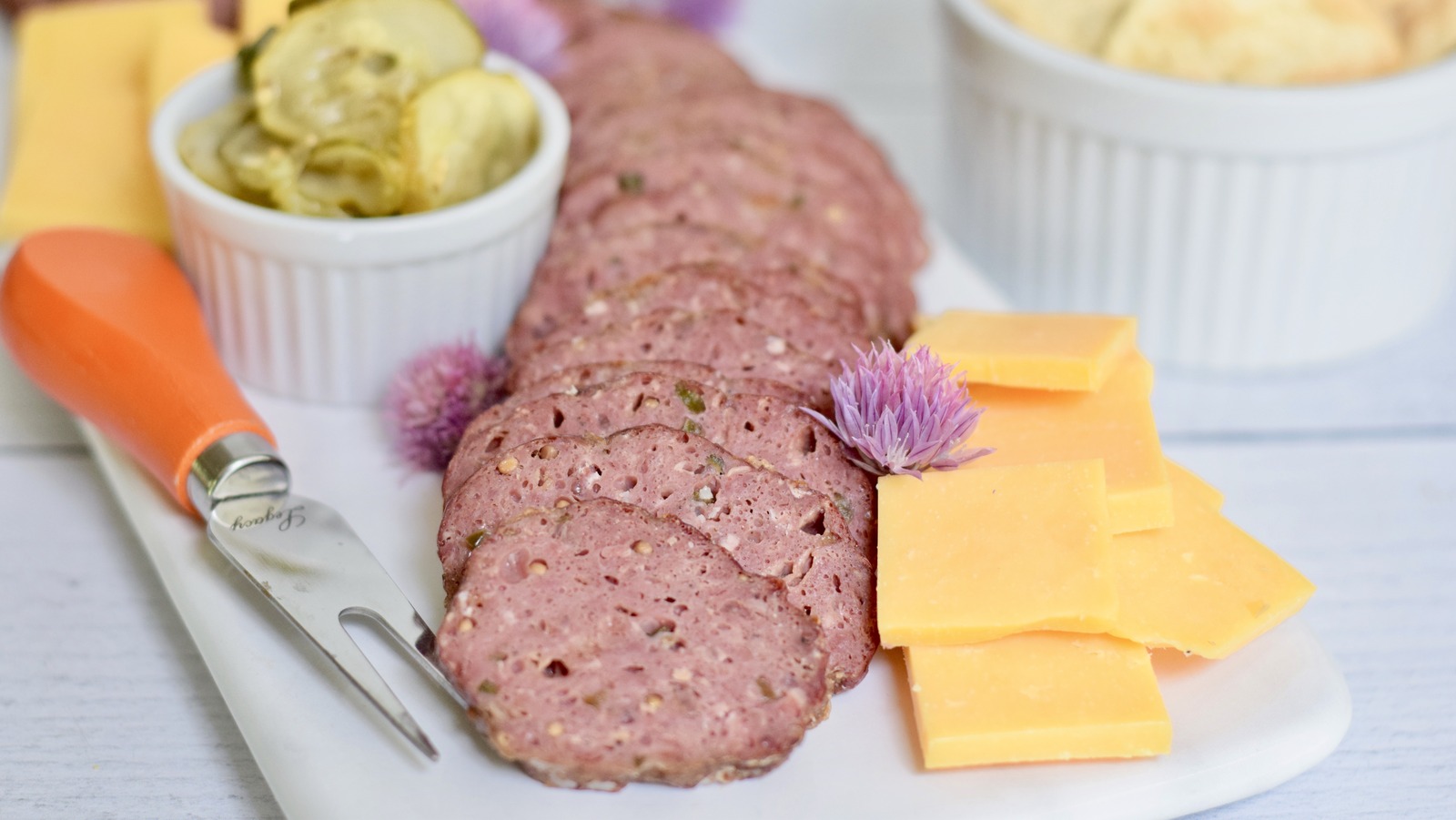
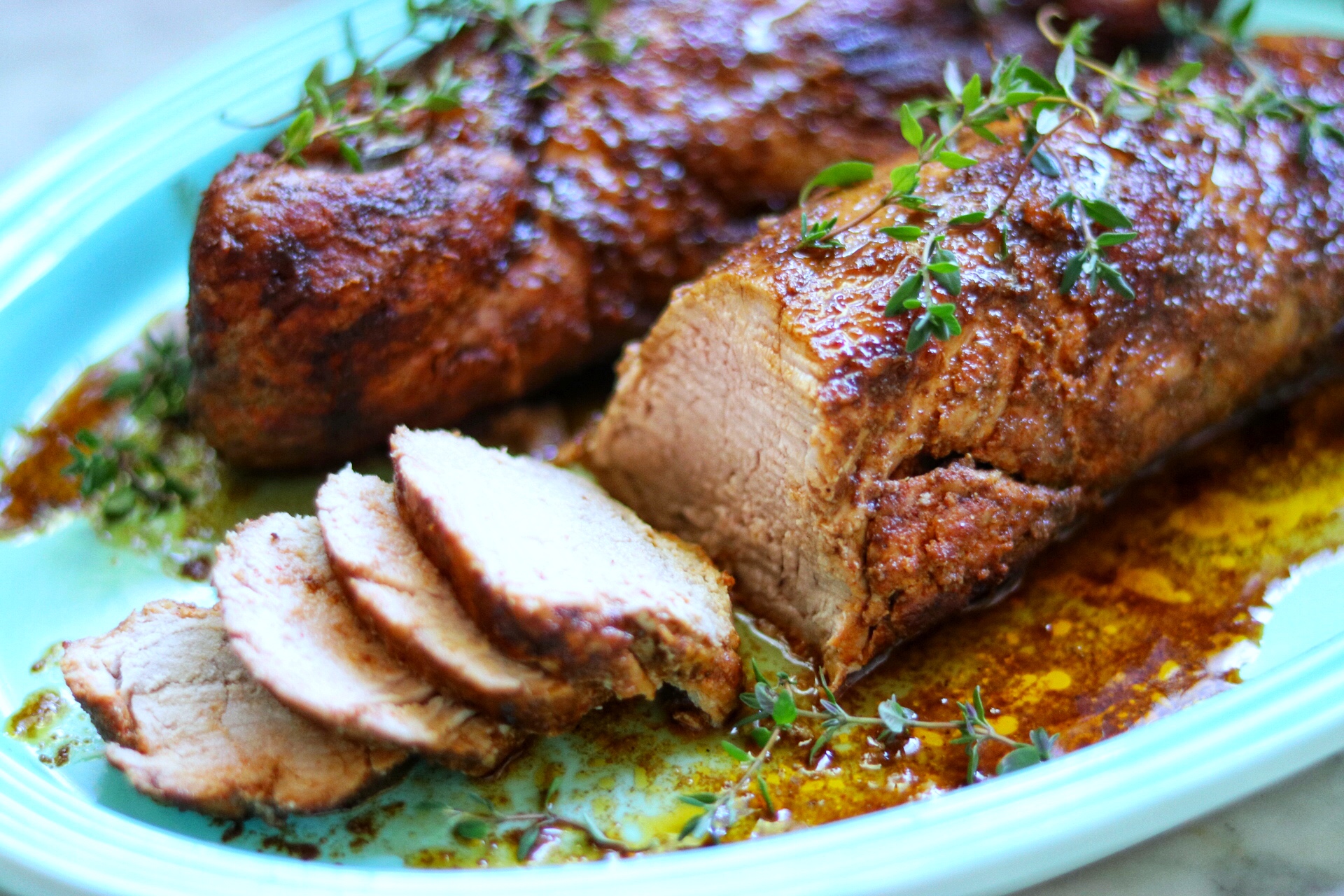
Recipe for smoking bacon - As the art of smoking bacon takes center stage, this comprehensive guide beckons you into a world of culinary delights. With a focus on imparting both knowledge and inspiration, this guide will equip you with the techniques and insights to transform ordinary bacon into an extraordinary delicacy.
From exploring the intricacies of different smoking methods to delving into the nuances of flavor profiles, this guide will empower you to create mouthwatering bacon that will tantalize your taste buds and impress your dinner guests.
Introduction
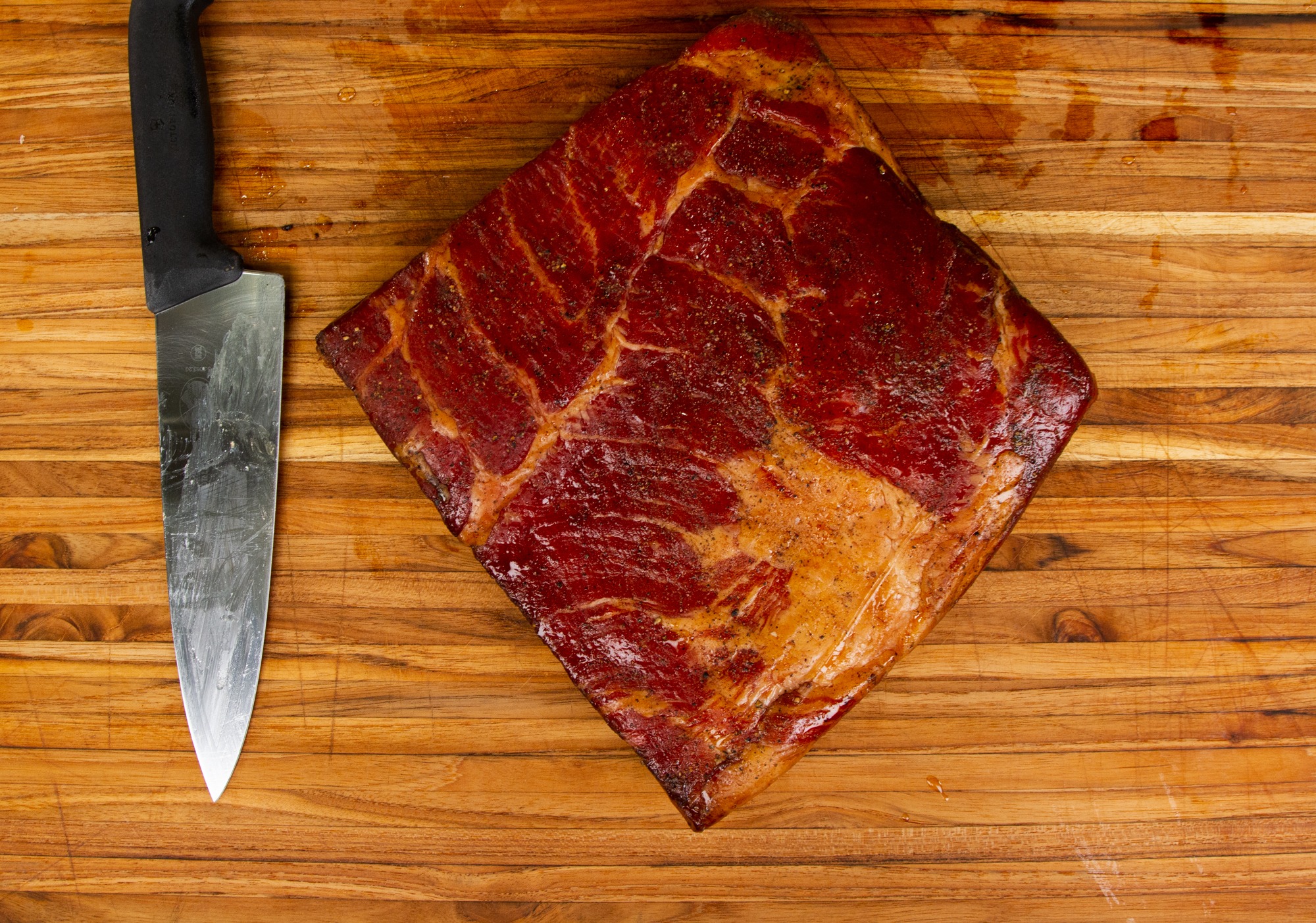
Bacon, a beloved culinary ingredient, has captivated taste buds worldwide with its savory and smoky allure. Its versatility in both cooking and flavoring makes it a staple in many cuisines.
The world of bacon is diverse, offering a range of options to suit different preferences. From the classic American-style bacon with its crisp texture and smoky flavor to the milder Canadian bacon with its sweeter undertones, each type carries its own unique characteristics.
Types of Bacon
The variety of bacon available reflects the diverse culinary traditions and preferences across the globe. Here are some of the most popular types:
- American Bacon:The quintessential bacon, known for its smoky flavor and crispy texture. Cured in a mixture of salt, sugar, and spices, it is typically cut from the pork belly and sliced into thin strips.
- Canadian Bacon:Also known as "peameal bacon," this Canadian delicacy is made from the leaner loin of the pig. It is wet-cured in a brine solution, resulting in a milder flavor and a more tender texture.
- Pancetta:An Italian bacon, pancetta is made from the pork belly and cured in a blend of salt, pepper, and herbs. It is typically rolled and aged for several months, developing a rich and nutty flavor.
- Guanciale:A type of Italian bacon made from the pig's jowl. Guanciale has a higher fat content than pancetta, giving it a more intense flavor and a slightly chewy texture.
- Streaky Bacon:Popular in the United Kingdom, streaky bacon is made from the pork belly and is characterized by alternating layers of fat and meat. It is typically sliced into thick strips and grilled or fried.
Smoking Techniques
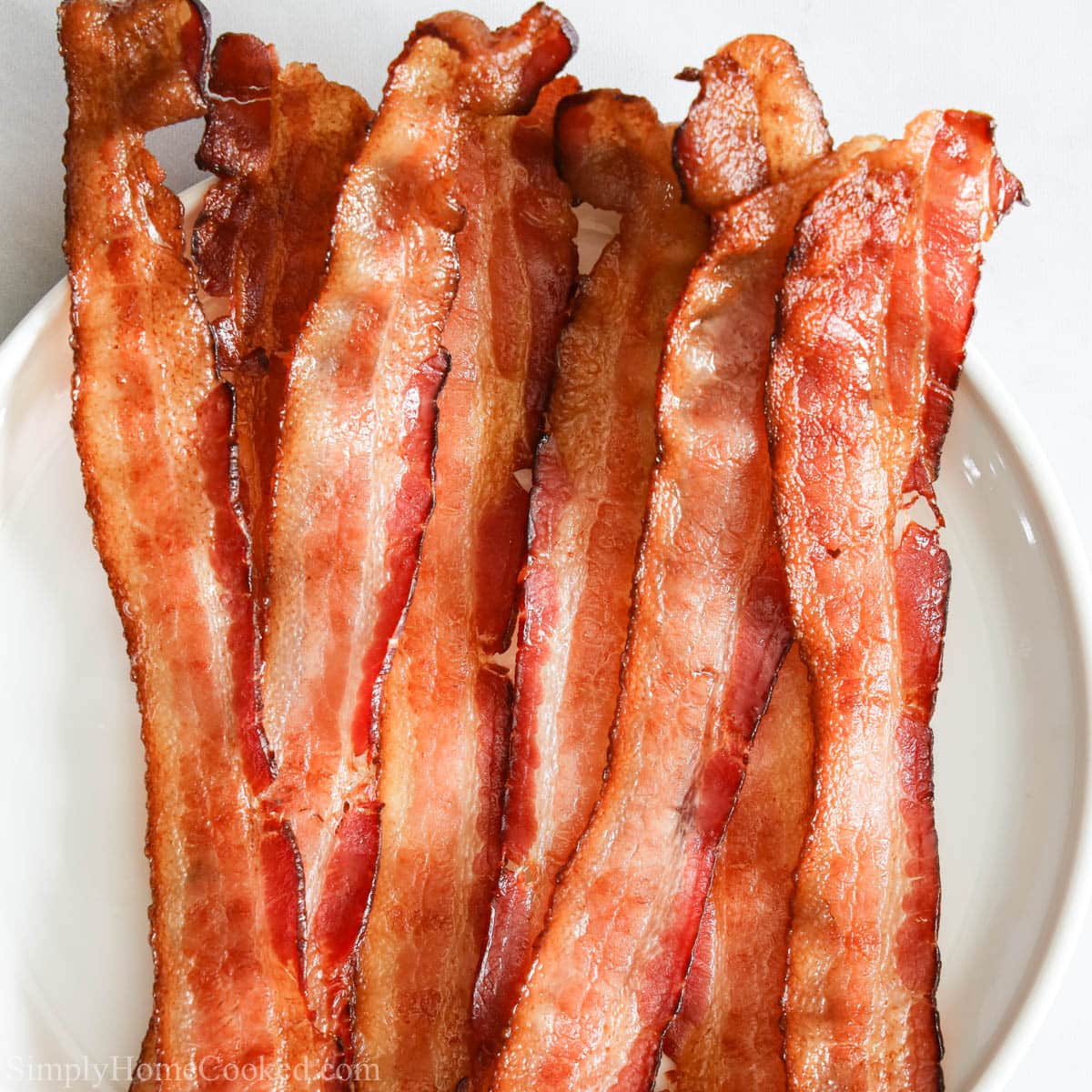
Smoking is a crucial process that enhances the flavor, texture, and shelf life of bacon. Different techniques exist, each with its advantages and disadvantages. Understanding these techniques is essential for achieving the desired results.
Cold Smoking
Cold smoking involves exposing bacon to smoke at temperatures below 90°F (32°C). This slow, gentle process allows for a mild, smoky flavor without cooking the bacon. Cold-smoked bacon has a longer shelf life due to the lower temperatures used.
Hot Smoking
Hot smoking exposes bacon to smoke at temperatures between 180°F (82°C) and 250°F (121°C). This method cooks the bacon while infusing it with a more intense smoky flavor. Hot-smoked bacon has a shorter shelf life compared to cold-smoked bacon.
If you're looking for a delicious and easy way to smoke bacon, look no further. Our recipe will give you the perfect results every time. And if you're looking for a refreshing drink to pair with your bacon, be sure to try our recipe for rhubarb wine . It's the perfect way to complement the smoky flavor of the bacon.
Liquid Smoke
Liquid smoke is a concentrated liquid that imparts a smoky flavor to bacon without the need for traditional smoking. It is a convenient option for those who do not have access to a smoker. However, it does not provide the same depth of flavor as traditional smoking techniques.
- Advantages of Cold Smoking:Mild smoky flavor, longer shelf life.
- Disadvantages of Cold Smoking:Slower process, requires refrigeration.
- Advantages of Hot Smoking:Intense smoky flavor, cooks the bacon.
- Disadvantages of Hot Smoking:Shorter shelf life, higher temperatures.
- Advantages of Liquid Smoke:Convenient, no special equipment required.
- Disadvantages of Liquid Smoke:Limited flavor compared to traditional smoking.
Selecting the Right Bacon for Smoking
The type of bacon used for smoking affects the final flavor and texture. Pork belly bacon is the traditional choice, providing a rich, fatty flavor. Canadian bacon, made from pork loin, has a leaner texture and milder flavor.
Smoking bacon is a delicious and versatile way to add flavor to your favorite dishes. If you're looking for a new way to enjoy pinto beans, try this New Mexico pinto beans recipe . This flavorful dish combines tender pinto beans with spices and a smoky bacon flavor.
It's a perfect side dish for any occasion, and it's easy to make. So next time you're looking for a delicious and easy recipe for smoking bacon, give this New Mexico pinto beans recipe a try.
Preparing the Bacon for Smoking
Before smoking, the bacon should be cured. This involves rubbing the bacon with a mixture of salt, sugar, and spices. Curing enhances the flavor and helps preserve the bacon.
Choosing the Appropriate Wood Chips or Pellets
The type of wood used for smoking influences the flavor of the bacon. Hickory and applewood are popular choices, imparting a strong and sweet flavor, respectively.
Setting Up the Smoker
Follow the manufacturer's instructions for setting up the smoker. Ensure the smoker is in a well-ventilated area and the temperature is controlled according to the desired smoking method.
Monitoring the Smoking Process
Monitor the bacon regularly during smoking. The internal temperature should reach 150°F (66°C) for cold smoking and 165°F (74°C) for hot smoking.
Cooling and Storing the Smoked Bacon
After smoking, let the bacon cool to room temperature before refrigerating or freezing. Smoked bacon can be stored for several weeks in the refrigerator or up to six months in the freezer.
"Smoking techniques are essential for enhancing the flavor of bacon. Different methods, such as cold smoking and hot smoking, offer unique flavor profiles and textures."
Curing Process: Recipe For Smoking Bacon
Curing bacon is a crucial step before smoking, as it enhances its flavor, texture, and shelf life. The curing process involves applying a mixture of salt, sugar, and spices to the pork belly, allowing it to absorb these ingredients over time.
If you're looking for a delicious and easy way to smoke bacon, then you'll love this recipe. It's perfect for any occasion, and it's sure to impress your guests. And if you're looking for even more delicious recipes, be sure to check out our ninja cooking system recipes . We have a wide variety of recipes to choose from, so you're sure to find something you'll love.
But don't forget to come back and try this recipe for smoking bacon. You won't be disappointed.
There are two main curing methods for bacon: dry curing and wet curing.
Dry Curing
- In dry curing, the pork belly is rubbed with the curing mixture and then stored in a refrigerator for several days or weeks.
- This method allows for greater control over the flavor and texture of the bacon, as the curing mixture can be customized to suit individual preferences.
- Dry curing also results in a firmer, drier bacon with a more concentrated flavor.
Wet Curing, Recipe for smoking bacon
- In wet curing, the pork belly is submerged in a brine solution containing the curing mixture.
- This method is faster than dry curing and results in a more evenly cured bacon.
- Wet curing also produces a bacon with a milder flavor and a more tender texture.
Regardless of the curing method used, it is important to ensure that the bacon is cured for the appropriate amount of time. Curing for too short a period will result in bacon that is under-seasoned and lacks flavor, while curing for too long can make the bacon overly salty and tough.
Equipment and Tools
Smoking bacon requires specific equipment and tools to ensure a successful and safe process. From smokers to curing containers, each piece plays a crucial role in achieving the desired flavor and texture.
Investing in high-quality smoking equipment is essential for consistent results. Look for reputable brands and consider factors such as durability, ease of use, and temperature control.
Smokers
Smokers come in various types, each with its advantages and disadvantages. Here's a comparison of electric, gas, and charcoal smokers:
Type Features Price Suitability for Smoking Bacon Electric
- Precise temperature control
- Easy to use
- Minimal maintenance
Mid-range Good for beginners and those with limited space Gas
- Convenient and quick to heat up
- Adjustable heat settings
- Can be bulky
Mid to high-range Suitable for larger batches and those who value convenience Charcoal
- Imparts a distinctive smoky flavor
- Requires more skill to operate
- Can be messy
Low to mid-range Ideal for those seeking a traditional smoky taste Other Essential Tools
- Curing container:A food-grade container for curing the bacon.
- Meat thermometer:To monitor the internal temperature of the bacon during smoking.
- Butcher's twine:For tying the bacon into bundles.
- Smoking chips or wood chunks:To generate smoke for flavoring the bacon.
Safety Gear
Smoking bacon involves handling hot equipment and smoke. Therefore, it's crucial to prioritize safety by wearing appropriate gear:
- Heat-resistant gloves:To protect hands from hot surfaces.
- Apron:To prevent clothing from getting stained or burned.
- Face mask:To avoid inhaling smoke.
End of Discussion
As you embark on this culinary adventure, remember that the true joy of smoking bacon lies in the experimentation and personalization. Whether you prefer a classic smoky flavor or a more adventurous blend of spices, the possibilities are endless. Embrace the journey, savor the results, and let the aroma of perfectly smoked bacon fill your home with warmth and contentment.