Embark on a culinary adventure with our comprehensive guide to recipes for yellow eye beans. These versatile legumes offer a mild and nutty flavor that complements a wide range of dishes, from traditional soups and stews to modern interpretations.
Discover the nutritional benefits, culinary applications, and pairing suggestions for yellow eye beans. We'll explore their rich flavor profile and showcase traditional recipes from different cultures, as well as innovative interpretations that push the boundaries of culinary creativity.
Nutritional Profile
Yellow eye beans are an excellent source of nutrients, providing a wide range of vitamins, minerals, and antioxidants.
Per 100 grams of cooked beans, they offer:
- Calories: 120
- Protein: 9 grams
- Fiber: 8 grams
- Iron: 2.5 milligrams
- Potassium: 400 milligrams
- Magnesium: 50 milligrams
- Vitamin B6: 0.2 milligrams
- Folate: 100 micrograms
- Antioxidants: Anthocyanins, flavonols, and isoflavones
Vitamins
Yellow eye beans are a good source of several vitamins, including:
- Vitamin B6: Essential for energy metabolism, red blood cell production, and brain function.
- Folate: Crucial for DNA synthesis, cell growth, and fetal development.
Minerals
Yellow eye beans are rich in minerals, including:
- Iron: Important for red blood cell production and oxygen transport.
- Potassium: Regulates fluid balance, blood pressure, and muscle function.
- Magnesium: Supports muscle and nerve function, blood sugar control, and bone health.
Antioxidants
Yellow eye beans contain antioxidants, such as anthocyanins, flavonols, and isoflavones, which help protect cells from damage caused by free radicals.
Culinary Applications
Yellow eye beans offer culinary versatility, seamlessly blending into various dishes. Their mild, nutty flavor complements soups, stews, and salads, adding a satisfying bite and nutritional value.
In hearty soups, these beans soak up flavorful broths, releasing their own subtle taste. In comforting stews, they become tender and absorb the rich flavors of the accompanying ingredients. When tossed into salads, yellow eye beans add a protein-packed, textural element, enhancing the overall appeal.
Soups and Stews
- Add to classic vegetable soups for a boost of protein and fiber.
- Incorporate into hearty beef or chicken stews for a satisfying and nutritious meal.
- Use in bean-based soups, such as Tuscan or minestrone, for a creamy and flavorful base.
Salads
- Toss into green salads for a protein-rich addition.
- Use in grain bowls or quinoa salads for a hearty and balanced meal.
- Add to pasta salads for a flavorful and nutritious twist.
Flavor Profile
Yellow eye beans boast a distinctive flavor profile that sets them apart from other bean varieties. Their mild and nutty taste is a culinary delight, lending itself well to a diverse range of cuisines.
The subtle nuttiness of yellow eye beans adds depth and richness to dishes without overpowering other flavors. Their creamy texture complements both savory and sweet preparations, making them a versatile ingredient in soups, stews, salads, and even desserts.
Culinary Applications
- Soups and Stews:Yellow eye beans add a hearty texture and nutty flavor to soups and stews, such as the classic French cassoulet or a hearty Tuscan bean soup.
- Salads:Their mild flavor makes them a great addition to salads, where they can add a creamy texture and a touch of protein.
- Main Dishes:Yellow eye beans can be used as a main dish, such as in a vegetarian chili or a creamy bean and vegetable curry.
- Desserts:In some cultures, yellow eye beans are even used in desserts, such as the traditional Brazilian dessert called "feijoada doce."
Traditional Recipes
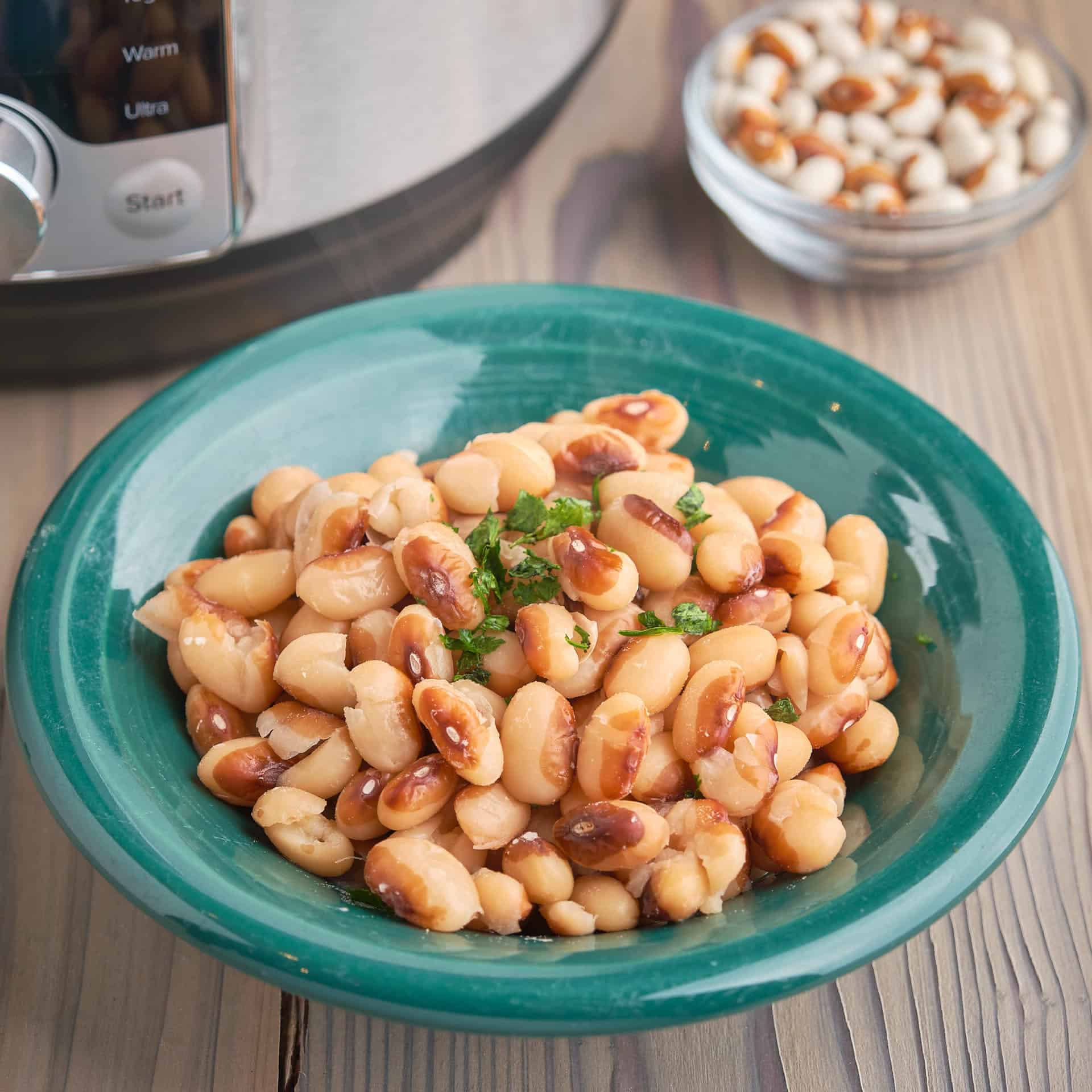
Yellow eye beans have found their way into the culinary traditions of many cultures worldwide. These beans are celebrated for their versatility and ability to absorb the flavors of their accompanying ingredients. From hearty soups and stews to flavorful salads and side dishes, yellow eye beans offer a diverse range of culinary applications.
Hoppin’ John
Hoppin' John is a classic Southern dish that is traditionally served on New Year's Day for good luck and prosperity. It is made with black-eyed peas (a type of yellow eye bean), cooked with rice, pork, and seasonings. The dish is believed to have originated in the African-American community during the era of slavery and has become a beloved tradition in the Southern United States.
Feijoada
Feijoada is a hearty Brazilian stew that is considered the national dish of the country. It is made with black beans (another type of yellow eye bean), pork, and various other meats, vegetables, and seasonings. Feijoada is typically served with rice and farofa (toasted manioc flour).
The dish is a testament to the diverse culinary heritage of Brazil, blending African, Portuguese, and indigenous influences.
Modern Interpretations: Recipes For Yellow Eye Beans
Yellow eye beans have transcended their traditional culinary confines, inspiring innovative and modern recipes that showcase their versatility. Chefs and home cooks alike are experimenting with these beans, incorporating them into a wide range of dishes beyond the classic bean soup and salad.
Yellow eye beans lend themselves to a variety of culinary techniques, including roasting, grilling, and sautéing. Their earthy flavor and creamy texture make them a welcome addition to salads, soups, stews, and even desserts.
International Inspirations
Modern interpretations of yellow eye beans often draw inspiration from international cuisines. For instance, they can be incorporated into Indian curries, Mexican tacos, and Mediterranean salads, adding a unique twist to these global flavors.
Fusion Dishes
Fusion dishes that combine elements from different cuisines also embrace yellow eye beans. These beans can be paired with ingredients such as quinoa, avocado, and feta cheese to create vibrant and flavorful salads that draw inspiration from both Mediterranean and South American traditions.
Plant-Based Cuisine
In the realm of plant-based cuisine, yellow eye beans are a valuable source of protein and fiber. They can be used as a meat substitute in burgers, tacos, and other dishes, providing a hearty and nutritious alternative to animal products.
While you're at it, why not try a mushroom ravioli filling recipe ? You'll love the earthy flavors and the creamy texture. And don't forget to come back for more yellow eye bean recipes!
Health Benefits
/yellow-eye-beans-bowl-2k-56a8c22c5f9b58b7d0f4dcb1.jpg "Eye cooker crockpot southernfood bean thespruce")
Yellow eye beans are packed with an array of nutrients that offer various health benefits. These beans are an excellent source of dietary fiber, protein, and antioxidants, contributing to overall well-being.
Consuming yellow eye beans has been linked to improved heart health. The high fiber content helps lower cholesterol levels, reducing the risk of cardiovascular diseases. Additionally, the antioxidants present in these beans protect against oxidative damage, which can contribute to heart disease.
Digestion
The soluble and insoluble fiber in yellow eye beans aids digestion. Soluble fiber absorbs water and forms a gel-like substance that slows down digestion, promoting satiety and regulating blood sugar levels. Insoluble fiber adds bulk to stools, preventing constipation and promoting regular bowel movements.
Blood Sugar Regulation
Yellow eye beans have a low glycemic index, meaning they release glucose slowly into the bloodstream. This helps maintain stable blood sugar levels, reducing the risk of spikes and crashes that can lead to insulin resistance and type 2 diabetes.
Pairing Suggestions
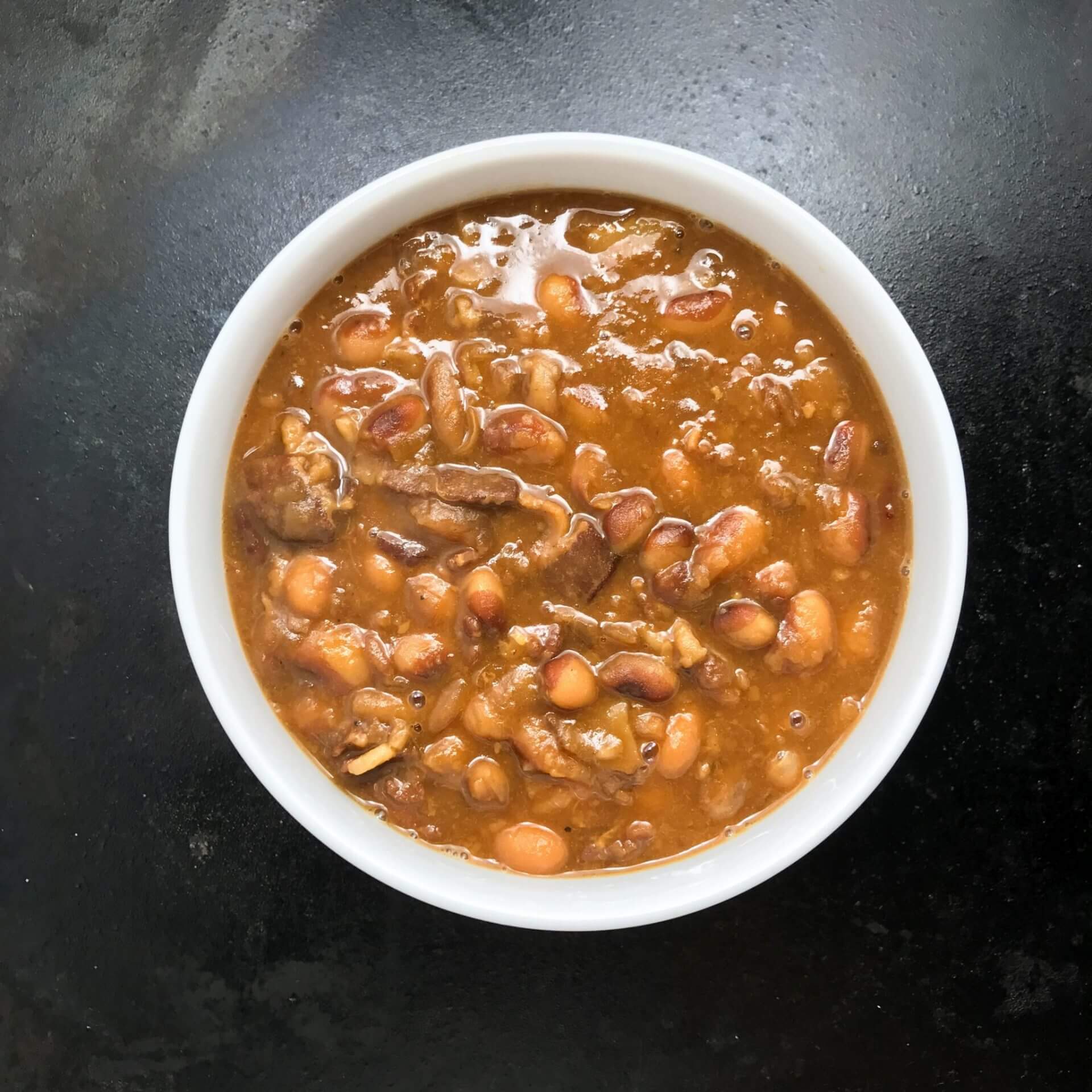
Yellow eye beans' mild flavor and creamy texture make them a versatile ingredient that pairs well with various other ingredients.
They complement the richness of meats like ham, bacon, and sausage, adding a hearty and comforting touch to dishes. Vegetables like onions, bell peppers, and corn add sweetness and crunch, while herbs like thyme, oregano, and rosemary enhance the beans' earthy flavor.
Pairing with Meats
- Smoked ham hocks infuse yellow eye beans with a smoky, salty flavor.
- Crispy bacon bits add a savory crunch and umami.
- Spicy sausage links provide a bold and flavorful contrast.
Pairing with Vegetables
- Sautéed onions and bell peppers add sweetness and a slight crunch.
- Roasted corn kernels bring a vibrant sweetness and a pop of color.
- Fresh spinach or kale add a boost of nutrients and a touch of bitterness.
Pairing with Herbs
- Fresh thyme brings a subtle earthy flavor and a hint of citrus.
- Dried oregano adds a warm, slightly bitter note.
- Rosemary's piney aroma and peppery flavor enhance the beans' depth.
Storage and Preparation
Yellow eye beans should be stored in an airtight container in a cool, dry place. They can be stored for up to 1 year. Before cooking, the beans should be sorted and rinsed. They should then be soaked in water for at least 4 hours, or overnight.
This will help to soften the beans and reduce cooking time.
Cooking Methods
Yellow eye beans can be cooked in a variety of ways. They can be boiled, simmered, or pressure cooked. The cooking time will vary depending on the method used. Boiled beans will take about 1 hour to cook, while simmered beans will take about 2 hours.
Pressure cooked beans will take about 30 minutes.
Table of Recipes
Yellow eye beans, with their distinct flavor and nutritional value, are versatile ingredients in various cuisines worldwide. This table showcases a diverse collection of recipes featuring yellow eye beans, ranging from traditional to modern interpretations.
Each recipe is presented with its name, a brief overview of the ingredients, and the cooking style involved. This table serves as a valuable resource for culinary enthusiasts seeking inspiration and guidance in incorporating yellow eye beans into their cooking.
Traditional Recipes, Recipes for yellow eye beans
- Hoppin' John (USA): A traditional Southern dish combining yellow eye beans, black-eyed peas, bacon, and spices, simmered in a flavorful broth.
- Fasolada (Greece): A hearty bean soup featuring yellow eye beans, tomatoes, onions, celery, and herbs, seasoned with olive oil and lemon juice.
- Loubia bil Zeit (Lebanon): A classic Lebanese stew made with yellow eye beans, tomatoes, onions, garlic, and spices, often served with rice or bread.
Modern Interpretations
- Yellow Eye Bean Salad with Roasted Vegetables: A vibrant salad combining yellow eye beans, roasted bell peppers, zucchini, onions, and a tangy dressing.
- Yellow Eye Bean and Chorizo Burritos: A flavorful fusion dish featuring yellow eye beans, chorizo, onions, peppers, and spices, wrapped in a warm tortilla.
- Yellow Eye Bean and Quinoa Burgers: A healthy and satisfying vegetarian burger made with yellow eye beans, quinoa, vegetables, and spices, served on a bun with your favorite toppings.
Visual Guide
Yellow eye beans are a versatile ingredient that can be prepared in a variety of ways. Here is a visual guide to some of the most popular methods:
Boiled: Yellow eye beans can be boiled until tender and then served as a side dish or added to soups and stews.
Fried: Yellow eye beans can be fried until crispy and then served as a snack or added to salads.
Baked: Yellow eye beans can be baked in the oven until tender and then served as a side dish or added to casseroles.
Slow-cooked: Yellow eye beans can be slow-cooked in a crock pot or Dutch oven until tender and then served as a side dish or added to soups and stews.
Sprouted: Yellow eye beans can be sprouted and then eaten raw or added to salads.
Conclusion
Whether you're a seasoned cook or just starting your culinary journey, our recipes for yellow eye beans will inspire you to create delicious and nutritious meals. Their versatility and health benefits make them a must-have in any kitchen, offering endless possibilities for culinary exploration.


