Ricotta filled ravioli recipe – Embark on a culinary journey with our ricotta-filled ravioli recipe, a symphony of flavors that will tantalize your taste buds. This delectable dish combines the smooth texture of ricotta cheese with the delicate embrace of homemade pasta, creating a harmonious blend that will leave you craving for more.
From selecting the finest ingredients to mastering the art of ravioli assembly, our comprehensive guide will empower you to craft this Italian delicacy in the comfort of your own kitchen. Prepare to indulge in a culinary experience that will transport you to the heart of Italy.
Ricotta Filling Creation
Preparing a delectable ricotta filling is essential for crafting exquisite ravioli. Let’s delve into the step-by-step process and explore various flavor variations.
Step-by-Step Instructions
- Combine 1 cup of ricotta cheese, 1/4 cup of grated Parmesan cheese, 1/4 cup of chopped fresh basil, 1/4 cup of chopped fresh parsley, 1 egg, and a pinch of salt and pepper in a bowl.
- Use a fork or spatula to mix the ingredients thoroughly until a smooth and creamy filling forms.
- Cover the bowl with plastic wrap and refrigerate for at least 30 minutes, allowing the flavors to meld.
Flavor Variations
- Spinach and Ricotta:Add 1/2 cup of cooked and chopped spinach to the ricotta filling for a vibrant green hue and earthy flavor.
- Roasted Red Pepper and Ricotta:Incorporate 1/2 cup of roasted red peppers, chopped, for a sweet and smoky taste.
- Lemon and Herb Ricotta:Add 1 tablespoon of lemon zest and 1 tablespoon of chopped fresh oregano to the filling for a refreshing and aromatic touch.
Ravioli Assembly
Assembling ravioli is a delicate process that requires precision and care. The goal is to create perfectly sealed pockets filled with a flavorful filling. There are several techniques for filling and sealing ravioli, and the choice of shape can affect the cooking process and presentation.
Filling the Ravioli
To fill the ravioli, place a small spoonful of filling in the center of each pasta sheet. The amount of filling will vary depending on the size of the ravioli, but it is important not to overfill them, as this can cause them to burst during cooking.
Once the ravioli are filled, brush the edges of the pasta sheet with water or egg wash. This will help to seal the ravioli and prevent them from opening during cooking.
Sealing the Ravioli
There are several ways to seal ravioli. One common method is to use a fork to press down on the edges of the pasta sheet, creating a series of small indentations. This method is simple and effective, and it creates a rustic look.
Another method for sealing ravioli is to use a ravioli press. A ravioli press is a specialized tool that cuts and seals the ravioli in one step. This method is faster and more efficient than using a fork, and it creates a more uniform look.
Ravioli Shapes
Ravioli can be made in a variety of shapes, including square, round, and triangular. The shape of the ravioli can affect the cooking process and presentation.
Square ravioli are the most common shape, and they are easy to make and cook evenly. Round ravioli are also popular, and they have a more elegant appearance. Triangular ravioli are less common, but they can be a fun and creative way to present your dish.
Cooking Methods
After assembling your delectable ravioli, it’s time to embark on the culinary journey of cooking them. Discover the diverse methods available, each promising a unique flavor and texture experience.
Boiling
Boiling is a classic and straightforward technique that yields tender and succulent ravioli. Submerge the ravioli in a large pot of generously salted boiling water. Stir gently to prevent sticking, and cook until they float to the surface, which typically takes 3-4 minutes.
Immediately remove the ravioli using a slotted spoon to prevent overcooking.
Steaming
Steaming offers a gentle and healthy alternative to boiling. Place the ravioli in a steamer basket lined with parchment paper. Steam over boiling water for 5-7 minutes, or until cooked through. Steamed ravioli retain their delicate texture and vibrant colors, making them a visually appealing option.
Baking
For a crispy and flavorful twist, consider baking your ravioli. Preheat your oven to 375°F (190°C). Spread the ravioli on a lightly greased baking sheet and brush with melted butter or olive oil. Bake for 15-20 minutes, or until golden brown and heated through.
Baked ravioli offer a delightful crunch and are perfect for serving as an appetizer or main course.
Sauces and Accompaniments
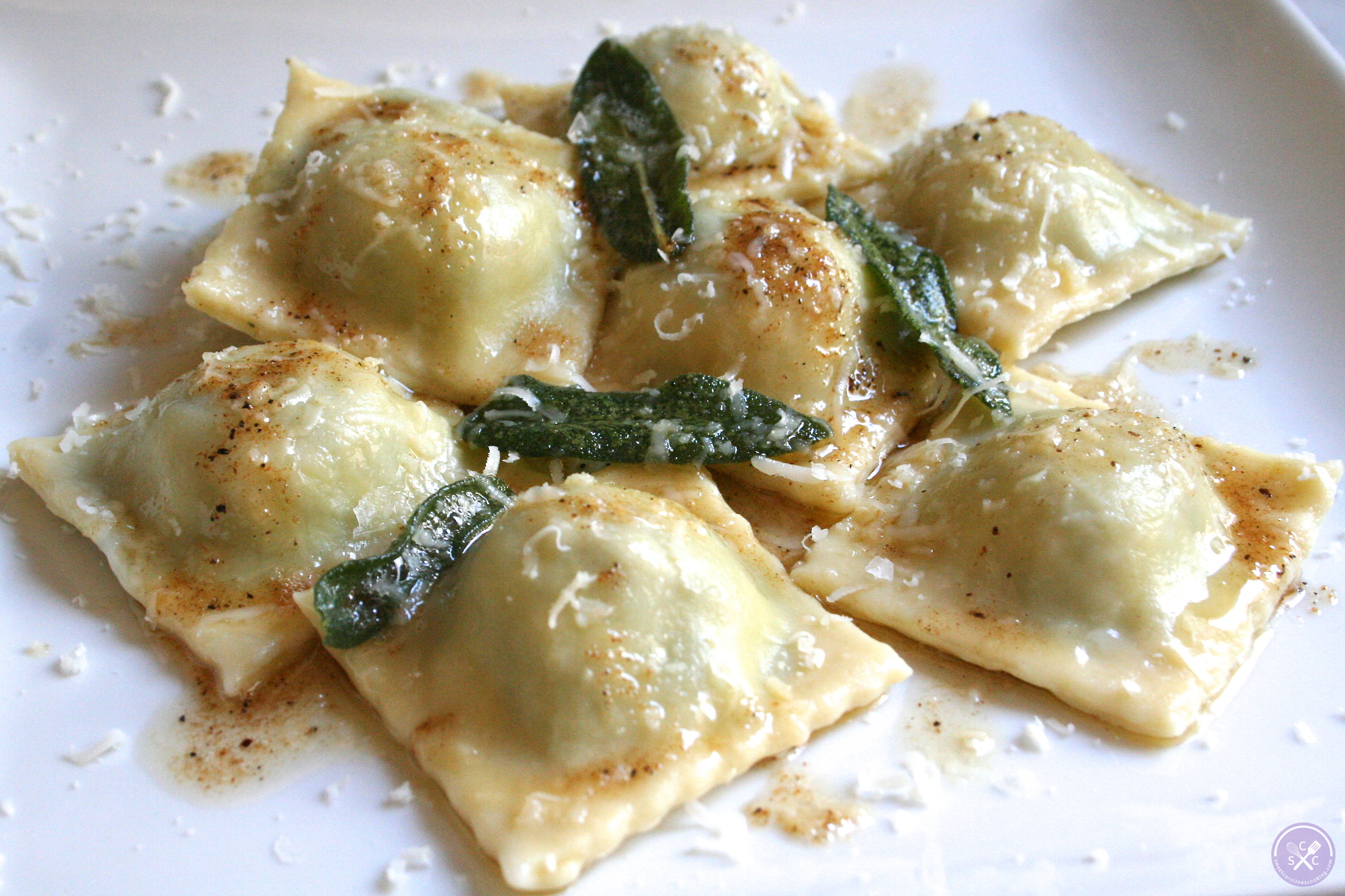
Ravioli filled with ricotta cheese pairs well with a variety of sauces and accompaniments. From classic tomato sauce to creative pesto variations, the possibilities are endless. Sauces not only enhance the flavor of the ravioli but also add visual appeal to the dish.
Classic Sauces, Ricotta filled ravioli recipe
- Tomato Sauce:A classic pairing for ricotta-filled ravioli, tomato sauce is made with fresh or canned tomatoes, garlic, onion, and herbs. It can be simmered for hours to develop a rich and flavorful sauce.
- Alfredo Sauce:A creamy and indulgent sauce, Alfredo sauce is made with butter, heavy cream, Parmesan cheese, and nutmeg. It coats the ravioli in a rich and luxurious sauce.
- Pesto Sauce:A vibrant and herbaceous sauce, pesto sauce is made with fresh basil, pine nuts, Parmesan cheese, garlic, and olive oil. It adds a bright and flavorful touch to ricotta-filled ravioli.
Creative Sauces
- Roasted Red Pepper Sauce:Made with roasted red peppers, garlic, onion, and vegetable broth, this sauce has a sweet and smoky flavor that complements the ricotta filling.
- Mushroom Sauce:Sautéed mushrooms in a creamy sauce made with butter, flour, and milk add a savory and earthy flavor to the ravioli.
- Walnut-Parsley Pesto:A twist on classic pesto, this sauce incorporates walnuts and parsley for a nutty and herbaceous flavor.
Accompaniments
- Grated Parmesan Cheese:A sprinkling of grated Parmesan cheese adds a salty and nutty flavor to the ravioli.
- Fresh Herbs:Chopped fresh herbs, such as basil, oregano, or parsley, add a vibrant and aromatic touch to the dish.
- Roasted Vegetables:Roasted vegetables, such as broccoli, zucchini, or bell peppers, provide a colorful and flavorful accompaniment to the ravioli.
Storage and Reheating: Ricotta Filled Ravioli Recipe
:max_bytes(150000):strip_icc()/__opt__aboutcom__coeus__resources__content_migration__serious_eats__seriouseats.com__recipes__images__2015__02__20150218-ravioli-niki-achitoff-gray-edit-5-b6601b157ec642808145488f568f8383.jpg "Ravioli ricotta spinach italy italytravelandlife ingredients")
Storing and reheating ricotta-filled ravioli properly is crucial to preserve its freshness and delicate texture.
Storage:To maintain optimal quality, store uncooked ravioli in an airtight container lined with parchment paper in the refrigerator for up to 3 days. For longer storage, freeze the ravioli in a freezer-safe bag or container for up to 2 months.
Reheating:Reheating ravioli without compromising its texture requires gentle methods. Here are two effective ways:
Boiling
Place the ravioli in a large pot of boiling salted water. Gently stir to prevent sticking and cook for 2-3 minutes, or until they float to the surface. Remove with a slotted spoon and drain well.
Steaming
Place the ravioli in a steamer basket over a pot of simmering water. Cover and steam for 5-7 minutes, or until heated through.
Variations and Adaptations
The versatility of ricotta-filled ravioli allows for endless experimentation. Embrace your creativity by trying different ricotta fillings, dough flavors, and sauces to create unique dishes that cater to your taste preferences and dietary needs.
For a richer filling, incorporate herbs such as basil, parsley, or chives. To add a touch of sweetness, mix in some grated nutmeg or a drizzle of honey. If you prefer a savory filling, consider adding sautéed mushrooms, spinach, or roasted red peppers.
Dough Flavors
- Enhance the dough’s flavor by infusing it with herbs such as rosemary, thyme, or oregano.
- Add a vibrant color and earthy flavor by kneading in pureed spinach or beet juice.
- For a more rustic touch, use whole-wheat flour or a blend of different flours.
Sauces and Accompaniments
Experiment with various sauces to complement the delicate flavors of the ravioli. A classic tomato sauce can be elevated with the addition of fresh herbs, roasted vegetables, or a touch of cream.
For a lighter option, try a lemon-butter sauce or a simple olive oil and garlic drizzle. To add a touch of elegance, serve the ravioli with a rich mushroom cream sauce or a flavorful pesto.
Dietary Adaptations
Adapt the recipe to accommodate dietary restrictions or preferences. For a gluten-free version, use a gluten-free flour blend for the dough. To make the filling dairy-free, substitute ricotta with a plant-based alternative such as tofu or cashew cream.
For a vegan version, replace the egg in the dough with a flax egg or a mixture of water and chia seeds. Additionally, ensure that the chosen sauce and accompaniments are also vegan-friendly.
Conclusive Thoughts

As you savor the last bite of your homemade ricotta-filled ravioli, let the flavors linger on your palate, a testament to your culinary prowess. Whether you’re a seasoned chef or a novice in the kitchen, this recipe will guide you through every step, ensuring that you create a dish that will impress your family and friends.
Experiment with different fillings, sauces, and presentation techniques to make this recipe your own. Remember, cooking is an art form, and your creations are a reflection of your passion and creativity. So, don your apron, gather your ingredients, and embark on this culinary adventure today!