Dive into the culinary wonders of South India with our Sambar Recipe Instant Pot, where flavors dance in perfect harmony. This beloved dish, a staple in many Indian households, now becomes effortlessly accessible with the convenience of an Instant Pot.
Prepare to embark on a taste adventure as we guide you through the intricacies of this delectable delicacy. With its vibrant blend of spices, tender vegetables, and wholesome lentils, Sambar promises a symphony of flavors that will tantalize your taste buds.
Ingredients
The Sambar recipe in an Instant Pot requires a combination of spices, vegetables, and lentils to create a flavorful and aromatic dish. Each ingredient plays a crucial role in contributing to the overall taste and texture of the Sambar.
Essential Ingredients
- Turmeric Powder:A vibrant yellow spice that adds a warm, earthy flavor and color to the Sambar.
- Red Chili Powder:Provides a spicy kick to the dish, adding heat and depth of flavor.
- Coriander Powder:A nutty and aromatic spice that balances the heat of the chili powder and adds a hint of sweetness.
- Cumin Seeds:Adds a warm, earthy flavor and enhances the overall aroma of the Sambar.
- Mustard Seeds:Tiny black seeds that pop and release a pungent flavor when heated, adding a sharp and tangy note to the dish.
- Fenugreek Seeds:Small, yellow seeds that add a slightly bitter and nutty flavor, contributing to the complexity of the Sambar.
- Toor Dal:A type of lentil that is split and hulled, providing a hearty texture and protein to the Sambar.
- Vegetables:Typically includes onions, tomatoes, and drumsticks, adding sweetness, acidity, and a crunchy texture to the dish.
- Tamarind Paste:A sour and tangy ingredient that balances the spices and adds a unique flavor profile to the Sambar.
- Coconut Milk:An optional ingredient that adds a rich, creamy texture and a subtle sweetness to the Sambar.
Step-by-Step s
Follow these step-by-step instructions to prepare a delicious Sambar in your Instant Pot:
Pressure Cooking
- In the Instant Pot, heat the oil and add the mustard seeds. Once they start to splutter, add the urad dal and chana dal. Roast them until they turn golden brown.
- Add the chopped onions and sauté until they become translucent. Add the green chilies, ginger-garlic paste, and sauté for another minute.
- Add the tomatoes, sambar powder, turmeric powder, red chili powder, and salt to taste. Mix well and cook for a few minutes until the tomatoes soften.
- Add the vegetables of your choice, such as carrots, potatoes, or beans. Stir to combine.
- Pour in the tamarind water and water. Close the lid and set the Instant Pot to "Pressure Cook" on high pressure for 15 minutes.
- Once the cooking time is complete, let the pressure release naturally for 10 minutes, then quick-release the remaining pressure.
Pressure Cooking Settings
Cooking Sambar in an Instant Pot involves using specific pressure cooking settings to achieve optimal results.
The recommended pressure cooking settings are:
- Pressure:High pressure (10-11 psi)
- Time:15-20 minutes
These settings allow the Sambar to cook thoroughly and develop its rich flavors while ensuring that the vegetables retain their texture.
Rationale
High pressure (10-11 psi) creates an environment inside the Instant Pot where the water boils at a higher temperature (approximately 240°F/115°C) than normal boiling point (212°F/100°C).
This higher temperature and pressure allow the Sambar to cook faster and more evenly, resulting in a tender and flavorful dish.
The cooking time of 15-20 minutes is sufficient for the lentils, vegetables, and spices to cook through and develop their flavors.
Vegetables and Lentils
Sambar is a classic South Indian dish that is known for its complex flavors and hearty ingredients. Vegetables and lentils play a vital role in creating the unique taste and texture of sambar. These ingredients not only add nutritional value to the dish but also provide a variety of textures and flavors.
Vegetables
The most common vegetables used in sambar are drumsticks, okra, carrots, and tomatoes. These vegetables are rich in vitamins, minerals, and antioxidants. Drumsticks, in particular, are known for their anti-inflammatory properties and are a good source of calcium and iron.
Okra adds a slightly slimy texture to the sambar and is a good source of fiber. Carrots provide a natural sweetness to the dish and are rich in beta-carotene, an antioxidant that is converted to vitamin A in the body.
Tomatoes add a tangy flavor to the sambar and are a good source of lycopene, an antioxidant that has been linked to a reduced risk of heart disease.
Lentils
The most common lentils used in sambar are toor dal (pigeon peas) and masoor dal (red lentils). Toor dal is a good source of protein, fiber, and iron. Masoor dal is a smaller lentil that cooks quickly and has a slightly sweet flavor.
Both types of lentils add a hearty texture to the sambar and are a good source of plant-based protein.
Spices and Seasonings
Sambar's distinct flavor profile comes from a harmonious blend of spices and seasonings. These ingredients add depth, warmth, and complexity to the dish, creating an aromatic and flavorful experience.
Common spices used in Sambar include:
- Coriander seeds:Earthy and citrusy, providing a warm base flavor.
- Fenugreek seeds:Slightly bitter with a nutty aroma, adding a distinctive touch.
- Mustard seeds:Sharp and pungent, contributing a spicy kick.
- Cumin seeds:Warm and earthy, enhancing the overall flavor.
- Turmeric powder:Bright yellow and earthy, imparting a subtle sweetness and color.
- Red chili powder:Adds heat and spiciness, adjusting to taste.
- Asafoetida:A pungent spice with a strong onion-like flavor, used in small quantities.
In addition to spices, Sambar also incorporates seasonings like tamarind paste, jaggery, and curry leaves. Tamarind paste adds a tangy sourness, while jaggery balances the flavors with its sweet notes. Curry leaves infuse the dish with a fresh, aromatic fragrance.
Variations and Adaptations
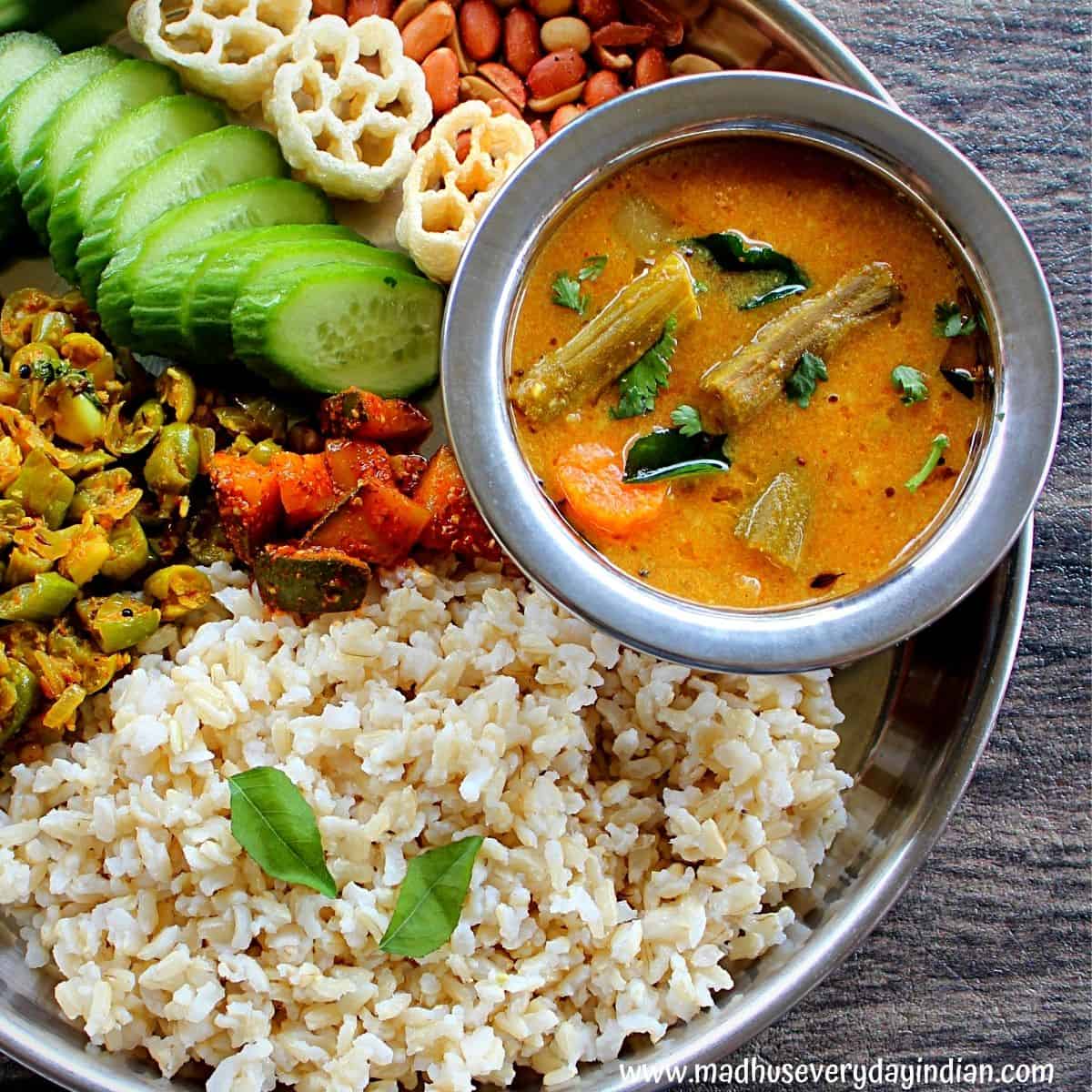
Sambar, a beloved South Indian dish, exhibits regional variations that add unique flavors and textures to the classic recipe. These variations not only enhance the taste but also showcase the diverse culinary traditions of different regions.
One notable variation is the inclusion of vegetables, which varies depending on regional preferences. For instance, in Tamil Nadu, sambar often incorporates vegetables like drumsticks, okra, and brinjals, while in Andhra Pradesh, it commonly features tomatoes, carrots, and beans. These variations not only add nutritional value but also influence the dish's overall texture and flavor profile.
Spices and Seasonings
Another area of variation lies in the use of spices and seasonings. In Kerala, sambar tends to have a more pronounced coconut flavor, achieved by adding freshly grated coconut or coconut milk. In contrast, Karnataka-style sambar often incorporates jaggery or tamarind to balance the flavors, resulting in a sweeter or tangier taste.
These regional variations showcase the diverse spice palettes and culinary preferences of different regions.
Serving Suggestions

Sambar is a versatile dish that can be enjoyed in various ways. Traditionally, it is served with rice, but it also pairs well with dosas and idlis.
When serving with rice, sambar is typically poured over the rice and mixed in. It can also be served as a side dish, allowing individuals to add it to their rice as desired.
With Dosas and Idlis
Sambar is a popular accompaniment to dosas and idlis, which are South Indian breakfast dishes. Dosas are thin, crispy pancakes made from fermented rice and lentil batter, while idlis are steamed rice and lentil cakes.
When serving sambar with dosas or idlis, it is usually poured over the dish or served on the side. The sambar's flavorful broth and vegetables complement the savory flavors of the dosas and idlis.
Troubleshooting
Cooking Sambar in an Instant Pot is generally a straightforward process, but occasionally, you may encounter some common problems. Here are some troubleshooting tips to help you overcome these challenges:
One of the most common issues is when the Sambar turns out to be too watery. This can be due to using too much water or not allowing enough time for the liquid to evaporate. To fix this, you can either cook the Sambar for a few more minutes on the "Sauté" setting or add a thickening agent like cornstarch or flour.
Burn Notice
Another problem that can occur is if the Sambar burns. This is usually caused by not adding enough liquid or not stirring the Sambar frequently enough. To prevent burning, make sure to add enough liquid and stir the Sambar occasionally during cooking.
Lid Off
If the lid of the Instant Pot does not seal properly, the Sambar may not cook properly. Make sure to check the lid before cooking and ensure that the sealing ring is in place and not damaged.
The fragrant aroma of sambar fills the kitchen, a testament to the ease of cooking with an instant pot. If you're looking for more culinary adventures, explore our collection of recipes with cream of rice . These versatile dishes offer a creamy texture and a symphony of flavors.
Don't forget to return to your sambar recipe in the instant pot, where the blend of spices and vegetables awaits your taste buds.
Pressure Release
When releasing the pressure from the Instant Pot, it is important to do so gradually. If you release the pressure too quickly, the Sambar may splatter or boil over. To release the pressure safely, use the "Natural Release" method or the "Quick Release" method with caution.
Other Tips, Sambar recipe instant pot
- If you are using frozen vegetables, make sure to thaw them before adding them to the Instant Pot.
- If you want to make a spicier Sambar, you can add more chili powder or green chilies.
- If you want to make a sweeter Sambar, you can add more jaggery or tamarind.
Health Benefits: Sambar Recipe Instant Pot

Sambar is not just a flavorful dish; it also packs a punch of nutrition. It is a rich source of dietary fiber, protein, and essential vitamins and minerals.
The lentils and vegetables in sambar provide a good amount of dietary fiber, which is important for maintaining a healthy digestive system. Fiber helps regulate bowel movements, promotes satiety, and may help reduce the risk of chronic diseases such as heart disease and type 2 diabetes.
Vitamins and Minerals
Sambar is also a good source of vitamins and minerals, including:
- Vitamin C: An antioxidant that helps protect cells from damage.
- Vitamin K: Essential for blood clotting and bone health.
- Iron: Important for red blood cell production and oxygen transport.
- Potassium: A mineral that helps regulate blood pressure and fluid balance.
- Magnesium: A mineral that supports muscle and nerve function.
Overall, sambar is a nutritious and balanced dish that can contribute to a healthy diet. It is a good source of fiber, protein, vitamins, and minerals, and it can be easily customized to meet individual dietary needs and preferences.
Wrap-Up

Whether you're a seasoned home cook or a culinary novice, our Sambar Recipe Instant Pot empowers you to create an authentic and delicious dish with ease. Impress your family and friends with this flavorful masterpiece, and let the aroma of Sambar fill your home with warmth and comfort.


