Seasoning prime rib recipe – Embark on a culinary adventure with our comprehensive guide to seasoning prime rib, the centerpiece of any grand feast. With a symphony of flavors, techniques, and tips, we’ll elevate your prime rib to gastronomic heights, leaving an unforgettable impression on your taste buds and those of your guests.
From the art of dry rubs to the nuances of marinades, we’ll delve into the intricacies of seasoning, empowering you to create a prime rib that tantalizes every palate. Prepare to unravel the secrets of this culinary masterpiece and savor the delectable results.
Prime Rib Overview

Prime rib is a highly coveted cut of beef that is renowned for its exceptional flavor and tenderness. It is derived from the primal rib section of the steer, specifically the ribs six through twelve. This cut is characterized by its thick, juicy meat and a generous marbling of fat, which contributes to its rich and flavorful taste.
In terms of nutritional value, prime rib is a good source of protein, providing essential amino acids for muscle growth and repair. It is also a good source of vitamins and minerals, including iron, zinc, and B vitamins. However, it is important to note that prime rib is also relatively high in saturated fat, so moderation is key when consuming this delectable cut.
Characteristics
- Thick, juicy meat
- Generous marbling of fat
- Rich, flavorful taste
Seasoning Techniques
The right seasoning technique can elevate your prime rib to a whole new level. Let’s dive into the three main methods: dry rubs, wet rubs, and marinades.
Dry Rubs
Dry rubs are a mixture of spices and herbs that are applied directly to the surface of the meat. They create a flavorful crust and help to draw out moisture during the cooking process. Some popular dry rub ingredients include salt, pepper, garlic powder, onion powder, paprika, and chili powder.
Wet Rubs
Wet rubs are similar to dry rubs, but they include a liquid base, such as oil, vinegar, or beer. This liquid helps to dissolve the spices and herbs, creating a more intense flavor. Wet rubs are often used on larger cuts of meat, as they can help to penetrate deeper into the meat.
Marinades
Marinades are a liquid solution in which the meat is soaked for several hours or overnight. Marinades help to tenderize the meat and infuse it with flavor. They can be made with a variety of liquids, such as wine, beer, vinegar, or buttermilk.
While the prime rib recipe calls for a generous amount of seasoning, I’ve always found that a dollop of sweetness can balance out the savory flavors. For a homemade touch, I recommend trying the no pectin blueberry jam recipe . Its natural sweetness and fruity notes complement the richness of the prime rib perfectly, creating a symphony of flavors that will tantalize your taste buds.
Marinades often include spices, herbs, and other flavorings.
Common Seasonings
Prime rib is a versatile cut of meat that can be seasoned with a variety of herbs and spices to create different flavor profiles. Some of the most essential seasonings for prime rib include:
- Salt: Salt is essential for enhancing the natural flavor of the meat. It can be used in a variety of forms, such as kosher salt, sea salt, or table salt.
- Pepper: Pepper adds a touch of spice and warmth to the meat. It can be used in black, white, or red varieties.
- Garlic: Garlic adds a savory and aromatic flavor to the meat. It can be used in fresh, powdered, or minced form.
- Onion: Onion adds a sweet and slightly pungent flavor to the meat. It can be used in fresh, powdered, or minced form.
- Rosemary: Rosemary adds a woodsy and slightly floral flavor to the meat. It can be used in fresh or dried form.
- Thyme: Thyme adds a warm and slightly minty flavor to the meat. It can be used in fresh or dried form.
These seasonings can be used in a variety of combinations to create different flavor profiles. For example, a classic prime rib seasoning blend might include salt, pepper, garlic, onion, and rosemary. A more modern seasoning blend might include salt, pepper, garlic, onion, thyme, and smoked paprika.
Step-by-Step Seasoning Guide
Seasoning prime rib is an art form that requires a delicate balance of flavors and techniques. By following this comprehensive guide, you’ll learn the secrets to creating a mouthwatering prime rib that will impress even the most discerning palates.
Before you begin, it’s crucial to select a high-quality prime rib roast. Look for a well-marbled roast with a deep red color and a thick layer of fat. The fat will help keep the roast moist and flavorful during cooking.
Preparation
- Remove the prime rib from the refrigerator 1 hour before seasoning to bring it to room temperature. This will allow the seasonings to penetrate the meat more evenly.
- Trim any excess fat from the roast, leaving a thin layer of fat for flavor and moisture.
- Pat the roast dry with paper towels to remove any surface moisture.
Seasoning Techniques
There are two main techniques for seasoning prime rib: dry rubs and wet rubs. Dry rubs are applied directly to the surface of the roast, while wet rubs are made into a paste and spread over the meat.
Dry rubs are ideal for creating a flavorful crust on the roast. Wet rubs, on the other hand, penetrate the meat more deeply, resulting in a more evenly seasoned roast.
Common Seasonings
There are endless possibilities when it comes to seasoning prime rib. Some of the most common seasonings include:
- Salt and pepper
- Garlic powder
- Onion powder
- Dried herbs, such as rosemary, thyme, and oregano
- Spices, such as cumin, coriander, and paprika
Advanced Seasoning Methods
Seasoning prime rib can be taken to the next level with advanced techniques that enhance flavor and tenderness. From sous vide seasoning to reverse searing and compound butter, these methods unlock new possibilities for a truly exceptional culinary experience.
Sous Vide Seasoning
Sous vide is a cooking technique that involves vacuum-sealing the prime rib and cooking it in a temperature-controlled water bath. This method allows for precise seasoning, as the seasonings are infused into the meat during the long cooking process. The result is a tender and evenly seasoned prime rib that retains its natural juices.
Reverse Searing
Reverse searing involves cooking the prime rib in a low-temperature oven or smoker until it reaches an internal temperature of 125°F (52°C). The meat is then seared over high heat to create a crispy exterior while preserving the tender and juicy interior.
This method allows for more control over the cooking process and ensures that the prime rib is cooked evenly throughout.
Compound Butter Techniques
Compound butter is a mixture of butter and other ingredients, such as herbs, spices, and aromatics. It can be used to enhance the flavor of prime rib in various ways. Compound butter can be spread over the meat before roasting, melted and poured over the cooked prime rib, or used to make a flavorful jus.
Seasoning for Different Cuts
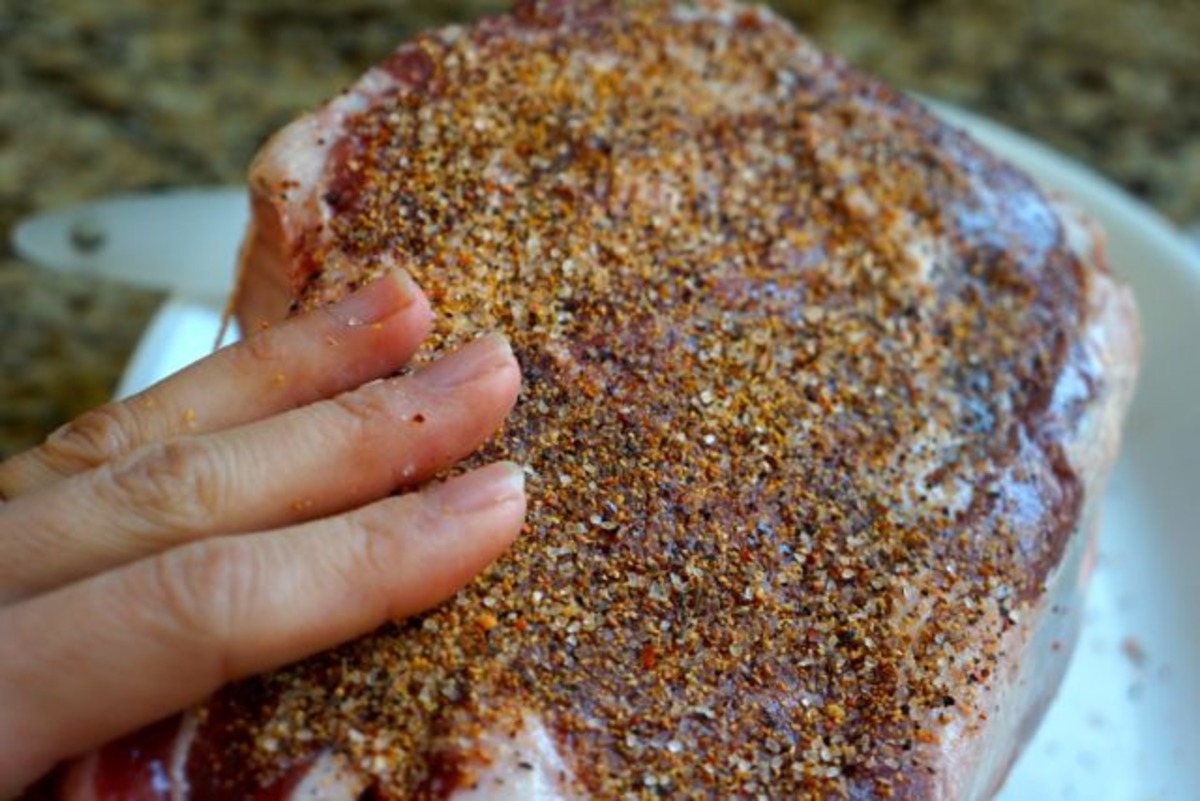
The seasoning for prime rib varies depending on the cut. Different cuts have different shapes, sizes, and fat content, which affect how they absorb and retain flavors.
Here are specific seasoning recommendations for different prime rib cuts:
Standing Rib Roast
- Season generously with salt, pepper, and garlic powder.
- Consider adding herbs like thyme or rosemary for extra flavor.
Ribeye Roast
- Season with a combination of salt, pepper, and herbs like rosemary, thyme, and sage.
- Rub with olive oil to enhance the flavors.
Strip Loin Roast
- Season with a simple blend of salt and pepper.
- Add a touch of paprika or smoked paprika for a smoky flavor.
Prime Rib Cap Roast
- Season with a generous amount of salt, pepper, and garlic powder.
- Add a touch of Worcestershire sauce or soy sauce for umami.
Rib Finger Roast
- Season with a combination of salt, pepper, and dried herbs like oregano or basil.
- Consider marinating in a mixture of olive oil, lemon juice, and herbs for extra flavor.
Seasoning for Special Occasions

The festive season is a time for celebration and indulgence, and what better way to impress your guests than with a perfectly seasoned prime rib? Whether you’re hosting a holiday dinner or a special occasion celebration, there are unique seasoning blends and presentation tips that will elevate your prime rib to the next level.
Unique Seasoning Blends for Celebrations
- Christmas:Create a festive blend of rosemary, thyme, sage, and a hint of nutmeg to evoke the aromas of the season.
- Thanksgiving:Combine savory flavors of garlic, onion, thyme, and a touch of cinnamon for a warm and inviting dish.
- Valentine’s Day:Enhance the romantic ambiance with a blend of rosemary, lavender, and a sprinkle of pink peppercorns.
- New Year’s Eve:Celebrate with a vibrant blend of star anise, cloves, and orange zest for a touch of sophistication.
Presentation Tips
- Carving:Carve the prime rib against the grain for tender and flavorful slices.
- Garnish:Enhance the presentation with fresh herbs, such as rosemary or thyme, and colorful vegetables, such as roasted carrots or asparagus.
- Sauce:Serve a flavorful sauce, such as a classic au jus or a creamy horseradish sauce, to complement the prime rib.
Troubleshooting Seasoning Issues: Seasoning Prime Rib Recipe
Seasoning prime rib is an essential step to enhance its flavor and overall appeal. However, issues can arise during the seasoning process, leading to under- or over-seasoned meat. This section will identify common seasoning problems and provide solutions to ensure a perfectly seasoned prime rib.
Identifying Common Seasoning Problems
- Under-seasoned:Prime rib lacks sufficient flavor or seasoning.
- Over-seasoned:Prime rib is too salty or overpowering in flavor.
Solutions for Under-seasoned Prime Rib
- Increase the amount of seasoning:Apply more salt, pepper, and other spices to the meat’s surface.
- Allow more time for seasoning to penetrate:Season the meat several hours or even overnight before cooking to give the flavors time to absorb.
- Use a more concentrated seasoning mixture:Create a seasoning paste or brine with a higher proportion of spices to salt.
Solutions for Over-seasoned Prime Rib
- Rinse the meat:Briefly rinse the prime rib under cold water to remove excess seasoning.
- Use less seasoning:Reduce the amount of salt and spices used in the seasoning mixture.
- Balance the flavors:Add sweet or acidic ingredients to the seasoning mixture to counteract the saltiness.
Potential Pitfalls to Avoid
- Not distributing seasoning evenly:Ensure the seasoning is applied evenly over the entire surface of the meat.
- Over-salting:Start with a small amount of salt and gradually increase until the desired flavor is achieved.
- Using the wrong type of salt:Coarse salt is recommended for prime rib as it dissolves more slowly and evenly.
Health Considerations
Seasoning prime rib is not just about enhancing flavor but also about promoting health. Here are some important health considerations to keep in mind when seasoning your prime rib:
Importance of Fresh Ingredients, Seasoning prime rib recipe
Using fresh herbs and spices is essential for maximizing both the flavor and health benefits of your seasoning. Fresh ingredients contain a higher concentration of nutrients and antioxidants compared to dried or processed ones. They also provide a more vibrant and aromatic flavor profile.
Health Benefits of Herbs and Spices
Many herbs and spices used in seasoning prime rib offer potential health benefits. For example, rosemary has antioxidant and anti-inflammatory properties, while thyme contains antimicrobial compounds. Black pepper contains piperine, which aids in nutrient absorption. By incorporating these herbs and spices into your seasoning, you can potentially enhance your overall health.
Reducing Sodium Intake
While salt is an essential seasoning ingredient, it’s important to be mindful of your sodium intake. Excessive sodium consumption can contribute to high blood pressure and other health issues. To reduce sodium intake, consider using low-sodium or salt-free herbs and spices, or reducing the amount of salt you add to your seasoning blend.
Conclusive Thoughts
As you embark on your seasoning journey, remember that experimentation and personal preferences play a vital role in crafting the perfect prime rib. Trust your instincts, explore different flavor combinations, and let your culinary creativity soar. With each seasoned masterpiece, you’ll refine your skills and create unforgettable dining experiences that will leave a lasting legacy of culinary excellence.
