Prepare your taste buds for a tantalizing adventure as we delve into the world of San Marzano Pizza Sauce Recipe. This culinary masterpiece, crafted with the finest ingredients and steeped in Italian tradition, will transport you to the heart of authentic pizza-making.
From the sun-kissed fields of Italy to your kitchen, discover the secrets behind the perfect San Marzano pizza sauce. Let’s embark on a journey of flavors, techniques, and culinary artistry.
San Marzano Tomatoes: A Deep Dive
San Marzano tomatoes, originating from the volcanic plains of Campania, Italy, are renowned for their exceptional quality and are widely considered the gold standard for pizza sauce.
These plum-shaped tomatoes possess a distinctive elongated shape, deep red color, and meaty texture. Their flavor profile is a harmonious blend of sweetness, acidity, and a hint of umami, making them ideal for creating a rich and flavorful pizza sauce.
Identifying and Selecting High-Quality San Marzano Tomatoes
To ensure you’re using the finest San Marzano tomatoes, consider the following tips:
- DOP Certification: Look for the DOP (Denominazione di Origine Protetta) certification, which guarantees the tomatoes are grown and processed in the San Marzano area.
- Whole Tomatoes: Opt for whole tomatoes rather than crushed or diced to maintain their full flavor and texture.
- Seasonality: San Marzano tomatoes are typically harvested from July to September. Fresh tomatoes are ideal, but high-quality canned tomatoes are also a viable option.
- Color and Texture: Choose tomatoes with a deep red color and a firm, meaty texture. Avoid tomatoes with bruises or blemishes.
Crafting the Perfect Sauce

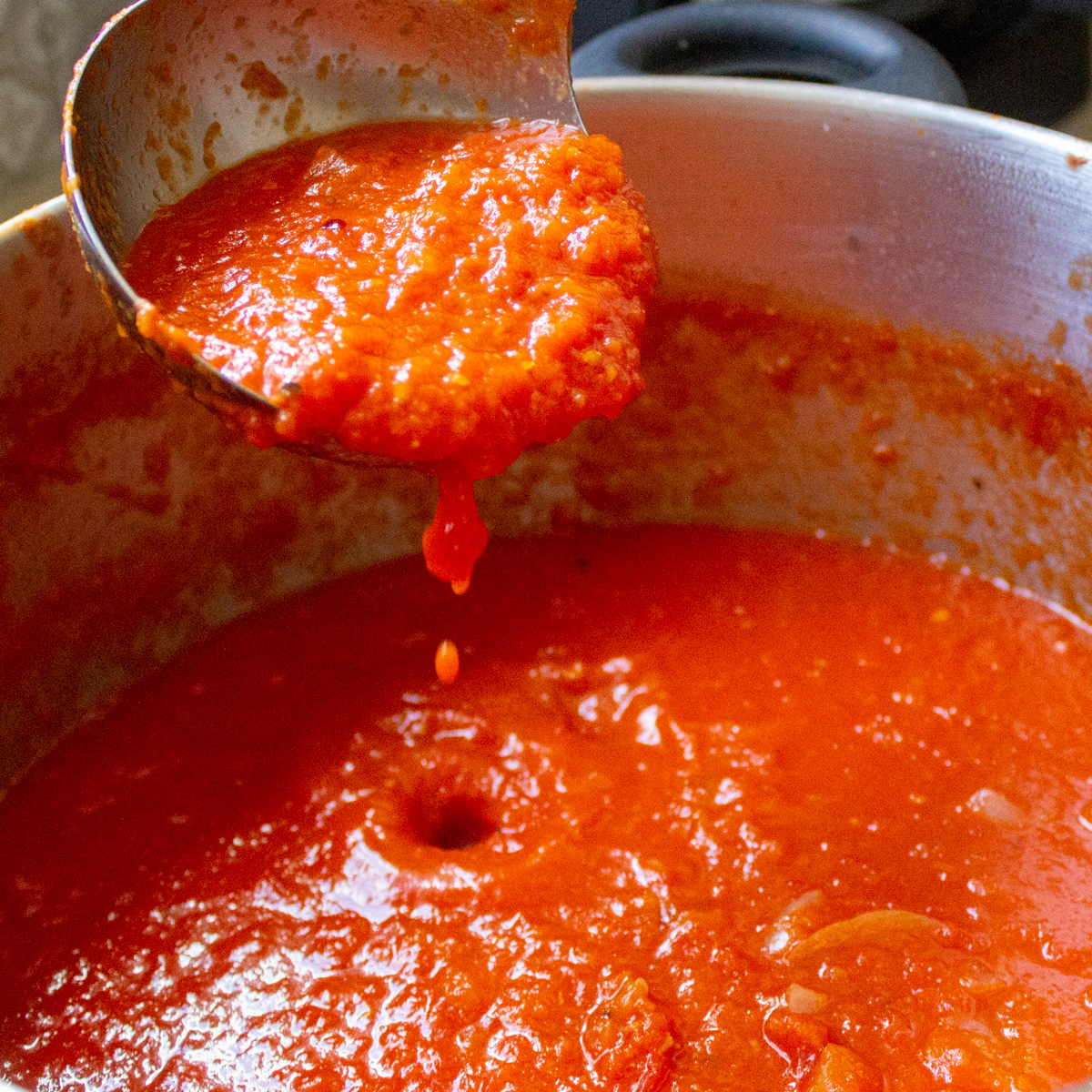
Creating a homemade San Marzano pizza sauce is a culinary endeavor that yields delicious and versatile results. By carefully selecting and combining ingredients, you can achieve a sauce that is both flavorful and aromatic. In this comprehensive guide, we will provide a step-by-step recipe for a San Marzano pizza sauce, explaining the significance of each ingredient and offering alternative cooking methods.
The foundation of a great pizza sauce lies in the quality of its ingredients. San Marzano tomatoes are renowned for their sweetness, low acidity, and vibrant red color. They are the ideal choice for a pizza sauce that is both flavorful and well-balanced.
Ingredients
- 28 ounces San Marzano tomatoes, whole
- 1/2 cup extra-virgin olive oil
- 1/2 cup chopped yellow onion
- 2 cloves garlic, minced
- 1 teaspoon dried oregano
- 1 teaspoon dried basil
- 1/2 teaspoon salt
- 1/4 teaspoon black pepper
The extra-virgin olive oil adds richness and depth of flavor to the sauce, while the onion and garlic provide a savory base. The oregano and basil contribute aromatic notes that complement the sweetness of the tomatoes. Salt and pepper enhance the overall flavor profile.
Instructions
- In a large saucepan or Dutch oven over medium heat, warm the olive oil.
- Add the onion and cook until softened, about 5 minutes.
- Add the garlic and cook for 1 minute more.
- Add the tomatoes, oregano, basil, salt, and pepper. Bring to a simmer.
- Reduce heat to low and simmer for at least 30 minutes, or up to 2 hours, stirring occasionally. The longer you simmer the sauce, the thicker and more flavorful it will become.
Alternative Cooking Methods
In addition to the stovetop method, you can also make San Marzano pizza sauce in the oven or slow cooker.
Oven Method: Preheat the oven to 350°F (175°C). Place the ingredients in a baking dish and bake for 1 hour, or until the sauce has thickened.
Slow Cooker Method: Place the ingredients in a slow cooker and cook on low for 6-8 hours, or on high for 3-4 hours.
Flavor Enhancements and Variations

San Marzano pizza sauce is a versatile base that can be customized to suit your taste preferences and complement different pizza toppings. Here are some creative ideas for enhancing the flavor and creating variations of San Marzano pizza sauce:
Herbs and Spices
- Add fresh or dried herbs such as basil, oregano, thyme, or rosemary to infuse the sauce with aromatic flavors.
- Enhance the sauce with a touch of heat by adding red pepper flakes, chili powder, or cayenne pepper.
- Incorporate a hint of sweetness with a pinch of sugar or honey.
Variations
White Sauce
For a creamy and rich alternative, create a white sauce by replacing the tomatoes with a béchamel sauce made from butter, flour, and milk.
Spicy Sauce
Create a fiery sauce by adding a generous amount of crushed red pepper flakes, chili powder, and diced jalapeños.
Vegan Sauce
Make a vegan-friendly sauce by using plant-based ingredients such as almond milk, cashew cream, and nutritional yeast to create a creamy and flavorful base.
Balancing Flavors
When customizing your San Marzano pizza sauce, it’s essential to balance the flavors to create a harmonious sauce that complements the pizza toppings. Consider the following tips:
- Taste the sauce as you add ingredients and adjust the seasonings accordingly.
- Use fresh, high-quality ingredients to enhance the overall flavor.
- Experiment with different combinations of herbs, spices, and toppings to find your preferred taste profile.
Storing and Preserving the Sauce
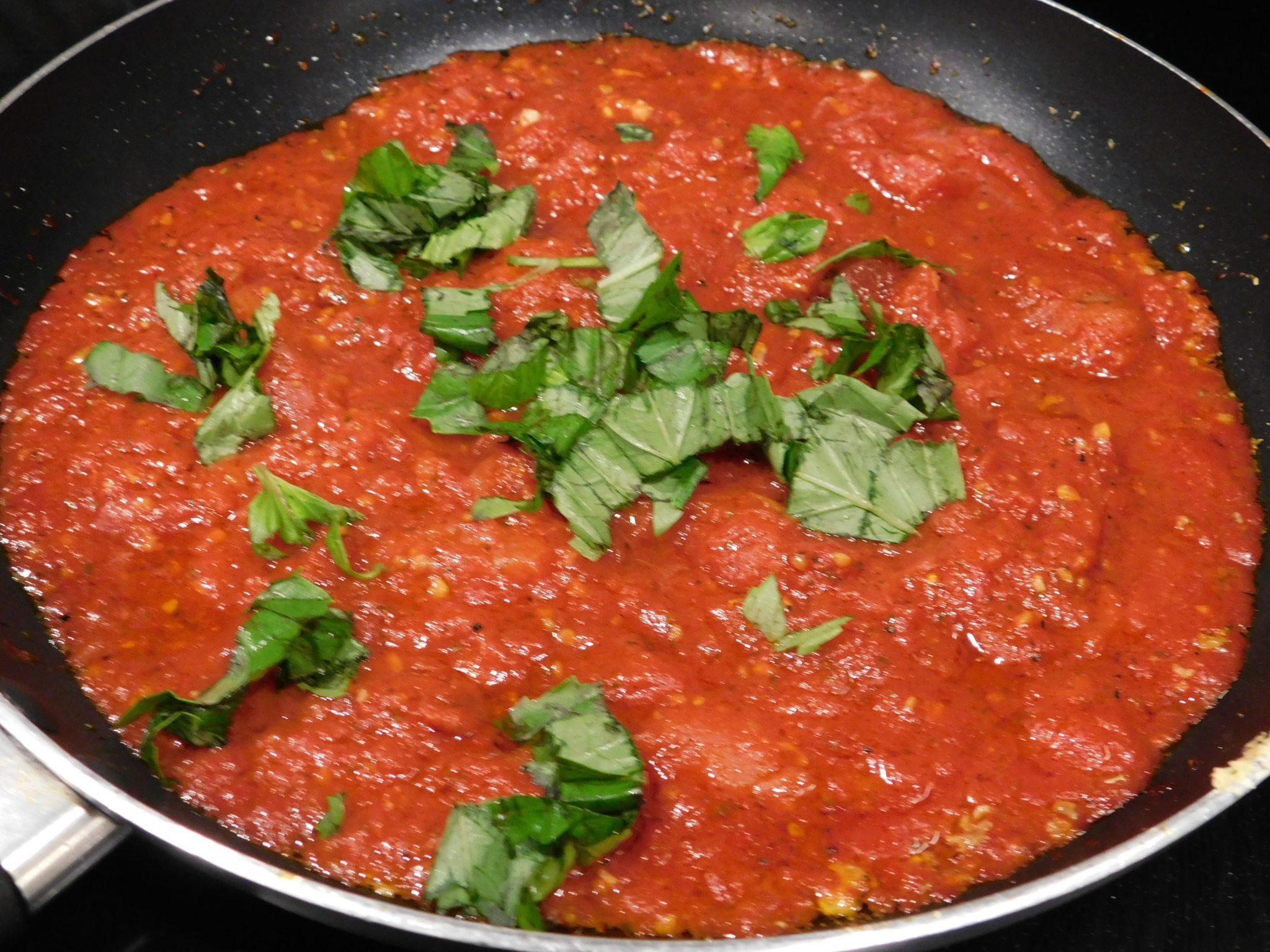
Preserving the vibrant flavors and freshness of your San Marzano pizza sauce is crucial for future culinary adventures. Understanding proper storage techniques ensures the sauce’s longevity while maintaining its delectable qualities.
Refrigeration
Refrigeration is an effective short-term storage method. Transfer the sauce to airtight containers or jars and refrigerate for up to 5 days. This method preserves the sauce’s freshness, allowing you to enjoy its vibrant flavors within a reasonable timeframe.
Freezing
For longer-term storage, freezing is a suitable option. Freeze the sauce in airtight containers or freezer-safe bags for up to 6 months. When ready to use, thaw the sauce in the refrigerator overnight or under running cold water. Freezing the sauce helps retain its flavors and texture while extending its shelf life significantly.
Canning
Canning is a traditional preservation method that involves sealing the sauce in sterilized jars. This technique requires specialized equipment and careful adherence to safety guidelines. Properly canned San Marzano pizza sauce can be stored for up to a year in a cool, dark place. Canning provides the longest shelf life but requires more effort and expertise.
Additional Tips
* Vacuum sealing: Vacuum sealing the sauce before refrigeration or freezing further extends its shelf life by removing oxygen, which can cause spoilage.
* Glass jars: Glass jars are preferred for storing the sauce as they do not leach chemicals or flavors into the sauce over time.
* Portioning: Portioning the sauce into smaller containers before freezing or refrigeration makes it easier to thaw and use as needed.
Essential Questionnaire
What makes San Marzano tomatoes so special for pizza sauce?
San Marzano tomatoes are prized for their unique flavor profile, low acidity, and meaty texture. Their sweetness and rich umami notes create a harmonious balance in pizza sauces.
Can I substitute other tomatoes for San Marzano tomatoes?
While San Marzano tomatoes are highly recommended, you can use other plum tomatoes as a substitute. However, be aware that the flavor and texture of your sauce may vary.
How long does homemade San Marzano pizza sauce last?
Properly stored in an airtight container in the refrigerator, your homemade San Marzano pizza sauce can last for up to 5 days. You can also freeze the sauce for longer storage.
.gallery-container {
display: flex;
flex-wrap: wrap;
gap: 10px;
justify-content: center;
}
.gallery-item {
flex: 0 1 calc(33.33% – 10px); /* Fleksibilitas untuk setiap item galeri */
overflow: hidden; /* Pastikan gambar tidak melebihi batas kotak */
position: relative;
margin-bottom: 20px; /* Margin bawah untuk deskripsi */
}
.gallery-item img {
width: 100%;
height: 200px;
object-fit: cover; /* Gambar akan menutupi area sepenuhnya */
object-position: center; /* Pusatkan gambar */
}
.image-description {
text-align: center; /* Rata tengah deskripsi */
}
@media (max-width: 768px) {
.gallery-item {
flex: 1 1 100%; /* Full width di layar lebih kecil dari 768px */
}
}