Embark on a culinary adventure with scotch bonnet pepper recipes, where heat and flavor dance in perfect harmony. From fiery sauces to vibrant marinades, these recipes will ignite your taste buds and leave you craving more.
Prepare to delve into the world of scotch bonnet peppers, where their distinct flavor and intense heat will elevate your cooking to new heights.
Introduction to Scotch Bonnet Peppers
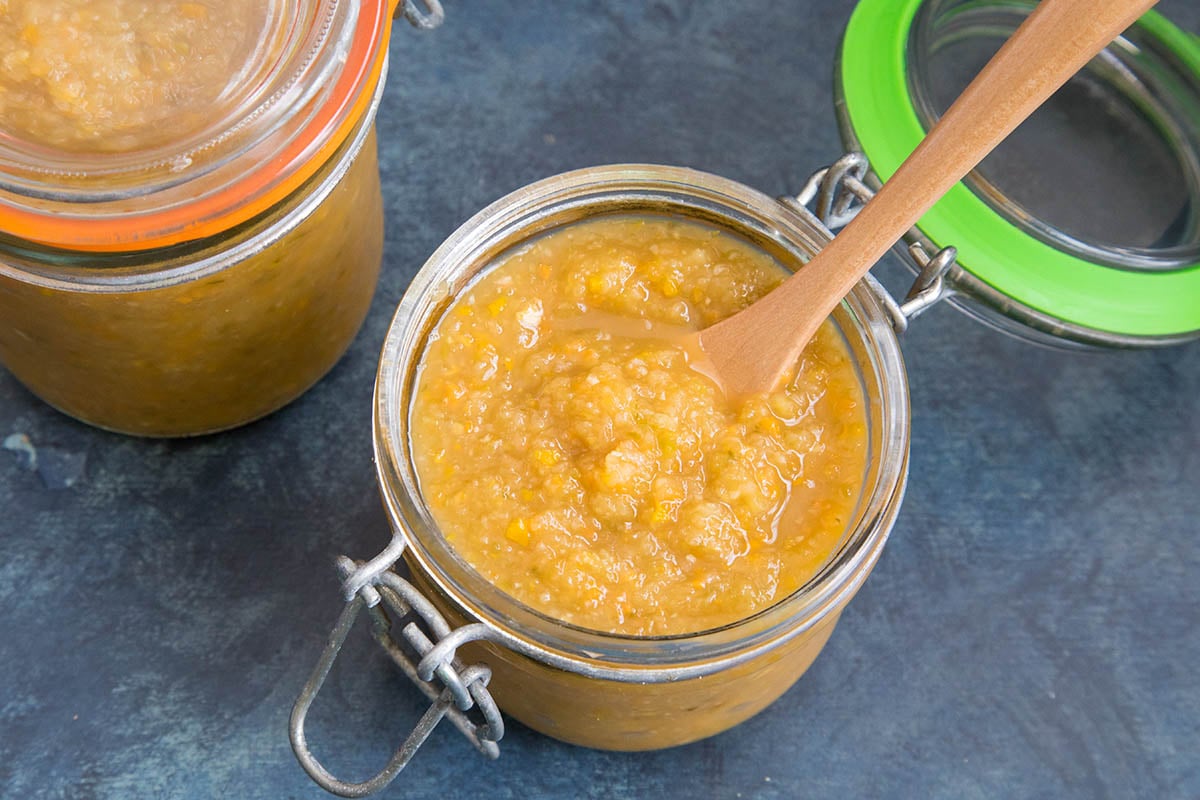
Scotch bonnet peppers, known for their intense heat and distinctive flavor, are a variety of chili peppers originating in the Caribbean. These peppers are small, round, and typically range in color from green to orange or red when fully ripe.
Scotch bonnet peppers possess a complex flavor profile that combines sweetness, fruitiness, and a lingering heat. The heat level of these peppers can vary significantly, with some varieties reaching up to 350,000 Scoville Heat Units (SHU). This heat level places them among the hottest peppers in the world.
Health Benefits of Scotch Bonnet Peppers
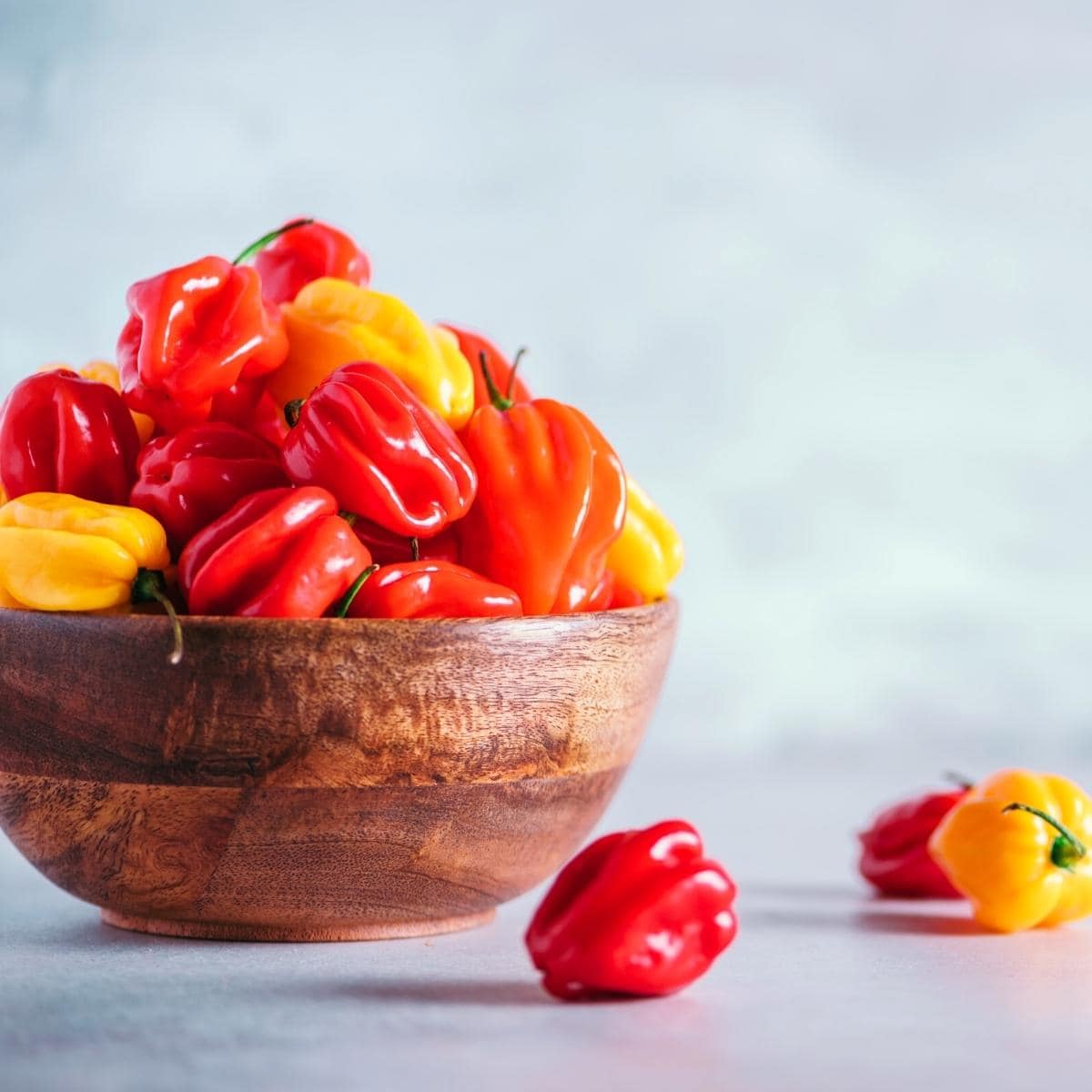
Scotch bonnet peppers, known for their fiery heat, also pack a punch of nutritional value and potential health benefits. Let’s delve into the realm of these fiery fruits to uncover their hidden virtues.
Scotch bonnet peppers are a rich source of vitamins and minerals, including vitamin C, vitamin A, potassium, and iron. They are also low in calories and fat.
Antioxidant Properties
Scotch bonnet peppers are brimming with antioxidants, which protect cells from damage caused by free radicals. Free radicals are unstable molecules that can contribute to the development of chronic diseases such as cancer and heart disease. The antioxidants in scotch bonnet peppers, such as capsaicin, vitamin C, and carotenoids, neutralize these harmful free radicals, reducing the risk of these diseases.
Anti-inflammatory Effects
Capsaicin, the compound responsible for the heat in scotch bonnet peppers, has anti-inflammatory properties. Inflammation is a natural response to injury or infection, but chronic inflammation can lead to various health problems. Capsaicin has been shown to reduce inflammation by blocking the production of inflammatory molecules, providing relief from conditions such as arthritis and pain.
Culinary Uses of Scotch Bonnet Peppers
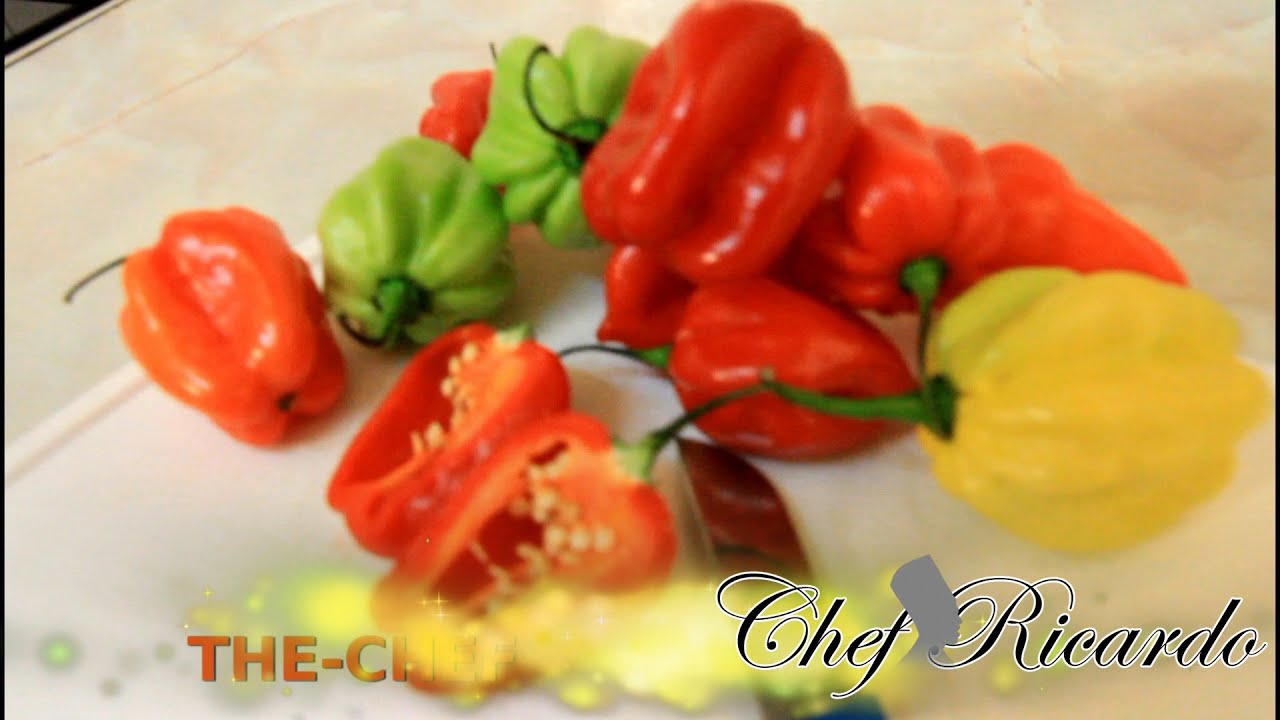
Scotch bonnet peppers are highly prized in various cuisines for their unique flavor and heat. They can be used in a wide range of dishes, from fiery curries to zesty salsas. Here are some popular ways to incorporate scotch bonnet peppers into your cooking:
In Sauces and Condiments
Scotch bonnet peppers add a fiery kick to sauces and condiments. They can be used to make hot sauces, marinades, and dips. Their intense heat is balanced by their fruity flavor, creating a complex and flavorful addition to any dish.
In Curries
Scotch bonnet peppers are a staple ingredient in many Caribbean and African curries. They provide a deep heat and a vibrant color to these flavorful dishes. The peppers can be added whole, chopped, or pureed, depending on the desired level of spiciness.
In Salsas
Scotch bonnet peppers add a burst of heat and flavor to salsas. They can be combined with other ingredients such as tomatoes, onions, and cilantro to create a variety of salsas that can be used as dips, toppings, or marinades.
In Jerk Seasonings
Scotch bonnet peppers are a key ingredient in Jamaican jerk seasonings. These seasonings are used to flavor chicken, pork, and fish. The peppers provide a spicy and smoky flavor that is characteristic of jerk dishes.
Spice up your next party with the fiery flavors of scotch bonnet peppers. But if you’re looking for a refreshing break from the heat, check out this rum punch recipe by the gallon . It’s the perfect tropical delight to quench your thirst and get the party going.
Once you’ve cooled down, return to the zesty creations of scotch bonnet peppers for a culinary adventure that will leave your taste buds tingling.
Tips for Using Scotch Bonnet Peppers
When using scotch bonnet peppers, it is important to wear gloves to protect your hands from their capsaicin, which can cause irritation. It is also important to start with a small amount and gradually increase the quantity as desired, as they can be very spicy.
Growing and Harvesting Scotch Bonnet Peppers

Cultivating Scotch bonnet peppers is a rewarding endeavor, offering a bounty of spicy and flavorful fruits. Their adaptability to various climates and ease of cultivation make them an ideal choice for both seasoned gardeners and novices alike.
To ensure optimal growth and bountiful harvests, it is crucial to provide the peppers with specific environmental conditions. These include:
- Warm temperatures:Scotch bonnet peppers thrive in warm, tropical climates with temperatures ranging from 70 to 85 degrees Fahrenheit (21 to 29 degrees Celsius).
- Abundant sunlight:They require at least 6 hours of direct sunlight per day for proper growth and fruit production.
- Well-drained soil:The soil should be loose and well-drained to prevent waterlogging, which can lead to root rot.
- Moderate moisture:While they enjoy moist soil, overwatering should be avoided as it can hinder growth and promote disease.
Germination, Scotch bonnet pepper recipes
Scotch bonnet pepper seeds can be sown directly into the ground or started indoors in seed trays. For indoor germination, the seeds should be planted in a well-draining seed starting mix and kept warm at around 75 to 80 degrees Fahrenheit (24 to 27 degrees Celsius).
Once the seedlings have developed their first set of true leaves, they can be transplanted outdoors.
Growth and Care
Scotch bonnet pepper plants are relatively low-maintenance. Regular watering, fertilization, and occasional pruning are essential for healthy growth and abundant fruit production. They should be fertilized every 2 to 3 weeks with a balanced fertilizer.
Harvesting
Scotch bonnet peppers are typically ready to harvest 100 to 120 days after transplanting. The fruits should be harvested when they have reached their full size and color, which varies depending on the variety. To harvest, simply cut the peppers from the plant using sharp shears or a knife.
With proper care and attention, Scotch bonnet peppers can provide a bountiful harvest of spicy and flavorful fruits that can be enjoyed fresh, cooked, or preserved.
Ending Remarks: Scotch Bonnet Pepper Recipes
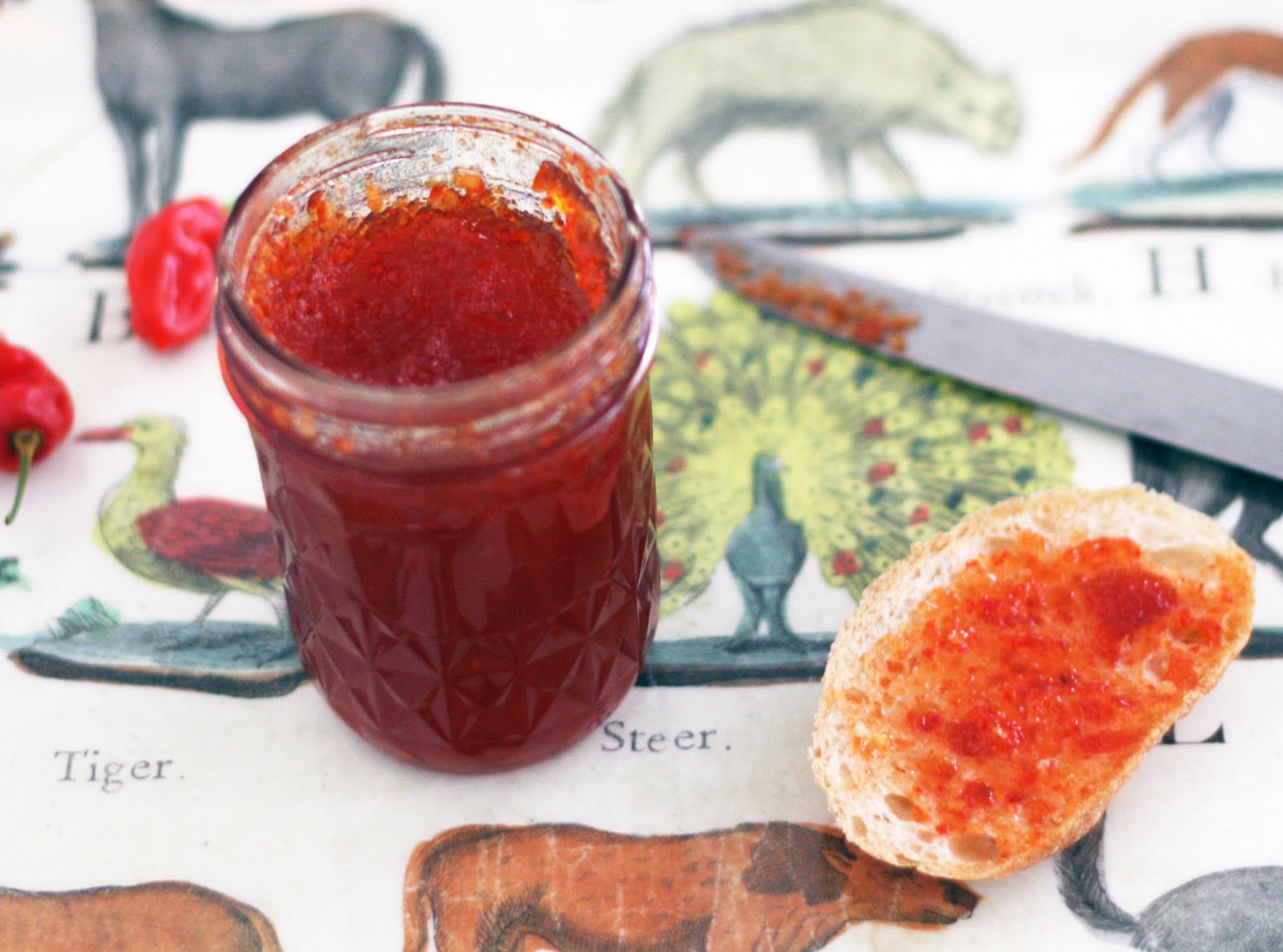
In conclusion, scotch bonnet pepper recipes offer a tantalizing fusion of heat and flavor that will add a fiery spark to your culinary creations. Whether you’re a seasoned chef or a home cook looking to spice things up, these recipes will ignite your passion for cooking and leave a lasting impression on your palate.