Soft Sourdough Bread Recipe: Embark on a culinary journey that will tantalize your taste buds and leave you craving for more. This delightful bread, with its soft, tangy crumb and crispy crust, is a testament to the art of baking.
Whether you’re a seasoned baker or a novice eager to explore the world of sourdough, this recipe will guide you through every step, ensuring a successful and rewarding baking experience.
From creating a sourdough starter to mastering the techniques of mixing, kneading, and baking, this guide will equip you with the knowledge and skills to craft a perfect loaf of soft sourdough bread. Along the way, you’ll discover the secrets of fermentation, proofing, and scoring, unlocking the secrets to achieving the perfect balance of flavor and texture.
Soft Sourdough Bread Ingredients

Crafting a soft and flavorful sourdough bread requires a symphony of ingredients, each playing a crucial role in shaping its texture, flavor, and aroma.
The foundation lies in bread flour, a high-protein flour that provides the gluten network responsible for the bread’s elasticity and chewiness. Whole wheat flour adds a nutty flavor and extra fiber, while rye flour lends a slightly sour tang.
Water
Water hydrates the flour, activating the enzymes that begin the fermentation process. The amount of water used directly influences the bread’s texture; more water yields a softer crumb.
Salt
Salt enhances the flavor of the bread, balancing the sourdough’s acidity. It also strengthens the gluten network, contributing to the bread’s structure.
Sourdough Starter
The heart of sourdough bread, the sourdough starter is a fermented mixture of flour and water that contains wild yeast and bacteria. These microorganisms consume the sugars in the flour, producing carbon dioxide gas that causes the bread to rise.
The sourdough starter also imparts a distinctive sour flavor to the bread.
Sourdough Starter Preparation
Creating a sourdough starter is a crucial step in making sourdough bread. It’s a fermented mixture of flour and water that contains wild yeast and bacteria, which are responsible for the bread’s characteristic tangy flavor and airy texture.
To make a sourdough starter, mix equal parts of whole wheat flour and filtered water in a clean glass jar. Stir well and cover the jar loosely with a cheesecloth or paper towel. Let it sit at room temperature (70-75°F) for 24 hours.
Feeding and Maintaining the Starter
After the initial 24 hours, feed the starter by discarding half of the mixture and adding equal parts of flour and water. Stir well and cover again. Repeat this feeding process daily for the next 5-7 days.
During this time, the starter will become more active and bubbly. It will also develop a slightly sour smell. Once the starter is mature, it can be used to make sourdough bread or stored in the refrigerator for later use.
Mixing and Kneading
Mixing and kneading are essential steps in making sourdough bread. Mixing combines all the ingredients, while kneading develops the gluten in the flour, which gives the bread its structure and texture.
To mix the dough, start by combining the sourdough starter, water, and flour in a large bowl. Mix until the ingredients are just combined. Then, cover the bowl and let the dough rest for 30 minutes. This will allow the gluten to relax and make it easier to knead.
Kneading
After the dough has rested, turn it out onto a lightly floured surface and knead for 5-7 minutes. The dough should be smooth and elastic, and it should not stick to your hands. If the dough is too sticky, add a little more flour.
If the dough is too dry, add a little more water.
Once the dough is kneaded, shape it into a ball and place it in a lightly oiled bowl. Cover the bowl and let the dough rise in a warm place for 8-12 hours, or until it has doubled in size.
Fermentation and Proofing
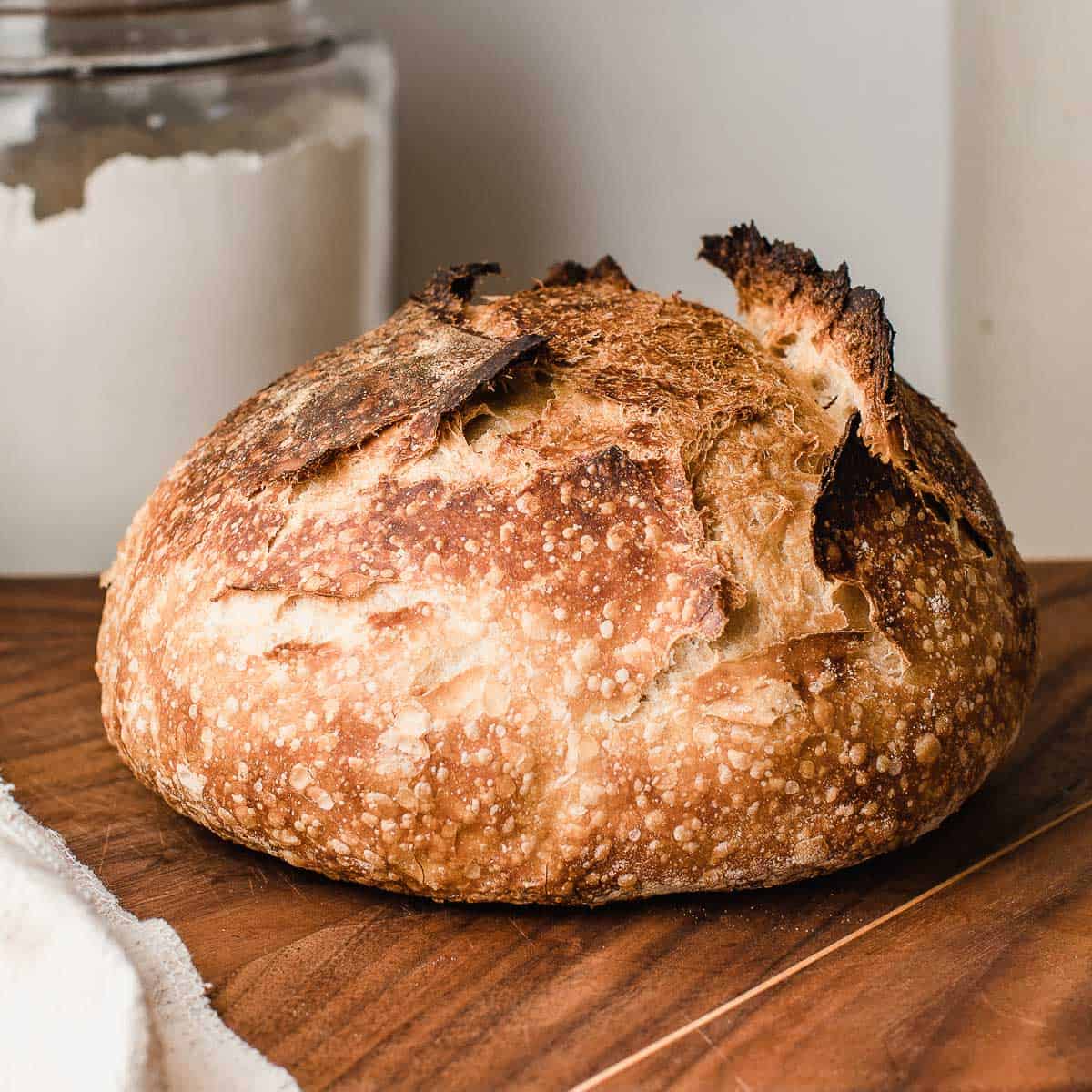
Fermentation is a crucial process in sourdough bread making, contributing to its distinctive flavor and texture. It occurs when the sourdough starter, containing wild yeast and bacteria, consumes the sugars present in the dough.
During fermentation, these microorganisms produce lactic acid and acetic acid, which give sourdough bread its characteristic sourness. Additionally, the production of carbon dioxide creates tiny air pockets within the dough, resulting in a light and airy texture.
Bulk Fermentation
Bulk fermentation is the initial stage of fermentation, where the dough is left to rise in a large container. During this time, the yeast and bacteria continue to ferment the sugars, producing acids and gases. The dough gradually increases in volume and becomes more elastic.
Proofing
Proofing is the final stage of fermentation, where the dough is shaped into loaves and left to rise again. This allows the dough to relax and develop further flavor and texture. The proofing time varies depending on the desired level of sourness and the ambient temperature.
Shaping and Scoring
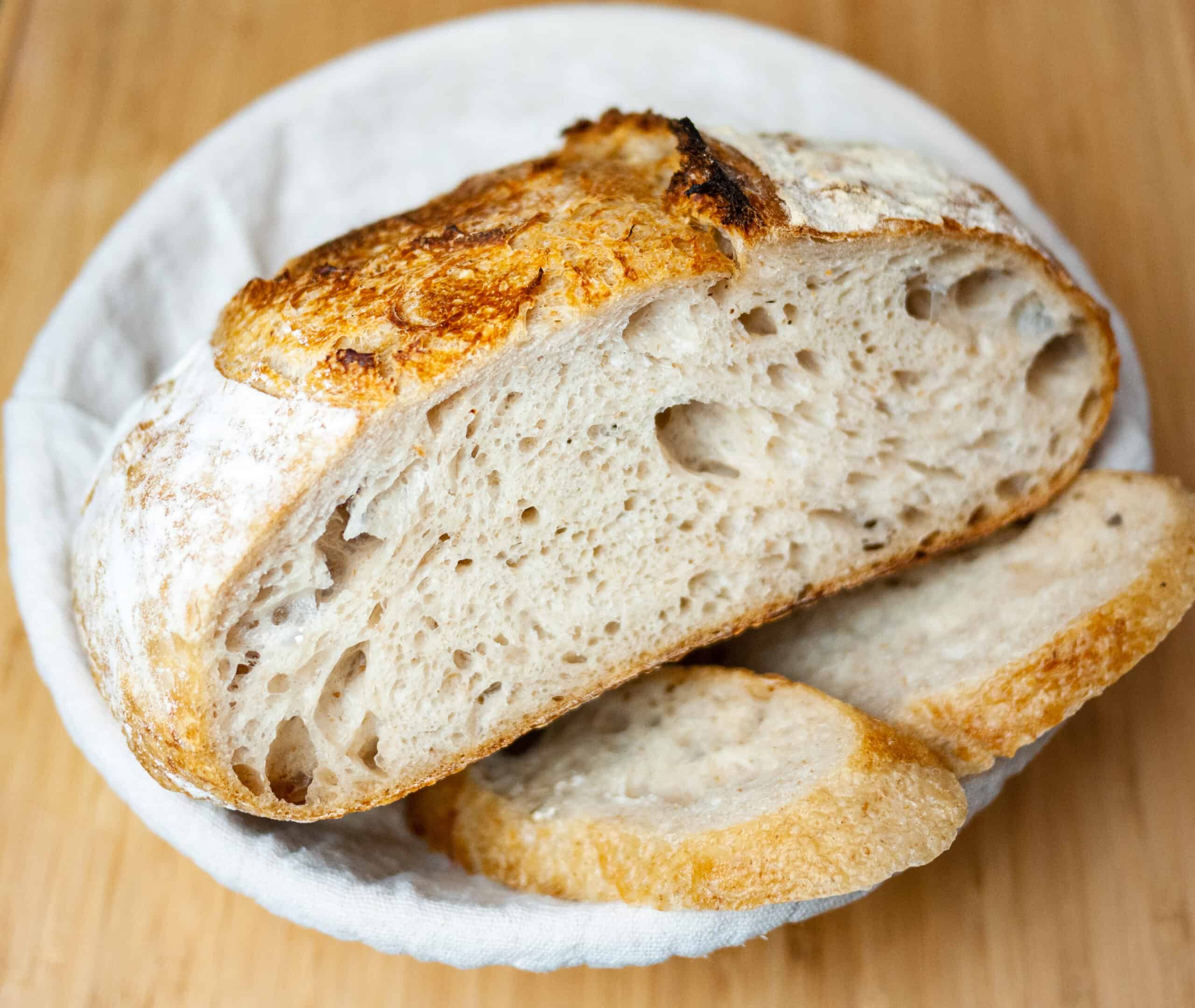
After the dough has finished its final proof, it’s time to shape and score it. Shaping helps to give the loaf its final form, while scoring allows for even expansion during baking and creates a beautiful crust.
Shaping
- For a classic loaf:Gently flatten the dough into a rectangle, then roll it up tightly from one end to the other. Pinch the seam closed and tuck the ends under.
- For a boule (round loaf):Divide the dough into two equal pieces. Shape each piece into a ball by tucking the edges under and rolling it between your hands.
Scoring
Scoring the dough before baking is an important step that helps the loaf to expand evenly and creates a beautiful crust. To score, use a sharp knife or razor blade to make shallow cuts on the surface of the dough.
The cuts should be about 1/4 inch deep and can be made in a variety of patterns, such as:
- Simple crosshatch:Two sets of parallel cuts perpendicular to each other.
- Herringbone:A series of V-shaped cuts made in a zigzag pattern.
- Artistic:Create your own unique designs, such as spirals or leaves.
Baking Techniques: Soft Sourdough Bread Recipe
Baking sourdough bread requires careful attention to temperature and technique to achieve the desired crust and crumb.
Oven Temperature
Preheat the oven to 450-480°F (230-249°C) for optimal crust formation. The high initial temperature creates steam and encourages a rapid rise, resulting in a crispy exterior.
Steam
To enhance crust development, introduce steam into the oven during the first 15-20 minutes of baking. This can be done by placing a heat-safe dish filled with boiling water on the bottom rack of the oven. The steam creates a humid environment that prevents the crust from drying out prematurely, allowing it to develop a golden-brown color and a slightly chewy texture.
Cooling and Storing
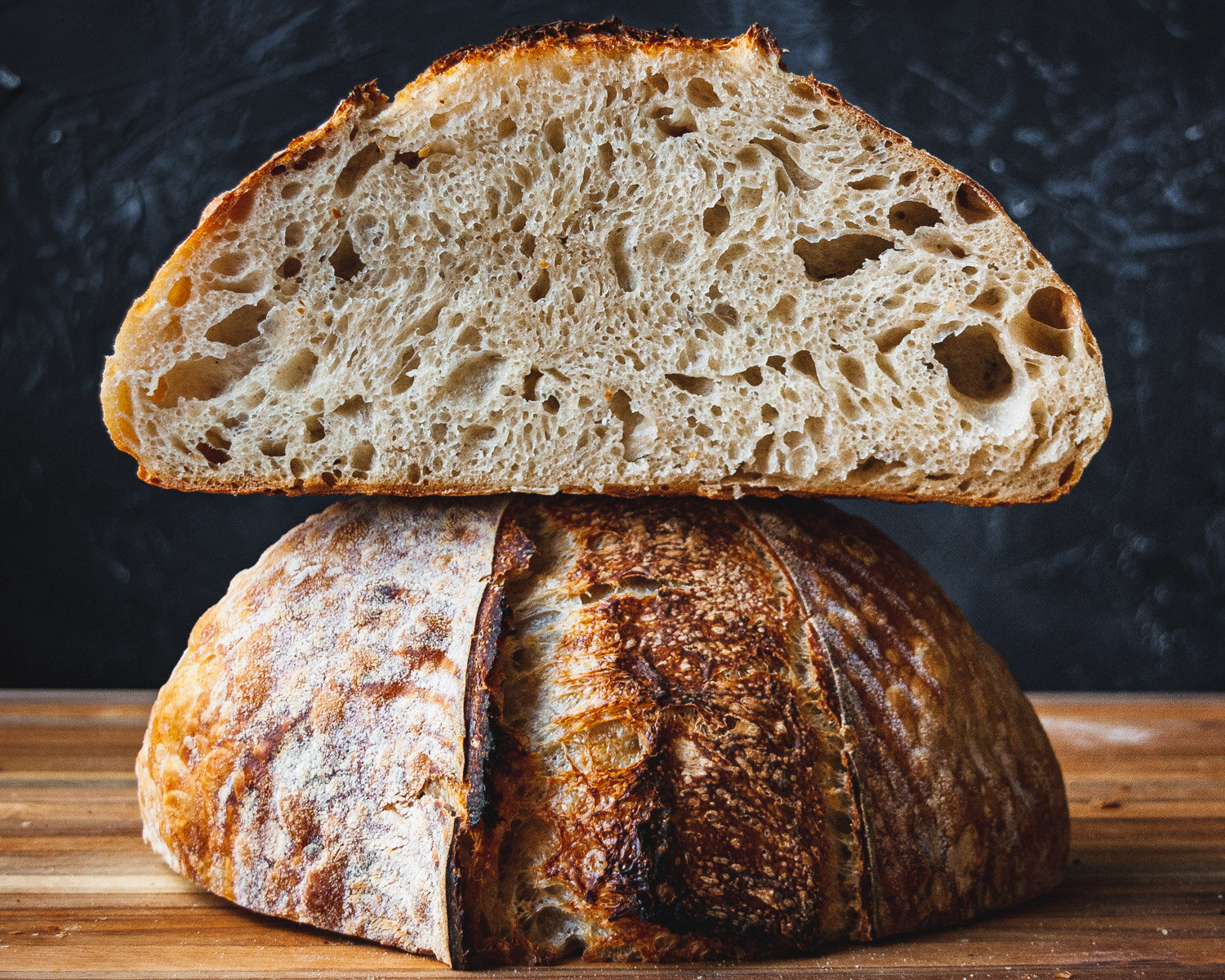
Once your sourdough bread is baked, it’s important to cool and store it properly to maintain its freshness and flavor.Allow the bread to cool completely on a wire rack before slicing or storing it. This will help prevent the bread from becoming soggy.Once
Indulge in the delectable flavors of soft sourdough bread, a culinary masterpiece that tantalizes taste buds. If you’re seeking a savory twist, why not explore the recipe for chicken pastry ? This delectable dish offers a harmonious blend of flaky pastry and tender chicken filling.
And when you’re ready to return to the world of sourdough, your palate will be eagerly awaiting the next slice of this artisanal bread.
cooled, store the bread in a bread box or airtight container at room temperature. This will help keep the bread fresh for several days.You can also freeze sourdough bread for longer storage. To do this, wrap the bread tightly in plastic wrap and place it in a freezer-safe bag.
Frozen sourdough bread can be stored for up to 3 months.
Extending the Bread’s Shelf Life
There are a few things you can do to extend the shelf life of your sourdough bread:
- Use a sourdough starter that is active and healthy. This will help the bread to rise properly and develop a good flavor.
- Bake the bread at a high temperature. This will create a crust that will help to keep the bread fresh.
- Allow the bread to cool completely before storing it. This will help prevent the bread from becoming soggy.
- Store the bread in a bread box or airtight container at room temperature. This will help keep the bread fresh for several days.
- Freeze the bread for longer storage. Frozen sourdough bread can be stored for up to 3 months.
Troubleshooting Common Issues
Despite the meticulousness involved in sourdough bread making, certain challenges may arise during the process. Understanding these issues and implementing effective solutions will enhance your bread-making experience and yield optimal results.
Common issues and their potential causes include:
Dense and Gummy Bread
- Over-fermentation: Allowing the dough to ferment for an extended period can result in excessive breakdown of the gluten network, leading to a dense and gummy texture.
- Insufficient kneading: Proper kneading develops the gluten network, providing the bread with structure and elasticity. Inadequate kneading can result in a dense and crumbly texture.
- Inadequate hydration: Insufficient hydration can hinder the formation of a strong gluten network, resulting in a dense and gummy texture.
Sour Bread
- Over-fermentation: Extended fermentation can produce excessive acidity, resulting in a sour taste.
- Inactive starter: An inactive starter may not provide sufficient leavening, resulting in a sour and dense bread.
- Improper storage: Sourdough starters should be stored in the refrigerator to slow down fermentation and prevent excessive sourness.
Pale Crust
- Insufficient baking: Baking the bread for an insufficient time can result in a pale and undercooked crust.
- Low oven temperature: Baking at a low temperature can prevent the crust from developing sufficient color and crispness.
- No steam during baking: Introducing steam into the oven during the initial baking stage helps create a crispy crust.
Flat Bread, Soft sourdough bread recipe
- Weak starter: An inactive or weak starter may not provide sufficient leavening, resulting in a flat bread.
- Over-proofing: Allowing the dough to proof for an extended period can weaken the gluten network, leading to a flat and dense bread.
- Insufficient shaping: Proper shaping helps trap the gases produced during fermentation, contributing to a well-risen bread.
Variations and Adaptations
The basic soft sourdough bread recipe can be easily adapted to create a wide range of variations. Experiment with different flours, seeds, and herbs to create unique flavors and textures.
Different Flours
- Whole wheat flour:Adds a nutty flavor and extra fiber.
- Rye flour:Gives bread a slightly sour and dense texture.
- Spelt flour:Adds a mild, slightly sweet flavor and is easier to digest than wheat flour.
Seeds and Herbs
- Sunflower seeds:Add a crunchy texture and nutty flavor.
- Flax seeds:Provide a boost of omega-3 fatty acids and fiber.
- Rosemary:Adds a fragrant, earthy flavor.
- Thyme:Gives bread a subtle, savory taste.
Dietary Adaptations
The basic recipe can also be adapted to meet different dietary needs:
Gluten-Free
- Use a gluten-free flour blend instead of wheat flour.
- Increase the hydration of the dough slightly to compensate for the lack of gluten.
Vegan
- Replace the milk or water with plant-based milk, such as almond milk or soy milk.
- Use vegan butter or oil instead of regular butter.
Presentation and Serving Suggestions
Soft sourdough bread is versatile and can be served in various ways. Its slightly tangy flavor and soft texture complement a wide range of accompaniments and meals.
For a simple and classic presentation, slice the bread and toast it lightly. Spread it with butter or your favorite jam or preserves. You can also serve it with a drizzle of olive oil and a sprinkle of sea salt.
As an Accompaniment
- Pair it with soups, stews, and salads for a hearty and satisfying meal.
- Serve it as a side dish with grilled meats, roasted vegetables, or pasta dishes.
- Use it to make sandwiches with your favorite fillings, such as cheese, ham, or avocado.
With Meals
- Enjoy it as part of a breakfast spread with eggs, bacon, and fruit.
- Serve it with lunch or dinner as a bread basket option.
- Use it to make croutons for salads or stuffing for poultry dishes.
Ending Remarks
As you savor the aroma of freshly baked sourdough bread, take pride in your culinary accomplishment. This versatile bread pairs perfectly with a wide range of dishes, from hearty soups and stews to sweet jams and preserves. Experiment with different variations, such as adding herbs, seeds, or fruits, to create unique and flavorful loaves that will impress your family and friends.
Remember, the journey of sourdough bread making is an ongoing one. With each loaf you bake, you’ll refine your skills and deepen your understanding of this ancient craft. So embrace the process, savor the results, and share the joy of homemade sourdough bread with those you love.