Step into the world of artisanal breadmaking with our Sourdough Pumpernickel Bread Recipe, a culinary masterpiece that combines the tangy sourdough flavor with the rich, earthy notes of pumpernickel. Embark on a journey of taste and tradition as we unveil the secrets behind this beloved bread.
From the preparation of the sourdough starter to the intricate process of kneading and shaping, this recipe will guide you through every step with precision and passion. Discover the alchemy of fermentation, the perfect balance of baking, and the art of preserving this bread’s exceptional freshness.
Introduction
Sourdough pumpernickel bread holds a significant place in the culinary world, renowned for its distinctive sour flavor, dense texture, and deep brown color. Its origins can be traced back to medieval Europe, where it was a staple food for peasants and laborers.
The unique characteristics of sourdough pumpernickel bread stem from the use of sourdough starter, a natural leavening agent made from fermented flour and water. This starter imparts a tangy flavor and chewy texture to the bread. Additionally, the inclusion of rye flour, which is rich in fiber and nutrients, contributes to its dense and flavorful profile.
Ingredients
Creating a delectable sourdough pumpernickel bread requires a symphony of carefully selected ingredients, each contributing a distinct layer of flavor and texture to this hearty loaf.
The foundation of the bread lies in the sourdough starter, a living culture of yeast and bacteria that imparts a characteristic tanginess and depth of flavor. Rye flour, with its robust, slightly bitter notes, provides the bread’s signature pumpernickel character. Whole wheat flour adds a nutty flavor and chewy texture, while bread flour, with its high protein content, contributes to the bread’s structure and elasticity.
Sourdough Starter
- Active sourdough starter: The heart of the bread, providing tanginess and flavor complexity.
Rye Flour
- Dark rye flour: Imparts a rich, earthy flavor and a dense texture.
- Light rye flour: Adds a milder rye flavor and a lighter texture.
Other Flours
- Whole wheat flour: Contributes a nutty flavor and chewy texture.
- Bread flour: Provides structure and elasticity, resulting in a well-risen loaf.
Additional Ingredients
- Water: Hydrates the ingredients and activates the yeast.
- Salt: Enhances the flavor and strengthens the gluten network.
- Molasses: Adds sweetness and a touch of moisture.
- Caraway seeds (optional): Provide a distinctive, aromatic flavor.
Sourdough Starter
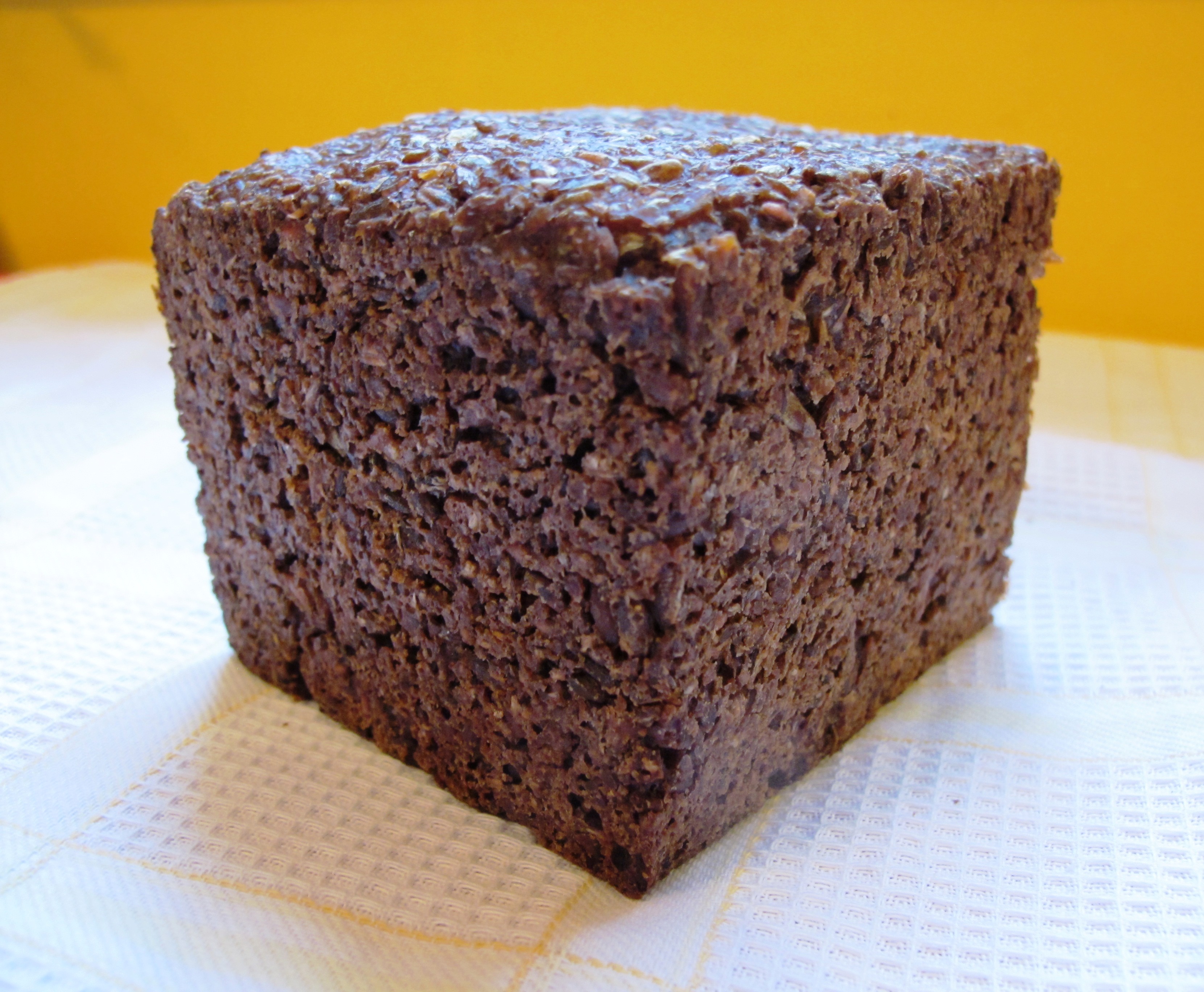
Sourdough starter is the key to creating the signature tangy flavor and chewy texture of pumpernickel bread. It is a fermented mixture of flour and water that contains wild yeast and bacteria, which are responsible for the bread’s characteristic sourness and rise.
To prepare a sourdough starter, you will need:
- 1 cup whole wheat flour
- 1 cup filtered water
Instructions:
- In a clean glass jar, combine the flour and water.
- Cover the jar with a cheesecloth and secure it with a rubber band.
- Store the jar in a warm place (75-80°F) for 24 hours.
- After 24 hours, discard half of the starter and feed it with 1/2 cup whole wheat flour and 1/2 cup filtered water.
- Repeat the feeding process every 12 hours for 5-7 days, or until the starter becomes bubbly and active.
Once your sourdough starter is active, you can use it to make pumpernickel bread. It is important to note that sourdough starters require regular maintenance, including feeding and storage in the refrigerator when not in use.
Sourdough Pumpernickel Bread Recipe is a hearty and flavorful bread that is perfect for sandwiches or toast. The sourdough starter gives the bread a slightly sour flavor, while the pumpernickel flour gives it a rich, dark color. If you are looking for a delicious and easy-to-make bread recipe, this is the one for you.
You can also try out other delicious recipes like the Recipe For Texas Roadhouse Mushrooms . Sourdough Pumpernickel Bread Recipe is a great choice for a hearty and flavorful bread that is perfect for any occasion.
Kneading and Shaping
Kneading sourdough pumpernickel bread dough is an essential step in developing its texture and flavor. The process involves stretching and folding the dough repeatedly to strengthen the gluten network, which gives the bread its characteristic chewy texture.
Shaping the Dough
Once the dough has been kneaded, it is time to shape it into loaves. This can be done in a variety of ways, depending on the desired shape of the bread. Some popular shaping techniques include:
– Bâtard: A long, narrow loaf with a rounded top and a scored crust.
– Boule: A round loaf with a smooth, un-scored crust.
– Ciabatta: A flat, oblong loaf with a crispy crust and large air pockets.
– Baguette: A long, thin loaf with a crispy crust and a soft, chewy interior.
Fermentation
The fermentation process in sourdough pumpernickel bread making is crucial in developing its distinctive flavor and texture. Sourdough, a natural leavening agent, is made from a mixture of flour and water that is fermented by wild yeast and bacteria. This fermentation process produces lactic acid and other organic acids, which give the bread its characteristic sour flavor.
While Sourdough Pumpernickel Bread Recipe is a hearty and flavorful bread, if you’re looking for a sweeter treat, you might enjoy the Recipe Neiman Marcus Bars . These decadent bars are made with a buttery shortbread crust, a layer of chocolate ganache, and a topping of chopped nuts.
They’re perfect for a special occasion or a sweet treat any time of day. Once you’ve tried the Recipe Neiman Marcus Bars, come back and give Sourdough Pumpernickel Bread Recipe a try.
Time and temperature play vital roles in the fermentation process. The dough is typically fermented for a long period, ranging from 12 to 24 hours or even longer. During this time, the sourdough culture continues to ferment, producing more lactic acid and other flavor compounds. The temperature at which the dough is fermented also affects the flavor and texture of the bread. A lower fermentation temperature, around 70-75°F (21-24°C), results in a slower fermentation process and a more pronounced sour flavor. A higher fermentation temperature, around 80-85°F (27-29°C), leads to a faster fermentation process and a milder sour flavor.
Role of Lactic Acid
Lactic acid is one of the key compounds produced during the fermentation process. It contributes to the bread’s sour flavor and also inhibits the growth of harmful bacteria, extending the bread’s shelf life.
Role of Other Organic Acids
In addition to lactic acid, other organic acids, such as acetic acid and propionic acid, are also produced during fermentation. These acids contribute to the bread’s overall flavor and aroma.
Baking: Sourdough Pumpernickel Bread Recipe

The baking process for sourdough pumpernickel bread requires careful attention to temperature and timing to achieve the desired crust and crumb.
Preheat the oven to 230°C (450°F). Place a baking stone or baking sheet in the oven to heat up. This will help create a crispy crust.
Transfer the dough to a lightly greased baking sheet. Score the top of the dough with a sharp knife or razor blade. This will help the bread expand during baking.
Bake the bread for 45-50 minutes, or until the crust is golden brown and the internal temperature reaches 98°C (208°F).
Let the bread cool on a wire rack before slicing and serving.
Cooling and Storage

Once the sourdough pumpernickel bread is baked, it’s crucial to cool and store it properly to preserve its freshness and extend its shelf life.
After removing the bread from the oven, place it on a wire rack to cool completely. This allows air to circulate around the loaf, preventing it from becoming soggy.
Storing
Once the bread has cooled, wrap it tightly in plastic wrap or place it in an airtight container to prevent it from drying out. Store the bread at room temperature for up to 3 days.
For longer storage, freeze the bread in an airtight container for up to 2 months. When ready to serve, thaw the bread overnight at room temperature.
Variations
Sourdough pumpernickel bread is a versatile base that can be customized with various additions to create unique flavor profiles and textures.
Incorporating nuts, seeds, or spices into the dough enhances the bread’s nutritional value and adds depth to its flavor and texture.
Nuts
- Walnuts: Their earthy flavor complements the pumpernickel’s sourness, adding a nutty crunch.
- Pecans: These sweet and buttery nuts provide a contrasting sweetness to the bread’s tanginess.
- Hazelnuts: Their subtle sweetness and nutty flavor enhance the bread’s overall richness.
Seeds
- Sunflower seeds: Their mild flavor and crunchy texture add a subtle sweetness to the bread.
- Pumpkin seeds: Their nutty flavor and slightly chewy texture complement the pumpernickel’s sourness.
- Flax seeds: Their earthy flavor and nutritional value add depth to the bread’s flavor and texture.
Spices
- Caraway seeds: Their aromatic flavor adds a distinct warmth to the bread.
- Cumin seeds: Their earthy and slightly spicy flavor enhances the pumpernickel’s sourness.
- Fennel seeds: Their licorice-like flavor adds a unique and refreshing note to the bread.
Health Benefits
Sourdough pumpernickel bread offers a range of potential health benefits attributed to its unique fermentation process and nutrient-rich ingredients.
The sourdough fermentation enhances the digestibility of the bread, making it easier for the body to break down and absorb nutrients. This is due to the production of lactic acid and other organic acids during fermentation, which helps to break down complex carbohydrates and proteins.
Nutrient Absorption
- The sourdough fermentation process also increases the bioavailability of certain nutrients, such as iron, calcium, and magnesium. These nutrients are more easily absorbed by the body when they are present in fermented foods.
- Additionally, the fermentation process produces prebiotics, which are non-digestible carbohydrates that promote the growth of beneficial bacteria in the gut. These bacteria play a vital role in maintaining a healthy digestive system and overall well-being.
Serving Suggestions
Sourdough pumpernickel bread’s unique flavor profile offers a versatile culinary canvas. Savor its bold, slightly sour notes by pairing it with an array of accompaniments that enhance its inherent character.
Consider serving sourdough pumpernickel bread as an accompaniment to hearty soups, stews, and casseroles. Its dense texture and robust flavor will complement the richness of these dishes, providing a satisfying contrast.
Cheese
- Aged cheeses, such as cheddar, Gouda, or Parmesan, offer a sharp and nutty flavor that pairs well with the bread’s sourness.
- Soft cheeses, like Brie or Camembert, provide a creamy contrast to the bread’s texture, creating a harmonious balance.
Meat
- Cold cuts, such as salami, prosciutto, or ham, add a savory and salty element to the bread’s flavor.
- Grilled meats, like steak or chicken, can be paired with the bread for a satisfying and protein-rich meal.
Other Accompaniments, Sourdough Pumpernickel Bread Recipe
- Honey or fruit preserves add a touch of sweetness to the bread’s sourness.
- Olive oil and balsamic vinegar provide a tangy and aromatic drizzle that enhances the bread’s flavor.
Recipe Table
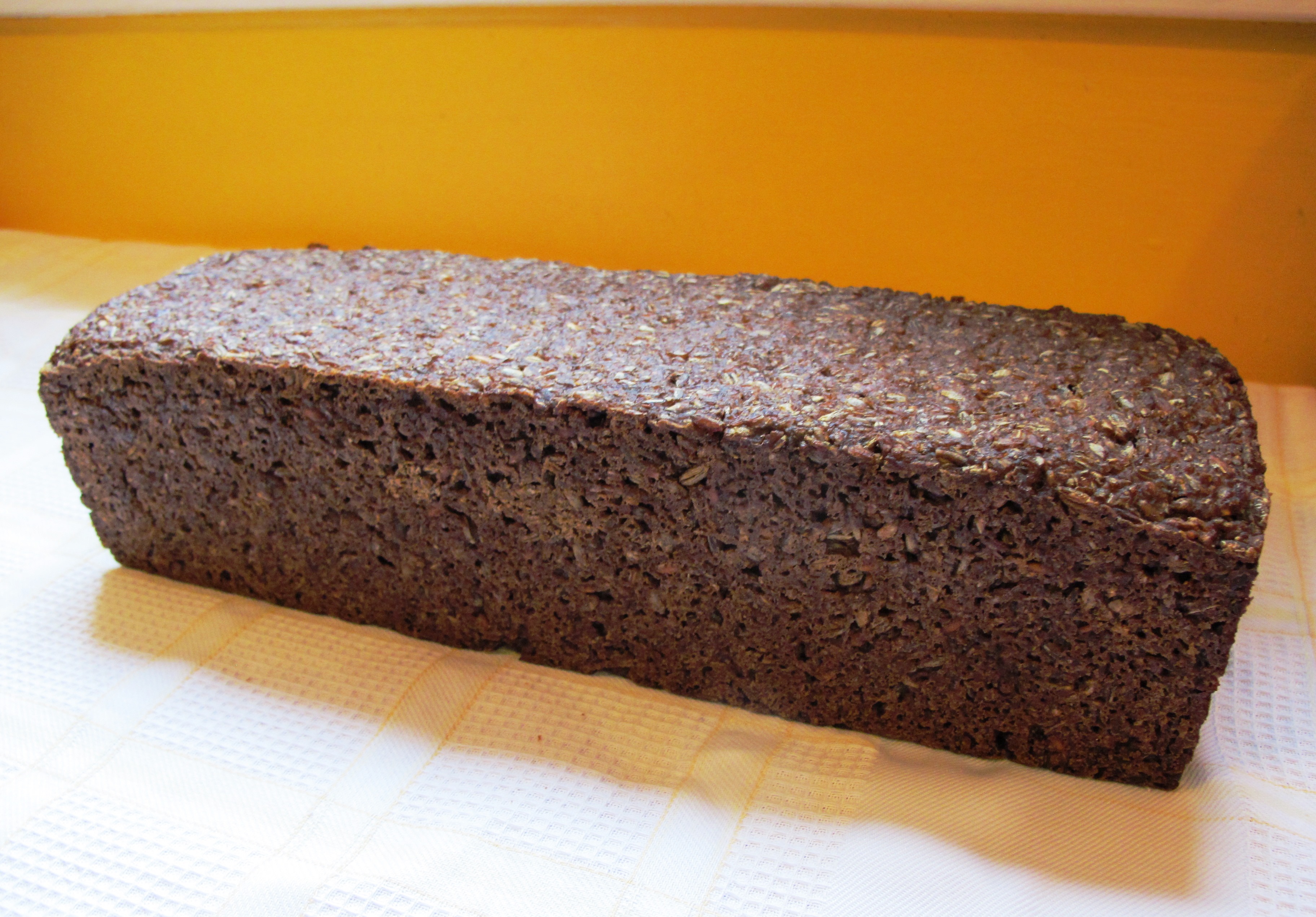
The following table provides a summary of the key steps and ingredients required for making sourdough pumpernickel bread:
The table is designed to be visually appealing and easy to follow, with clear and concise information organized using HTML table tags.
Ingredients
| Ingredient | Quantity |
|---|---|
| Whole wheat flour | 3 cups (360 grams) |
| Rye flour | 1 cup (120 grams) |
| Sourdough starter | 1 cup (240 grams) |
| Water | 1 1/2 cups (360 milliliters) |
| Salt | 1 tablespoon (15 grams) |
| Molasses | 1/4 cup (60 milliliters) |
Ultimate Conclusion
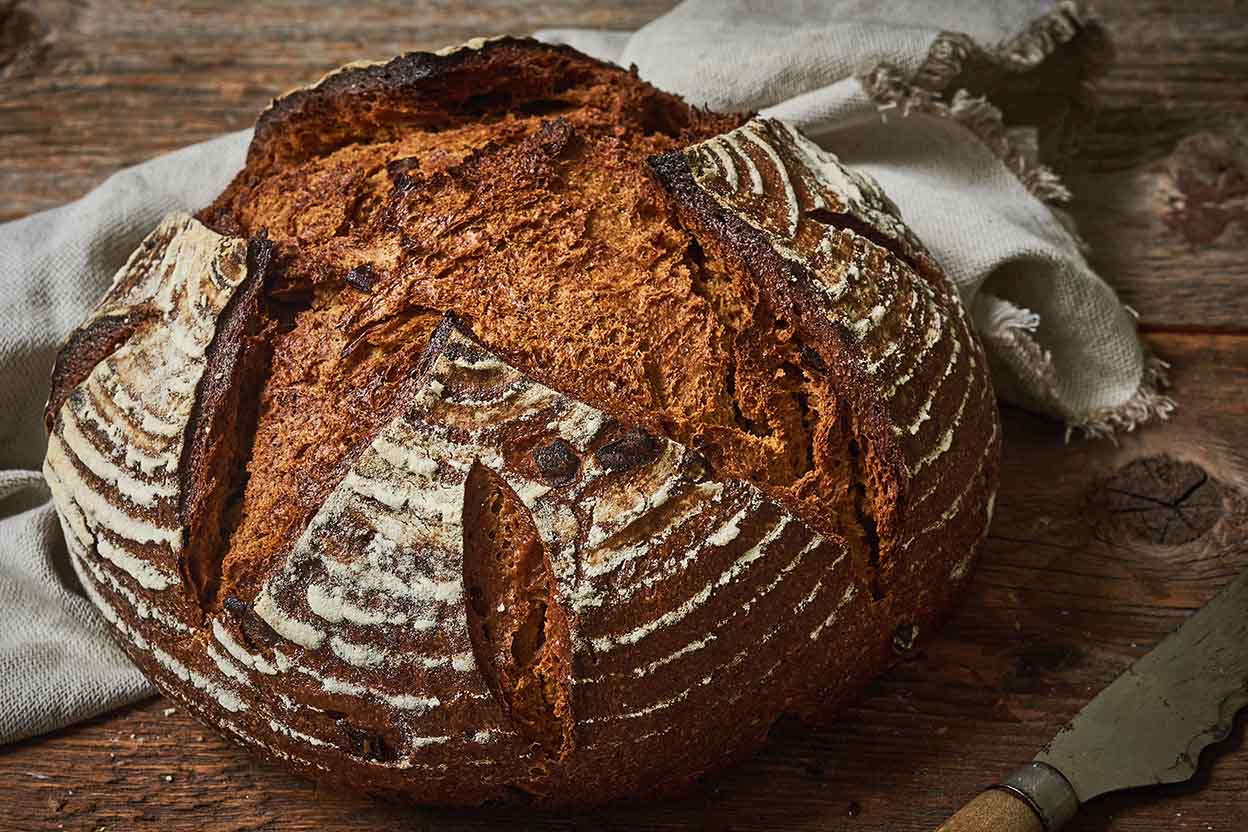
As you savor each slice of your homemade Sourdough Pumpernickel Bread, let the flavors transport you to the heart of culinary excellence. Whether enjoyed on its own or paired with your favorite accompaniments, this bread is a testament to the enduring power of traditional breadmaking.
Experiment with variations, explore the health benefits, and share the joy of this exceptional bread with loved ones. The Sourdough Pumpernickel Bread Recipe is more than just a recipe; it’s an invitation to experience the art of breadmaking at its finest.