Embark on a culinary adventure with the Sous Vide Recipe Book, a comprehensive guide that unlocks the secrets of sous vide cooking. This innovative technique transforms your kitchen into a gourmet haven, empowering you to create mouthwatering dishes with precision and ease.
Dive into the fascinating world of sous vide, where time and temperature become your culinary allies. Discover the principles, equipment, and techniques that will elevate your cooking skills to new heights.
Sous Vide Basics
Sous vide cooking is a technique that involves cooking food in a precisely controlled water bath. The food is placed in a vacuum-sealed bag and submerged in the water bath, which is set to a specific temperature. This allows the food to cook evenly and gently, resulting in tender and juicy results.
Benefits of Sous Vide Cooking
- Precise temperature control:Sous vide cooking allows you to set the water bath to a specific temperature, ensuring that the food cooks evenly throughout. This eliminates the risk of overcooking or undercooking.
- Tender and juicy results:The gentle cooking process of sous vide results in tender and juicy meat, poultry, and fish. The vacuum-sealed bag also helps to retain the natural juices and flavors of the food.
- Reduced cooking time:Sous vide cooking can often reduce the cooking time compared to traditional methods. This is because the food is cooked at a lower temperature for a longer period of time, which allows the heat to penetrate more evenly.
Limitations of Sous Vide Cooking
- Equipment cost:Sous vide cooking requires specialized equipment, including a water bath and a vacuum sealer. This can be a significant investment for home cooks.
- Time-consuming:Sous vide cooking can be a time-consuming process, especially for larger cuts of meat. The food needs to be cooked for several hours or even days to achieve the desired results.
- Lack of browning:Sous vide cooking does not produce the same level of browning as traditional cooking methods, such as grilling or roasting. This can be a drawback for some dishes, such as steak.
Sous Vide Equipment
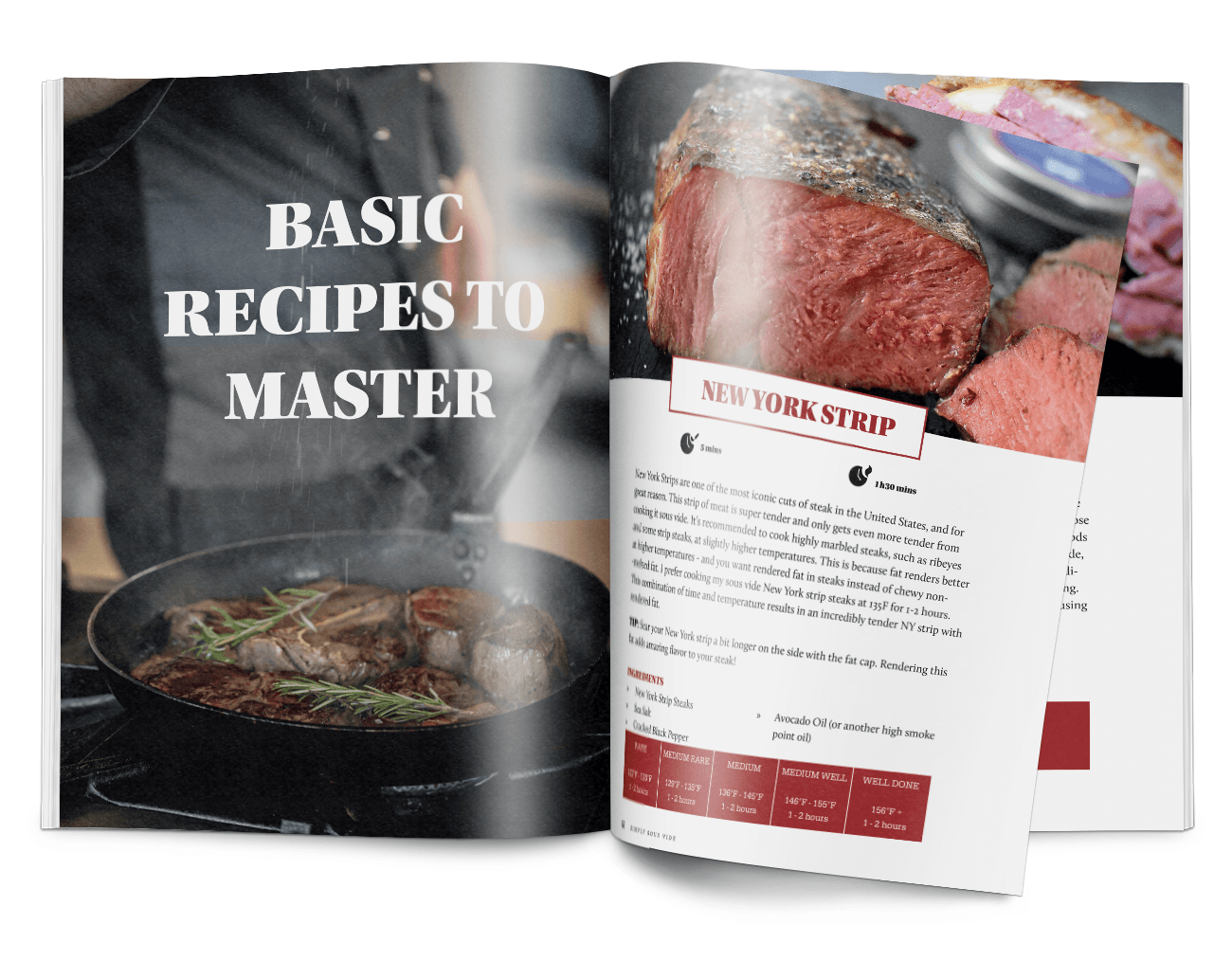
Sous vide cooking requires specialized equipment to precisely control the temperature of the water bath. Different types of sous vide machines offer various features and functions, catering to different needs and budgets.
Types of Sous Vide Machines
Immersion Circulators
- Attach to the side of a pot or container, circulating water to maintain a consistent temperature.
- Compact and portable, suitable for home use.
- Limited water capacity, may require a larger container for larger batches.
Stand-Alone Circulators
- Freestanding units with built-in water baths.
- Offer larger water capacities, ideal for commercial kitchens or large-scale cooking.
- More expensive and less portable than immersion circulators.
Water Ovens
- Combine a sous vide circulator with a convection oven.
- Allow for simultaneous sous vide cooking and roasting, baking, or grilling.
- Versatile and convenient, but more expensive than standalone circulators.
Vacuum Sealers
- Essential for sealing food in airtight bags before submerging in the water bath.
- Prevent water from entering the bags, ensuring even cooking and preserving flavors.
- Various types available, from manual to automatic, depending on budget and usage.
Sous Vide Techniques
Mastering the art of sous vide cooking requires not only the right equipment but also an understanding of effective techniques. This section will guide you through essential tips, methods, and strategies to elevate your sous vide game.
Understanding the relationship between cooking time and temperature is crucial. Different foods have varying cooking times based on their thickness, density, and desired doneness. Refer to reliable sources or use online calculators to determine optimal cooking parameters for specific ingredients.
Sealing Methods for Sous Vide
Proper sealing is essential to prevent water from seeping into your food during the sous vide process. Here are some common sealing methods:
- Vacuum Sealing:This method uses a vacuum sealer to remove air from a specially designed vacuum bag before sealing it tightly. It provides the most effective seal, preventing water penetration and preserving food’s flavors and textures.
- Zip-Top Bags:While not as airtight as vacuum sealing, zip-top bags can be used for shorter cooking times. Submerge the bag in water, leaving the zipper slightly open to allow air to escape. Once the water reaches the desired level, seal the bag tightly.
If you’re looking to expand your culinary horizons beyond sous vide cooking, why not venture into the realm of pickled delights? Check out this delectable refrigerated pickled okra recipe that’s sure to tantalize your taste buds. Its vibrant flavors and crunchy texture will complement any meal.
Once you’ve mastered this okra masterpiece, feel free to return to your sous vide recipe book and explore other culinary adventures.
- Mason Jars:Suitable for smaller portions or marinades, mason jars can be sealed tightly with their lids. Ensure there is sufficient headspace to prevent breakage during cooking.
Sous Vide Safety: Sous Vide Recipe Book

Ensuring food safety is crucial in sous vide cooking to prevent foodborne illnesses. This method involves cooking food in vacuum-sealed bags at precisely controlled temperatures for extended periods, which can create an environment conducive to bacterial growth if not handled properly.
Preventing Foodborne Illnesses
- Maintain Proper Temperatures:Cook food to the recommended internal temperatures to eliminate harmful bacteria. Use a reliable thermometer to ensure accuracy.
- Avoid Cross-Contamination:Keep raw and cooked foods separate to prevent the spread of bacteria. Use different cutting boards, utensils, and storage containers for each.
- Control Time and Temperature:Monitor cooking times and temperatures closely to prevent food from spending too long in the “danger zone” (40°F to 140°F), where bacteria can multiply rapidly.
- Practice Good Hygiene:Wash hands thoroughly before and after handling food. Sanitize surfaces and equipment regularly to minimize the risk of contamination.
Proper Food Handling and Storage, Sous vide recipe book
- Store Food Properly:Vacuum-sealed food should be refrigerated or frozen immediately after cooking. Discard any food that has been left at room temperature for more than two hours.
- Reheat Food Safely:Reheat sous vide-cooked food to an internal temperature of 165°F before serving to ensure the elimination of any potential bacteria.
- Use Caution with High-Risk Foods:Foods such as raw meat, poultry, and fish require extra care to prevent foodborne illnesses. Cook these foods to the recommended internal temperatures and follow proper storage and handling guidelines.
Sous Vide Troubleshooting
Sous vide cooking is a relatively simple and precise method of cooking, but there are a few common problems that can occur. In this section, we’ll identify these problems and provide solutions and troubleshooting tips to help you avoid them.
One of the most common problems with sous vide cooking is undercooking. This can happen if the water bath is not hot enough, if the food is not cooked for long enough, or if the food is too thick.
Avoiding Undercooking
- Make sure the water bath is at the correct temperature before adding the food.
- Cook the food for the correct amount of time. Use a timer to ensure accuracy.
- If the food is too thick, cut it into smaller pieces before cooking.
Last Word
Whether you’re a seasoned chef or a home cook eager to explore new culinary frontiers, the Sous Vide Recipe Book is your ultimate companion. Let its pages inspire you to create unforgettable dining experiences that will tantalize your taste buds and impress your guests.