Embark on a tantalizing culinary adventure with our spicy galbi jjim recipe, a delectable Korean dish that ignites the taste buds with its vibrant flavors and rich history. Join us as we delve into the origins, ingredients, cooking techniques, and cultural significance of this beloved dish.
Prepare to be captivated by the harmonious blend of spicy, sweet, and savory notes that define galbi jjim. This mouthwatering stew features tender beef short ribs simmered in a flavorful sauce, creating a symphony of flavors that will leave you craving for more.
Introduction to Spicy Galbi Jjim
Spicy Galbi Jjim, also known as spicy braised short ribs, is a beloved Korean dish that has a rich history and unique flavor profile. It originated in the royal courts of the Joseon Dynasty, where it was served as a special dish for banquets and celebrations.
Galbi Jjim is made with beef short ribs that are braised in a spicy and savory sauce, resulting in a tender and flavorful dish.
Key Ingredients and Flavors
The key ingredients in Spicy Galbi Jjim include beef short ribs, soy sauce, gochujang (Korean red pepper paste), garlic, ginger, green onions, and sesame oil. The combination of these ingredients creates a rich and complex flavor profile that is both spicy and savory.
The beef short ribs provide a tender and juicy base for the dish, while the soy sauce, gochujang, and garlic add depth of flavor. The green onions and sesame oil add a touch of freshness and aroma.
Ingredients Breakdown
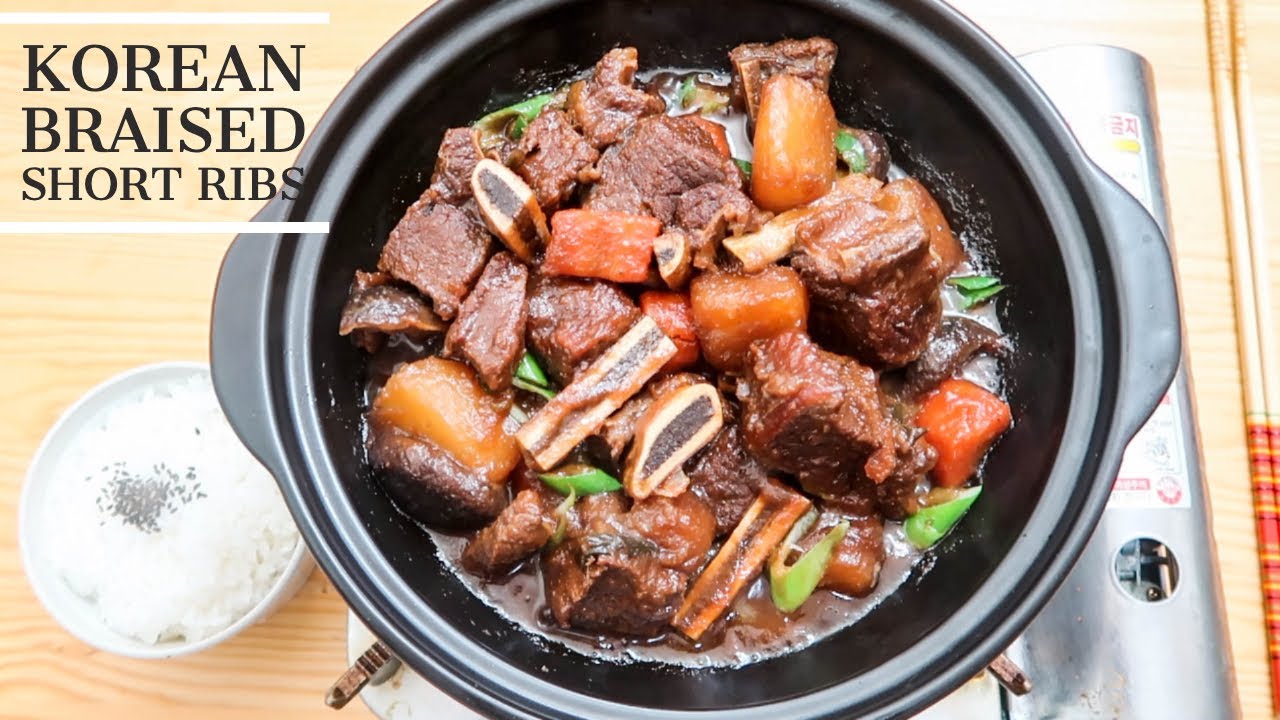
The ingredients in spicy galbi jjim work together to create a flavorful and complex dish. Here’s a breakdown of the main ingredients and their roles:
The table below provides a detailed breakdown of the ingredients, including their quantities and purposes:
Ingredient List
| Ingredient | Quantity | Purpose |
|---|---|---|
| Beef short ribs | 2 pounds | The main protein in the dish, providing a rich and flavorful base. |
| Soy sauce | 1/2 cup | Adds a salty and umami flavor to the dish. |
| Gochujang (Korean chili paste) | 1/4 cup | Provides the dish with its spicy and savory flavor. |
| Brown sugar | 1/4 cup | Balances the heat of the gochujang and adds a touch of sweetness. |
| Sesame oil | 2 tablespoons | Enhances the flavor of the dish and adds a nutty aroma. |
| Green onions | 1/2 cup, chopped | Adds freshness and a bit of crunch to the dish. |
| Garlic | 4 cloves, minced | Provides a pungent and aromatic flavor. |
| Ginger | 1 tablespoon, minced | Adds a warm and spicy flavor to the dish. |
| Water | 1 cup | Helps to braise the short ribs and create a flavorful sauce. |
Step-by-Step Cooking Instructions

Prepare your ingredients and follow these steps to cook your spicy galbi jjim:
1. Braising the Ribs
In a large pot, add the beef short ribs, water, soy sauce, brown sugar, garlic, ginger, green onions, and Korean red pepper flakes. Bring to a boil over medium-high heat, then reduce heat to low, cover, and simmer for 2-3 hours, or until the ribs are tender and fall off the bone.
2. Adding Vegetables
Once the ribs are tender, add the potatoes, carrots, and onions to the pot. Continue simmering for another 30-45 minutes, or until the vegetables are tender.
3. Thickening the Sauce
In a small bowl, mix together the cornstarch and cold water to form a slurry. Gradually whisk the slurry into the pot, stirring constantly. Bring to a simmer and cook for 5-7 minutes, or until the sauce has thickened.
4. Serving
Serve the spicy galbi jjim hot over rice or noodles, and garnish with additional green onions and sesame seeds.
Alternative Cooking Methods
In addition to the traditional method of cooking spicy galbi jjim on the stovetop, there are several alternative methods that can be used to achieve delicious results.
If you’re in the mood for something spicy, try this galbi jjim recipe. It’s a flavorful Korean dish made with beef short ribs that are braised in a spicy sauce. While you’re waiting for the galbi jjim to cook, you can check out these mk11 forge recipes with pictures . They’re perfect for gamers who want to create powerful weapons and armor in Mortal Kombat 11. Once the galbi jjim is done, serve it over rice with a side of kimchi for a complete meal.
Each method offers its own advantages and disadvantages, depending on factors such as the time available, the desired level of tenderness, and the equipment at hand.
Pressure Cooker, Spicy galbi jjim recipe
- Advantages:Significantly reduces cooking time, resulting in tender and fall-off-the-bone meat. The sealed environment also enhances the flavors and reduces liquid evaporation.
- Disadvantages:Requires a specialized pressure cooker and can be more dangerous to use than other methods. It is important to follow the manufacturer’s instructions carefully to avoid accidents.
Slow Cooker
- Advantages:Allows for hands-free cooking and produces tender, flavorful meat. The low and slow cooking process allows the flavors to develop fully.
- Disadvantages:Requires a longer cooking time than other methods and may not achieve the same level of browning on the meat as stovetop cooking.
Sauce Variations
The spicy galbi jjim sauce can be customized to suit different taste preferences. Variations include adjustments in heat level and sweetness.
To increase heat, add more gochujang or gochugaru (Korean chili powder). For a milder sauce, reduce the amount of these ingredients.
Sweet Variation
- Add 1/4 cup of brown sugar or honey to the sauce.
- Simmer the sauce for an additional 15 minutes to allow the sweetness to develop.
Tangy Variation
- Add 1/4 cup of rice vinegar or apple cider vinegar to the sauce.
- Simmer the sauce for an additional 10 minutes to allow the tanginess to develop.
Umami Variation
- Add 1/4 cup of soy sauce or fish sauce to the sauce.
- Simmer the sauce for an additional 5 minutes to allow the umami flavors to develop.
Garnish and Presentation Ideas
To enhance the visual appeal of your spicy galbi jjim, consider incorporating traditional and creative garnishes. Traditional garnishes like sliced green onions, sesame seeds, and toasted pine nuts add a vibrant touch of color and texture. For a more modern presentation, try using microgreens, edible flowers, or thinly sliced radishes.
Plating Suggestions
- Arrange the galbi jjim in a shallow serving bowl or on a large platter.
- Create a bed of steamed rice or mashed potatoes to elevate the dish.
- Garnish the galbi jjim generously with your chosen garnishes.
- Drizzle with any remaining sauce from the cooking process.
- Consider adding a side of pickled vegetables or kimchi for a refreshing contrast.
Accompaniments and Side Dishes
Spicy galbi jjim is a robust and flavorful dish that pairs well with a variety of side dishes. These accompaniments can complement the spicy flavors of the galbi jjim and provide a balanced meal.
Rice is a classic side dish for galbi jjim. The plain starch of the rice helps to balance the spicy flavors of the galbi jjim, while the sticky texture of the rice allows it to soak up the delicious sauce.
Other suitable side dishes include steamed vegetables, such as broccoli, carrots, or spinach. These vegetables provide a refreshing contrast to the spicy galbi jjim and add a healthy element to the meal.
Korean Side Dishes
Korean side dishes, known as banchan, are also excellent accompaniments to spicy galbi jjim. These dishes typically consist of small portions of various pickled vegetables, salads, or other savory items. Some popular banchan that pair well with galbi jjim include kimchi, a spicy fermented cabbage dish; japchae, a glass noodle salad with vegetables; and oi muchim, a cucumber salad.
Nutritional Value and Health Benefits
Spicy galbi jjim is a nutritious dish packed with essential vitamins, minerals, and antioxidants. The main ingredient, beef short ribs, is a rich source of protein, iron, and vitamin B12. The vegetables, such as onions, carrots, and potatoes, provide dietary fiber, vitamins A and C, and potassium.
The gochujang and gochugaru (Korean red pepper paste and powder) used in the sauce contribute capsaicin, an antioxidant with potential anti-inflammatory and anti-cancer properties.
Health Benefits
Consuming spicy galbi jjim in moderation may offer several health benefits:
- Improved Heart Health:Capsaicin has been shown to reduce blood pressure and improve cholesterol levels, potentially lowering the risk of heart disease.
- Reduced Inflammation:Capsaicin possesses anti-inflammatory properties, which may help alleviate symptoms of inflammatory conditions such as arthritis and gout.
- Boosted Immunity:Vitamin C and antioxidants in the vegetables and gochujang support the immune system, helping the body fight infections.
- Enhanced Digestion:Dietary fiber from the vegetables promotes regular bowel movements and supports a healthy digestive system.
Cultural Significance

Spicy galbi jjim holds a significant place in Korean culinary tradition, deeply rooted in its rich flavors and comforting warmth. This delectable dish is often associated with special occasions, family gatherings, and festive celebrations.
Role in Special Occasions and Gatherings
Spicy galbi jjim is a beloved dish during holidays and family reunions. Its hearty and flavorful nature makes it a perfect centerpiece for large gatherings. The slow-cooked ribs, simmered in a savory and spicy sauce, exude an inviting aroma that fills the air and evokes a sense of warmth and togetherness.During
Chuseok (Korean Thanksgiving), spicy galbi jjim is a customary dish, symbolizing abundance and prosperity. Its rich taste and generous portions represent the bountiful harvest and the gratitude for a fruitful year.In the winter months, spicy galbi jjim provides solace and nourishment.
Its comforting warmth and spicy kick offer respite from the cold and bring a sense of cozy contentment to family meals.
Regional Variations: Spicy Galbi Jjim Recipe

Spicy galbi jjim, a popular Korean braised short rib dish, exhibits regional variations across different parts of the country. These variations are primarily attributed to the availability of local ingredients and culinary traditions.
Seoul and Gyeonggi Province
In Seoul and its surrounding Gyeonggi Province, spicy galbi jjim is typically prepared with a combination of soy sauce, gochujang (Korean chili paste), and other seasonings. The ribs are braised in a savory sauce until tender and flavorful.
Jeolla Province
In the southwestern Jeolla Province, spicy galbi jjim is known for its use of fermented soybean paste (doenjang) in addition to gochujang. This results in a more pungent and earthy flavor profile.
Chungcheong Province
Spicy galbi jjim in Chungcheong Province, located in central Korea, often incorporates cheonggukjang (fermented soybean paste with water) into the sauce. This adds a unique sourness and depth of flavor to the dish.
Gangwon Province
In the mountainous Gangwon Province, spicy galbi jjim is often prepared with the addition of wild herbs and mushrooms. These ingredients impart a distinctive earthy and aromatic flavor to the dish.
Modern Interpretations
In the culinary realm, tradition and innovation often intertwine, and spicy galbi jjim is no exception. Modern chefs are pushing the boundaries of this classic dish while remaining faithful to its roots.
Chefs are experimenting with various ingredients and techniques to create innovative interpretations of spicy galbi jjim. Some incorporate unconventional ingredients like shiitake mushrooms, gochujang paste, and even pineapple to add depth of flavor and texture.
Sous Vide
Sous vide, a method involving cooking food in vacuum-sealed bags submerged in a temperature-controlled water bath, has gained popularity in modern galbi jjim preparations. This technique allows for precise temperature control, resulting in evenly cooked and incredibly tender ribs.
Molecular Gastronomy
Molecular gastronomy, the science of cooking, has also found its way into spicy galbi jjim. Chefs use techniques like spherification and emulsification to create unique textures and presentations. For instance, they might transform the spicy sauce into a flavorful foam or create bite-sized spheres filled with the savory broth.
Ultimate Conclusion
As we bid farewell to our spicy galbi jjim culinary adventure, let us savor the memories of its delectable flavors and cultural significance. This dish not only satisfies the palate but also connects us to the vibrant culinary traditions of Korea.
Whether enjoyed as a comforting meal or a festive celebration, spicy galbi jjim will forever hold a special place in our hearts.