Welcome to the realm of culinary delights, where spicy honey mustard recipe reigns supreme! This flavorful sauce is a symphony of sweet and spicy, ready to tantalize your taste buds and transform your dishes into masterpieces.
From its humble beginnings to its modern-day versatility, spicy honey mustard has a rich history and a place in every foodie’s heart. Join us as we explore its ingredients, preparation, variations, and culinary applications, ensuring you become a master of this tangy treat.
Spicy Honey Mustard Ingredients: Spicy Honey Mustard Recipe
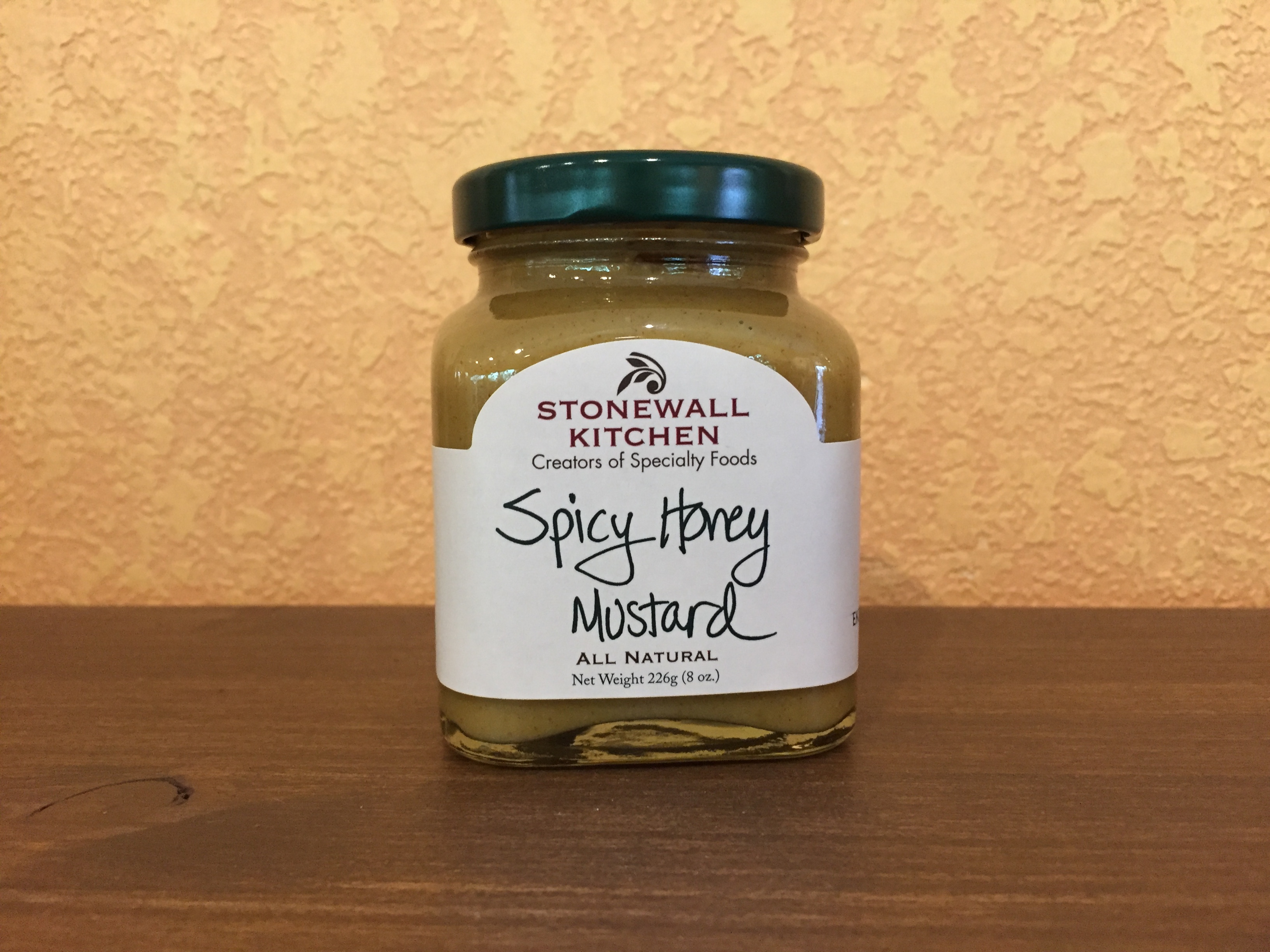
Creating a tantalizing spicy honey mustard requires a harmonious blend of ingredients that elevate its flavor and heat level. Let’s delve into the essential components that contribute to this culinary masterpiece.
Honey
The choice of honey plays a crucial role in determining the sweetness and depth of flavor in your spicy honey mustard. Opt for raw, unfiltered honey to preserve its natural enzymes and antioxidants. Consider the following honey varieties:
- Clover honey:Mild and versatile, suitable for all-purpose use.
- Wildflower honey:Floral and aromatic, adding complexity to the mustard.
- Buckwheat honey:Dark and robust, providing a slightly bitter undertone.
Mustard
The type of mustard used imparts a distinct flavor profile to the honey mustard. Explore the following options:
- Yellow mustard:Common variety, mild in flavor with a bright yellow color.
- Brown mustard:Stronger and more pungent, with a nutty undertone.
- Dijon mustard:French variety, creamy and tangy with a sharp bite.
- Whole-grain mustard:Seeds provide a coarse texture and intense flavor.
Spices
Spices are the secret weapon in crafting a spicy honey mustard. Experiment with the following to enhance flavor and heat:
- Ground mustard seeds:Adds a sharp and pungent kick.
- Paprika:Mildly sweet and slightly smoky, providing a warm undertone.
- Cayenne pepper:Provides a fiery heat, adjustable to your desired level.
- Ginger:Adds a refreshing and slightly sweet warmth.
Step-by-Step Recipe
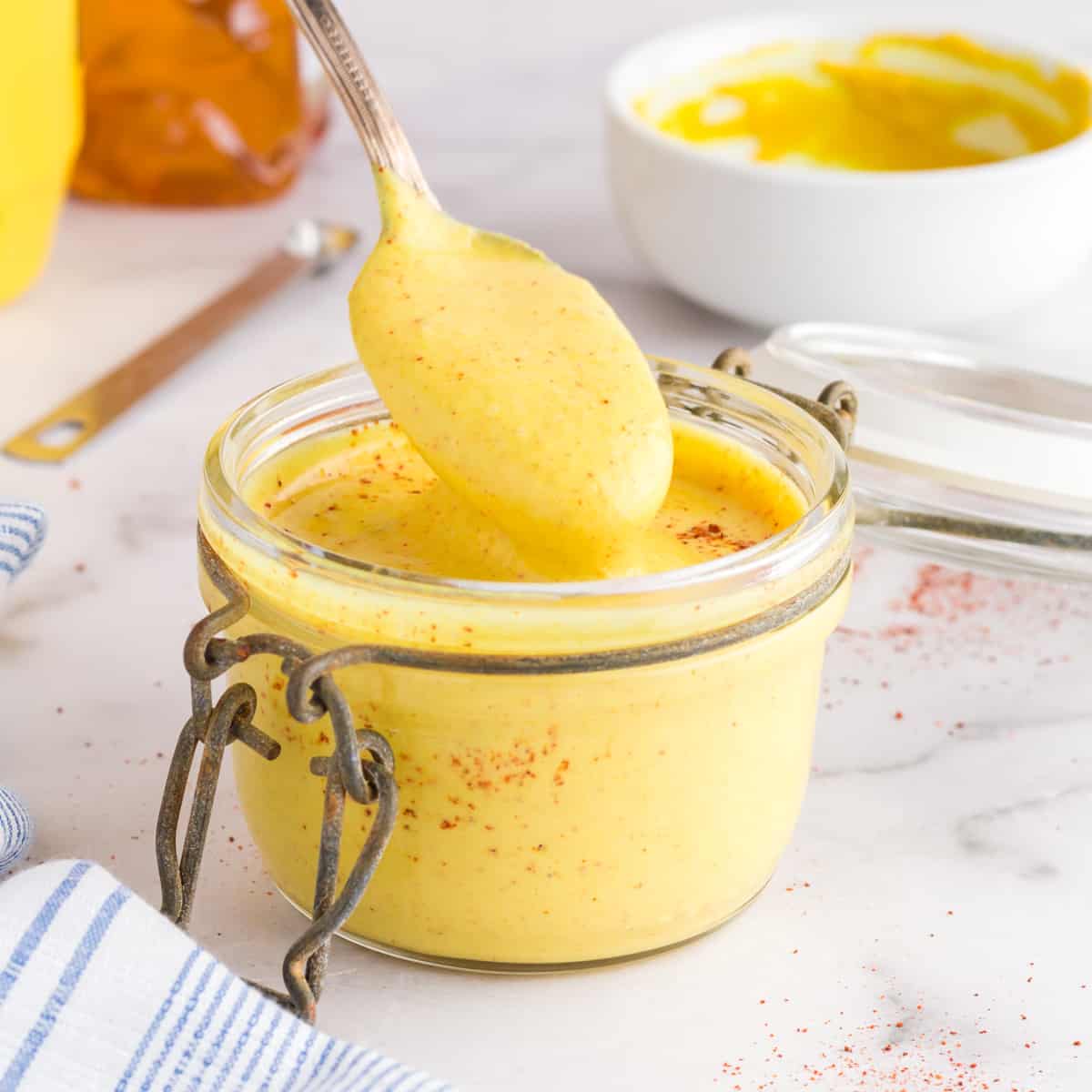
Making spicy honey mustard is a simple process that requires just a few ingredients. Follow these steps to create a delicious and versatile condiment.
Preparation Steps
- In a small bowl, whisk together 1/4 cup of honey, 2 tablespoons of Dijon mustard, 1 tablespoon of apple cider vinegar, 1 teaspoon of ground ginger, 1/2 teaspoon of ground cloves, and a pinch of cayenne pepper.
- Taste the mustard and adjust the seasonings to your liking. If you prefer a spicier mustard, add more cayenne pepper. If you prefer a sweeter mustard, add more honey.
- Cover the bowl and refrigerate the mustard for at least 2 hours before serving. This will allow the flavors to meld and the mustard to thicken.
Tips for Achieving the Desired Consistency and Texture
- For a thinner mustard, add more apple cider vinegar or water.
- For a thicker mustard, refrigerate the mustard for a longer period of time.
- If the mustard is too spicy, add more honey to balance the flavors.
Variations and Adaptations
Experiment with different flavors and heat levels to create a customized spicy honey mustard that suits your taste buds. Here are some ideas to get you started:
Flavor Variations
- Add a teaspoon of finely chopped fresh ginger or garlic for a zesty kick.
- Stir in a tablespoon of Dijon mustard for a tangy twist.
- Mix in a dash of smoked paprika for a smoky flavor.
Heat Level Adjustments
The amount of cayenne pepper you add will determine the heat level of your mustard. For a milder mustard, use less cayenne pepper or omit it altogether. For a hotter mustard, increase the amount of cayenne pepper to taste.
Alternative Ingredients
If you don’t have honey on hand, you can substitute maple syrup or agave nectar.
Culinary Applications
Spicy honey mustard is a versatile condiment that can elevate the flavors of various dishes. Its unique blend of sweet, spicy, and tangy notes makes it an ideal accompaniment for a wide range of culinary creations.
The sauce can be used as a dipping sauce for appetizers, such as chicken tenders, mozzarella sticks, or onion rings. It also pairs well with grilled or fried meats, such as chicken, pork, or fish. The sweetness of the honey complements the savory flavors of the meat, while the spice adds a piquant kick.
Vegetables, Spicy honey mustard recipe
Spicy honey mustard can also be used as a marinade or glaze for vegetables. It adds a flavorful crust to roasted vegetables, such as carrots, parsnips, or Brussels sprouts. The sauce can also be used to dress salads, providing a tangy and slightly spicy alternative to traditional vinaigrettes.
Nutritional Information
Spicy honey mustard is a flavorful condiment that offers a moderate amount of calories and fat. However, it is important to note that the nutritional value can vary depending on the specific ingredients used and the serving size.
On average, a tablespoon of spicy honey mustard contains approximately 30 calories, 2 grams of fat (mostly unsaturated), and 120 milligrams of sodium. It is a good source of vitamin C and potassium, providing about 10% of the daily recommended intake for both nutrients.
Health Benefits of Ingredients
- Honey:Honey is a natural sweetener that contains antioxidants and antibacterial properties. It can help boost the immune system and promote wound healing.
- Mustard:Mustard seeds are a rich source of antioxidants and anti-inflammatory compounds. They can help reduce inflammation and improve heart health.
- Spices:The spices used in spicy honey mustard, such as cayenne pepper and paprika, contain capsaicin and other compounds that have antioxidant and anti-inflammatory effects.
Storage and Shelf Life
Proper storage of spicy honey mustard sauce is crucial to maintain its quality and flavor. The sauce should be refrigerated or frozen to extend its shelf life.
In the refrigerator, the sauce can be stored for up to 2 weeks. Keep the sauce in an airtight container to prevent contamination and preserve its freshness.
Freezing the Sauce
Freezing the sauce is an excellent option for long-term storage. The sauce can be frozen for up to 3 months. To freeze the sauce, transfer it to an airtight freezer-safe container. Leave some headspace in the container to allow for expansion during freezing.
When ready to use, thaw the sauce overnight in the refrigerator or at room temperature for several hours. Stir the sauce well before using.
For a zesty twist on your favorite dishes, try our delectable spicy honey mustard recipe. Its sweet and spicy blend adds a kick to any meal. If you’re looking for a hearty main course, explore our extensive collection of recipes for pike fish . Pike’s firm flesh and mild flavor pair perfectly with various sauces and seasonings.
Return to our spicy honey mustard recipe for a flavorful dipping sauce or marinade that will elevate your culinary creations.
Factors Affecting Shelf Life
Several factors can affect the shelf life of spicy honey mustard sauce:
- Temperature:Storing the sauce at a consistent temperature in the refrigerator or freezer helps preserve its quality.
- Air Exposure:Minimizing air exposure by storing the sauce in airtight containers prevents oxidation and spoilage.
- Ingredients:The ingredients used in the sauce, such as honey and mustard, can influence its shelf life.
- Sanitation:Clean utensils and containers should be used when handling the sauce to prevent contamination.
Visual Presentation
Presentation plays a significant role in enhancing the dining experience. The visual appeal of a dish can stimulate appetite and make the meal more enjoyable. Spicy honey mustard is a versatile sauce that can be presented in various ways to complement different dishes.
When serving spicy honey mustard, consider the serving vessel and garnishes to create an eye-catching presentation.
Serving Vessels
- Small bowls:Individual bowls allow guests to easily dip their food into the sauce.
- Ramekins:Ramekins provide a sophisticated touch and can be used for both dipping and drizzling.
- Sauce boat:A sauce boat is a classic choice for serving larger quantities of sauce.
- Squeeze bottle:Squeeze bottles are convenient for drizzling the sauce over dishes.
Garnishes
- Fresh herbs:Chopped fresh herbs, such as cilantro or parsley, add a pop of color and freshness.
- Citrus zest:Zest from lemon or orange can brighten the sauce’s appearance and enhance its flavor.
- Seeds:Sesame seeds or poppy seeds provide a crunchy texture and visual interest.
- Honeycomb:A drizzle of honey or a small piece of honeycomb can add a touch of sweetness and elegance.
By considering both the serving vessel and garnishes, you can create a visually appealing presentation of spicy honey mustard that will enhance the dining experience.
Recipe Troubleshooting
While making spicy honey mustard, several common issues may arise. Understanding these problems and their solutions can help ensure a successful sauce preparation.
One common problem is achieving the desired flavor balance. If the sauce is too spicy, add a little more honey or Dijon mustard to mellow the heat. Conversely, if it’s not spicy enough, gradually add more Sriracha or cayenne pepper to taste.
Consistency Issues
Another common issue is achieving the right consistency. If the sauce is too thick, whisk in a little more mayonnaise or sour cream to thin it out. If it’s too thin, add a touch more Dijon mustard or cornstarch to thicken it.
Flavor Enhancements
To enhance the flavor of the sauce, consider adding a dash of lemon juice or vinegar for acidity. A sprinkle of fresh herbs, such as parsley or chives, can also add a vibrant freshness.
Historical and Cultural Context

Spicy honey mustard has a rich and diverse history, with roots in various culinary traditions worldwide.
Its origins can be traced back to ancient Greece, where honey was combined with mustard seeds to create a pungent condiment. Over time, this sauce spread throughout Europe and the Middle East, where it was embraced by different cultures and adapted to local tastes.
Spread and Variations
As spicy honey mustard traveled across regions, it underwent countless variations. In Germany, for instance, it became known as “Senfhonig” and was often paired with sausages and pretzels. In England, it was transformed into a milder version known as “English mustard,” which complemented roast beef and sandwiches.
In the United States, spicy honey mustard gained popularity in the 1950s as a dipping sauce for chicken nuggets and other fried foods. It has since become a staple condiment in American households, enjoyed for its versatility and flavor.
Closure
Spicy honey mustard recipe is a culinary chameleon, adding a touch of heat and sweetness to any dish. Whether you’re a seasoned chef or a kitchen novice, this recipe will empower you to create a flavorful masterpiece that will impress your family and friends.
So, gather your ingredients, prepare your taste buds, and let’s embark on a culinary adventure with spicy honey mustard recipe!