Embark on a culinary expedition with our split urad dal recipe, a staple in Indian cuisine renowned for its versatility and nutritional prowess. Join us as we explore the secrets of this beloved dish, from its humble beginnings to its transformative flavors.
Urad dal, also known as black gram, is a powerhouse of nutrients, boasting an impressive array of vitamins, minerals, and dietary fiber. Its consumption is associated with numerous health benefits, including improved digestion, heart health, and blood sugar regulation.
Introduction: Split Urad Dal Recipe
Split urad dal, also known as black lentils, holds a significant place in Indian cuisine. These tiny, black lentils are not only a culinary staple but also a nutritional powerhouse. They are packed with essential nutrients that contribute to overall health and well-being.
Nutritional Value and Health Benefits
Split urad dal is an excellent source of protein, fiber, iron, folate, and potassium. These nutrients offer numerous health benefits, including:
-
-*Improved digestion
The high fiber content in urad dal aids digestion and prevents constipation.
-*Boosted immunity
Urad dal is rich in folate, which is crucial for the production of red blood cells and the proper functioning of the immune system.
-*Reduced risk of anemia
Urad dal’s iron content helps prevent iron deficiency anemia, a condition characterized by low levels of red blood cells.
-*Lowered cholesterol
The soluble fiber in urad dal binds to cholesterol in the digestive tract and prevents its absorption into the bloodstream.
-*Improved blood sugar control
Urad dal has a low glycemic index, meaning it releases sugar slowly into the bloodstream, helping to regulate blood sugar levels.
Ingredients

To prepare a delectable split urad dal, you’ll need a few essential ingredients. Let’s dive into the details:
The primary ingredient is, of course, split urad dal. This lentil is known for its nutty flavor and creamy texture when cooked.
Split Urad Dal
- 1 cup whole split urad dal, rinsed and picked over
- Water for soaking and cooking
Spices and Seasonings
- 1 teaspoon cumin seeds
- 1 teaspoon coriander seeds
- 1 teaspoon turmeric powder
- 1/2 teaspoon red chili powder (adjust to taste)
- 1/2 teaspoon garam masala
Vegetables
- 1 onion, chopped
- 2 cloves garlic, minced
- 1 green chili, chopped (optional)
- 1 tomato, chopped
Other Ingredients
- 2 tablespoons vegetable oil or ghee
- Salt to taste
- Cilantro leaves for garnish
Variations and Substitutes, Split urad dal recipe
- For a vegan version, replace ghee with vegetable oil.
- If you don’t have whole split urad dal, you can use yellow lentils or red lentils instead.
- Feel free to adjust the amount of spices to your taste preferences.
- You can add other vegetables to the dal, such as carrots, peas, or potatoes.
Preparation
Preparing split urad dal involves several essential steps to ensure a flavorful and well-cooked dish. These steps include soaking, rinsing, and cooking, each playing a crucial role in the outcome.
Split urad dal is a staple in many Indian households. Its nutty flavor and creamy texture make it a versatile ingredient in various dishes. While you’re enjoying the comforting warmth of split urad dal, why not try something refreshing and tangy? Head over to our refrigerator dilly beans recipe for a delightful side dish that will add a burst of flavor to your meal.
When you return to your split urad dal, it will be even more delectable.
Soaking the dal allows it to absorb water and become tender, reducing the cooking time and enhancing its nutritional value. Thorough rinsing removes any impurities or debris, ensuring a clean and wholesome meal.
Soaking
Soak the split urad dal in a bowl or container with enough water to cover it by at least 2 inches. Allow it to soak for at least 4 hours or overnight. Soaking overnight is recommended for optimal results.
Rinsing
After soaking, drain the dal and rinse it thoroughly with cold water several times until the water runs clear. This step removes any remaining impurities or debris.
Cooking
In a large pot or pressure cooker, combine the soaked and rinsed dal with water or broth. The amount of liquid will vary depending on the desired consistency. Bring the mixture to a boil, then reduce heat and simmer until the dal is tender.
The cooking time will vary depending on the method used.
Seasonings and Spices
Split urad dal is a versatile dish that can be enhanced with a variety of seasonings and spices. These ingredients add depth of flavor, complexity, and aroma, making the dish even more enjoyable.
Commonly used seasonings and spices in split urad dal recipes include:
Cumin Seeds
- Cumin seeds have a warm, earthy flavor with a slightly nutty aroma. They are commonly used in Indian cuisine and add a distinctive flavor to the dal.
Coriander Seeds
- Coriander seeds have a citrusy, slightly sweet flavor. They are often used in conjunction with cumin seeds and add a fresh, aromatic note to the dal.
Turmeric Powder
- Turmeric powder is made from dried turmeric root and has a warm, slightly bitter flavor. It is commonly used in Indian cuisine and gives the dal a vibrant yellow color.
Red Chili Powder
- Red chili powder is made from dried red chili peppers and adds a spicy kick to the dal. The amount used can be adjusted to taste.
Garam Masala
- Garam masala is a blend of spices that typically includes cumin, coriander, cardamom, cloves, and cinnamon. It adds a complex, aromatic flavor to the dal.
Asafoetida
- Asafoetida is a pungent spice with a strong, garlic-like flavor. It is often used in small amounts to add a distinctive flavor to the dal.
Ginger-Garlic Paste
- Ginger-garlic paste is made from fresh ginger and garlic and adds a fresh, aromatic flavor to the dal. It is often used as a base for many Indian dishes.
Curry Leaves
- Curry leaves are aromatic leaves that are commonly used in South Indian cuisine. They add a fresh, citrusy flavor to the dal.
Green Chilis
- Green chilis add a spicy kick to the dal. The amount used can be adjusted to taste.
Coriander Leaves
- Coriander leaves are fresh, aromatic leaves that are often used as a garnish for the dal. They add a fresh, herbaceous flavor.
Variations
Split urad dal is a versatile ingredient that can be cooked in a variety of ways, resulting in dishes with distinct flavors and textures. Here are some popular regional variations of split urad dal recipes:
Each regional variation has its own unique combination of flavors and ingredients that reflect the culinary traditions and preferences of the region.
Punjabi Style
Punjabi-style split urad dal is known for its rich and flavorful gravy. The dal is typically cooked with a blend of spices, including cumin, coriander, turmeric, and red chili powder. It is often garnished with fresh coriander leaves and a dollop of ghee.
Maharashtrian Style
Maharashtrian-style split urad dal is typically cooked with a blend of spices, including cumin, coriander, turmeric, and asafoetida. It is often garnished with fresh coriander leaves and a squeeze of lemon juice.
South Indian Style
South Indian-style split urad dal is typically cooked with a blend of spices, including cumin, coriander, turmeric, and black pepper. It is often garnished with fresh coriander leaves and a dash of grated coconut.
Accompaniments
Split urad dal is a versatile dish that can be enjoyed with various accompaniments. These accompaniments not only enhance the flavor of the dal but also add texture and nutritional value to the meal.
- Rice: Rice is a classic accompaniment to split urad dal. It provides a starchy base that balances the richness of the dal. The soft and fluffy texture of rice complements the creamy consistency of the dal, creating a harmonious combination.
- Roti: Roti is another popular accompaniment to split urad dal. These flatbreads are made from whole wheat flour and can be cooked on a griddle or tawa. Roti has a slightly chewy texture that pairs well with the smooth texture of the dal.
It is a great way to soak up the flavorful broth.
- Papad: Papad is a thin, crispy lentil cracker that adds a crunchy texture to the meal. Papad is typically fried or roasted before serving and can be flavored with various spices. Its salty and savory taste complements the mild flavor of the dal.
- Onion Salad: A simple onion salad is a refreshing accompaniment to split urad dal. Thinly sliced onions are mixed with lime juice, cilantro, and a pinch of salt. The acidity of the lime juice cuts through the richness of the dal, while the cilantro adds a fresh, herbaceous flavor.
- Pickles: Pickles are a tangy and spicy accompaniment that can add a burst of flavor to split urad dal. Mango pickle, lemon pickle, or any other pickle of your choice can be served alongside the dal. The acidity of the pickles balances the creaminess of the dal and adds a touch of heat.
Health Benefits

Split urad dal is a nutritional powerhouse, packed with essential vitamins, minerals, and fiber. It’s a rich source of protein, providing essential amino acids necessary for growth and repair.
Beyond its protein content, split urad dal offers a range of health benefits, including:
Digestion
The high fiber content of split urad dal promotes healthy digestion. Fiber aids in bowel movements, preventing constipation and maintaining a healthy digestive system.
Heart Health
Split urad dal contains soluble fiber, which helps lower cholesterol levels. Soluble fiber binds to cholesterol in the digestive tract, preventing its absorption into the bloodstream. This can reduce the risk of heart disease.
Blood Sugar Regulation
The fiber in split urad dal also helps regulate blood sugar levels. Fiber slows down the absorption of sugar into the bloodstream, preventing spikes in blood glucose levels. This is beneficial for people with diabetes or prediabetes.
Conclusion
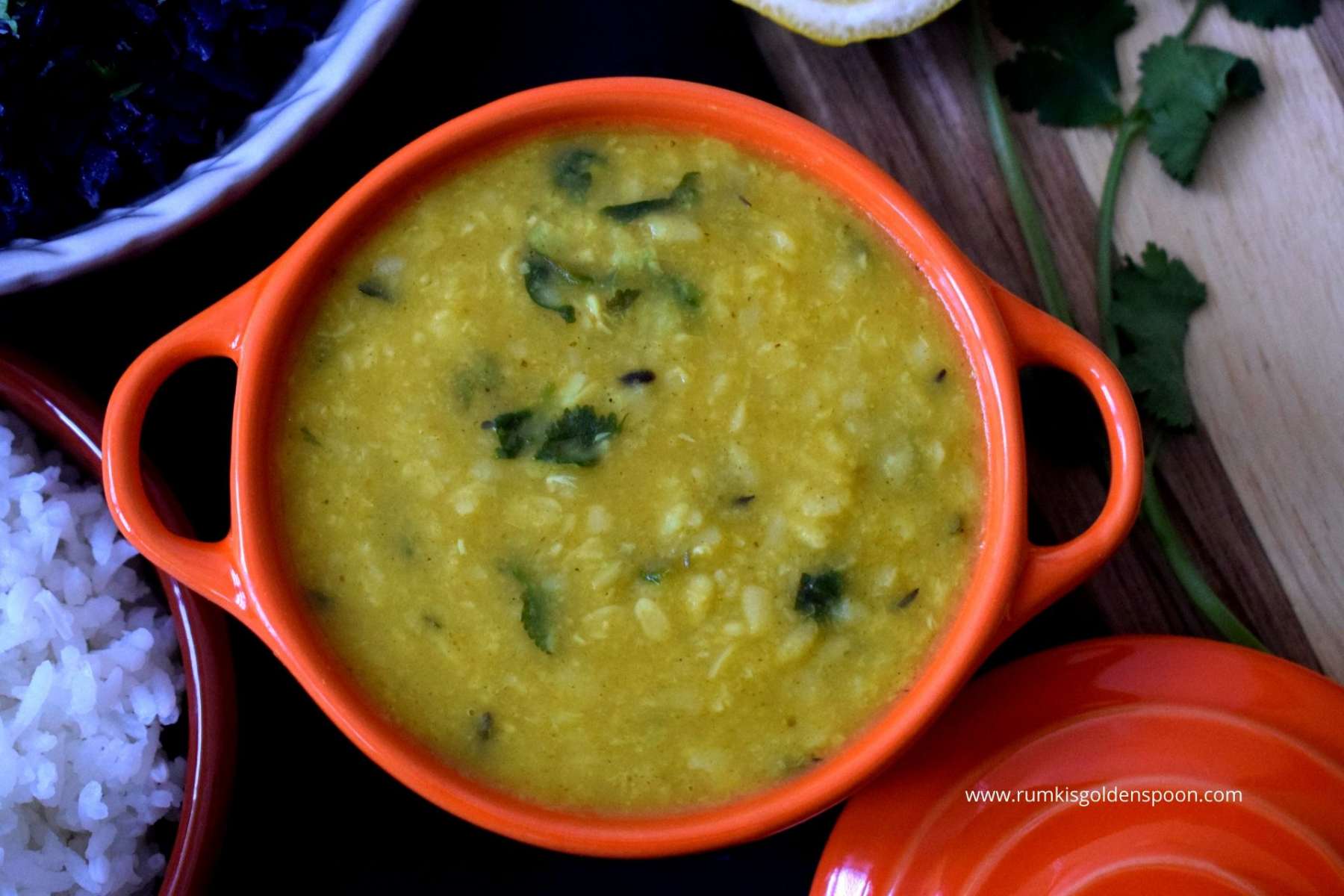
Our split urad dal recipe is a culinary masterpiece that celebrates the rich flavors and textures of Indian cuisine. Whether enjoyed as a comforting meal or a flavorful accompaniment, this dish is sure to delight your taste buds and nourish your body.
Experiment with different variations and accompaniments to create a truly unforgettable culinary experience.