Strawberry filling for cake is a classic dessert topping that adds a burst of sweetness and tartness to any cake. Whether you’re a seasoned baker or a novice in the kitchen, this guide will provide you with all the knowledge you need to create the perfect strawberry filling for your next cake.
From selecting the right strawberries to choosing the best cooking method, we’ll cover every aspect of making strawberry filling. So, let’s dive right in and explore the world of strawberry filling for cake!
Strawberry Filling Flavor Profile
Strawberry filling boasts a distinctive flavor profile that tantalizes the taste buds with its delicate balance of sweetness, tartness, and acidity. This harmonious interplay of flavors creates a delightful sensory experience that captures the essence of fresh strawberries.
The sweetness of strawberry filling derives from the natural sugars present in strawberries. These sugars, primarily fructose and glucose, contribute a pleasant sweetness that forms the foundation of the filling’s flavor. However, the sweetness is not overpowering; it is balanced by a subtle tartness that adds depth and complexity.
The tartness in strawberry filling stems from the presence of organic acids, such as citric acid and malic acid. These acids lend a refreshing tang that complements the sweetness and prevents the filling from becoming overly sugary. The acidity also helps to enhance the fruitiness of the filling, making it taste more authentic and vibrant.
Strawberry Varieties and Their Impact on Flavor
The flavor of strawberry filling can vary depending on the variety of strawberries used. Different strawberry varieties possess unique flavor profiles that contribute to the overall taste of the filling.
- Albion strawberries: Known for their intense sweetness and mild acidity, Albion strawberries produce fillings with a rich, fruity flavor.
- Chandler strawberries: These strawberries have a balanced sweetness and tartness, resulting in fillings that are both flavorful and refreshing.
- Earliglow strawberries: With their high sugar content and low acidity, Earliglow strawberries create fillings that are exceptionally sweet and mild.
By carefully selecting the right strawberry variety, bakers can create strawberry fillings that cater to specific taste preferences and complement the flavors of the cake or dessert they are paired with.
Find out further about the benefits of sugar free cake mix that can provide significant benefits.
Texture and Consistency
Strawberry filling for cake should possess a delectable texture that complements the cake’s overall composition. The ideal filling strikes a balance between firmness and spreadability, allowing it to hold its shape without becoming overly runny or stiff.
Fruit Size
The size of the fruit pieces significantly influences the texture. Larger fruit chunks create a more rustic and chunky filling, while smaller pieces result in a smoother, more refined texture. The desired texture depends on personal preference and the specific cake recipe.
Cooking Method
The cooking method also plays a crucial role in determining the filling’s texture. Simmering the strawberries over low heat allows them to soften and release their juices, creating a more liquid-based filling. Conversely, cooking the strawberries over high heat evaporates more moisture, resulting in a thicker, more concentrated filling.
Added Ingredients
The addition of ingredients such as sugar, cornstarch, or pectin can modify the texture. Sugar enhances sweetness and can thicken the filling slightly. Cornstarch acts as a thickening agent, creating a more viscous consistency. Pectin, a natural thickener derived from fruit, can be used to achieve a gel-like texture.
Tips for Achieving Desired Texture
- For a chunky filling, use larger fruit pieces and cook over low heat.
- For a smooth filling, use smaller fruit pieces and cook over high heat.
- Add sugar to taste, remembering that it can also thicken the filling.
- Use cornstarch or pectin to achieve a thicker consistency, adjusting the amount as needed.
- Avoid overcooking the strawberries, as this can make the filling mushy.
Preparation Methods
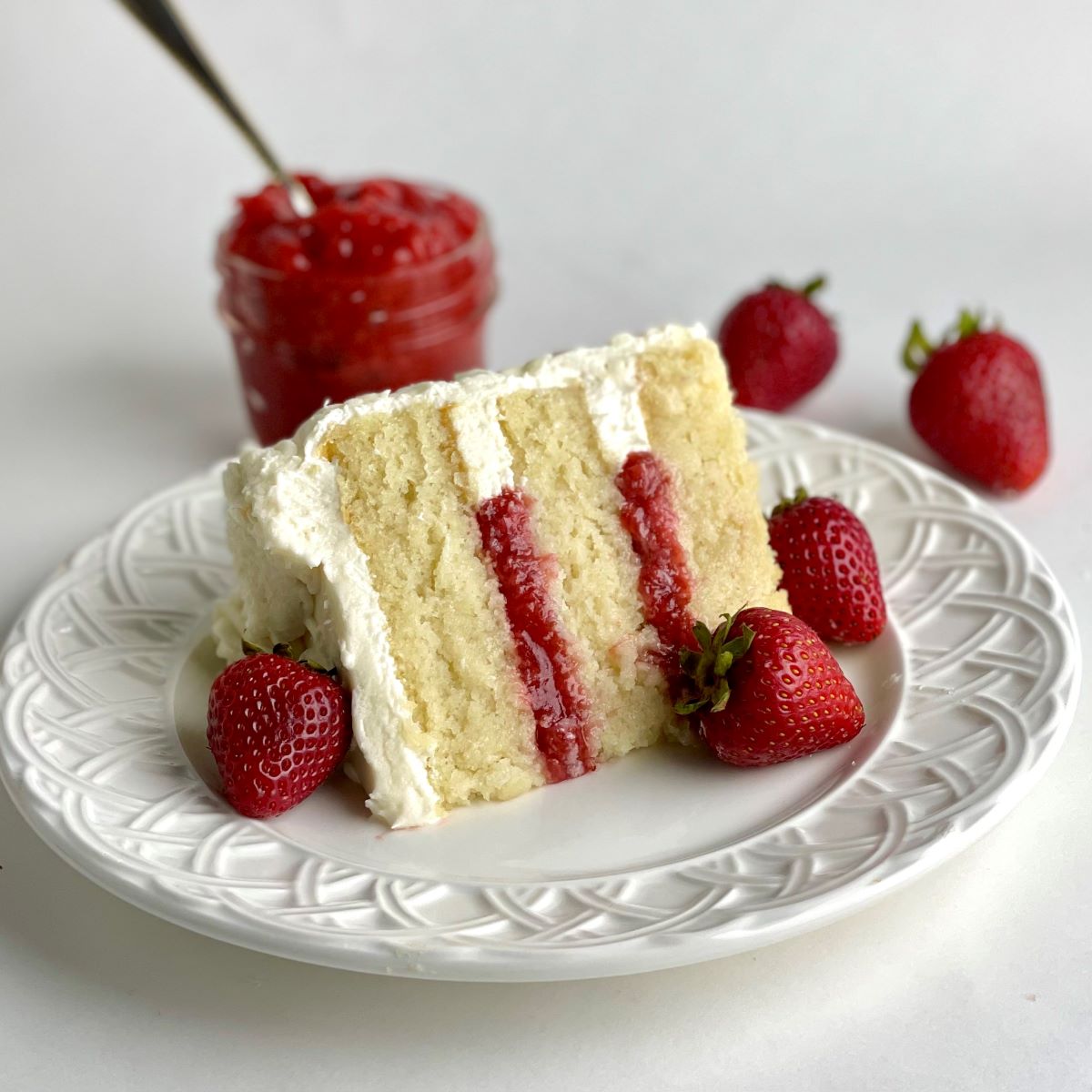
There are several methods for preparing strawberry filling, each with its own advantages and disadvantages. The most common methods include stovetop, microwave, and oven.
The stovetop method is the most traditional and versatile. It allows for precise control over the cooking process, so you can adjust the consistency and sweetness of the filling to your liking. However, it can be time-consuming and requires constant stirring to prevent the filling from burning.
The microwave method is quick and easy, but it can be difficult to achieve the same level of control over the cooking process as with the stovetop method. The filling may also be unevenly cooked, with some parts being overcooked and others being undercooked.
The oven method is a good option if you want to make a large batch of filling. It is also relatively hands-off, so you can focus on other tasks while the filling is cooking. However, the oven method can take longer than the other methods, and it can be difficult to prevent the filling from drying out.
Stovetop Method
- Combine the strawberries, sugar, and lemon juice in a medium saucepan.
- Bring the mixture to a boil over medium heat, stirring constantly.
- Reduce the heat to low and simmer for 15-20 minutes, or until the filling has thickened.
- Remove from heat and stir in the butter.
Microwave Method
- Combine the strawberries, sugar, and lemon juice in a microwave-safe bowl.
- Microwave on high for 2-3 minutes, or until the filling has thickened.
- Stir the filling and microwave for an additional 1-2 minutes, or until the desired consistency is reached.
Oven Method
- Preheat the oven to 350 degrees F (175 degrees C).
- Combine the strawberries, sugar, and lemon juice in a baking dish.
- Bake for 20-30 minutes, or until the filling has thickened.
- Remove from oven and stir in the butter.
Strawberry Selection and Preparation
For a delectable strawberry filling, selecting and preparing the strawberries is crucial. The ideal berries are ripe, juicy, and bursting with flavor.
Selecting Ripe Strawberries
- Look for strawberries with a deep red color and a slight gloss.
- Choose berries that are firm to the touch, with no bruises or soft spots.
- Avoid berries with green caps, as they may be unripe.
Cleaning and Hulling
Before slicing the strawberries, it’s essential to clean and hull them properly.
- Rinse the strawberries thoroughly under cold water.
- Use a sharp paring knife to remove the hulls by cutting a small V-shaped section from the top of each strawberry.
Slicing Strawberries
The method of slicing the strawberries depends on the desired consistency of the filling.
Find out further about the benefits of little debbie christmas tree cakes that can provide significant benefits.
- For a chunky filling, slice the strawberries into thick wedges or chunks.
- For a smoother filling, slice the strawberries thinly.
Sweeteners and Flavorings
Sweeteners and flavorings play a crucial role in enhancing the taste and appeal of strawberry filling. Various sweeteners can be used, each imparting unique characteristics to the filling’s flavor and texture.
Sugar
- White sugar is a classic sweetener for strawberry filling, providing a clean and straightforward sweetness.
- Brown sugar adds a hint of caramel flavor and a slightly chewy texture due to its molasses content.
- Demerara sugar offers a crunchy texture and a subtle molasses flavor, creating a delightful contrast in the filling.
Honey
Honey is a natural sweetener that adds a floral and slightly tangy flavor to the filling. It also has a thicker consistency, contributing to the filling’s richness and body.
Artificial Sweeteners
Artificial sweeteners, such as aspartame or sucralose, can be used to reduce the sugar content without sacrificing sweetness. However, they may impart a slightly different flavor profile, which should be considered when selecting a sweetener.
Flavorings
In addition to sweeteners, various flavorings can complement the natural strawberry flavor. Vanilla extract adds a warm and comforting note, while lemon juice or zest provides a bright and refreshing acidity. Cinnamon can add a subtle warmth and spice, creating a complex and intriguing flavor profile.
Thickeners and Stabilizers
Thickeners and stabilizers play a crucial role in achieving the desired consistency and texture in strawberry filling. They help prevent the filling from becoming too runny or separating, ensuring a smooth and stable texture.
Types of Thickeners and Stabilizers
There are several types of thickeners and stabilizers available, each with its unique properties and applications:
- Cornstarch: A common thickener made from corn, cornstarch swells when heated, creating a viscous gel that thickens the filling.
- Flour: Similar to cornstarch, flour can also be used as a thickener. It provides a slightly different texture and flavor profile compared to cornstarch.
- Gelatin: A protein-based stabilizer derived from animal collagen, gelatin forms a firm gel when hydrated and heated. It is commonly used to stabilize fillings and create a glossy appearance.
How to Use Thickeners and Stabilizers
The amount and type of thickener or stabilizer used will depend on the desired consistency and the specific recipe. Here are some general guidelines:
- Cornstarch: For every cup of liquid, use 1-2 tablespoons of cornstarch. Mix the cornstarch with a small amount of cold liquid to form a slurry before adding it to the hot filling.
- Flour: Use flour in the same proportion as cornstarch. However, it may require longer cooking time to fully thicken.
- Gelatin: Follow the instructions on the gelatin package. Typically, 1-2 teaspoons of gelatin powder are dissolved in cold water before being added to the hot filling.
Strawberry Filling Variations
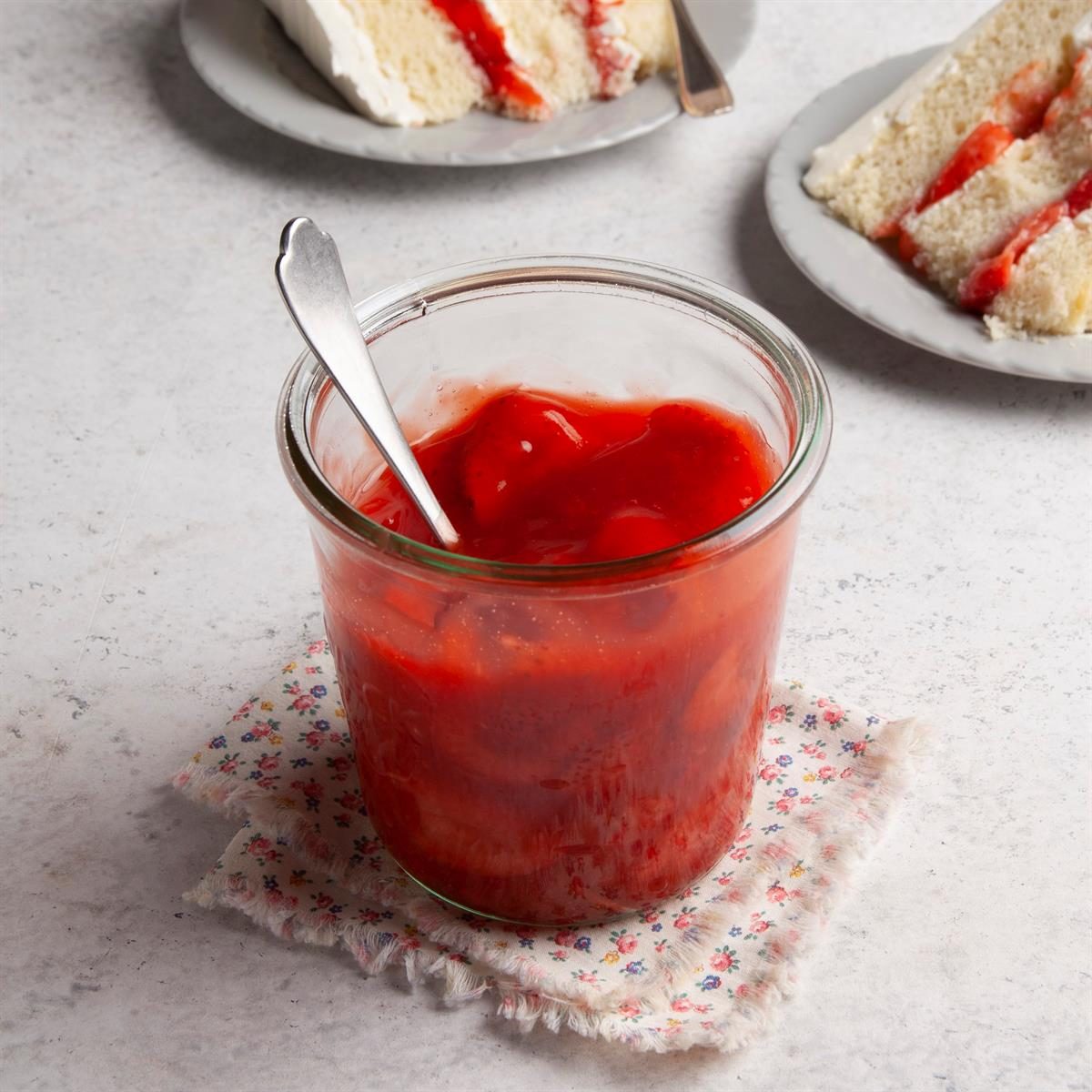
Strawberry filling offers a versatile base for creative experimentation, allowing you to explore a wide range of flavor combinations that complement different cake flavors and styles.
Fruit Additions
Incorporating other fruits into your strawberry filling can create vibrant and refreshing variations. Consider adding:
– Berries: Raspberries, blueberries, or blackberries add a medley of colors and tartness.
– Citrus: Lemon or orange zest provides a bright and tangy twist.
– Stone Fruits: Peaches or apricots offer a sweet and juicy complement.
Nut Enhancements
Nuts add texture and depth of flavor to strawberry filling. Try incorporating:
– Almonds: Sliced or chopped almonds provide a subtle crunch and nutty flavor.
– Walnuts: Chopped walnuts add a rich and earthy note.
– Pistachios: Finely ground pistachios create a vibrant green hue and a subtle nutty taste.
Spice Infusions
Spices can transform strawberry filling into a warm and aromatic delight. Experiment with:
– Cinnamon: A sprinkle of ground cinnamon adds a cozy and comforting flavor.
– Nutmeg: A hint of nutmeg provides a subtle warmth and depth.
– Ginger: Grated fresh ginger adds a zesty and invigorating kick.
Presentation and Serving Suggestions: Strawberry Filling For Cake
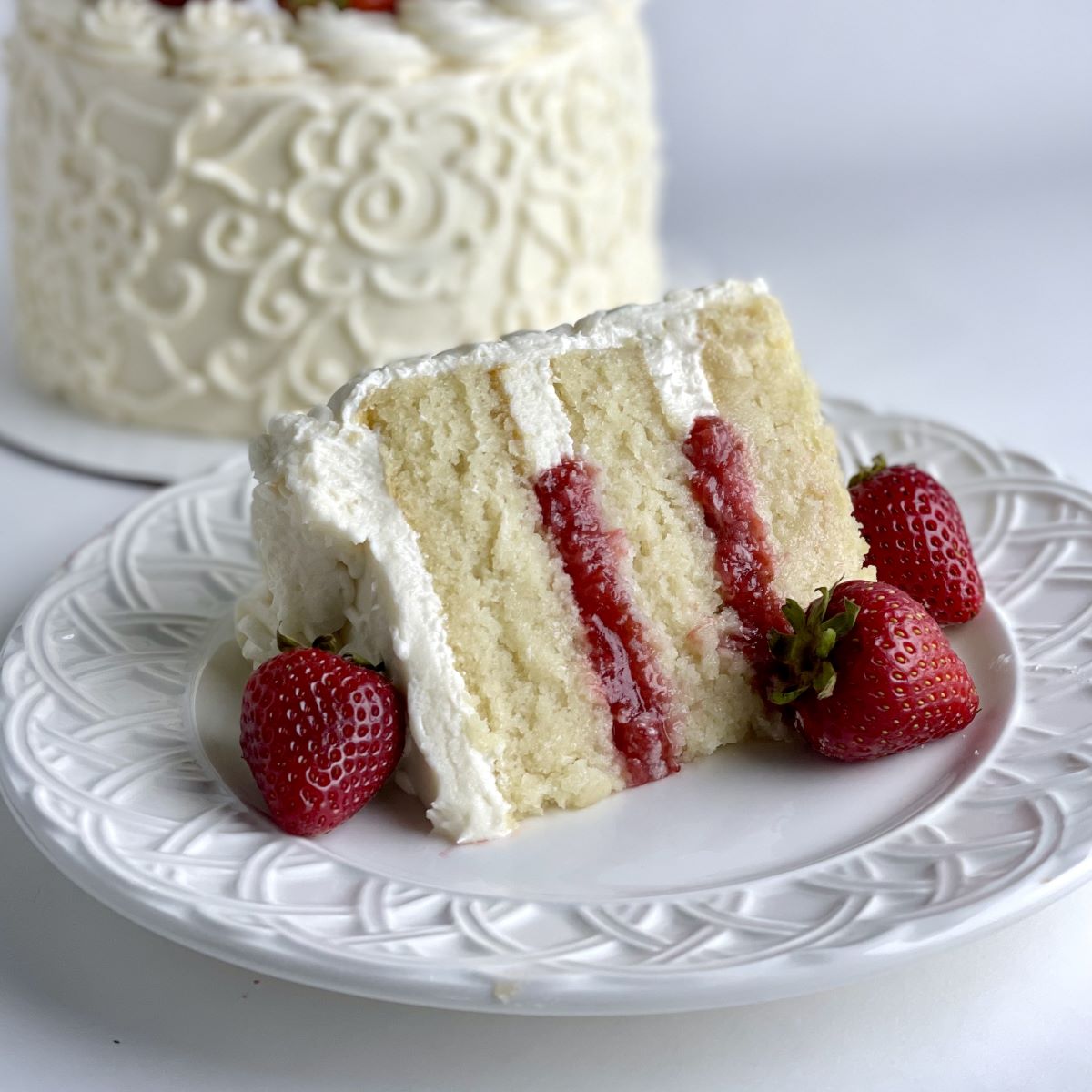
Strawberry filling can elevate the visual appeal and taste of any cake. Here are some tips for presenting and serving it:
Piping
- Use a pastry bag fitted with a star or round tip to pipe the filling onto the cake. This creates a decorative and professional-looking finish.
- Pipe the filling in swirls, rosettes, or borders around the cake’s edges or in the center.
- For a more intricate design, pipe the filling in different colors or flavors.
Spreading
- Use a spatula or offset knife to spread the filling evenly over the cake’s surface.
- Create a smooth and even layer, ensuring the filling reaches the edges.
- If desired, spread a thin layer of frosting or ganache over the filling before adding the next layer of cake.
Layering, Strawberry filling for cake
- Spread a layer of filling between each layer of cake.
- This creates a moist and flavorful cake with a burst of strawberry in every bite.
- Alternate the filling with other flavors, such as vanilla custard or chocolate ganache, for a more complex dessert.
Garnishes and Accompaniments
Enhance the presentation of your strawberry filling with garnishes and accompaniments such as:
- Fresh strawberries: Slice or hull strawberries and arrange them on top of the filling.
- Whipped cream: Pipe or dollop whipped cream around the edges of the cake or on top of the filling.
- Chocolate shavings: Sprinkle chocolate shavings over the filling for a rich and decadent touch.
- Mint leaves: Add a fresh and aromatic touch with mint leaves.
- Powdered sugar: Dust powdered sugar over the filling for a delicate and elegant finish.
Storage and Shelf Life
Proper storage is essential to maintain the quality and safety of strawberry filling. The two primary storage methods are refrigeration and freezing.
Refrigeration
For short-term storage, strawberry filling can be refrigerated for up to 5 days. Store the filling in an airtight container to prevent oxidation and contamination. The low temperature of the refrigerator slows down the growth of microorganisms, extending the shelf life.
Freezing
For longer-term storage, strawberry filling can be frozen for up to 3 months. Freeze the filling in airtight containers or freezer-safe bags. Freezing inhibits microbial growth and preserves the quality of the filling. Thaw the filling overnight in the refrigerator before using.
Factors Affecting Shelf Life
Several factors can affect the shelf life of strawberry filling, including:
- Temperature: Keep the filling refrigerated or frozen to inhibit microbial growth.
- pH level: A low pH level (acidic) inhibits the growth of most bacteria.
- Sugar content: High sugar content creates an osmotic environment that inhibits microbial growth.
- Oxygen exposure: Minimize oxygen exposure by storing the filling in airtight containers.
Determining Spoilage
It is important to discard strawberry filling if it shows signs of spoilage, such as:
- Mold growth
- Off-odors or sour taste
- Discoloration or separation