Embark on a tantalizing adventure with our stuffed whole cabbage recipe, a culinary masterpiece that has captivated taste buds for centuries. From its humble origins to its modern-day adaptations, this dish weaves a rich tapestry of flavors and cultural traditions.
Discover the art of selecting the perfect cabbage leaves, crafting a flavorful filling, and mastering various cooking techniques to create a dish that will leave an unforgettable impression on your palate.
Introduction
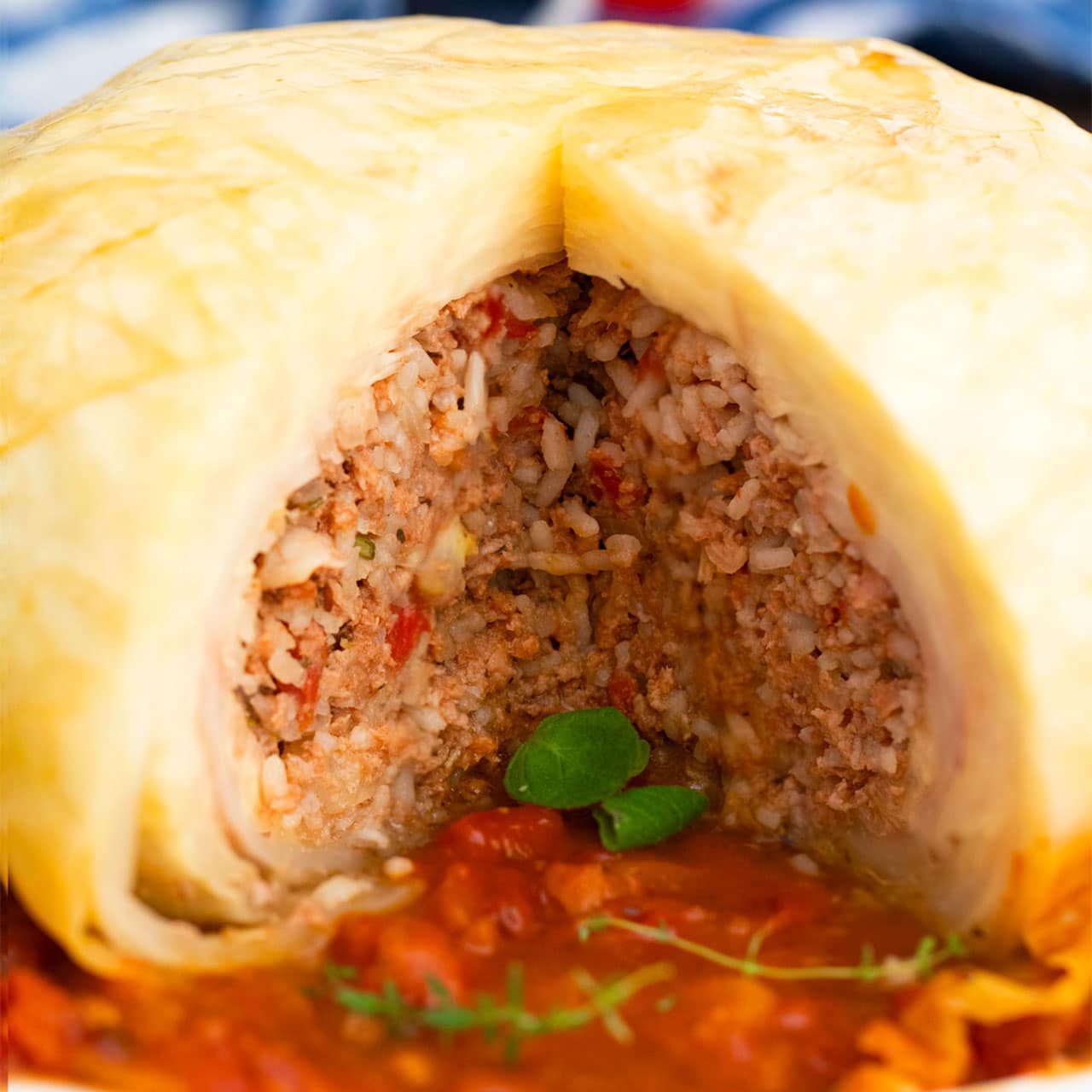
Stuffed whole cabbage is a traditional dish consisting of a whole cabbage head stuffed with a filling, typically made from ground meat, rice, vegetables, and spices. The cabbage is then braised or baked in a flavorful liquid, resulting in a tender and flavorful meal.
History
The origins of stuffed whole cabbage are unclear, but it is believed to have originated in Eastern Europe or the Middle East. Similar dishes have been found in various cultures throughout history, with variations in the filling and cooking methods.
Stuffed whole cabbage gained popularity in many countries and became a staple dish in many households.
Cultural Significance
Stuffed whole cabbage holds cultural significance in many regions. In some cultures, it is a traditional dish served during special occasions and family gatherings. It is often associated with comfort, warmth, and home cooking. In other cultures, stuffed whole cabbage is a symbol of abundance and prosperity.
Ingredients
The foundation of a classic stuffed whole cabbage recipe lies in a harmonious blend of essential ingredients that work together to create a delectable dish.
First and foremost, a large head of fresh cabbage forms the centerpiece of the recipe. Look for a firm, heavy cabbage with tightly packed leaves, indicating its freshness. The outer leaves will be removed and blanched to create a pliable wrapper for the filling.
Filling Ingredients
The filling is the heart and soul of stuffed cabbage. Ground beef or pork, or a combination of both, provides the protein base. Onion, garlic, and bell pepper add savory notes, while rice or bread crumbs act as a binder, ensuring the filling holds together.
Spices, such as paprika, cumin, and thyme, lend warmth and depth of flavor. A tangy tomato sauce or diced tomatoes provide moisture and acidity, balancing the richness of the filling.
Variations and Substitutions
To accommodate different dietary needs and preferences, several variations and substitutions can be made:
- For a vegetarian option, substitute ground lentils or beans for the meat.
- Use brown rice or quinoa instead of white rice for added fiber.
- Add shredded carrots or zucchini to the filling for extra vegetables.
- Replace tomato sauce with a mixture of tomato paste and vegetable broth for a more intense flavor.
Importance of Fresh, High-Quality Ingredients
The quality of ingredients plays a crucial role in the success of stuffed cabbage. Fresh, high-quality ingredients will not only enhance the flavor but also contribute to the overall nutritional value of the dish.
Choosing a firm, crisp cabbage with vibrant leaves ensures that the outer leaves will be sturdy enough to withstand the cooking process. Fresh vegetables, such as onion, garlic, and bell pepper, provide a crisp texture and vibrant flavors. Using lean ground meat reduces excess fat content, resulting in a healthier dish.
Preparation

Preparing stuffed cabbage rolls involves three main steps: preparing the cabbage leaves, making the filling, and assembling the rolls.
Preparing the Cabbage Leaves
- Remove the outer leaves of the cabbage and discard them.
- Cut the cabbage in half and remove the core.
- Place the cabbage halves in a large pot of boiling water for 2-3 minutes, or until the leaves start to soften.
- Remove the cabbage halves from the pot and let them cool slightly.
- Peel off the softened leaves from the cabbage head.
Making the Filling
The filling for stuffed cabbage rolls can vary depending on personal preferences and regional variations. Here is a basic recipe for a meat-based filling:
- In a large bowl, combine ground beef, rice, onion, garlic, salt, pepper, and any other desired spices.
- Mix well until all ingredients are evenly combined.
Assembling the Stuffed Cabbage Rolls
- Place a large cabbage leaf on a flat surface.
- Spoon about 1/2 cup of the filling into the center of the leaf.
- Fold the sides of the leaf over the filling.
- Roll up the leaf tightly, starting from the bottom.
- Repeat with the remaining cabbage leaves and filling.
Cooking Methods
Cooking stuffed whole cabbage involves several methods, each offering unique advantages and drawbacks. The choice of method depends on factors such as the desired texture, cooking time, and available equipment.
Boiling
- Immerse the cabbage in a large pot of boiling water, ensuring it is fully submerged.
- Cook for approximately 45-60 minutes, or until the cabbage is tender and the filling is cooked through.
Advantages:
- Preserves the cabbage’s nutrients and flavor.
- Easy to monitor and adjust cooking time.
Disadvantages:
- Can result in a slightly soggy texture.
- Requires a large pot and a lot of water.
Baking
- Preheat the oven to 375°F (190°C).
- Place the cabbage in a baking dish and add a small amount of liquid, such as broth or tomato juice.
- Bake for approximately 1 hour and 15 minutes, or until the cabbage is tender and the filling is bubbly.
Advantages:
- Produces a slightly crispy exterior and tender interior.
- Can be cooked alongside other dishes in the oven.
Disadvantages:
- Cooking time is longer than other methods.
- May require basting to prevent the cabbage from drying out.
Steaming
- Fill a steamer with water and bring it to a boil.
- Place the cabbage in the steamer basket and steam for approximately 30-45 minutes, or until the cabbage is tender and the filling is cooked through.
Advantages:
- Preserves the cabbage’s nutrients and flavor while preventing sogginess.
- Suitable for those with dietary restrictions as it does not involve added fats.
Disadvantages:
- Requires a steamer or a pot with a steamer basket.
- Cooking time may vary depending on the size and type of cabbage.
Flavor Enhancements
Elevate your stuffed cabbage experience with an array of flavors. Herbs, spices, and sauces can transform the dish into a symphony of tastes.
Experiment with different flavor combinations to find what suits your palate. Consider adding fresh herbs like parsley, dill, or oregano for an aromatic touch. Spices such as cumin, coriander, or paprika bring warmth and depth. A dollop of tomato sauce or sour cream can add a tangy richness.
Stuffed whole cabbage is a hearty and flavorful dish that’s perfect for a cold winter night. If you’re looking for something a little different, try one of the many salmon slow cooker recipes available online. Salmon is a healthy and versatile fish that can be cooked in a variety of ways, so you’re sure to find a recipe that you’ll love.
Once you’ve tried salmon in the slow cooker, you’ll never go back to cooking it any other way. But when you’re craving the classic comfort of stuffed whole cabbage, don’t forget to give this recipe a try.
Balancing Flavors
The key to a flavorful stuffed cabbage is achieving a harmonious balance. Avoid overpowering the dish with any one flavor. Instead, aim for a cohesive blend that complements the natural flavors of the cabbage and filling.
Taste your cabbage mixture before stuffing to adjust seasonings as needed. Remember, you can always add more flavor but it’s harder to remove it.
Serving Suggestions: Stuffed Whole Cabbage Recipe
The presentation of stuffed whole cabbage plays a crucial role in enhancing its appeal and making it a centerpiece of any meal. Traditional serving methods involve arranging the cabbage rolls on a platter, topped with a flavorful sauce or gravy.
For a more creative presentation, consider placing the cabbage rolls upright in a baking dish, creating a visually striking display.
Side Dishes and Accompaniments
Stuffed whole cabbage pairs well with a variety of side dishes. Classic accompaniments include mashed potatoes, roasted vegetables, or a simple green salad. To enhance the flavors, consider serving the cabbage rolls with a dollop of sour cream, a drizzle of melted butter, or a sprinkling of freshly chopped herbs.
Importance of Presentation
The visual appeal of stuffed whole cabbage cannot be overstated. A well-presented dish not only stimulates the appetite but also adds to the overall dining experience. By carefully arranging the cabbage rolls and complementing them with suitable side dishes, you can create a dish that is both visually stunning and deliciously satisfying.
Nutritional Value
Stuffed whole cabbage is a nutritious and satisfying dish that offers a range of essential nutrients. It is rich in fiber, vitamins, minerals, and antioxidants, making it a valuable addition to a healthy diet.
The main ingredients of stuffed whole cabbage, such as cabbage, ground meat, rice, and vegetables, contribute to its nutritional value. Cabbage is a good source of fiber, vitamin C, and vitamin K, while ground meat provides protein and iron. Rice adds carbohydrates and fiber, and vegetables such as onions, carrots, and celery offer vitamins, minerals, and antioxidants.
Health Benefits of Ingredients
- Cabbage:Rich in fiber, vitamin C, and vitamin K, which support digestive health, immunity, and bone health.
- Ground meat:Provides protein, iron, and zinc, essential for muscle growth, oxygen transport, and immune function.
- Rice:Offers carbohydrates and fiber, providing energy and supporting digestive health.
- Vegetables (onions, carrots, celery):Rich in vitamins, minerals, and antioxidants, which contribute to overall health and well-being.
Tips for a Healthier Dish
- Use lean ground meat to reduce saturated fat content.
- Add more vegetables to the filling for increased fiber and nutrient intake.
- Limit the amount of added salt and opt for healthier cooking methods, such as steaming or baking, instead of frying.
- Serve with a side of whole-wheat bread or brown rice for additional fiber and nutrients.
Variations and Adaptations
Stuffed whole cabbage is a versatile dish that lends itself to numerous regional variations and adaptations. From traditional Slavic recipes to modern interpretations, the classic dish can be transformed to suit different cuisines and dietary restrictions.
Regional variations often reflect the availability of ingredients and local culinary traditions. In Central and Eastern Europe, for example, stuffed cabbage is typically made with white cabbage, ground pork or beef, and a mixture of rice and vegetables. In the Balkans, it is often filled with a combination of ground lamb, beef, and pork, and seasoned with paprika and other spices.
Adaptations for Different Cuisines and Dietary Restrictions
Adaptations of stuffed whole cabbage have been developed to cater to different cuisines and dietary restrictions. Vegetarian and vegan versions, for instance, replace the meat filling with a combination of vegetables, such as mushrooms, lentils, or quinoa. Gluten-free versions use alternative grains like buckwheat or millet instead of rice.
Innovative or Modern Takes on the Classic Dish
Modern interpretations of stuffed whole cabbage have emerged, combining traditional flavors with contemporary culinary techniques. Some chefs experiment with different cabbage varieties, such as Savoy cabbage or red cabbage, and use fillings that range from seafood to exotic spices. Others deconstruct the dish, serving the cabbage leaves and filling separately or creating bite-sized versions for appetizers.
Troubleshooting
Preparing and cooking stuffed whole cabbage may occasionally present challenges. Understanding these potential issues and implementing effective solutions can ensure a successful outcome.
One common problem is the cabbage leaves breaking during the preparation stage. To prevent this, carefully remove the leaves from the cabbage head, starting from the outer layer. If a leaf tears, do not discard it; simply patch it up with a smaller leaf.
Overcooked Cabbage, Stuffed whole cabbage recipe
- Cause:Cooking the cabbage for too long can result in overcooked, mushy leaves.
- Solution:Cook the cabbage for the recommended time or slightly less, and check its tenderness regularly.
Bland Filling
- Cause:A lack of seasoning or flavorings can lead to a bland filling.
- Solution:Use a generous amount of herbs, spices, and seasonings, and adjust the amounts to suit your taste preferences.
Loose Filling
- Cause:The filling may become loose and fall out of the cabbage leaves if it is not bound together properly.
- Solution:Add a binding agent, such as breadcrumbs, cooked rice, or an egg, to the filling mixture.
Burnt Cabbage
- Cause:Placing the cabbage directly on the oven rack or baking sheet can result in burnt edges.
- Solution:Line the baking dish with parchment paper or aluminum foil to prevent burning.
Cabbage Not Cooking Evenly
- Cause:The cabbage may not cook evenly if it is not placed in the oven properly.
- Solution:Ensure that the cabbage is placed in the center of the oven and that the heat is evenly distributed.
Closing Summary
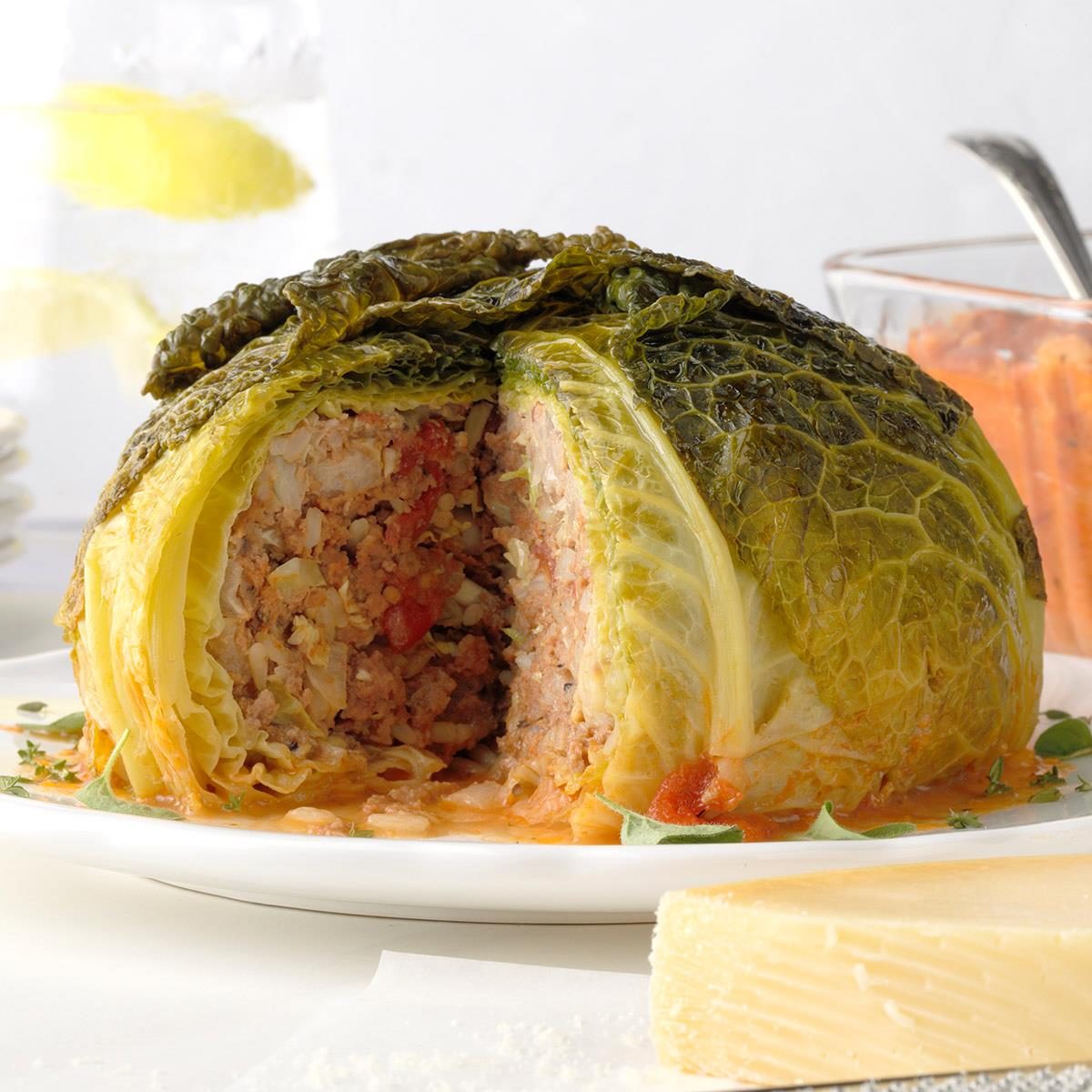
As we bid farewell to this culinary exploration, let us remember the versatility and enduring charm of stuffed whole cabbage. Whether enjoyed as a comforting family meal or a centerpiece at a festive gathering, this dish has the power to bring people together and create memories that will last a lifetime.
