Embark on a delectable journey with our sweet sourdough bread recipe, a culinary masterpiece that weaves together the art of bread-making with the tangy allure of sourdough. This guide will lead you through every step, from nurturing a healthy starter to achieving a golden-brown crust and a soft, chewy interior that will tantalize your taste buds.
Sourdough bread, a testament to the transformative power of fermentation, boasts a unique flavor profile and an array of health benefits. Its natural leavening process, facilitated by a sourdough starter, imparts a characteristic tanginess and enhances digestibility. Join us as we delve into the intricacies of this beloved bread, exploring the science behind its creation and sharing practical tips for crafting your own perfect loaf.
Starter Culture
A healthy starter culture is the foundation of any successful sourdough bread. It is a mixture of flour and water that has been fermented by wild yeast and bacteria, which gives sourdough bread its characteristic sour flavor and chewy texture.
To create a sourdough starter, you will need:
- 1 cup whole wheat flour
- 1 cup water
Instructions:
- In a clean glass jar, whisk together the flour and water until a smooth batter forms.
- Cover the jar loosely with a cheesecloth or a paper towel and secure with a rubber band.
- Store the jar in a warm place (75-80°F) for 24 hours.
- After 24 hours, discard half of the starter and feed it with 1/2 cup of whole wheat flour and 1/2 cup of water.
- Repeat steps 3-4 for 5-7 days, or until the starter is bubbly and active.
Types of Flour
The type of flour you use for your starter will affect the flavor and texture of your bread. Whole wheat flour is a good choice for starters because it contains more nutrients than white flour, which will help to create a stronger starter.
You can also use other types of flour, such as rye flour, bread flour, or all-purpose flour. Rye flour will give your bread a more sour flavor, while bread flour will produce a chewier bread. All-purpose flour is a good all-around choice for starters.
Obtain a comprehensive document about the application of 40th birthday cake designs that is effective.
Ingredients and Ratios
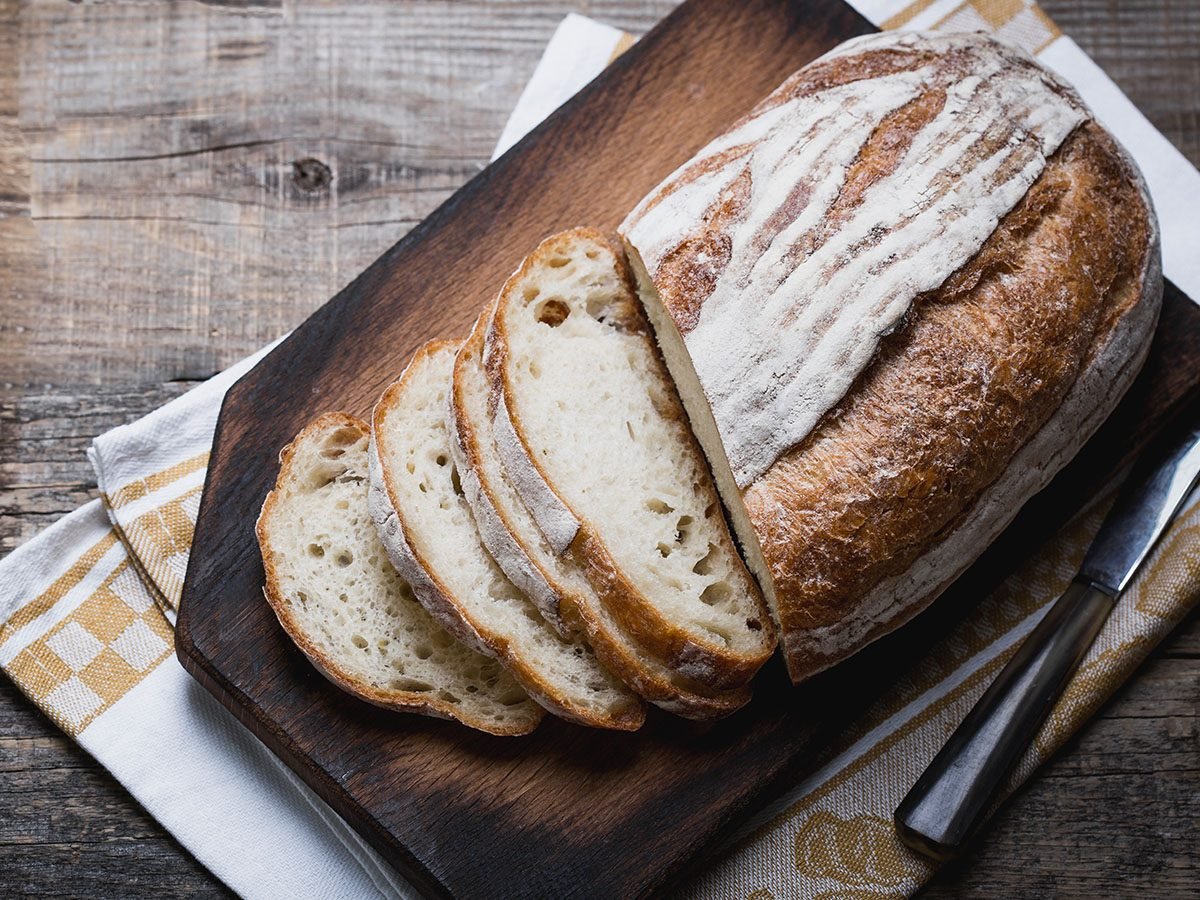
The essential ingredients for a sweet sourdough bread recipe are flour, water, starter culture, and a sweetener. The flour provides the structure of the bread, while the water helps to hydrate the flour and create the dough. The starter culture is a fermented mixture of flour and water that contains wild yeast and bacteria, which gives the bread its characteristic sour flavor.
The sweetener adds a touch of sweetness to the bread.
Obtain direct knowledge about the efficiency of bone marrow burger recipe through case studies.
Role of Ingredients
- Flour:The type of flour used will affect the flavor and texture of the bread. Bread flour is a high-protein flour that produces a chewy bread with a strong crust. All-purpose flour is a lower-protein flour that produces a softer bread with a thinner crust.
Whole wheat flour is a whole-grain flour that produces a denser bread with a nutty flavor.
- Water:The amount of water used will affect the hydration of the dough. A dough that is too wet will be sticky and difficult to handle, while a dough that is too dry will be tough and crumbly. The ideal hydration for a sourdough bread dough is between 65% and 75%.
- Starter Culture:The starter culture is what gives sourdough bread its characteristic sour flavor. The longer the starter culture is fermented, the more sour the bread will be. A young starter culture will produce a milder flavor, while an older starter culture will produce a more intense flavor.
- Sweetener:The sweetener adds a touch of sweetness to the bread. The type of sweetener used will affect the flavor of the bread. Honey, molasses, and brown sugar are all popular sweeteners for sourdough bread.
Ratios
The ratio of flour, water, and starter culture will affect the size and texture of the bread. The following table provides a guide to different ratios for various loaf sizes.
| Loaf Size | Flour | Water | Starter Culture |
|---|---|---|---|
| 1 pound | 3 cups | 1 1/2 cups | 1/2 cup |
| 2 pounds | 6 cups | 3 cups | 1 cup |
| 3 pounds | 9 cups | 4 1/2 cups | 1 1/2 cups |
Kneading and Fermentation: Sweet Sourdough Bread Recipe
Kneading sourdough dough is a crucial step that helps develop the gluten network, resulting in a chewy and elastic bread. It also incorporates air into the dough, contributing to the bread’s volume and lightness. The fermentation process is equally important, as it allows the yeast to consume the sugars in the flour, producing carbon dioxide gas that creates the bread’s characteristic holes and tangy flavor.
Kneading
- Stretch and Fold:This technique involves gently stretching the dough and folding it over itself. Repeat this process several times until the dough becomes smooth and elastic.
- Slap and Fold:Hold the dough in one hand and slap it down onto the work surface with the other. Then, fold the dough over itself and repeat the process until the dough gains strength.
Fermentation, Sweet sourdough bread recipe
Fermentation can be divided into three stages:
Bulk Fermentation
- After kneading, the dough is placed in a large bowl and allowed to rise at room temperature for several hours. During this time, the yeast ferments the sugars, producing carbon dioxide gas that causes the dough to expand.
- The dough should be stretched and folded every 30-60 minutes to distribute the gas evenly and strengthen the gluten network.
Shaping
- Once the dough has doubled in size, it is gently deflated and shaped into loaves or rolls.
- Shaping helps create tension in the dough, which contributes to the bread’s final structure and crust.
Final Proofing
- The shaped dough is placed on a baking sheet and allowed to rise again at room temperature for 1-2 hours, or until it has doubled in size.
- During this final proofing, the dough continues to ferment, developing additional flavor and creating more gas pockets.
Baking and Cooling
To achieve a golden-brown crust and a soft, chewy interior, preheat your oven to a high temperature, around 450-500°F (230-260°C). Place the dough in a preheated Dutch oven or on a baking stone for optimal heat distribution and crust formation.
Bake for 30-45 minutes, or until the crust is golden brown and the internal temperature reaches 200-210°F (93-99°C) when measured with an instant-read thermometer.
After baking, let the bread cool on a wire rack for at least an hour before slicing into it. This allows the bread to cool evenly and prevents sogginess.
Using a Dutch Oven
Using a Dutch oven creates a steamy environment that helps the bread develop a crisp crust. Place the dough in the preheated Dutch oven and cover it with the lid. Bake for 20-25 minutes, then remove the lid and continue baking for another 15-20 minutes.
Using a Baking Stone
A baking stone helps to evenly distribute heat and create a crispy crust. Place the dough on the preheated baking stone and bake for 30-35 minutes, or until the crust is golden brown.
Cooling the Bread
To prevent sogginess, allow the bread to cool completely on a wire rack before slicing into it. This allows the moisture to redistribute throughout the bread, resulting in a more evenly textured loaf.
Final Thoughts
As you embark on your sourdough bread-making adventure, remember that patience and experimentation are key. Each loaf is a unique expression of your culinary skills, and the journey is as rewarding as the final product. With practice and dedication, you’ll master the art of sourdough bread-making, impressing your loved ones and creating memories that will last a lifetime.