Embark on a culinary adventure with our Tartine Porridge Bread recipe, a testament to the art of bread-making. This unique bread, with its distinctive texture and wholesome flavor, has captivated bread enthusiasts worldwide. Join us as we explore the origins, ingredients, techniques, and endless possibilities of this beloved bread.
Tartine Porridge Bread, a creation of renowned baker Chad Robertson, has revolutionized the world of bread-making. Its soft, chewy crumb and rustic crust have made it a favorite among bakers and bread lovers alike. In this comprehensive guide, we’ll delve into the secrets of crafting this exceptional bread, empowering you to create a masterpiece in your own kitchen.
Introduction to Tartine Porridge Bread
Tartine Porridge Bread is a popular bread that originated from Tartine Bakery in San Francisco, known for its unique flavor and texture. It is made with a porridge-like mixture of rolled oats, water, and buttermilk, which is then combined with flour, yeast, and salt to form a dough.Tartine
Porridge Bread is characterized by its chewy and moist crumb, with a slightly tangy flavor and a crisp crust. Unlike traditional bread, which is made with only flour, water, yeast, and salt, Tartine Porridge Bread incorporates oats into the dough, resulting in a denser and more flavorful loaf.
Origin and Popularity
Tartine Porridge Bread was created by Chad Robertson, the founder of Tartine Bakery. Robertson developed the recipe after experimenting with different ways to add flavor and texture to his bread. The bread quickly gained popularity due to its unique taste and texture, and has since become a staple at Tartine Bakery and other bakeries around the world.
Ingredients and their Significance
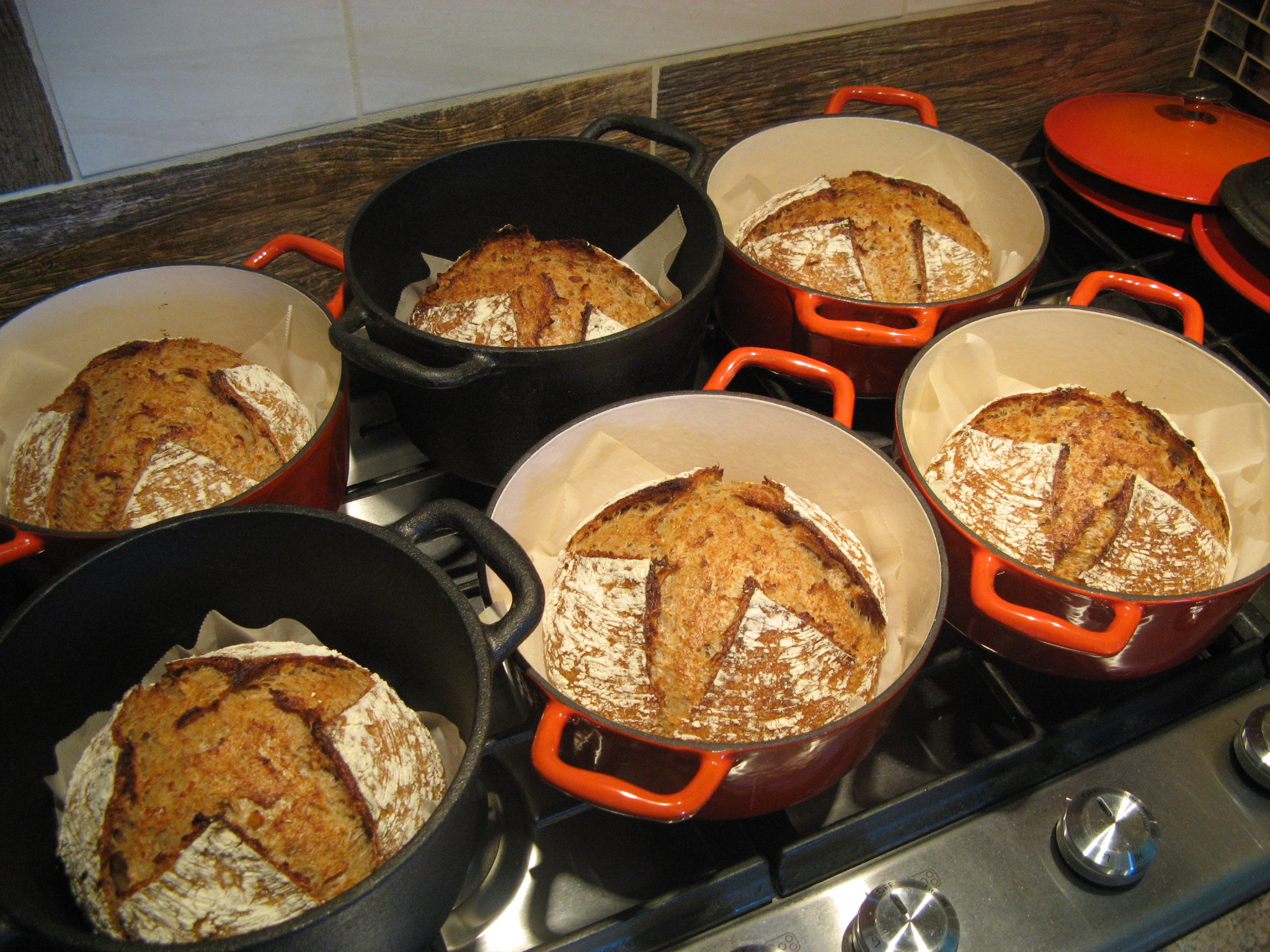
Tartine Porridge Bread relies on a combination of simple, wholesome ingredients that work together to create its unique texture, flavor, and nutritional profile.
Let’s delve into the key ingredients and their vital roles:
Flour
- Provides the bread’s structure and body.
- High-protein flour (such as bread flour) yields a chewier crumb, while lower-protein flour (such as all-purpose flour) produces a softer bread.
Water
- Hydrates the flour, enabling gluten development.
- The amount of water used affects the bread’s texture: more water results in a softer crumb, while less water creates a denser loaf.
Salt
- Enhances flavor and balances the sweetness of the porridge.
- Strengthens gluten and promotes crust formation.
Porridge
- Made from cooked grains (typically oats), it adds moisture, tenderness, and a nutty flavor to the bread.
- Provides dietary fiber, vitamins, and minerals.
Yeast
- A leavening agent that produces carbon dioxide gas, causing the bread to rise.
- The type of yeast used (active dry or instant) and the fermentation time influence the bread’s flavor and texture.
Step-by-Step Recipe s
Making Tartine Porridge Bread is a labor of love that requires patience and attention to detail. Follow these detailed s to create a loaf that is both flavorful and visually stunning.
Before you begin, it’s important to note that this bread is made using a sourdough starter. If you don’t have a starter, you can find s online or purchase one from a local bakery.
After indulging in a delightful slice of tartine porridge bread, your taste buds might crave something tangy and refreshing. Look no further than this lemon pesto sauce recipe . Its vibrant flavors of lemon, basil, and pine nuts will invigorate your palate and perfectly complement the earthy notes of the bread.
Whether you spread it on top or dip your bread into it, this sauce will elevate your tartine porridge bread experience to a whole new level.
Mixing the Dough
- In a large bowl, combine the warm water, sourdough starter, and 2 cups of the bread flour.
- Stir until the ingredients are well combined and form a sticky dough.
- Cover the bowl with plastic wrap and let the dough rest for 30 minutes.
Kneading the Dough
- After the dough has rested, turn it out onto a lightly floured surface.
- Knead the dough for 10-12 minutes, or until it becomes smooth and elastic.
- Place the dough in a lightly oiled bowl, cover it with plastic wrap, and let it rise in a warm place for 12-18 hours.
Shaping the Loaf
- Once the dough has risen, turn it out onto a lightly floured surface.
- Shape the dough into a loaf and place it on a baking sheet lined with parchment paper.
- Cover the loaf with plastic wrap and let it rise for 1-2 hours, or until it has doubled in size.
Baking the Bread
- Preheat the oven to 450°F (230°C).
- Score the top of the loaf with a sharp knife.
- Bake the bread for 30-35 minutes, or until it is golden brown and crusty.
- Let the bread cool on a wire rack before slicing and serving.
Techniques and Tips for Success

Mastering Tartine Porridge Bread requires attention to detail and a few essential techniques. Understanding hydration, kneading, and fermentation is crucial for achieving the desired texture and flavor.
Proper hydration ensures the dough is pliable and extensible. Add water gradually and mix thoroughly until the dough forms a cohesive mass that pulls away from the bowl. Over-hydration can result in a sticky, difficult-to-handle dough, while under-hydration leads to a dense, crumbly bread.
Kneading
Kneading develops gluten, which gives the bread its structure and elasticity. Hand-kneading for 10-15 minutes is ideal, but a stand mixer can be used on low speed for 5-7 minutes. The dough should become smooth and supple, passing the windowpane test, where a thin sheet of dough can be stretched without tearing.
Fermentation
Fermentation allows the yeast to convert sugars into carbon dioxide, which creates the bread’s characteristic rise and flavor. Bulk fermentation, the first rise, takes place at room temperature for several hours. During this time, the dough doubles in size and develops a sour tang.
Shaping and dividing the dough initiates the second rise, or proofing, where the dough rises again in a warm, humid environment. This final rise gives the bread its final shape and volume.
Troubleshooting
- Dense, crumbly bread:Under-hydration or insufficient kneading.
- Sticky, gummy bread:Over-hydration or insufficient fermentation.
- Sour, bitter bread:Over-fermentation.
- Bread doesn’t rise:Inactive yeast or insufficient fermentation time.
Variations and Experimentation
The classic Tartine Porridge Bread recipe offers a versatile base for culinary exploration. Experimentation with different ingredients and techniques can yield unique and flavorful variations.
Flour options range from all-purpose flour to whole wheat, rye, or spelt flour, each imparting its distinct texture and flavor. Add-ins such as nuts, seeds, dried fruit, or spices can enhance the bread’s nutritional value and complexity. Toppings like herbs, cheese, or olives add visual appeal and additional flavor.
Flour Variations
- Whole wheat flour: Provides a hearty texture and nutty flavor.
- Rye flour: Adds a tangy, slightly sour flavor and a dense crumb.
- Spelt flour: Offers a mild, slightly sweet flavor and a tender crumb.
Add-Ins
- Nuts: Walnuts, almonds, or pecans add crunch and nutty flavor.
- Seeds: Sunflower seeds, flax seeds, or chia seeds provide a nutritional boost and a variety of textures.
- Dried fruit: Cranberries, raisins, or apricots add sweetness and a chewy texture.
- Spices: Cinnamon, nutmeg, or cardamom enhance the bread’s flavor profile.
Toppings
- Herbs: Rosemary, thyme, or oregano add a fragrant touch.
- Cheese: Parmesan or cheddar cheese provides a savory topping.
- Olives: Kalamata or black olives add a salty and briny flavor.
Nutritional Value and Health Benefits: Tartine Porridge Bread Recipe
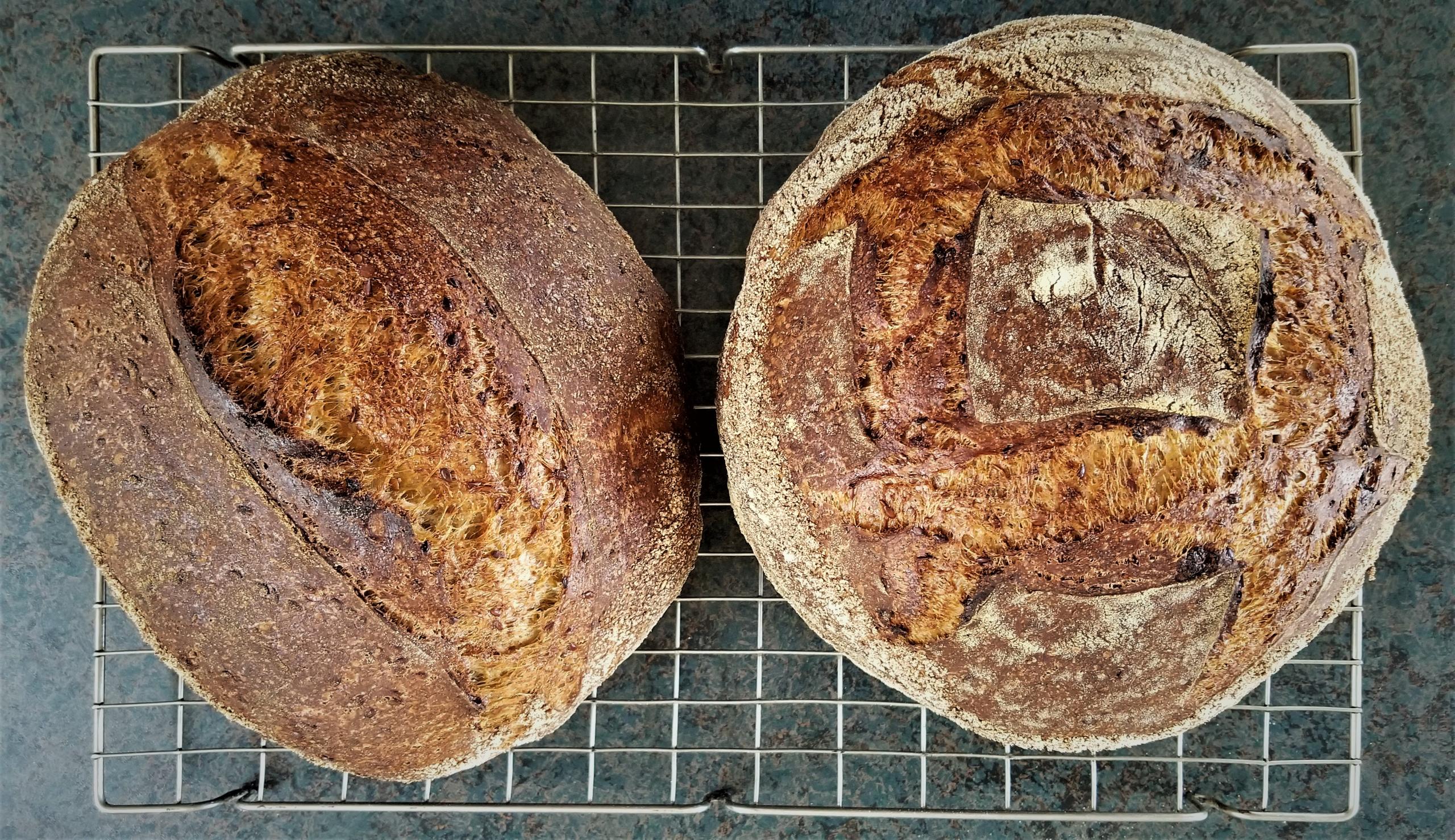
Tartine Porridge Bread is a nutrient-rich bread that offers a range of health benefits. It is packed with dietary fiber, vitamins, and minerals, making it a wholesome and nutritious choice for individuals seeking a balanced diet.
The high fiber content in Tartine Porridge Bread aids in digestion and promotes satiety, helping individuals feel fuller for longer and reducing overall calorie intake. Additionally, the bread is a good source of vitamins and minerals, including B vitamins, iron, and magnesium, which are essential for maintaining overall health and well-being.
Fiber Content
- Tartine Porridge Bread is a rich source of dietary fiber, with each slice containing approximately 5 grams of fiber.
- Dietary fiber plays a crucial role in digestive health by promoting regular bowel movements and preventing constipation.
- Additionally, fiber helps lower cholesterol levels, regulate blood sugar levels, and increase satiety, aiding in weight management.
Vitamin Content
- Tartine Porridge Bread is a good source of B vitamins, including niacin, riboflavin, and thiamin.
- B vitamins are essential for energy production, metabolism, and maintaining a healthy nervous system.
- The bread also contains vitamin E, an antioxidant that protects cells from damage caused by free radicals.
Mineral Content
- Tartine Porridge Bread is a good source of iron, which is essential for red blood cell production and oxygen transport.
- It also contains magnesium, which is important for muscle function, nerve transmission, and blood sugar regulation.
- Additionally, the bread is a source of zinc, which supports immune function and wound healing.
Serving Suggestions and Pairing Options
Tartine Porridge Bread is a versatile loaf that can be enjoyed in various ways. Its hearty texture and subtle sweetness make it an excellent choice for both savory and sweet pairings.
When serving Tartine Porridge Bread, consider its unique texture. The bread is slightly chewy and has a porous crumb, making it perfect for soaking up sauces or spreads. It can be sliced thick for hearty sandwiches or cut into smaller pieces for appetizers or snacks.
Pairing with Dishes
Tartine Porridge Bread pairs well with a wide range of dishes. It is an excellent accompaniment to soups, stews, and casseroles. The bread’s subtle sweetness balances the savory flavors of these dishes and provides a satisfying base for sopping up the broth or sauce.
For a more substantial meal, Tartine Porridge Bread can be used as the base for open-faced sandwiches or tartines. Top the bread with grilled meats, roasted vegetables, or fresh cheeses for a quick and satisfying lunch or dinner.
Pairing with Spreads and Beverages
Tartine Porridge Bread is also a delightful choice for pairing with spreads and beverages. The bread’s mild flavor allows the flavors of the spread to shine through. Try it with butter, jams, preserves, or soft cheeses. For a more decadent treat, slather on some Nutella or honey.
Tartine Porridge Bread is also a great companion for a cup of coffee or tea. The bread’s subtle sweetness complements the bitterness of coffee and the warmth of tea, making it an ideal choice for a cozy morning or afternoon break.
Creative Uses
In addition to its traditional uses, Tartine Porridge Bread can be used in various creative ways. Crumble the bread and use it as a topping for casseroles or stuffing for poultry. Alternatively, cut the bread into cubes and toast them for croutons to add texture and flavor to salads or soups.
Historical and Cultural Context
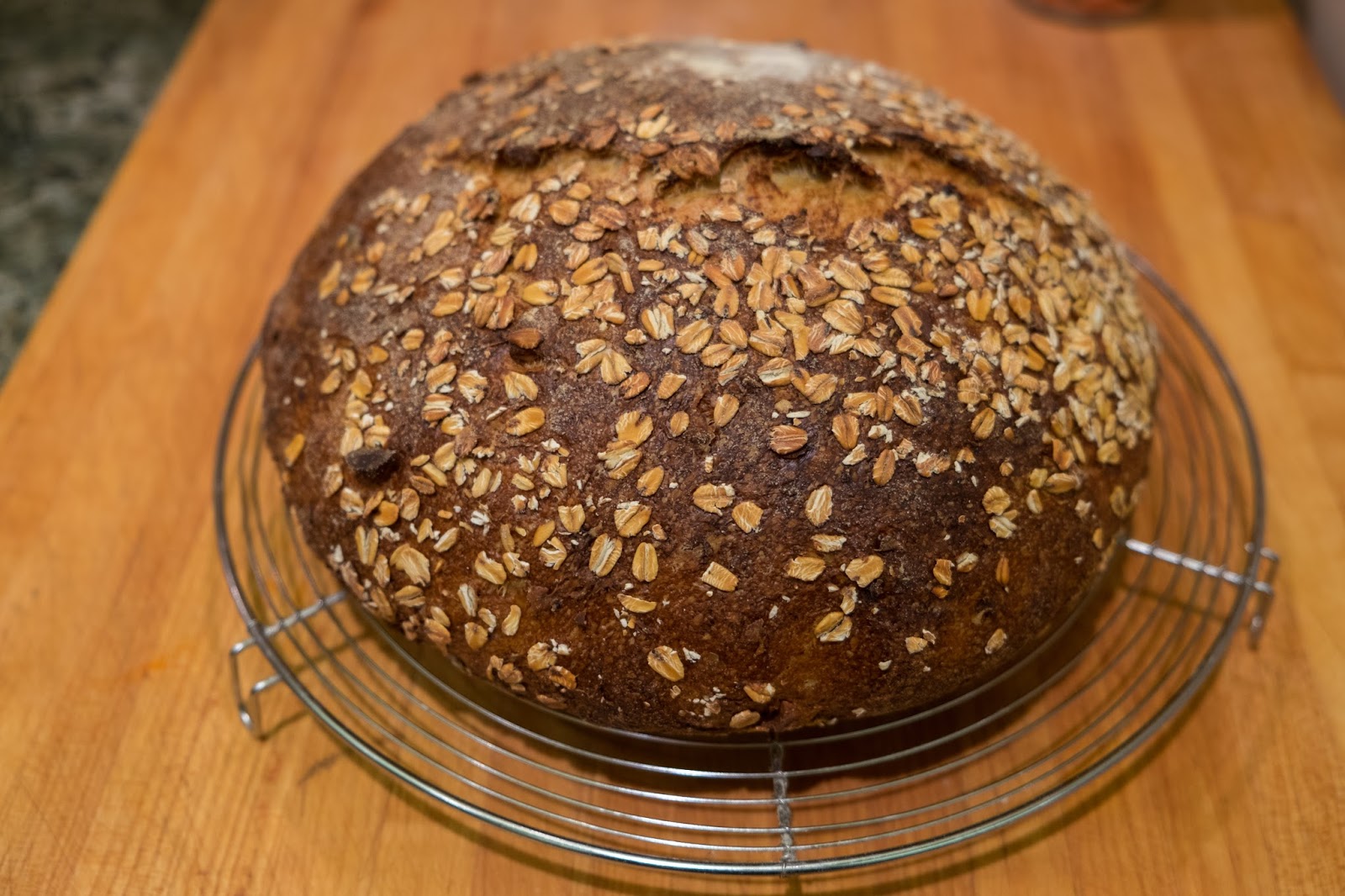
Tartine Porridge Bread emerged from the innovative culinary scene of San Francisco, California, in the early 2000s. Its origins can be traced to the renowned Tartine Bakery, where baker Chad Robertson experimented with blending ancient grains and sourdough techniques to create a unique and flavorful bread.
The bread quickly gained popularity among food enthusiasts and bakers, inspiring a resurgence in artisan bread-making practices. It became a symbol of the Bay Area’s culinary innovation and commitment to using locally sourced, high-quality ingredients.
Cultural Significance
Tartine Porridge Bread has had a profound impact on bread-making culture worldwide. Its emphasis on slow fermentation, natural ingredients, and rustic aesthetics has influenced the way bakers approach their craft. The bread has become a staple in many artisan bakeries, restaurants, and homes, inspiring countless variations and reinterpretations.
The bread’s popularity has also contributed to a growing appreciation for the role of bread in culinary traditions. It has fostered a dialogue about the importance of using traditional techniques and preserving the art of bread-making.
Anecdotes and Stories
The creation of Tartine Porridge Bread is often attributed to a serendipitous moment when Chad Robertson accidentally added cooked oatmeal to his sourdough starter. This unexpected combination resulted in a uniquely flavorful and textured bread that captivated the taste buds of many.
The bread has since become a beloved staple in the San Francisco food scene. It has been featured in numerous publications, including the New York Times and Saveur magazine. It has also inspired a cookbook by Chad Robertson, further solidifying its status as a culinary icon.
Visual Presentation
Visual aids play a crucial role in understanding the preparation process of Tartine Porridge Bread. Below is a table showcasing high-quality images of the bread at different stages, along with descriptive captions highlighting key features and techniques.
These images provide a comprehensive guide to the bread-making process, allowing readers to visualize each step and gain a deeper understanding of the techniques involved.
Images of Tartine Porridge Bread Preparation
| Stage | Image | Caption |
|---|---|---|
| Initial Mixing | [Image of initial mixing of ingredients] | Mixing the flour, water, and porridge starter creates a shaggy dough. |
| Autolyse | [Image of dough resting after autolyse] | The dough rests for an extended period, allowing the flour to absorb water and develop flavor. |
| Folding and Stretching | [Image of folding and stretching the dough] | Regular folding and stretching of the dough strengthens the gluten and develops the bread’s structure. |
| Bulk Fermentation | [Image of dough rising during bulk fermentation] | The dough is left to rise at room temperature, allowing the yeast to ferment and create gases that will give the bread its characteristic airy texture. |
| Shaping and Proofing | [Image of shaped dough proofing in a banneton] | The dough is shaped into a boule and placed in a banneton for final proofing, where it continues to rise and develop flavor. |
| Scoring and Baking | [Image of dough being scored and baked in the oven] | The dough is scored before baking to control its expansion and create a rustic appearance. It is then baked at a high temperature to create a crispy crust and a soft, chewy interior. |
Troubleshooting Guide
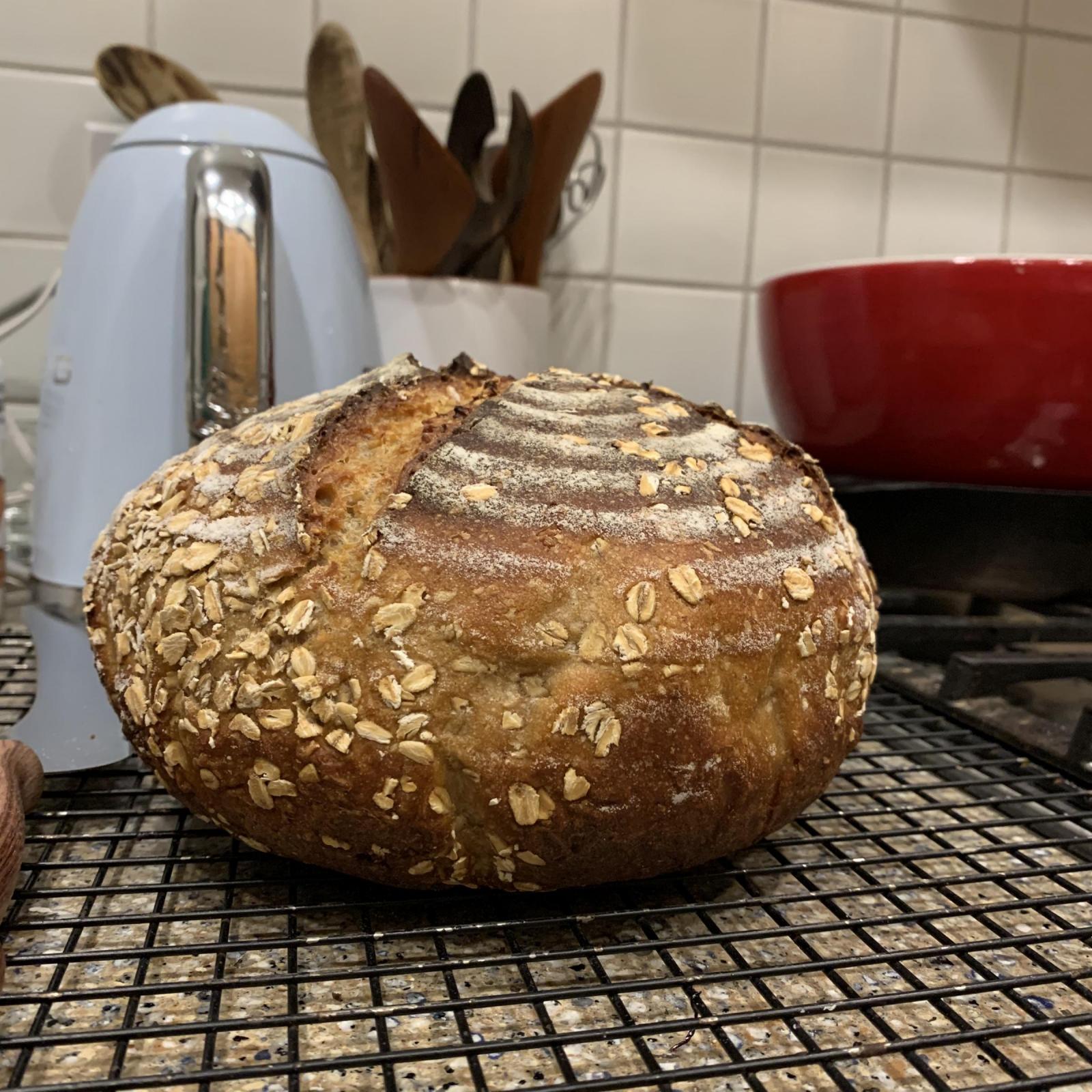
Encountering difficulties while crafting Tartine Porridge Bread is not uncommon. To assist you in navigating these challenges, we present a comprehensive troubleshooting guide, addressing common issues and providing practical solutions to ensure a successful baking experience.
Below, you will find a meticulously curated table that Artikels potential obstacles you may encounter, along with clear and concise solutions. Whether you’re facing challenges with hydration, fermentation, or baking, this guide will equip you with the knowledge and techniques to overcome these hurdles and achieve breadmaking success.
Common Issues and Solutions, Tartine porridge bread recipe
| Issue | Solution |
|---|---|
| Dough is too wet and sticky | Gradually add more flour, 1 tablespoon at a time, until the dough reaches a manageable consistency. |
| Dough is too dry and crumbly | Gradually add more water, 1 tablespoon at a time, until the dough becomes cohesive and slightly sticky. |
| Bread does not rise sufficiently | Ensure the yeast is active by testing it in warm water with a pinch of sugar. Adjust the fermentation time as needed, allowing for a longer rise if necessary. |
| Bread is dense and gummy | Reduce the hydration level by decreasing the amount of water in the recipe. Ensure the dough is well-kneaded to develop gluten and create a strong structure. |
| Bread has a burnt crust | Reduce the oven temperature or cover the bread with foil during the final stages of baking to prevent excessive browning. |
Frequently Asked Questions (FAQs)
If you have any questions about Tartine Porridge Bread, don’t hesitate to consult this comprehensive list of frequently asked questions and their detailed answers.
Whether you’re a novice baker or an experienced sourdough enthusiast, this section will provide valuable insights and address common concerns.
What is the secret to the unique flavor and texture of Tartine Porridge Bread?
The distinctive flavor and texture of Tartine Porridge Bread result from a combination of factors. The use of a sourdough starter, a blend of flours (including whole wheat and rye), and a porridge made from rolled oats and flaxseed contribute to its complex and tangy flavor.
The long fermentation process further develops the dough’s flavor and elasticity, leading to a chewy and flavorful crumb.
How long does it take to make Tartine Porridge Bread?
Tartine Porridge Bread requires a relatively long fermentation process, contributing to its exceptional flavor and texture. From start to finish, the entire process typically takes around 24-36 hours. This includes mixing the dough, fermenting it at room temperature and in the refrigerator, shaping it, and finally baking it.
Can I substitute other flours in Tartine Porridge Bread?
While the traditional Tartine Porridge Bread recipe calls for a specific blend of flours, you can experiment with different combinations to create your own unique variations. Some popular substitutes include bread flour, all-purpose flour, or even gluten-free flours. However, it’s important to note that altering the flour blend may affect the final texture and flavor of the bread.
How do I store Tartine Porridge Bread?
Tartine Porridge Bread can be stored at room temperature for 2-3 days or in the refrigerator for up to a week. To maintain its freshness and prevent it from drying out, wrap the bread tightly in plastic wrap or store it in an airtight container.
Can I freeze Tartine Porridge Bread?
Yes, you can freeze Tartine Porridge Bread for up to 2 months. To freeze the bread, wrap it tightly in plastic wrap and place it in a freezer-safe bag or container. When ready to use, thaw the bread at room temperature or in the refrigerator overnight.
Final Thoughts
Tartine Porridge Bread is more than just a recipe; it’s an invitation to explore the boundless creativity of bread-making. With its versatile nature, it welcomes experimentation and customization, encouraging bakers to unleash their inner culinary artists. Whether enjoyed as a simple slice or paired with your favorite spreads and toppings, this bread promises to elevate any dining experience.
So gather your ingredients, prepare your workspace, and let’s embark on a journey that will leave you with a newfound appreciation for the art of bread-making.
