Embark on a culinary adventure with our Thin Cut Ribeye Steak Recipe. This delectable cut of meat offers a unique blend of tenderness and flavor that will tantalize your taste buds. Prepare to savor every bite as we guide you through the art of cooking this exceptional steak to perfection.
Whether you prefer the smoky allure of grilling or the precision of pan-searing, we’ll unveil the secrets to achieving your desired doneness level. Along the way, we’ll explore innovative techniques and complementary sauces to elevate your steak to gastronomic heights.
Recipe Introduction
Thin cut ribeye steak is a popular cut of beef that is known for its rich flavor and tenderness. It is cut from the rib section of the cow, and it is typically grilled or pan-seared. Thin cut ribeye steak has a unique flavor profile that is characterized by its beefy flavor and slight smokiness. It is also a very tender cut of beef, making it a great choice for people who are looking for a flavorful and juicy steak.
There are a few things to keep in mind when cooking thin cut ribeye steak. First, it is important to cook it over high heat so that it sears quickly and evenly. Second, it is important to not overcook the steak, as this will make it tough and dry. Finally, it is important to let the steak rest for a few minutes before slicing and serving, as this will allow the juices to redistribute throughout the steak.
Tips for Cooking Thin Cut Ribeye Steak
- Preheat your grill or pan over high heat.
- Season the steak with salt and pepper.
- Sear the steak for 2-3 minutes per side, or until it is cooked to your desired doneness.
- Let the steak rest for 5-10 minutes before slicing and serving.
Ingredients and Equipment
To prepare a delectable thin-cut ribeye steak, you will need the following ingredients:
- 1 thin-cut ribeye steak (about 1 pound)
- 1 tablespoon olive oil
- 1 teaspoon salt
- 1/2 teaspoon black pepper
- 1/4 teaspoon garlic powder
- 1/4 teaspoon onion powder
In addition to these ingredients, you will also need the following equipment:
- A grill, skillet, or oven
- Tongs
- A meat thermometer (optional)
Seasoning and Marinating
Seasoning and marinating are essential techniques for enhancing the flavor and tenderness of thin cut ribeye steak. Seasoning adds flavor to the steak’s surface, while marinating allows the flavors to penetrate deeper into the meat.
There are several different seasoning techniques that can be used for thin cut ribeye steak. Dry rubs are a simple and effective way to add flavor to the steak. Simply combine your favorite spices and herbs in a bowl and rub them all over the steak. Wet marinades are another option for seasoning thin cut ribeye steak. Marinades typically contain a combination of liquids, such as oil, vinegar, or wine, along with spices and herbs. The steak is submerged in the marinade for several hours or overnight, allowing the flavors to penetrate the meat.
Brines are a type of marinade that uses a salt solution to help tenderize the steak. Brines can be made with water, salt, and sugar, or they can be made with more complex ingredients, such as herbs, spices, and vegetables. The steak is submerged in the brine for several hours or overnight, allowing the salt to penetrate the meat and help break down the proteins.
Dry Rubs
Dry rubs are a versatile way to season thin cut ribeye steak. They can be made with a variety of spices and herbs, and they can be customized to your own taste. Some popular dry rub combinations for thin cut ribeye steak include:
- Salt and pepper
- Garlic powder and onion powder
- Smoked paprika and cumin
- Chili powder and oregano
- Brown sugar and cinnamon
Wet Marinades
Wet marinades are another effective way to season thin cut ribeye steak. Marinades help to tenderize the steak and add flavor. Some popular wet marinade combinations for thin cut ribeye steak include:
- Olive oil, balsamic vinegar, and herbs
- Red wine, soy sauce, and garlic
- Yogurt, lemon juice, and spices
- Teriyaki sauce, honey, and ginger
- Pineapple juice, brown sugar, and rum
Brines
Brines are a type of marinade that uses a salt solution to help tenderize the steak. Brines can be made with water, salt, and sugar, or they can be made with more complex ingredients, such as herbs, spices, and vegetables. Some popular brine combinations for thin cut ribeye steak include:
- Water, salt, and sugar
- Water, salt, and herbs
- Water, salt, and spices
- Water, salt, and vegetables
- Water, salt, and beer
The marinating time will vary depending on the type of marinade and the thickness of the steak. Thin cut ribeye steak can be marinated for as little as 30 minutes or as long as overnight. However, it is important to not over-marinate the steak, as this can make the steak tough.
Thin Cut Ribeye Steak Recipe is an exciting dish for steak lovers. However, if you’re looking for a sweet treat, consider exploring Puff Pastry Blueberry Recipes . With a flaky crust and juicy blueberry filling, these pastries are perfect for satisfying your cravings.
And when you’re ready for a savory meal again, come back to this Thin Cut Ribeye Steak Recipe for a flavorful and satisfying dining experience.
Cooking Methods
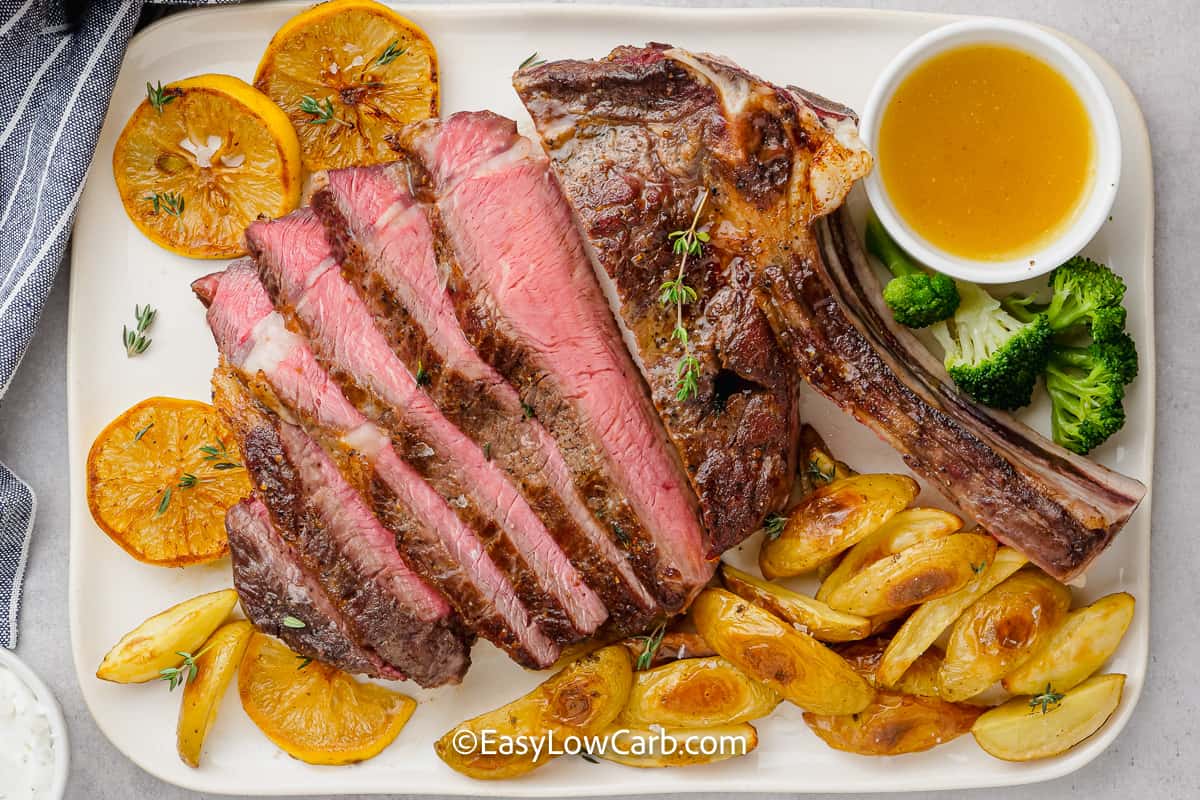
Thin cut ribeye steak offers culinary versatility and can be prepared using various methods to achieve the desired doneness and flavor profile. Here are some common cooking techniques suitable for thin cut ribeye:
Grilling
Grilling involves cooking the steak over direct heat, resulting in a flavorful crust and tender interior. Season the steak liberally and place it on a preheated grill over medium-high heat. Grill for 2-3 minutes per side for rare, 3-4 minutes per side for medium-rare, or 4-5 minutes per side for medium. Let the steak rest for 5-10 minutes before slicing and serving.
Pan-Searing, Thin Cut Ribeye Steak Recipe
Pan-searing is a quick and easy method that yields a juicy and flavorful steak. Season the steak and heat a heavy-bottomed skillet over high heat. Add a drizzle of oil and sear the steak for 2-3 minutes per side for rare, 3-4 minutes per side for medium-rare, or 4-5 minutes per side for medium. Reduce heat to medium-low, add a knob of butter and a sprig of thyme, and baste the steak with the melted butter for an extra layer of flavor. Let the steak rest for 5-10 minutes before slicing and serving.
Roasting
Roasting is a suitable method for thicker cuts of thin cut ribeye steak, resulting in a tender and evenly cooked steak. Preheat the oven to 400°F (200°C). Season the steak and place it on a wire rack set over a baking sheet. Roast for 10-12 minutes for rare, 12-14 minutes for medium-rare, or 14-16 minutes for medium. Let the steak rest for 10-15 minutes before slicing and serving.
Cooking Techniques
The cooking technique you choose will significantly impact the final texture and flavor of your thin-cut ribeye steak. Here are a few popular methods:
Reverse Searing
Reverse searing involves cooking the steak at a low temperature (225-250°F) in an oven or smoker until it reaches the desired internal temperature. Then, sear it quickly over high heat to create a flavorful crust.
Sous Vide
Sous vide cooking involves sealing the steak in a vacuum-sealed bag and cooking it in a temperature-controlled water bath. This method ensures even cooking and precise temperature control, resulting in a tender and juicy steak.
Smoking
Smoking the steak before grilling or searing adds a rich, smoky flavor. You can use a smoker box or place the steak directly on the grill over indirect heat.
Doneness Levels
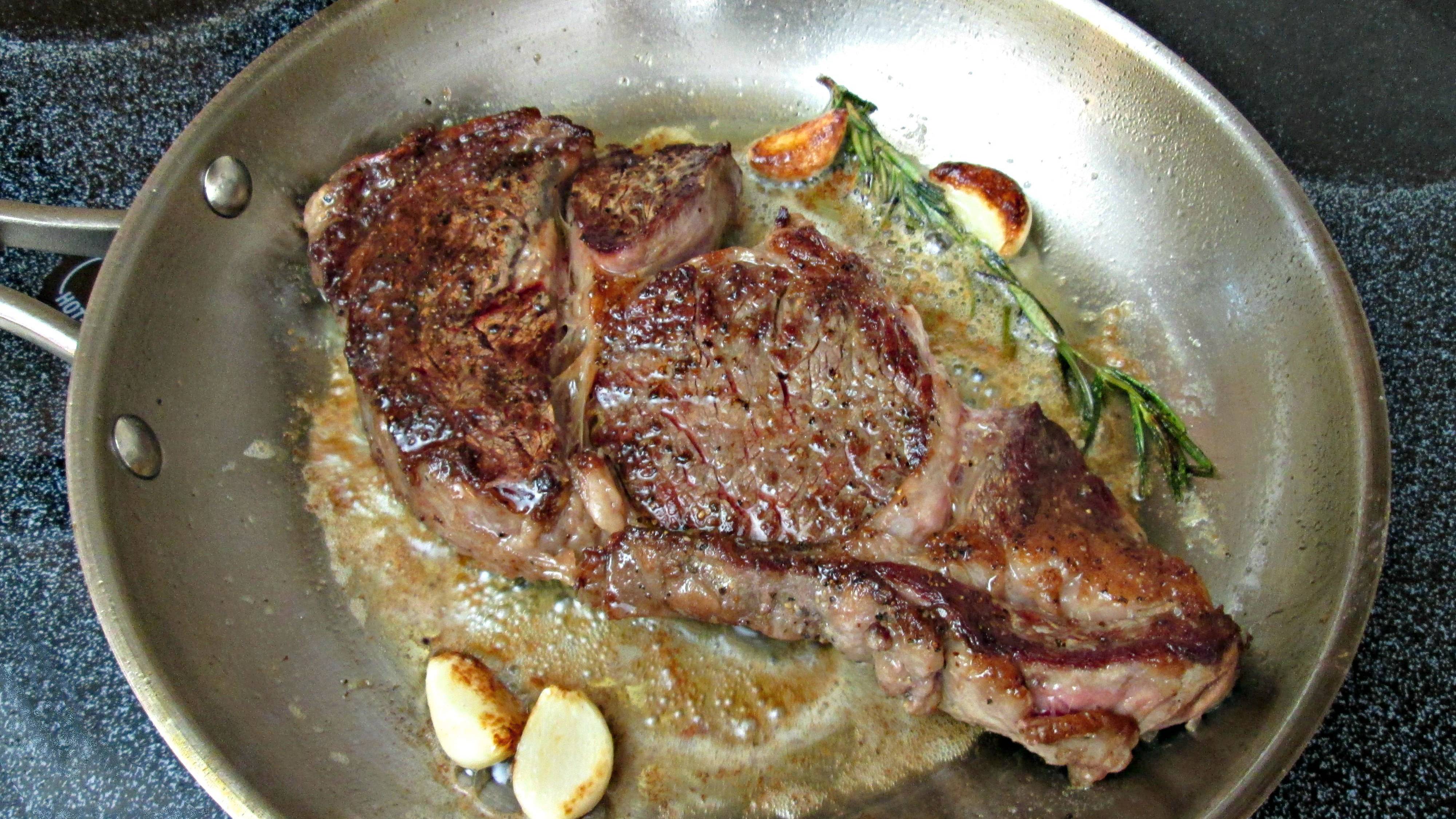
Understanding the different doneness levels for thin cut ribeye steak is crucial to achieve the desired tenderness and flavor. Each level corresponds to a specific internal temperature and visual cues that help identify the degree of doneness.
The doneness levels for thin cut ribeye steak are as follows:
Rare
- Internal Temperature: 125-130°F (52-54°C)
- Visual Cues: Deep red center with a thin outer layer of brown
- Texture: Soft and slightly chewy
Medium-Rare
- Internal Temperature: 130-135°F (54-57°C)
- Visual Cues: Mostly pink center with a thin layer of brown around the edges
- Texture: More tender than rare, with a slight resistance
Medium
- Internal Temperature: 135-140°F (57-60°C)
- Visual Cues: Pinkish-brown center with a more pronounced brown outer layer
- Texture: Noticeably more tender than medium-rare, but still with a slight firmness
Well-Done
- Internal Temperature: 145°F (63°C) and above
- Visual Cues: Brown throughout with no visible pink
- Texture: Firm and slightly dry
Sauces and Accompaniments
Enhancing the flavors of a well-cooked steak requires careful consideration of sauces and accompaniments. Classic sauces, such as chimichurri, béarnaise, or horseradish cream, can elevate the dining experience by complementing the meat’s natural flavors.
Chimichurri, a vibrant Argentinian sauce, is made with fresh herbs, olive oil, and red wine vinegar. Its herbaceous notes provide a refreshing contrast to the richness of the steak. Béarnaise, a luxurious French sauce, is made with clarified butter, egg yolks, white wine, and tarragon. Its creamy texture and delicate flavor enhance the steak’s natural flavors without overpowering them.
Whether you’re cooking up a Thin Cut Ribeye Steak Recipe for a special occasion or just a weeknight meal, the key to a delicious steak is in the details. From selecting the right cut of meat to marinating and grilling it to perfection, there are a few simple steps you can follow to ensure your steak turns out juicy, flavorful, and cooked to your liking.
If you’re looking for a sweet and tangy accompaniment to your steak, consider trying our Recipe Seedless Raspberry Jam . Made with fresh raspberries, sugar, and lemon juice, this homemade jam is the perfect way to add a touch of sweetness and acidity to your steak.
Simply spread the jam on your steak before serving and enjoy the delicious combination of flavors.
Horseradish Cream
Horseradish cream, a classic accompaniment to prime rib, is made with grated horseradish, sour cream, and lemon juice. Its sharp and tangy flavor cuts through the fattiness of the steak, providing a delightful balance.
Presentation and Plating
The presentation of a thin cut ribeye steak can greatly enhance its appeal and dining experience. Here are some creative techniques to consider:
When arranging the steak on the plate, consider the overall composition and balance. Experiment with different angles and positions to create a visually appealing arrangement. Top the steak with a pat of compound butter, a drizzle of flavorful sauce, or a sprinkling of fresh herbs for an extra touch of elegance.
Garnishing
Fresh herbs and vegetables can add vibrant colors and textures to your plated steak. Consider using sprigs of rosemary, thyme, or parsley to garnish the steak, or arrange thin slices of grilled vegetables such as zucchini, bell peppers, or asparagus alongside it. These garnishes not only enhance the visual appeal but also complement the flavors of the steak.
Tips and Troubleshooting
Mastering the art of cooking thin cut ribeye steak requires attention to detail and a few clever techniques. Here are some tips to ensure a successful and flavorful steak every time:
Preventing Overcooking
- Use a meat thermometer to monitor the internal temperature of the steak.
- Cook the steak over high heat for a short period, then reduce heat and continue cooking until desired doneness is reached.
- Let the steak rest for 5-10 minutes before slicing and serving. This allows the juices to redistribute, resulting in a more tender and juicy steak.
Ensuring Even Cooking
- Season the steak evenly on both sides.
- Use a cast iron skillet or grill pan to evenly distribute heat.
- Flip the steak frequently during cooking to prevent one side from overcooking.
Outcome Summary: Thin Cut Ribeye Steak Recipe
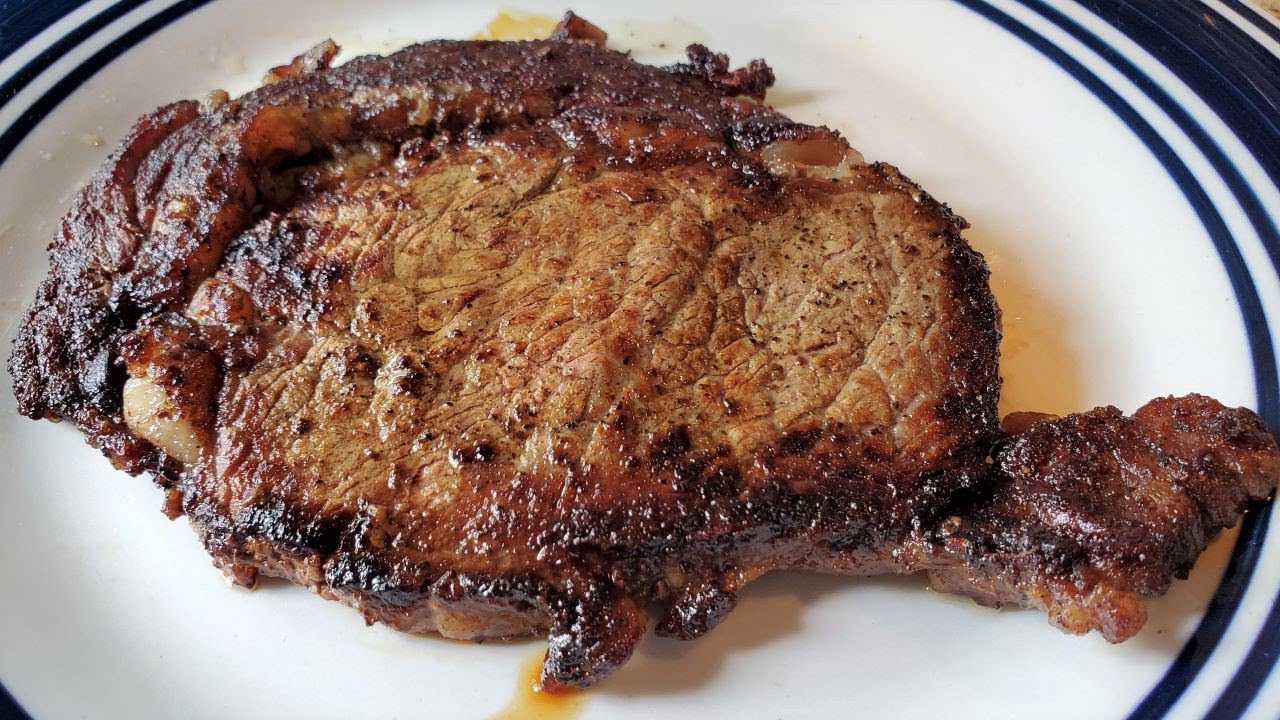
As you master the art of cooking Thin Cut Ribeye Steak, you’ll unlock a world of culinary possibilities. Experiment with different marinades, seasonings, and cooking methods to discover the flavors that ignite your passion. Remember, the journey to steak perfection is an ongoing exploration, where each experiment brings you closer to culinary mastery.