Thin Sliced Pork Recipe: Embark on a tantalizing culinary journey with our comprehensive guide to mastering this versatile and delectable dish. Dive into a world of flavors and textures as we explore the art of slicing pork thinly, marinating it to perfection, and cooking it with precision.
Whether you’re a seasoned chef or a home cook seeking inspiration, this guide will equip you with all the knowledge and techniques you need to create mouthwatering thin sliced pork dishes that will impress your taste buds and leave you craving for more.
Ingredients and Measurements
Preparing a delectable thin sliced pork dish requires a carefully curated selection of ingredients, each contributing to the symphony of flavors and textures.
The foundation of this culinary masterpiece lies in the premium-quality pork loin, meticulously sliced into thin, even pieces. These delicate slices will serve as the canvas upon which a vibrant tapestry of flavors is painted.
Pork Loin
- 1 pound (450 grams) boneless, skinless pork loin
Marinade Ingredients
To infuse the pork with an irresistible depth of flavor, a savory marinade is essential. This magical concoction consists of:
- 1/4 cup (60 milliliters) soy sauce
- 1/4 cup (60 milliliters) rice vinegar
- 2 tablespoons (30 milliliters) brown sugar
- 1 tablespoon (15 milliliters) sesame oil
- 1 tablespoon (15 milliliters) minced garlic
- 1 tablespoon (15 milliliters) minced ginger
Optional Ingredients
For those seeking to elevate their culinary experience, consider incorporating these optional ingredients:
- 1/2 teaspoon (2.5 grams) red pepper flakes
- 1/4 cup (15 grams) chopped green onions
- 1/4 cup (15 grams) chopped cilantro
Cooking Methods
Thin sliced pork offers versatility in cooking methods, each yielding distinct flavors and textures. The choice of method depends on the desired outcome and personal preferences.
The following are the most common cooking methods for thin sliced pork:
Stir-Frying
- Stir-frying involves cooking the pork in a hot pan or wok with a small amount of oil.
- This method results in tender and juicy pork with a slightly crispy exterior.
- Stir-frying is a quick and easy method that allows for the incorporation of various vegetables and sauces.
Grilling
- Grilling involves cooking the pork over direct heat, typically on a grill or barbecue.
- This method imparts a smoky flavor to the pork and creates a slightly charred exterior.
- Grilling is suitable for thicker slices of pork that can withstand the heat without overcooking.
Roasting
- Roasting involves cooking the pork in an oven at a high temperature.
- This method produces tender and flavorful pork with a crispy skin.
- Roasting is ideal for larger pieces of pork that require a longer cooking time to ensure even cooking throughout.
Marinades and Seasonings: Thin Sliced Pork Recipe
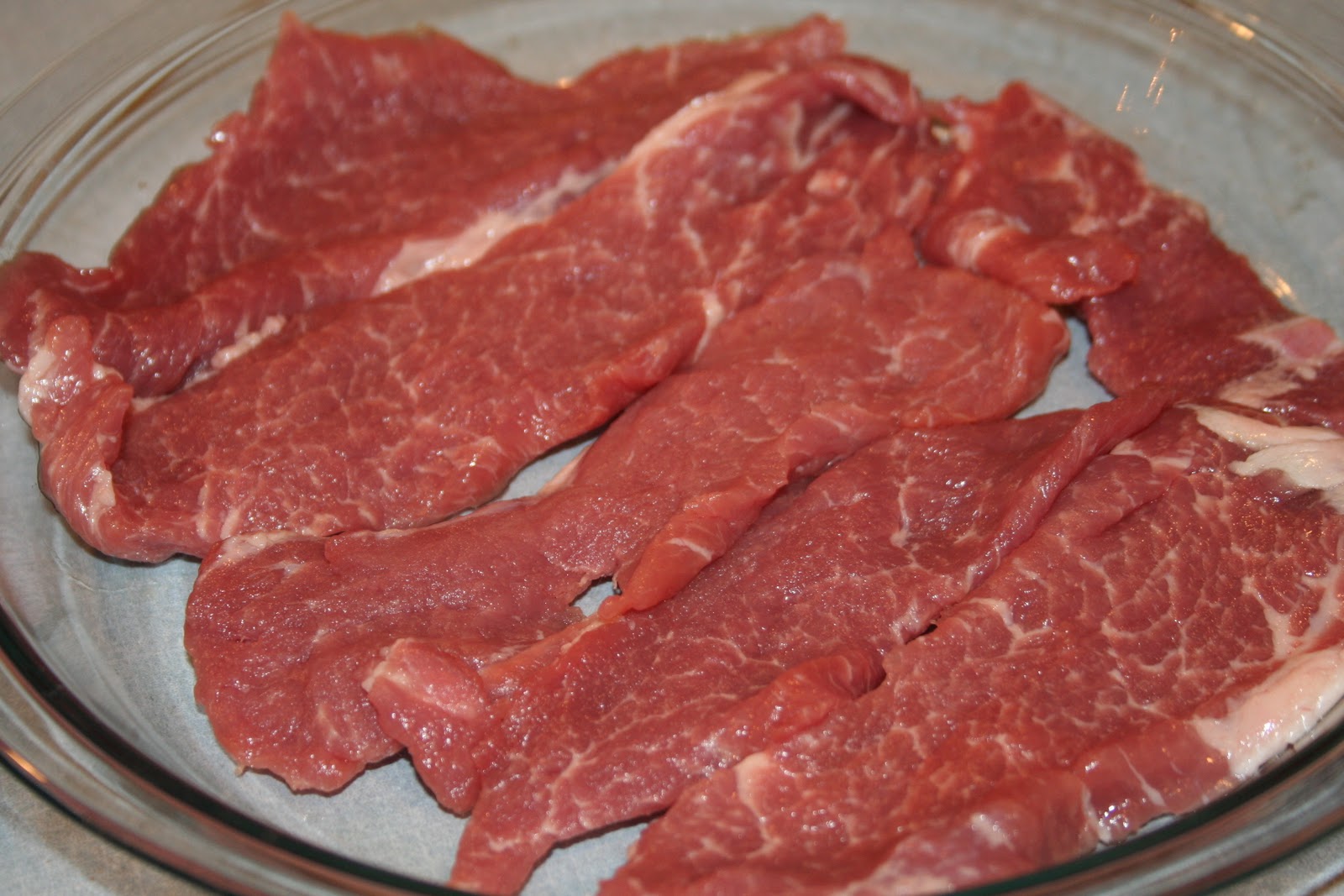
Marinating thin sliced pork is a great way to infuse flavor and tenderize the meat. There are many different marinade recipes that can be used, depending on your desired flavor profile.Some popular marinade ingredients for thin sliced pork include:
- Soy sauce
- Hoisin sauce
- Teriyaki sauce
- Ginger
- Garlic
- Green onions
- Sesame oil
- Brown sugar
- Honey
- Spices such as chili powder, cumin, and coriander
The purpose of marinating is to allow the flavors of the marinade to penetrate the meat, resulting in a more flavorful and tender dish. Marinating also helps to break down the proteins in the meat, making it more tender.When marinating thin sliced pork, it is important to use a marinade that is not too acidic, as this can toughen the meat.
It is also important to marinate the pork for the correct amount of time. Over-marinating can make the pork mushy.Here are some tips for marinating thin sliced pork:
- Use a non-reactive container, such as a glass or ceramic bowl.
- Make sure the pork is completely submerged in the marinade.
- Refrigerate the pork for at least 30 minutes, but no longer than 24 hours.
- When ready to cook, remove the pork from the marinade and pat it dry.
By following these tips, you can marinate thin sliced pork that is flavorful, tender, and juicy.
Flavor Enhancement
In addition to marinating, there are other ways to enhance the flavor of thin sliced pork. These include:
- Seasoning the pork with salt and pepper before cooking.
- Adding herbs and spices to the pork while cooking.
- Basting the pork with a flavorful sauce while cooking.
- Grilling or roasting the pork over high heat to create a flavorful crust.
By using these techniques, you can create thin sliced pork that is packed with flavor.
Techniques for Slicing Pork Thinly
Slicing pork thinly is crucial for achieving optimal texture and flavor. Thin slices allow for even cooking, resulting in tender and juicy meat. Here are some techniques for slicing pork thinly:
Using a Sharp Knife
- Use a sharp chef’s knife to ensure clean and precise cuts.
- Hold the knife perpendicular to the cutting board and use a sawing motion to slice the pork against the grain.
- Apply gentle pressure and let the weight of the knife do the work.
Using a Meat Slicer
- If you have access to a meat slicer, it can produce extremely thin and uniform slices.
- Adjust the slicer to the desired thickness and run the pork through it.
- Use a steady hand and guide the pork through the slicer for even results.
Using a Mandoline
- A mandoline is a specialized tool that can produce paper-thin slices.
- Place the pork on the mandoline and use the safety guard to protect your hands.
- Adjust the thickness setting and slice the pork by sliding it back and forth over the blade.
Slicing Against the Grain
Slicing pork against the grain is important for maximum tenderness. The grain refers to the direction of the muscle fibers. By slicing perpendicular to the grain, you break down the tough fibers, resulting in a more tender and enjoyable eating experience.
Accompaniments and Sauces
Thin sliced pork pairs wonderfully with a variety of accompaniments and sauces that enhance its flavors. Side dishes such as vegetables, rice, or noodles not only complement the pork but also create a balanced and satisfying meal.
For a classic pairing, consider stir-frying vegetables like broccoli, carrots, or bell peppers to serve alongside the pork. The vibrant colors and textures of the vegetables will add visual appeal to your dish, while their sweetness will balance the savory flavors of the pork.
Sauces
Sauces play a crucial role in elevating the taste of thin sliced pork. A simple soy sauce-based marinade can add a touch of umami and saltiness. For a bolder flavor, try a marinade made with hoisin sauce, honey, and garlic.
If you prefer a sweeter sauce, consider a teriyaki sauce made with soy sauce, mirin, and brown sugar. The sweetness of the sauce will caramelize on the pork, creating a delicious glaze.
Nutritional Value and Health Benefits

Thin sliced pork offers a rich nutritional profile, making it a valuable addition to a balanced diet. It is a good source of protein, essential for building and repairing tissues in the body. It also contains a moderate amount of fat, providing energy and supporting the absorption of fat-soluble vitamins.
Thin sliced pork is a versatile dish that can be cooked in a variety of ways. One popular method is to use a crock pot. Crock pots are a great way to cook thin sliced pork because they allow you to cook it slowly and evenly.
If you’re looking for some inspiration for your next crock pot meal, be sure to check out our Puerto Rican crock pot recipes . We have a variety of recipes to choose from, so you’re sure to find something you’ll love.
And the best part is, all of our recipes are easy to follow, so you can be sure that your thin sliced pork will turn out perfectly every time.
Pork is a significant source of several essential vitamins and minerals. It is rich in B vitamins, including thiamin, riboflavin, niacin, and vitamin B6, which play crucial roles in energy metabolism and nervous system function. Pork also provides iron, zinc, and selenium, essential for immune function, cell growth, and thyroid hormone production.
Cooking Methods and Nutritional Value
The cooking method used for thin sliced pork can significantly impact its nutritional value. Grilling or roasting pork helps retain its nutrients, while deep-frying can increase fat content. Boiling or steaming pork may result in the loss of water-soluble vitamins, such as vitamin C and B vitamins.
Cultural Significance and Variations
Thin sliced pork holds a significant place in various cuisines worldwide, reflecting diverse cultural practices and culinary traditions. Different cultures have developed unique recipes and variations using this versatile ingredient, showcasing their distinct flavors and preferences.
In Chinese cuisine, thinly sliced pork is a staple ingredient in dishes like stir-fries, soups, and hot pots. The meat is often marinated in soy sauce, ginger, and garlic before cooking, resulting in a savory and aromatic flavor. Popular Chinese dishes featuring thin sliced pork include char siu(barbecued pork), kung pao chicken(spicy stir-fried chicken with peanuts), and mapo tofu(spicy tofu with ground pork).
Food Safety and Storage
Handling and storing thin sliced pork properly is crucial to prevent foodborne illnesses. Adhering to these guidelines ensures the safety and quality of your pork dishes.
Refrigeration and freezing are essential for preserving pork. Keep raw pork refrigerated at or below 40°F (4°C) for up to 3-5 days. For longer storage, freeze pork at 0°F (-18°C) for up to 6 months.
Thawing Techniques
When thawing frozen pork, use one of the following safe methods:
- Refrigerator thawing:Place frozen pork in the refrigerator and allow it to thaw slowly. This method takes longer but preserves the quality of the meat.
- Cold water thawing:Submerge frozen pork in cold water and change the water every 30 minutes. This method thaws pork more quickly than refrigerator thawing.
- Microwave thawing:Use the defrost setting on your microwave to thaw pork. Monitor the pork closely to prevent overcooking.
Cooking Temperature, Thin sliced pork recipe
Cook thin sliced pork to an internal temperature of 145°F (63°C) as measured by a meat thermometer. This temperature ensures that the pork is safe to consume and eliminates the risk of foodborne illnesses.
Potential Risks
Consuming undercooked pork can pose health risks. Pork may contain harmful bacteria, such as Salmonella and Trichinella, which can cause food poisoning and other health issues.
Recipe Ideas and Variations
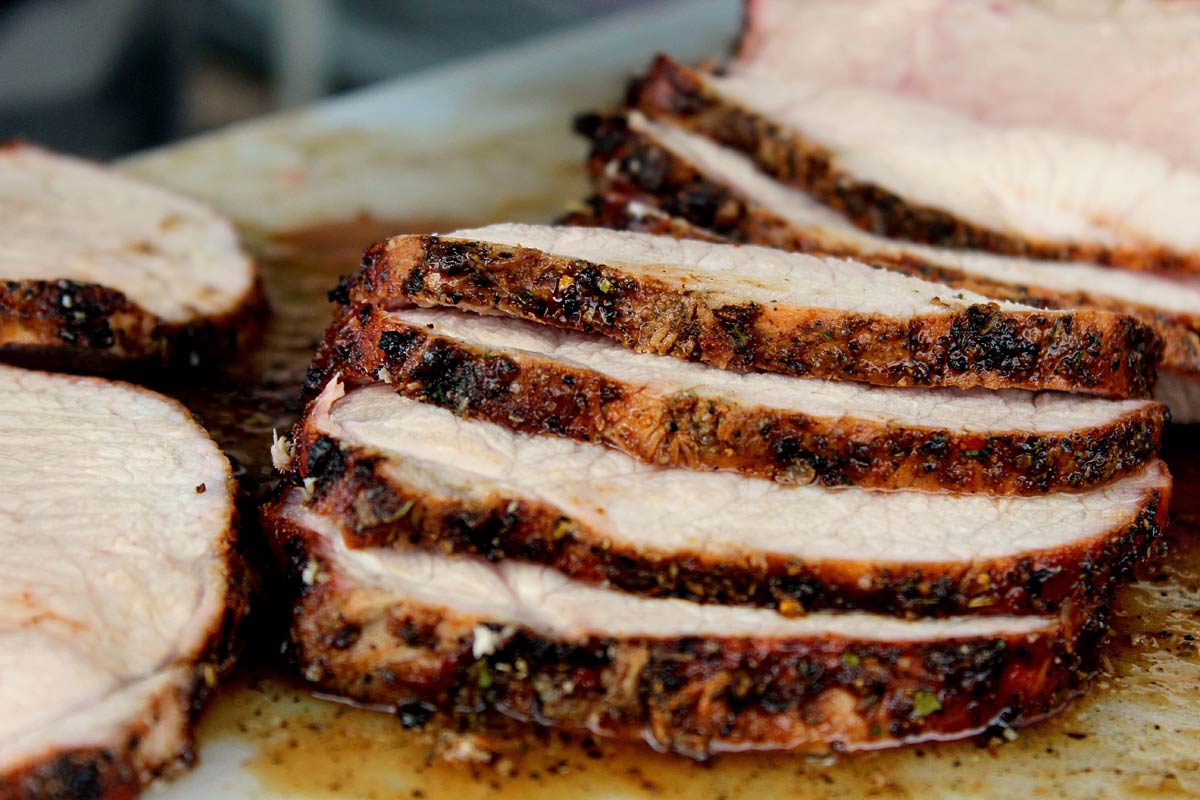
Thin sliced pork offers a versatile canvas for culinary exploration. Here are some diverse and delectable recipes that showcase its versatility:
Stir-fried Thin Sliced Pork
- Marinate pork slices in soy sauce, sesame oil, garlic, and ginger.
- Heat oil in a wok or large skillet and stir-fry pork until cooked through.
- Add vegetables like bell peppers, carrots, or broccoli for added nutrition and color.
- Serve with rice or noodles.
Grilled Thin Sliced Pork with Pineapple Salsa
- Season pork slices with salt, pepper, and your favorite herbs.
- Grill pork over medium heat until cooked through.
- Prepare a salsa by combining diced pineapple, red onion, cilantro, and lime juice.
- Serve grilled pork with pineapple salsa on the side.
Thin Sliced Pork and Mushroom Soup
- Brown pork slices in a large pot.
- Add sliced mushrooms, onion, garlic, and vegetable broth.
- Simmer until vegetables are tender and broth is flavorful.
- Serve soup hot with crusty bread or rice.
Variations
These recipes can be adapted to suit your preferences and dietary needs:
- For gluten-free options, use tamari or coconut aminos instead of soy sauce.
- Make it vegetarian by substituting tofu or tempeh for the pork.
- Add a dash of chili powder or cayenne pepper for a spicy kick.
- Experiment with different marinades to create unique flavor profiles.
Presentation and Garnishes
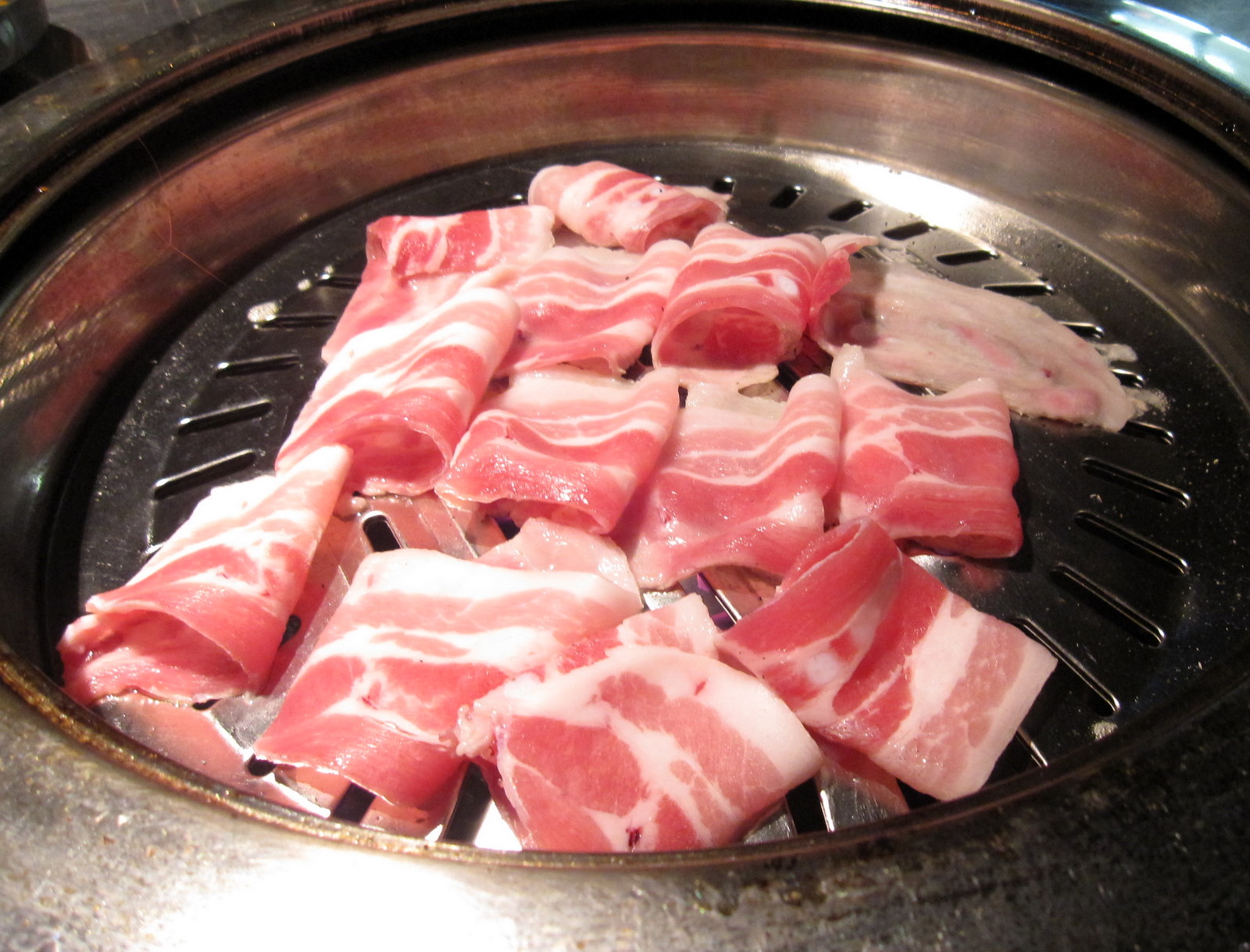
The presentation of thin sliced pork dishes plays a crucial role in enhancing their visual appeal and overall dining experience. Creative garnishes and thoughtful plating techniques can transform a simple dish into a culinary masterpiece.
Arranging the Pork
Arrange the sliced pork on a platter or plate in a visually pleasing manner. Consider using a contrasting color base, such as dark slate or a bed of greens, to make the pork stand out. Experiment with different patterns, such as fanning out the slices or creating a spiral effect.
Garnishes
Garnishes add color, texture, and flavor to thin sliced pork dishes. Fresh herbs, such as cilantro, parsley, or mint, provide a vibrant touch and a burst of aroma. Thinly sliced vegetables, such as carrots, cucumbers, or bell peppers, add a refreshing crunch and visual contrast.
Sauces, such as a drizzle of honey mustard or a tangy teriyaki glaze, enhance the flavor and add a touch of sophistication.
Plating Techniques
Consider using a dipping sauce or condiment on the side to allow guests to customize their dining experience. Arrange the pork slices on a bed of rice or noodles to create a more substantial meal. Use skewers or toothpicks to hold the slices upright for a more elegant presentation.
Closing Summary
From tantalizing stir-fries to succulent roasts, thin sliced pork offers endless possibilities for culinary exploration. With its versatility, affordability, and nutritional value, it’s no wonder this dish has captured the hearts of food enthusiasts worldwide. As you delve into the intricacies of slicing, marinating, and cooking techniques, you’ll discover the secrets to unlocking the full potential of thin sliced pork.
Embrace the culinary adventure and let your creativity soar as you craft delectable dishes that will tantalize your taste buds and leave a lasting impression.