Welcome to the realm of tuna mayo onigiri recipes, where simplicity meets exquisite taste. Embark on a culinary journey that unveils the secrets of this beloved Japanese delicacy, its cultural significance, and endless variations. Dive into a world of flavors and textures, where each bite is a testament to Japanese culinary artistry.
From the bustling streets of Tokyo to the serene countryside, onigiri has captured the hearts of food enthusiasts worldwide. These delightful rice balls, filled with a creamy tuna mayo filling, are not just a meal but a symbol of Japanese culture and tradition.
In this comprehensive guide, we’ll delve into the history, ingredients, and techniques that make tuna mayo onigiri so irresistible.
Introduction to Tuna Mayo Onigiri
Tuna mayo onigiri is a popular Japanese rice ball dish that has become a beloved culinary staple in Japan and beyond. Originating from humble beginnings as a convenient meal for farmers and laborers, it has evolved into a versatile and widely enjoyed snack or light meal.
Traditionally, onigiri is made with cooked rice that is seasoned with salt and formed into triangular or round shapes. Tuna mayo onigiri takes this classic dish a step further by incorporating a flavorful filling made from canned tuna, mayonnaise, and other seasonings.
This combination creates a satisfying and portable meal that is both delicious and easy to prepare.
Ingredients and Variations
Tuna mayo onigiri, a beloved Japanese snack, is characterized by its simplicity and versatility. The core ingredients include:
- Cooked tuna (canned or fresh)
- Mayonnaise
- Cooked rice
Beyond these staples, numerous variations exist, allowing for customization and creativity:
Tuna
- Canned tuna:Convenient and widely available, it offers a quick and affordable option.
- Fresh tuna:Provides a more premium flavor and texture, especially when seared or grilled.
Mayonnaise
- Japanese mayonnaise (Kewpie):A sweeter and thicker mayonnaise, preferred for its umami flavor.
- Regular mayonnaise:A more common choice, providing a tangy and creamy base.
Additional Ingredients, Tuna mayo onigiri recipes
- Vegetables:Diced onions, carrots, or cucumbers add crunch and freshness.
- Seasonings:Soy sauce, sesame oil, or shichimi togarashi enhance the flavor.
- Flavor variations:Sriracha, kimchi, or avocado can add unique twists.
Step-by-Step Recipe
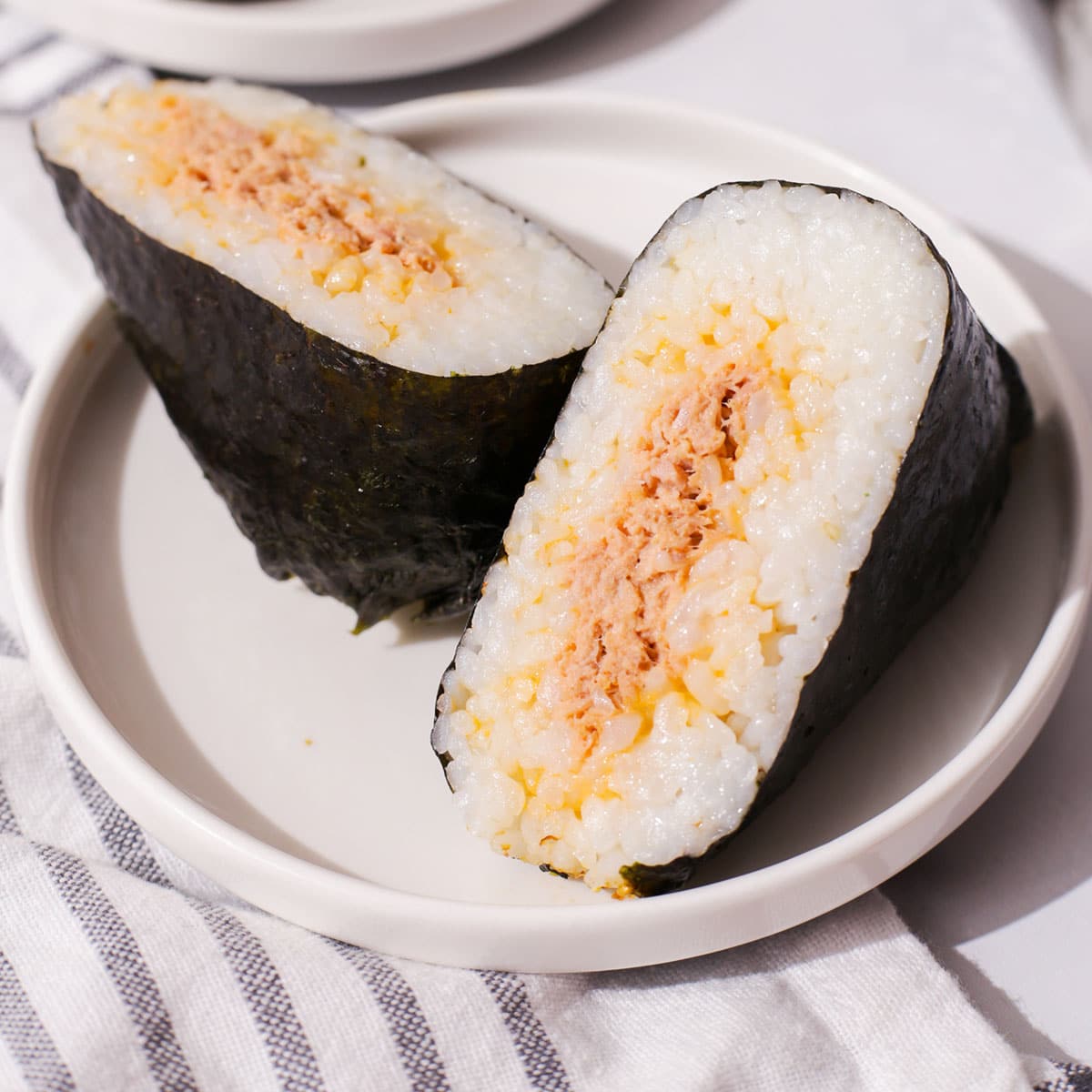
Making classic tuna mayo onigiri is a straightforward process that can be broken down into three main steps: preparing the tuna filling, shaping the rice balls, and assembling the onigiri. Let’s dive into each step with detailed instructions.
Preparing the Tuna Filling
- In a bowl, combine canned tuna, mayonnaise, chopped onion, celery, and pickles (optional).
- Mix well until the ingredients are evenly distributed and the filling has a creamy consistency.
- Season with salt and pepper to taste.
Shaping the Rice Balls
- Wet your hands with water to prevent the rice from sticking.
- Take a handful of cooked sushi rice and form it into a ball, creating a small indent in the center.
- Use different shaping techniques to create triangular, round, or cylindrical onigiri, as desired.
- Triangular: Form the rice into a triangle by pressing the edges together.
- Round: Roll the rice into a ball and smooth out the surface.
- Cylindrical: Roll the rice into a long, cylindrical shape.
Assembling the Onigiri
- Fill the indent in the rice ball with the tuna filling.
- Close the rice ball by bringing the edges together and pressing gently to seal.
- Wrap the onigiri with a sheet of nori seaweed (optional) for added flavor and presentation.
Enjoy your freshly made tuna mayo onigiri as a delicious and satisfying snack or meal.
Presentation and Serving

Tuna mayo onigiri can be presented in various ways to enhance its visual appeal and make it more enjoyable to eat. Whether you’re serving it as a snack, appetizer, or part of a meal, here are some ideas to consider:
One simple yet effective way to present onigiri is to arrange them on a plate or serving tray. You can place them side by side or stack them on top of each other, creating a neat and tidy presentation. For a more rustic look, wrap each onigiri in a sheet of nori seaweed, securing it with a small piece of twine or a toothpick.
Garnishes and Accompaniments
To add a touch of color and flavor to your onigiri, consider using garnishes and accompaniments. Some popular options include:
- Thinly sliced green onions or chives
- Sesame seeds
- Toasted seaweed flakes
- A dollop of mayonnaise or sriracha sauce
- Pickled ginger
Packaging and Transporting
If you’re planning on packing tuna mayo onigiri for picnics or lunches, it’s important to choose suitable packaging to keep them fresh and prevent them from getting squished. Here are some tips:
- Wrap each onigiri individually in plastic wrap or aluminum foil.
- Place the wrapped onigiri in a lunch bag or insulated container with an ice pack to keep them cool.
- For longer storage, consider freezing the onigiri. Thaw them in the refrigerator overnight before serving.
Health Considerations
Tuna mayo onigiri is generally a nutritious snack or light meal. Tuna is a good source of protein, omega-3 fatty acids, and vitamin D. Mayonnaise provides additional fat and calories. However, the nutritional value of onigiri can vary depending on the ingredients used.
Potential Allergens and Dietary Restrictions
Onigiri may contain potential allergens such as fish (tuna), soy (soy sauce), and wheat (rice). Individuals with allergies or dietary restrictions should be cautious when consuming onigiri.
Healthier Variations
To make healthier variations of onigiri, consider using brown rice instead of white rice. Brown rice is a whole grain that is higher in fiber and nutrients. You can also use whole-wheat bread or other whole-grain options for the outer layer.
For the filling, try using grilled or baked tuna instead of canned tuna, and opt for low-fat or fat-free mayonnaise. You can also add other healthy ingredients to the filling, such as vegetables, beans, or lean protein.
Cultural Significance
Tuna mayo onigiri holds a special place in Japanese culture, transcending its role as a mere food item. It embodies the essence of Japanese tradition and is deeply ingrained in the country’s social fabric.Onigiri has been a staple in Japanese cuisine for centuries, serving as a portable and convenient meal for farmers, travelers, and warriors alike.
Tuna mayo, a combination of tuna, mayonnaise, and other seasonings, became a popular filling in the early 20th century and quickly gained widespread acceptance.Today, tuna mayo onigiri is ubiquitous in Japanese society. It is a beloved snack, often enjoyed at festivals, picnics, and sporting events.
It is also a common lunchbox item for schoolchildren and office workers, symbolizing comfort and nostalgia.
Regional Variations
Tuna mayo onigiri, a beloved Japanese dish, exhibits regional variations that reflect diverse culinary traditions and cultural influences. These variations range from unique ingredients to distinct preparation methods, showcasing the regional diversity of Japanese cuisine.
One notable regional variation is the Shinshu onigiri, originating from the mountainous region of Nagano. This onigiri is characterized by its generous filling of tuna mayo mixed with nozawana, a fermented leafy vegetable that adds a tangy and umami flavor. The onigiri is then wrapped in a sheet of nori(seaweed) and grilled, resulting in a crispy exterior and a flavorful, juicy interior.
Hokkaido
In Hokkaido, the northernmost island of Japan, tuna mayo onigiri often incorporates local seafood, such as salmon or herring. These onigiri are typically larger in size and feature a filling that combines tuna mayo with flaked fish, creating a hearty and satisfying meal.
Kyushu
The southern island of Kyushu is known for its use of mentaiko(spicy cod roe) in tuna mayo onigiri. The mentaiko adds a spicy kick to the filling, balancing the richness of the tuna and mayonnaise. These onigiri are often served with a side of tonjiru(miso soup with pork and vegetables), creating a comforting and flavorful combination.
Cultural and Historical Influences
The regional variations of tuna mayo onigiri are influenced by various factors, including local ingredients, cultural traditions, and historical events. For instance, the use of nozawana in Shinshu onigiri is attributed to the region’s mountainous terrain and the availability of this fermented vegetable.
Similarly, the incorporation of salmon and herring in Hokkaido onigiri reflects the region’s strong fishing industry.
Similar Dishes: Tuna Mayo Onigiri Recipes
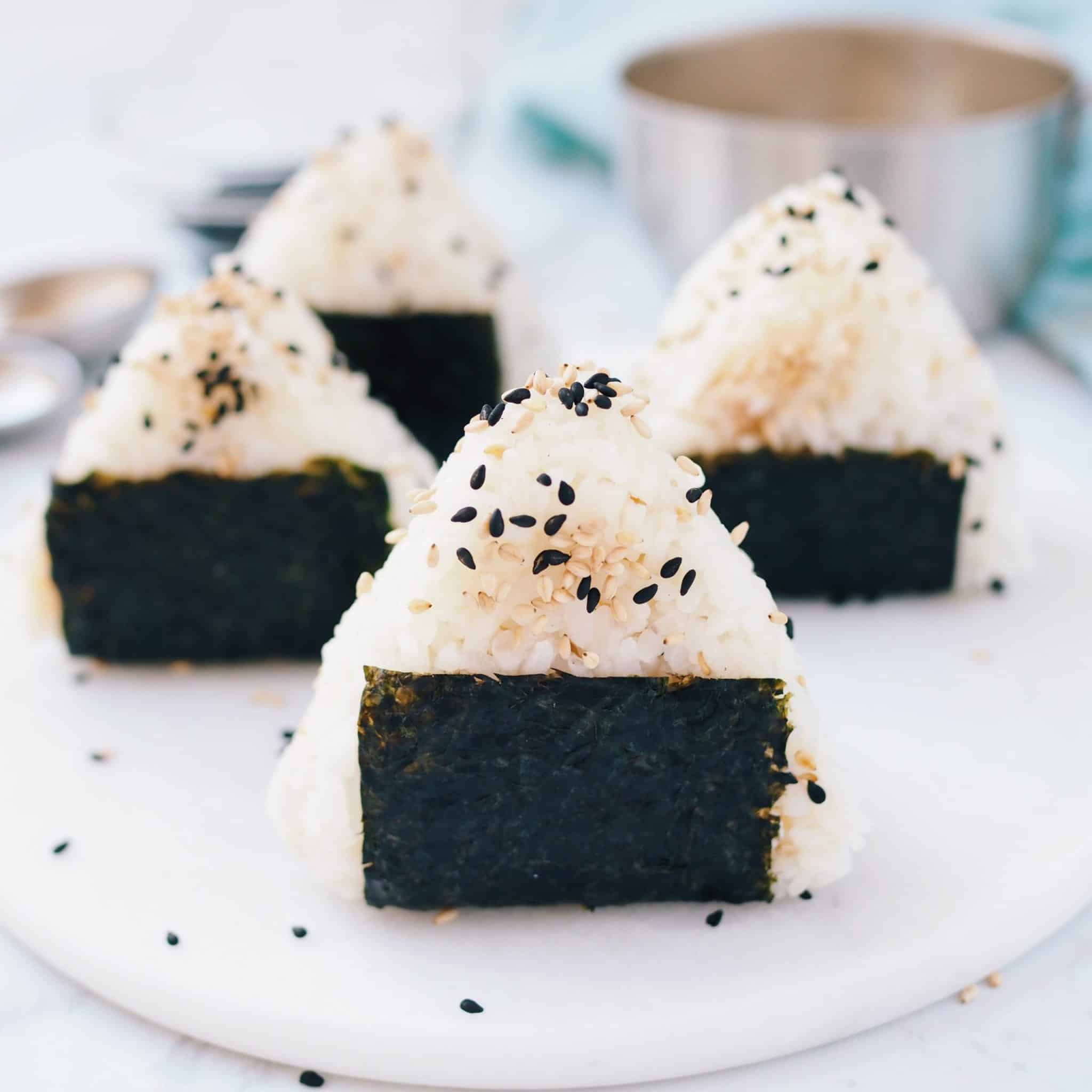
Tuna mayo onigiri has many counterparts around the world, each with its own unique take on the dish. While they share some similarities, such as being handheld snacks filled with savory ingredients, there are also notable variations in ingredients, flavors, and preparation methods.
One popular comparison is with the American tuna salad sandwich. Both dishes feature tuna as the primary ingredient, but the similarities end there. Tuna salad sandwiches are typically served on bread, while onigiri uses rice. The fillings also differ, with tuna salad sandwiches often including celery, onion, and mayonnaise, while onigiri fillings can vary widely, including ingredients like cucumber, umeboshi, or even kimchi.
Korean Gimbap
Gimbap is a Korean dish that resembles onigiri in its cylindrical shape and use of rice as a base. However, gimbap is typically wrapped in seaweed, giving it a distinct appearance. The fillings also vary, with common ingredients including vegetables, meat, and eggs.
Gimbap is often served with a dipping sauce, such as soy sauce or sesame oil.
Tuna mayo onigiri recipes are a delightful treat, especially when you’re craving something savory and satisfying. If you’re looking for a sweet treat to complement your onigiri, why not try a decadent recipe for cream cheese pecan pie ? The creamy filling and crunchy pecans will surely hit the spot.
Afterward, you can return to your tuna mayo onigiri recipes and enjoy the perfect balance of flavors.
Inspiration and Innovation
Tuna mayo onigiri is a versatile dish that lends itself well to experimentation and innovation. By playing with different ingredients, flavors, and presentation styles, you can create exciting new variations that will delight your taste buds.
One way to innovate with tuna mayo onigiri is to incorporate different ingredients. For example, you could add chopped vegetables such as cucumber, carrots, or bell peppers to the tuna mayo filling. You could also add different herbs and spices, such as basil, oregano, or chili flakes, to give the onigiri a unique flavor profile.
Fusion Cuisine and Culinary Collaborations
Another way to innovate with tuna mayo onigiri is to explore fusion cuisine. This involves combining elements from different culinary traditions to create new and exciting dishes. For example, you could make a tuna mayo onigiri with a Korean-inspired gochujang sauce or a Mexican-inspired salsa.
The possibilities are endless!
Culinary collaborations can also be a great way to come up with new and innovative ideas for tuna mayo onigiri. By working with chefs from other cultures or backgrounds, you can learn about new ingredients and techniques that you can incorporate into your own cooking.
Final Thoughts
As we bid farewell to this exploration of tuna mayo onigiri recipes, let the flavors and memories linger. Whether you’re a seasoned home cook or a culinary novice, we hope this guide has ignited your passion for this Japanese delicacy.
Experiment with different ingredients, embrace regional variations, and share the joy of onigiri with your loved ones. The world of tuna mayo onigiri is an endless source of culinary inspiration, waiting to be savored and celebrated.