Discover the art of vegan bread making with our comprehensive guide, Vegan Bread Recipe Bread Maker. Dive into the world of plant-based bread, exploring its nutritional benefits, essential ingredients, and the secrets to creating delicious loaves in the comfort of your own kitchen.
From understanding the role of yeast to experimenting with flavorful variations, this guide will empower you to master the craft of vegan bread making. Let's embark on this culinary adventure and unlock the secrets to creating wholesome and delectable vegan bread.
Vegan Bread Basics
Vegan bread, an alternative to traditional bread, excludes animal-based ingredients, making it suitable for vegans and those with dietary restrictions. Understanding its fundamental ingredients and nutritional value is crucial.
Fundamental Ingredients:
- Flour:Whole wheat, bread flour, or a blend provides structure and carbohydrates.
- Plant-based Milk:Almond, soy, or oat milk replaces dairy milk, adding moisture and nutrients.
- Vegan Butter or Oil:Adds richness, texture, and moisture without using dairy butter.
- Sugar:Natural or refined sugar provides sweetness and helps with yeast activation.
- Yeast:Active dry or instant yeast acts as a leavening agent, creating air pockets for a fluffy texture.
- Salt:Enhances flavor and controls yeast activity.
Nutritional Comparison
Compared to traditional bread, vegan bread offers similar nutritional value but with some key differences:
| Nutrient | Vegan Bread | Traditional Bread |
|---|---|---|
| Calories | 240-260 | 250-270 |
| Carbohydrates | 45-50g | 45-50g |
| Protein | 8-10g | 9-11g |
| Fat | 4-6g | 5-7g |
| Fiber | 5-7g | 3-5g |
| Iron | 2-3mg | 1-2mg |
| Calcium | 20-30mg | 25-35mg |
Vegan bread tends to be higher in fiber and lower in calcium compared to traditional bread.
Essential Ingredients

Crafting vegan bread in a bread maker requires a mindful selection of ingredients to ensure a successful outcome. Among the crucial components are yeast, plant-based milks, and gluten-free flours, each playing a distinct role in the bread's characteristics.
Yeast
Yeast is an indispensable ingredient in bread making, as it is responsible for the fermentation process that gives bread its characteristic rise and texture. In vegan bread making, active dry yeast or instant yeast is commonly used, as they are readily available and easy to incorporate.
These yeasts are activated when combined with warm liquid, initiating the fermentation process that produces carbon dioxide gas, causing the bread to rise.
Plant-Based Milks
Plant-based milks, such as almond milk, soy milk, or oat milk, serve as a substitute for dairy milk in vegan bread recipes. These milks not only provide moisture and nutrients but also influence the flavor and texture of the bread.
Almond milk imparts a subtle nutty flavor, while soy milk provides a richer, creamier texture. Oat milk, with its mild flavor and creamy consistency, is also a popular choice for vegan bread making.
Gluten-Free Flours
Gluten-free flours, such as almond flour, coconut flour, or a blend of gluten-free flours, are used to create vegan bread that is suitable for individuals with gluten intolerance or celiac disease. These flours lack the gluten protein found in wheat flour, which gives bread its chewy texture.
However, when used in combination with other ingredients, such as psyllium husk or flaxseed meal, gluten-free flours can produce bread with a satisfying texture and crumb.
Bread Maker Techniques
Using a bread maker to prepare vegan bread is a convenient and straightforward process. Here's a step-by-step guide to help you achieve perfect results:
Step 1: Prepare the ingredientsMeasure and assemble all the necessary ingredients as per the recipe. Ensure that the wet and dry ingredients are kept separate.
Step 2: Add ingredients to the bread makerFirst, add the wet ingredients to the bread pan. This includes water, plant-based milk, and any other liquids called for in the recipe. Next, add the dry ingredients, including flour, sugar, salt, and yeast.
Step 3: Select the appropriate settingsMost bread makers offer various settings, such as crust color, loaf size, and dough cycle. Choose the settings that best suit your preferences and the recipe you're using.
Step 4: Start the bread cycleOnce the ingredients are added and the settings are selected, press the start button to initiate the bread-making process. The bread maker will mix, knead, and proof the dough automatically.
Step 5: Monitor the breadDuring the bread-making cycle, it's important to monitor the dough. If it appears too wet, add a bit more flour. If it's too dry, add a bit more liquid. You can also check the dough's consistency by pressing your finger into it; it should spring back slightly.
Step 6: Remove the breadOnce the bread cycle is complete, remove the bread pan from the bread maker and turn the bread out onto a wire rack to cool completely before slicing and serving.
Troubleshooting Common Issues
Problem: The bread is too densePossible cause: Not enough water or too much flour. Try increasing the amount of water or decreasing the amount of flour.
Problem: The bread is too dryPossible cause: Not enough water or too much flour. Try increasing the amount of water or decreasing the amount of flour.
Problem: The bread is not cooked throughPossible cause: The bread cycle was too short. Try increasing the baking time.
Problem: The bread has a burnt crustPossible cause: The crust setting was too high. Try decreasing the crust setting.
Flavorful Variations
Vegan bread can be transformed into a culinary canvas with a wide array of flavorful variations. Herbs, spices, and vegetables add depth and complexity, while fruits and nuts provide a delightful contrast in texture and sweetness. The possibilities are endless, allowing you to create unique and tantalizing loaves.
Incorporating Herbs, Spices, and Vegetables
Aromatic herbs like rosemary, thyme, and basil infuse bread with a vibrant freshness. Spices such as cumin, coriander, and turmeric add warmth and a touch of exoticism. Vegetables like chopped bell peppers, grated carrots, and diced onions introduce a subtle sweetness and a burst of color.
Experiment with different combinations to find your favorite flavor profiles.
Using Fruits and Nuts
Dried fruits, such as cranberries, raisins, and apricots, add a touch of natural sweetness and chewy texture. Chopped nuts, like walnuts, almonds, and pecans, provide a satisfying crunch and a boost of healthy fats. Use them sparingly to avoid overpowering the bread's flavor.
Creating Savory and Sweet Vegan Bread Variations
For savory bread, consider incorporating ingredients like roasted garlic, sun-dried tomatoes, or olives. These add a depth of flavor that pairs well with soups and stews. Sweet bread variations can be made with the addition of mashed bananas, cocoa powder, or grated apples.
These ingredients introduce a delightful sweetness that is perfect for breakfast or dessert.
Health Benefits
Vegan bread is not only delicious but also packed with nutritional benefits. It is a rich source of dietary fiber, which is essential for maintaining a healthy digestive system. Fiber promotes satiety, helping you feel fuller for longer and reducing your overall calorie intake.
Whole-grain vegan bread is particularly high in fiber, providing a significant amount of the recommended daily intake.
In addition to fiber, vegan bread is also a good source of vitamins and minerals. It contains essential B vitamins, such as thiamin, riboflavin, and niacin, which are crucial for energy metabolism and nervous system function. Vegan bread also provides iron, an essential mineral that helps transport oxygen throughout the body, and zinc, which supports immune function and cell growth.
Role of Whole Grains
Whole grains are an important part of a healthy diet. They contain essential nutrients such as fiber, vitamins, and minerals. Fiber helps to keep you feeling full and satisfied, while vitamins and minerals are essential for overall health and well-being.
Whole grains can help to lower your risk of heart disease, stroke, type 2 diabetes, and some types of cancer.
Creative Presentation
Showcase your vegan bread creations with visually stunning presentations. Experiment with various slicing and shaping techniques to elevate the aesthetic appeal of your bread.
Decorative Bread Rolls
- Cloverleaf Rolls:Cut dough into triangles, roll up from the wide end, and arrange three rolls in a clover shape.
- Parker House Rolls:Roll out dough into a circle, brush with vegan butter, fold in half, and cut into squares. Score the center to create a cross shape.
- Pretzel Rolls:Shape dough into pretzel shapes by rolling out into long ropes, crossing the ends, and twisting.
Shaped Loaves
- Boule:Round, crusty loaf with a rustic appearance.
- Baguette:Long, thin loaf with a crispy crust and airy interior.
- Ciabatta:Flat, oval-shaped loaf with large, open holes.
Herb, Seed, and Topping Enhancements, Vegan bread recipe bread maker
- Herbs:Sprinkle fresh herbs such as rosemary, thyme, or oregano over the dough before baking for added flavor and aroma.
- Seeds:Add sunflower seeds, chia seeds, or flax seeds to the dough for extra crunch and nutritional value.
- Toppings:Brush the bread with vegan butter or olive oil before baking and sprinkle with sea salt, sesame seeds, or chopped nuts for a savory touch.
Storage and Preservation
Maintaining the freshness of vegan bread is essential for preserving its quality and taste. Proper storage techniques and understanding the effects of freezing and refrigeration can help extend the shelf life of your homemade vegan bread.
Room Temperature Storage
- Store freshly baked vegan bread at room temperature for up to 2 days.
- Wrap the bread tightly in a clean kitchen towel or place it in a bread box to prevent it from drying out.
- Avoid storing bread in plastic bags, as this can trap moisture and promote mold growth.
Freezing
- Slice the bread before freezing to make it easier to thaw and use later.
- Wrap each slice individually in plastic wrap or aluminum foil.
- Place the wrapped slices in a freezer-safe bag and freeze for up to 3 months.
Refrigeration
- Refrigerating vegan bread can extend its shelf life by a few days.
- Wrap the bread tightly in plastic wrap or place it in an airtight container.
- Refrigerated vegan bread should be consumed within 5-7 days.
Reviving Stale Bread
- Sprinkle a few drops of water on the stale bread and microwave it for 10-15 seconds.
- Place the bread in a preheated oven at 350°F (175°C) for 5-10 minutes, or until it becomes crispy.
- To revive bread slices, toast them in a toaster or toaster oven.
Troubleshooting
Vegan bread baking can occasionally present challenges. Understanding common issues and their solutions empowers you to achieve optimal results.
Dense, crumbly, or undercooked bread can stem from various factors. Identifying and addressing these issues ensures successful vegan bread-making.
Dense Bread
- Insufficient rising:Ensure the yeast is active and the dough has adequate time to rise.
- Over-mixing:Excessive mixing develops the gluten, resulting in a tough texture. Mix just until the ingredients are combined.
- Too much liquid:Add liquid gradually, checking the dough's consistency. A sticky dough requires more flour.
Crumbly Bread
- Insufficient moisture:Add more liquid or wet ingredients to create a softer dough.
- Over-baking:Monitor the bread's progress and remove it from the oven when golden brown.
li> Lack of gluten:Use vital wheat gluten or a gluten-rich flour blend to improve structure.
Undercooked Bread
- Insufficient baking time:Increase the baking time or temperature to ensure the bread is cooked through.
- Uneven heat distribution:Rotate the bread pan during baking for consistent browning.
- Thick crust:Score the bread before baking to allow steam to escape, preventing a thick crust.
FAQs: Vegan Bread Recipe Bread Maker
This section addresses common queries and concerns regarding vegan bread making.
Gluten-Free Options
For individuals with gluten intolerance or celiac disease, there are gluten-free vegan bread options available. These breads typically use alternative flours such as almond flour, coconut flour, or quinoa flour.
Specific Ingredients
Nutritional Yeast
Nutritional yeast is a deactivated yeast that provides a cheesy flavor to vegan bread. It is a good source of protein, B vitamins, and fiber.
Flaxseed Meal
Flaxseed meal is a ground flaxseed that acts as an egg replacer in vegan baking. It is rich in omega-3 fatty acids and fiber.
Dietary Suitability
Allergy Considerations
Vegan bread is typically free from common allergens such as dairy, eggs, and nuts. However, it is important to check the ingredient list carefully if you have specific allergies.
Vegan bread made in a bread maker is a delicious and healthy option for those who follow a plant-based diet. If you're looking for a more adventurous culinary experience, why not try out a recipe for venison hot dogs ? This unique dish combines the flavors of game meat with the convenience of a bread maker.
Once you've enjoyed your venison hot dogs, come back to the comforting flavors of vegan bread, freshly baked in your bread maker.
Diabetic-Friendly
Some vegan breads can be suitable for individuals with diabetes, as they may use whole-grain flours and natural sweeteners that have a lower glycemic index.
Advanced Techniques
Vegan bread making can be elevated to new heights with advanced techniques. These methods allow for more complex flavors, textures, and artisanal appearances.
Sourdough Starters
Creating a sourdough starter is a traditional method of leavening bread. It involves cultivating a symbiotic culture of wild yeast and bacteria in a mixture of flour and water. The resulting sourdough bread has a distinctive tangy flavor, chewy texture, and improved digestibility.
Overnight Doughs
Allowing dough to rest overnight in the refrigerator slows down the fermentation process. This extended fermentation develops deeper flavors and a more complex crumb structure. Overnight doughs are ideal for creating hearty, artisan-style breads.
Artisan Shaping
Artisan shaping techniques, such as scoring, braiding, and knotting, add visual appeal and enhance the crust's texture. These methods require practice but can transform a simple loaf into a work of art.
Closure
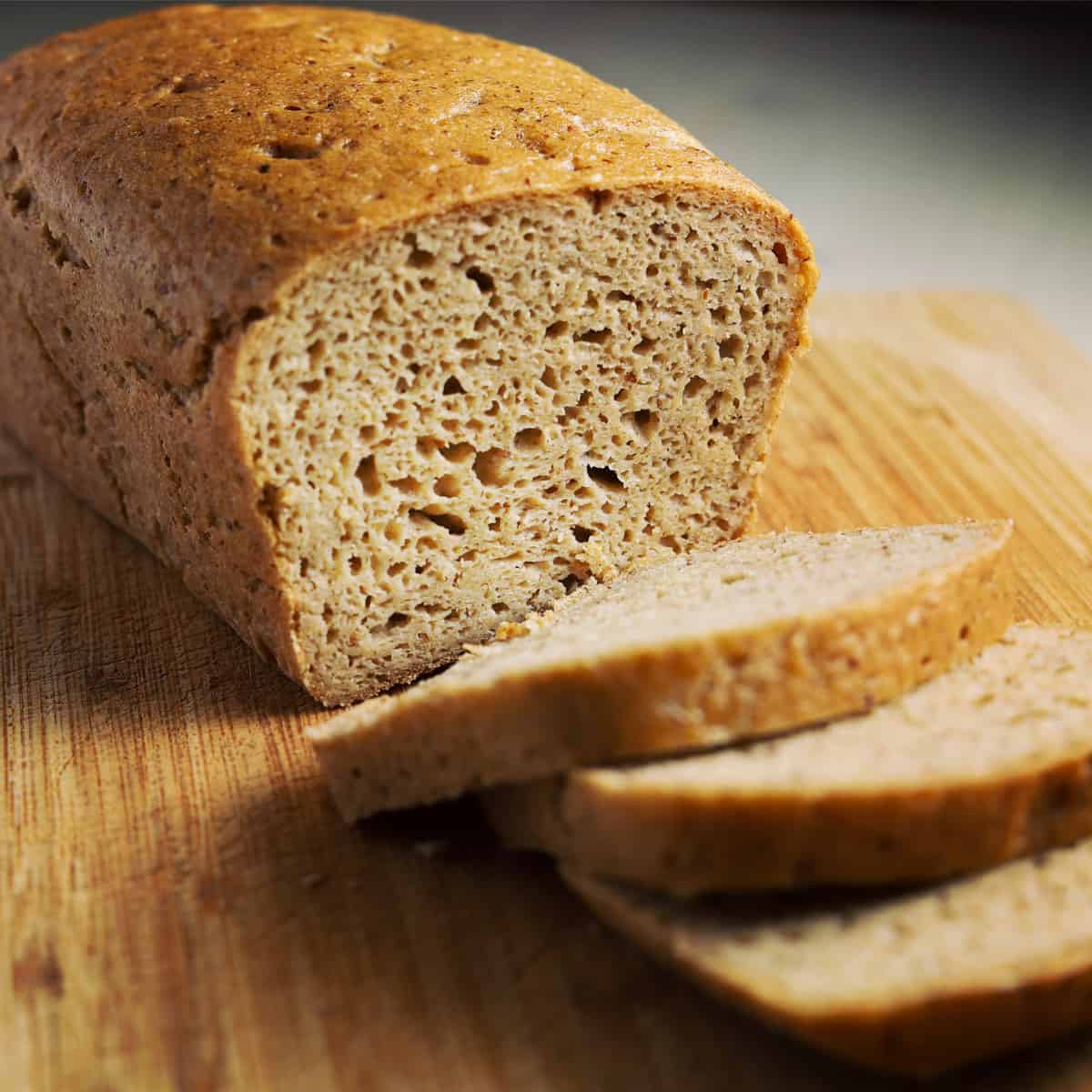
As we conclude our exploration of Vegan Bread Recipe Bread Maker, we hope you feel inspired to experiment with this versatile and nutritious bread. Whether you're a seasoned baker or a curious beginner, the knowledge and techniques shared in this guide will empower you to create delicious vegan bread that will tantalize your taste buds and nourish your body.


