Prime rib on grill recipe - Prepare to embark on a tantalizing journey with our "Prime Rib on the Grill" recipe, where succulent flavors dance upon the embers, promising an unforgettable dining experience.
From selecting the perfect cut to mastering the art of grilling, we'll guide you through every step, ensuring that your prime rib emerges as a masterpiece.
Prime Rib Overview
Prime rib, also known as a standing rib roast, is an iconic cut of beef that is highly prized for its exceptional flavor and tenderness. It is obtained from the rib section of the cow, specifically the upper primal rib, and is characterized by its generous marbling and rich, beefy taste.
The popularity of prime rib stems from its unique characteristics. It is a large cut of meat, typically weighing between 5 and 10 pounds, which makes it perfect for feeding a crowd. The abundant marbling within the meat contributes to its exceptional tenderness and flavor, as the fat melts and bastes the meat during cooking, resulting in a juicy and succulent roast.
History and Cultural Impact
The history of prime rib dates back to the 18th century, when it was considered a luxurious dish reserved for special occasions. It gained widespread popularity in the United States during the 19th century, becoming a staple at celebratory feasts and holiday gatherings.
Prime rib has remained a beloved culinary classic to this day, enjoyed by people of all ages and backgrounds.
Over the years, prime rib has played a significant role in various cultures. In the United States, it is often associated with festive occasions such as Christmas, Thanksgiving, and New Year's Eve. In England, it is traditionally served on Sundays as part of a Sunday roast dinner.
Prime Rib on Grill Methods
Grilling prime rib offers a succulent and flavorful alternative to traditional oven roasting. Various techniques are available, each with its advantages and disadvantages.
The most common methods include direct grilling, indirect grilling, and reverse searing. Let's explore each approach and provide step-by-step instructions for grilling prime rib.
Direct Grilling
In direct grilling, the prime rib is placed directly over the heat source. This method provides intense heat, quickly searing the meat and creating a flavorful crust. However, it requires careful monitoring to prevent burning.
- Preheat the grill to high heat.
- Season the prime rib generously with salt and pepper.
- Place the prime rib directly over the heat source.
- Grill for 5-7 minutes per side, or until a golden-brown crust forms.
- Reduce the heat to medium-low and continue grilling for 15-20 minutes per pound, or until the desired internal temperature is reached.
Prime Rib Seasonings and Rubs
Prime rib is a flavorful cut of beef that can be seasoned with a variety of rubs and seasonings to enhance its taste. Seasonings can be applied to the meat before cooking, while rubs are typically applied after cooking.
Popular Seasonings and Rubs for Prime Rib
There are many popular seasonings and rubs that can be used on prime rib. Some of the most common include:
- Salt and pepper: Salt and pepper are the most basic seasonings for prime rib, and they can be used to enhance the meat's natural flavor.
- Garlic powder: Garlic powder is a great way to add a savory flavor to prime rib.
- Onion powder: Onion powder is another great way to add flavor to prime rib, and it can also help to tenderize the meat.
- Paprika: Paprika is a spice that adds a smoky flavor to prime rib.
- Cumin: Cumin is a spice that adds a warm, earthy flavor to prime rib.
- Coriander: Coriander is a spice that adds a citrusy flavor to prime rib.
- Mustard powder: Mustard powder is a great way to add a tangy flavor to prime rib.
- Brown sugar: Brown sugar can be added to rubs to give prime rib a sweet and caramelized flavor.
- Herbs: Herbs such as rosemary, thyme, and sage can be added to rubs to give prime rib a fresh and aromatic flavor.
Purpose of Ingredients in Seasoning Blends
The ingredients in seasoning blends for prime rib are typically chosen for their ability to enhance the meat's flavor and tenderness. Salt and pepper are the most basic seasonings, and they can be used to enhance the meat's natural flavor.
Garlic powder and onion powder are great ways to add savory flavor to prime rib, and they can also help to tenderize the meat. Paprika, cumin, coriander, and mustard powder are all spices that add different flavors to prime rib, and they can be used to create a variety of different rubs.
Brown sugar can be added to rubs to give prime rib a sweet and caramelized flavor, and herbs such as rosemary, thyme, and sage can be added to rubs to give prime rib a fresh and aromatic flavor.
Recipe for a Flavorful Prime Rib Rub
Here is a recipe for a flavorful prime rib rub:
- 1 tablespoon salt
- 1 tablespoon black pepper
- 1 tablespoon garlic powder
- 1 tablespoon onion powder
- 1 tablespoon paprika
- 1 teaspoon cumin
- 1 teaspoon coriander
- 1 teaspoon mustard powder
- 1 tablespoon brown sugar
- 1 tablespoon rosemary
- 1 tablespoon thyme
- 1 tablespoon sage
Combine all ingredients in a bowl and mix well. Apply the rub to the prime rib and refrigerate for at least 2 hours before cooking.
Prime Rib Temperature and Doneness
Achieving the perfect doneness for prime rib is crucial for a succulent and flavorful experience. Internal temperature plays a significant role in determining the level of doneness, ensuring that the meat is cooked to your desired tenderness and juiciness.
Levels of Doneness
Prime rib can be cooked to various levels of doneness, each with its unique characteristics:
- Rare:125-130°F (52-54°C) - A deep red center with a warm, slightly firm texture.
- Medium-rare:130-135°F (54-57°C) - A slightly pink center with a tender and juicy texture.
- Medium:135-140°F (57-60°C) - A light pink center with a more firm texture.
- Medium-well:140-145°F (60-63°C) - A mostly brown center with a slightly chewy texture.
- Well-done:145°F (63°C) and above - A completely brown center with a firm texture.
It's important to note that cooking times and temperatures can vary slightly depending on the size and thickness of the prime rib roast.
Using a Meat Thermometer
To ensure accuracy, it's essential to use a meat thermometer to measure the internal temperature of the prime rib. Insert the thermometer into the thickest part of the meat, avoiding any bones or fat. Once the desired internal temperature is reached, remove the roast from the grill and let it rest for 10-15 minutes before carving.
Prime Rib Marinades: Prime Rib On Grill Recipe
Marinating prime rib is a technique that enhances the flavor and tenderness of the meat. It involves soaking the prime rib in a flavorful liquid for an extended period, allowing the flavors to penetrate and tenderize the meat.
There are numerous marinade recipes available, each imparting its own unique flavor profile to the prime rib. Here are a few popular options:
Herb Marinade
- Fresh herbs such as rosemary, thyme, and oregano
- Olive oil
- Garlic
- Lemon juice
- Salt and pepper
Wine Marinade
- Red or white wine
- Olive oil
- Garlic
- Onions
- Bay leaves
- Salt and pepper
Yogurt Marinade
- Plain yogurt
- Lemon juice
- Garlic
- Ginger
- Turmeric
- Salt and pepper
The duration of marinating can vary depending on the recipe and the thickness of the prime rib. However, a general guideline is to marinate for at least 12 hours, but not longer than 24 hours, to avoid overpowering the natural flavor of the meat.
Marinating not only adds flavor but also tenderizes the meat. The acids in the marinade, such as lemon juice or wine, break down the proteins in the meat, making it more tender and juicy. Additionally, the enzymes in the marinade help to further break down the connective tissues in the meat, resulting in a more tender and flavorful prime rib.
Prime Rib Side Dishes

The perfect side dishes for prime rib complement its rich, flavorful profile without overpowering it. They enhance the overall dining experience by providing contrasting textures, vibrant colors, and complementary flavors.
Classic Accompaniments
Yorkshire Pudding
This traditional English accompaniment is a light and airy batter pudding that absorbs the delectable juices from the prime rib. Its crisp exterior and soft, custardy interior create a delightful contrast in texture.
Recipe:
- 1 cup all-purpose flour
- 1 teaspoon baking powder
- 1/2 teaspoon salt
- 1 large egg
- 1 cup milk
- 1 tablespoon melted butter
Instructions:Preheat oven to 450°F (230°C). Whisk together flour, baking powder, and salt. In a separate bowl, whisk together egg, milk, and melted butter. Gradually add wet ingredients to dry ingredients, whisking until just combined. Pour batter into a greased 9x13 inch baking dish.
Bake for 15-20 minutes, or until golden brown and puffed.
Horseradish Sauce
This pungent and creamy sauce provides a sharp and spicy contrast to the richness of prime rib. Its bold flavor complements the meat without overwhelming it.
Recipe:
- 1 cup grated fresh horseradish
- 1 cup sour cream
- 1/4 cup mayonnaise
- 1 tablespoon lemon juice
- 1/2 teaspoon salt
- 1/4 teaspoon black pepper
Instructions:Combine all ingredients in a bowl and stir until well combined. Refrigerate for at least 30 minutes before serving to allow flavors to meld.
Prime Rib Presentation

The presentation of prime rib is crucial to the overall dining experience. A well-carved and elegantly displayed roast not only enhances the visual appeal but also elevates the anticipation and enjoyment of the meal.
Carving prime rib requires precision and skill. Use a sharp carving knife to cut thin, even slices against the grain of the meat. This technique ensures tenderness and prevents the meat from becoming stringy.
After a satisfying prime rib on the grill, you might crave something sweet. For those without pectin, try this no pectin blueberry jam recipe . It's an easy and delicious way to enjoy the flavors of summer. Serve it on toast or use it as a topping for grilled meats or desserts.
Back to our prime rib on the grill, don't forget to let it rest before slicing to ensure juicy and tender meat.
Arranging the Prime Rib
- Place the carved slices on a heated platter to maintain their temperature.
- Arrange the slices in an overlapping, fan-like pattern to create a visually appealing display.
- Garnish with fresh herbs, such as rosemary or thyme, for an elegant touch.
The presentation of the prime rib should complement the dining atmosphere. For formal occasions, consider using a silver platter and garnishing with additional elements like edible flowers or roasted vegetables.
Prime Rib Storage and Leftovers
Preserving and repurposing prime rib is essential to savor its exquisite flavor and minimize waste. Let's explore the best practices for storage and creative ways to enjoy leftover prime rib.
Storing Cooked Prime Rib
To ensure the safety and quality of cooked prime rib, proper storage is crucial:
- Refrigeration:Wrap the prime rib tightly in plastic wrap or aluminum foil and refrigerate for up to 3-4 days.
- Freezing:For longer storage, double-wrap the prime rib and freeze for up to 3 months.
Reheating and Repurposing Leftovers
Reheating prime rib can be done in various ways, depending on the desired texture and flavor:
- Oven:Preheat oven to 325°F (160°C) and reheat the prime rib, covered, for 15-20 minutes per pound, or until warmed through.
- Microwave:Use a microwave-safe dish and heat the prime rib in 30-second intervals, stirring occasionally, until warmed through.
Leftover prime rib can be transformed into delectable dishes:
- Prime Rib Hash:Combine diced prime rib, potatoes, onions, and peppers in a skillet and cook until golden brown.
- Prime Rib Soup:Simmer leftover prime rib in a flavorful broth with vegetables for a hearty and comforting soup.
- Prime Rib Tacos:Shred the prime rib and serve it in tortillas with your favorite toppings.
Prime Rib Variations
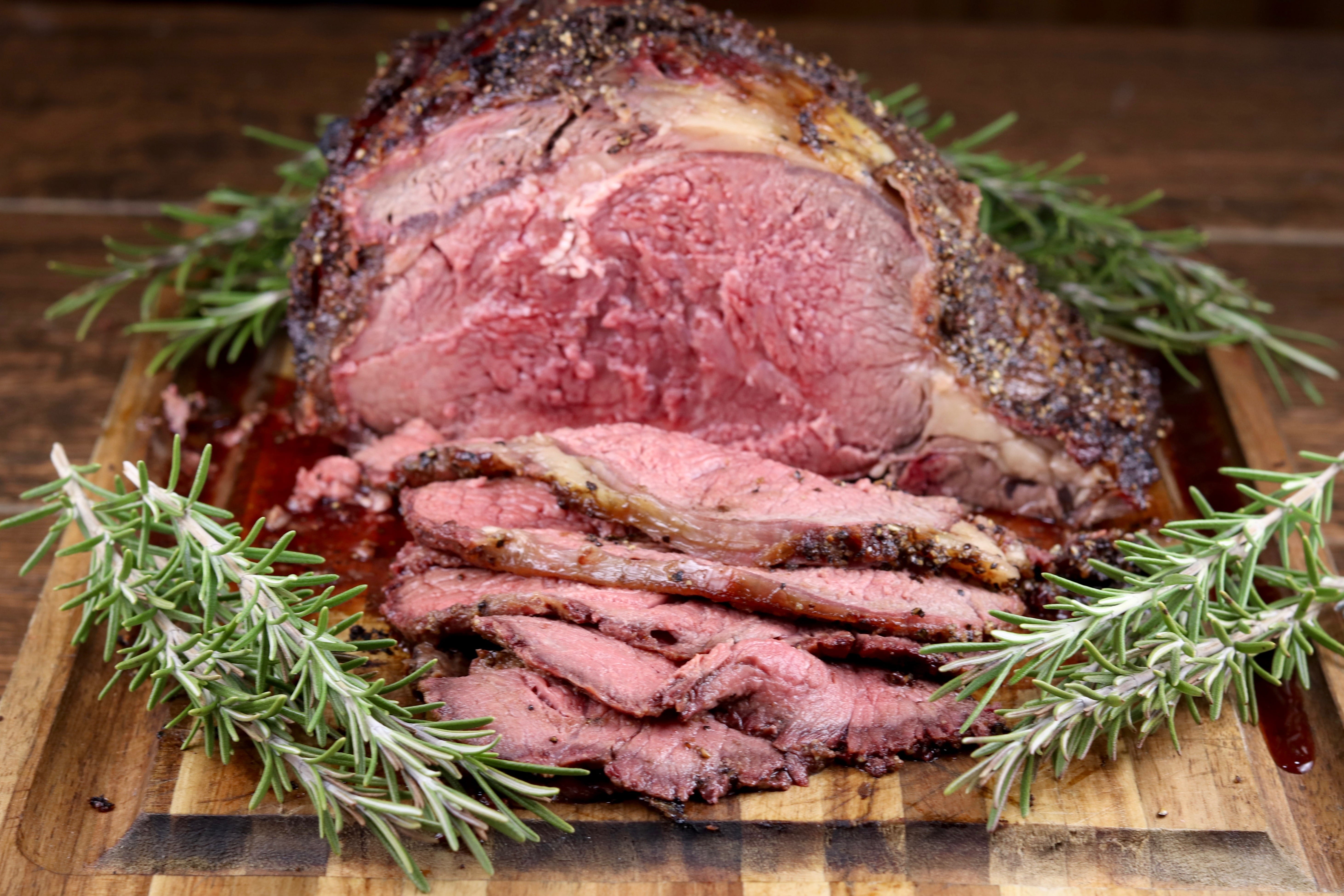
Beyond traditional roasting, prime rib offers a diverse array of variations to tantalize your taste buds. From innovative cooking methods to unique marinades and preparations, explore the culinary adventures that await with these prime rib variations.
Prime rib's versatility extends beyond grilling, allowing for exploration in other cooking realms. Roasting in an oven provides a classic and reliable method, ensuring even cooking and a tender, juicy interior. Sous vide, a technique involving vacuum-sealing the prime rib and cooking it in a precisely controlled water bath, yields an exceptionally tender and flavorful result.
Sous Vide Prime Rib
- Vacuum-seal a seasoned prime rib roast in a heat-resistant bag.
- Immerse the bag in a water bath set to 135°F (57°C) for 4-6 hours, or up to 24 hours for a more tender result.
- Remove the prime rib from the bag and sear it in a hot pan or on a grill to create a delicious crust.
Prime Rib Troubleshooting
Grilling prime rib can be a challenging task, but with the right techniques and troubleshooting tips, you can achieve a perfectly cooked prime rib every time. Here are some common challenges and mistakes to watch out for, along with solutions and tips to help you overcome them.
Overcooked Prime Rib
- Cause:Cooking the prime rib for too long or at too high a temperature.
- Solution:Use a meat thermometer to monitor the internal temperature of the prime rib and remove it from the grill when it reaches the desired doneness.
Undercooked Prime Rib
- Cause:Cooking the prime rib for too short a time or at too low a temperature.
- Solution:Continue grilling the prime rib until it reaches the desired internal temperature.
Tough Prime Rib, Prime rib on grill recipe
- Cause:Using a poor-quality cut of meat or not cooking the prime rib to the correct internal temperature.
- Solution:Choose a high-quality cut of meat and cook it to the desired doneness, using a meat thermometer to ensure accuracy.
Dry Prime Rib
- Cause:Not using enough moisture during cooking or not allowing the prime rib to rest before carving.
- Solution:Use a marinade or rub to add moisture to the prime rib and allow it to rest for at least 30 minutes before carving.
Unevenly Cooked Prime Rib
- Cause:Not rotating the prime rib during cooking or using a grill with uneven heat distribution.
- Solution:Rotate the prime rib every 30 minutes during cooking and use a grill with even heat distribution.
Concluding Remarks
As you savor each delectable bite, let the symphony of flavors linger on your palate, a testament to the culinary magic that unfolds when prime rib meets the grill.
Whether you're a seasoned grillmaster or a novice yearning to elevate your culinary skills, our "Prime Rib on the Grill" recipe will empower you to create a dish that will impress even the most discerning palates.


