Prepare to embark on a culinary adventure with our tantalizing recipe for coconut jam. This delectable spread, brimming with tropical flavors, will transport your taste buds to a realm of pure indulgence.
From its humble beginnings in Southeast Asia, coconut jam has captivated palates worldwide with its unique blend of sweetness and exotic flair. Join us as we delve into the art of crafting this exquisite delicacy, exploring its ingredients, techniques, and endless possibilities.
Ingredients
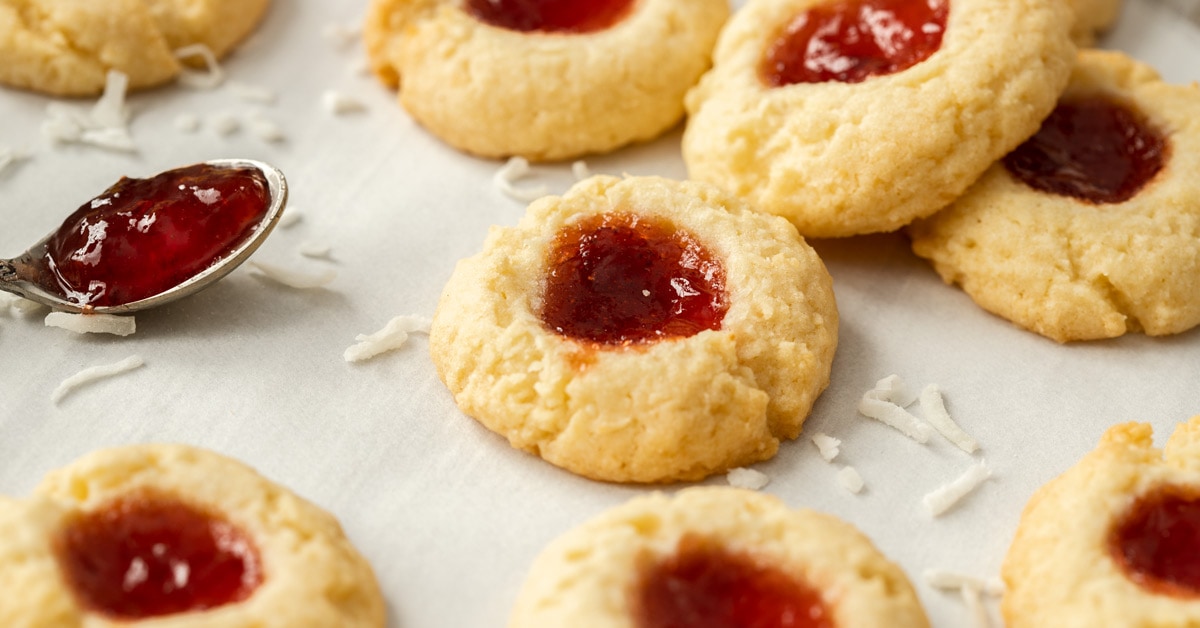
Coconut jam, a tropical delight, is made with a blend of simple yet essential ingredients. Each ingredient plays a specific role in creating the jam’s unique flavor and texture.
The main components of coconut jam are:
Coconut
- Fresh or dried coconut meat:Provides the primary flavor and texture of the jam. Fresh coconut meat offers a more delicate taste, while dried coconut meat imparts a more intense coconutty flavor.
- Coconut milk:Adds creaminess and richness to the jam, balancing the sweetness and enhancing the coconut flavor.
Sweeteners
- Sugar:The primary sweetener, it adds sweetness and helps preserve the jam.
- Honey or maple syrup:Natural sweeteners that provide a subtle sweetness and enhance the flavor profile.
Thickening agents
- Cornstarch or tapioca starch:Thickens the jam, giving it a spreadable consistency.
- Pectin:A natural thickener found in fruits, it helps create a firm gel-like texture.
Flavorings
- Vanilla extract:Enhances the sweetness and adds a warm, inviting aroma.
- Spices (optional):Spices like cinnamon, nutmeg, or ginger can add warmth and complexity to the jam’s flavor.
Preparation Methods: Recipe For Coconut Jam
There are various methods used to prepare coconut jam, each with its advantages and disadvantages. Understanding the different techniques allows you to choose the most suitable method for your needs.
Traditional Method
This method involves slowly simmering grated coconut in a large pot with sugar and water until it thickens and caramelizes. The traditional method requires patience and constant stirring to prevent burning. However, it yields a rich and flavorful jam with a deep amber color.
Pressure Cooker Method
The pressure cooker method is a quicker alternative to the traditional method. It involves cooking the coconut mixture in a pressure cooker, which reduces the cooking time significantly. This method results in a lighter-colored jam with a less intense flavor compared to the traditional method.
Microwave Method
The microwave method is the fastest and most convenient way to make coconut jam. It involves microwaving the coconut mixture in short bursts, stirring in between, until it reaches the desired consistency. This method produces a jam with a slightly different texture compared to the traditional or pressure cooker methods.
Cooking Techniques
Making coconut jam involves a combination of cooking techniques that bring out the rich flavor and desired consistency. Understanding these techniques is essential for achieving the perfect balance of sweetness, thickness, and texture.
The primary technique used in coconut jam making is simmering. This gentle cooking method involves bringing the coconut milk mixture to a low boil and then reducing the heat to maintain a steady simmer. Simmering allows the coconut milk to thicken gradually while releasing its natural sweetness.
It also helps prevent scorching and ensures even cooking throughout the mixture.
Controlling Consistency
- The duration of simmering directly influences the consistency of the jam. For a thicker jam, simmer for a longer period, allowing more water to evaporate and the coconut solids to concentrate.
- To achieve a thinner jam, simmer for a shorter period, preserving more of the liquid content.
Enhancing Flavor
- Adding sugar to the coconut milk mixture enhances its sweetness. The amount of sugar can be adjusted to taste, depending on the desired sweetness level.
- Incorporating spices like cinnamon or cardamom can add depth and complexity to the flavor profile of the jam.
Sweeteners
Sweeteners play a crucial role in determining the flavor and texture of coconut jam. They not only add sweetness but also influence the consistency and spreadability of the finished product.
The choice of sweetener depends on personal preferences, availability, and the desired characteristics of the jam. Some of the most commonly used sweeteners in coconut jam recipes include:
Sugar
- White sugar is a classic sweetener that provides a clean, neutral flavor and a fine, smooth texture to the jam.
- Brown sugar adds a richer, more caramelized flavor and a slightly coarser texture due to the presence of molasses.
- Coconut sugar is a natural sweetener derived from coconut palm sap. It has a subtle coconut flavor and a slightly grainy texture.
Honey
Honey is a natural sweetener that adds a floral, slightly tangy flavor to the jam. It has a thicker consistency than sugar, which can result in a thicker, more spreadable jam.
Maple Syrup
Maple syrup is a natural sweetener that imparts a rich, maple-y flavor to the jam. It is slightly less sweet than sugar and has a slightly thinner consistency.
Other Sweeteners
Other sweeteners that can be used in coconut jam recipes include agave nectar, stevia, and monk fruit extract. These sweeteners vary in their sweetness level, flavor profile, and consistency, allowing for customization to suit individual tastes and dietary preferences.
Flavorings
Incorporating flavorings into coconut jam is a delightful way to elevate its taste and aroma. These flavorings can transform the jam into a versatile culinary delight, complementing various dishes and desserts.
The addition of flavorings not only enhances the sweetness of the jam but also introduces complexity and depth to its flavor profile. From aromatic spices to refreshing citrus, the possibilities are endless.
Spices
- Cinnamon:A classic spice that adds warmth and a hint of sweetness to coconut jam.
- Nutmeg:A delicate spice that provides a subtle nutty flavor, enhancing the richness of the jam.
- Cloves:A pungent spice that adds a touch of complexity and depth to the jam’s flavor.
Citrus
- Lemon:The addition of lemon juice or zest imparts a refreshing brightness, balancing the sweetness of the jam.
- Orange:Orange zest or juice adds a vibrant citrus flavor, creating a delightful contrast with the coconut’s creaminess.
Other Flavorings
- Vanilla:A versatile flavoring that adds a subtle sweetness and a touch of sophistication to the jam.
- Almond extract:A nutty flavoring that complements the coconut’s natural sweetness, creating a harmonious balance.
- Rum:A dash of rum adds a boozy twist to the jam, enhancing its complexity and richness.
Preservation Techniques
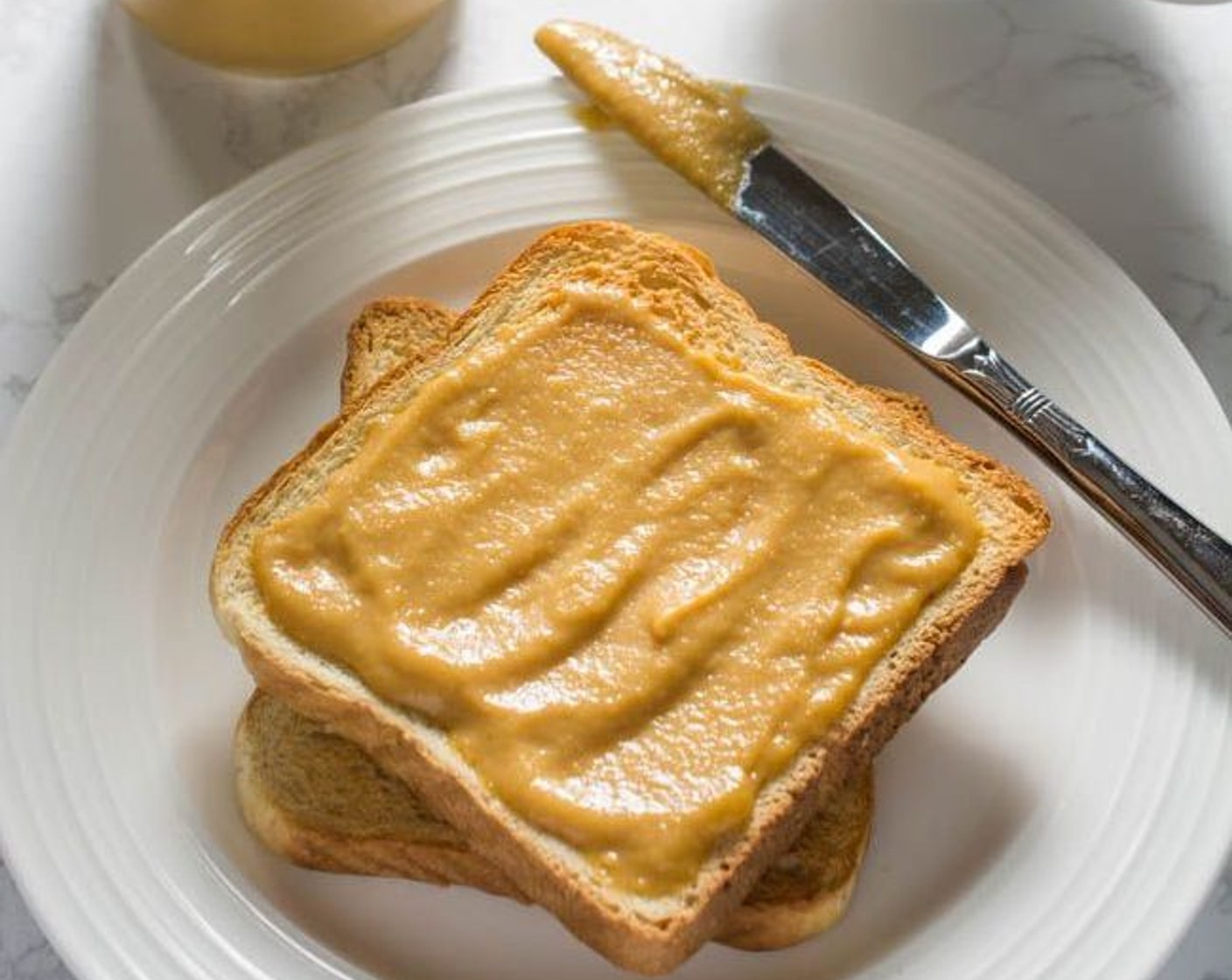
To ensure the longevity and quality of coconut jam, various preservation techniques are employed.
Proper preservation is paramount to prevent spoilage and maintain the jam’s freshness and flavor profile. Without effective preservation methods, the jam can quickly deteriorate, rendering it unsuitable for consumption.
Canning
- Canning involves sealing the jam in airtight jars or cans, which prevents the entry of microorganisms that cause spoilage.
- The jars or cans are then heated to a high temperature to kill any remaining microorganisms and create a vacuum seal.
- This technique effectively preserves the jam for extended periods, allowing it to be stored at room temperature for several months.
Freezing
- Freezing is another effective method for preserving coconut jam.
- The jam is stored in airtight containers or freezer bags and frozen at a temperature of 0°F (-18°C) or below.
- Freezing inhibits the growth of microorganisms and slows down enzymatic reactions, thereby extending the shelf life of the jam.
- Frozen coconut jam can be stored for several months without compromising its quality.
Refrigeration
- Refrigeration is a suitable preservation method for short-term storage of coconut jam.
- The jam is stored in airtight containers in the refrigerator at a temperature of 40°F (4°C) or below.
- Refrigeration slows down the growth of microorganisms but does not eliminate them entirely.
- Coconut jam stored in the refrigerator should be consumed within a few weeks to ensure optimal quality.
Vacuum Sealing
- Vacuum sealing involves removing the air from a sealed container, creating an oxygen-free environment.
- This technique inhibits the growth of aerobic microorganisms, which require oxygen to survive.
- Vacuum-sealed coconut jam can be stored in the refrigerator or freezer, extending its shelf life significantly.
Serving Suggestions
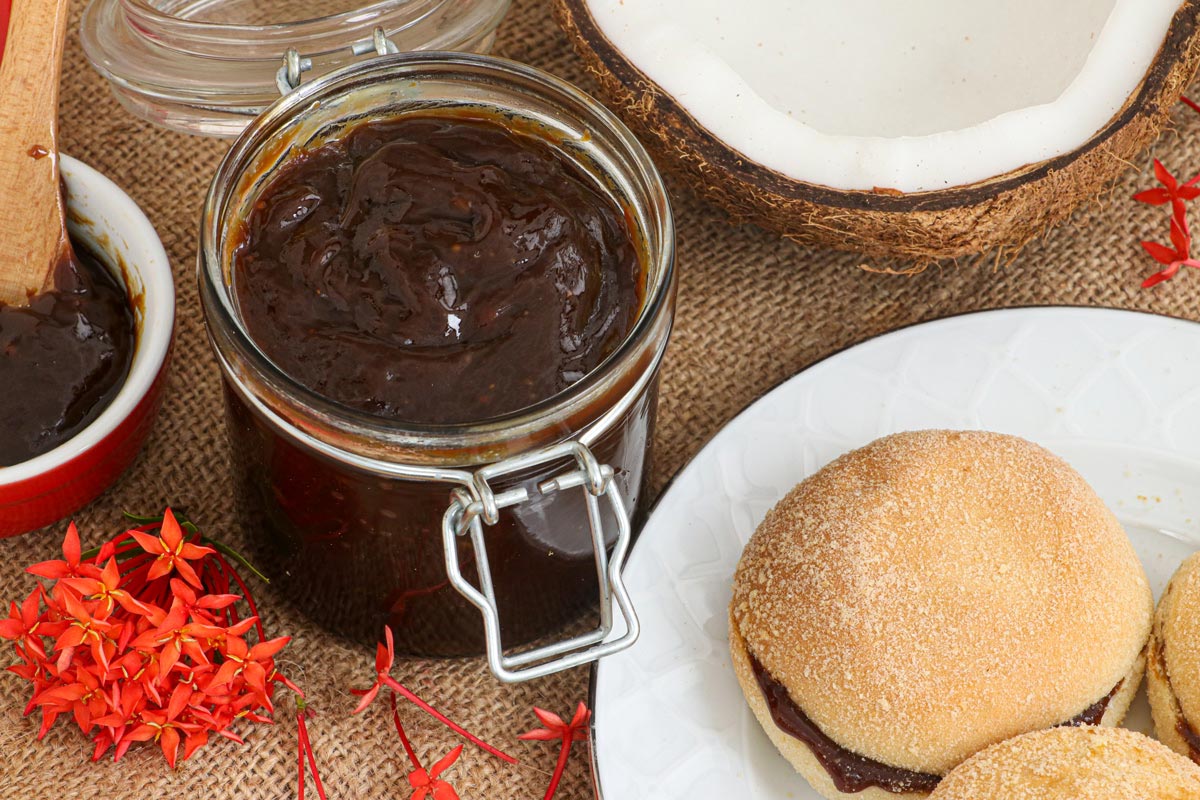
Coconut jam is a versatile ingredient that can be used in a variety of dishes and accompaniments. It can be served as a spread, a topping, or an ingredient in desserts, drinks, and savory dishes.
Coconut jam pairs well with sweet and savory flavors. It can be used as a spread on toast, crackers, or fruit. It can also be used as a topping for pancakes, waffles, or ice cream. In savory dishes, coconut jam can be used as a glaze for grilled chicken or fish, or as a dipping sauce for spring rolls or dumplings.
Creating a delectable coconut jam is an art form that requires patience and precision. If you’re looking to switch gears and explore culinary delights from other cultures, why not try your hand at a ratatouille recipe with meat ? This flavorful dish combines the vibrant flavors of Mediterranean vegetables with tender meat, creating a symphony of tastes.
Once you’ve savored the hearty flavors of ratatouille, return to the sweetness of coconut jam and experiment with different spices to create your own unique concoction.
As a Spread
- Toast
- Crackers
- Fruit
As a Topping, Recipe for coconut jam
- Pancakes
- Waffles
- Ice cream
In Savory Dishes
- Glaze for grilled chicken or fish
- Dipping sauce for spring rolls or dumplings
Nutritional Value
Coconut jam is a concentrated source of nutrients, primarily due to its coconut content. It is a good source of healthy fats, dietary fiber, and several vitamins and minerals.
The primary health benefit of coconut jam is its high content of lauric acid, a medium-chain fatty acid that has been linked to various health benefits, including improved cholesterol levels and reduced inflammation.
Health Benefits
- Rich in healthy fats: Coconut jam is a good source of healthy fats, primarily in the form of medium-chain triglycerides (MCTs). MCTs are easily absorbed and metabolized by the body, providing a quick source of energy.
- Good source of fiber: Coconut jam contains a good amount of dietary fiber, which is important for digestive health and can help regulate blood sugar levels.
- Rich in vitamins and minerals: Coconut jam is a good source of several vitamins and minerals, including potassium, iron, and magnesium.
- Antioxidant properties: Coconut jam contains antioxidants that can help protect cells from damage caused by free radicals.
Potential Drawbacks
- High in calories: Coconut jam is a high-calorie food, so it should be consumed in moderation.
- High in saturated fat: Coconut jam is also high in saturated fat, which can raise cholesterol levels if consumed in excess.
- May cause digestive issues: Coconut jam can cause digestive issues in some people, such as bloating and gas.
Variations
Coconut jam is a versatile ingredient that can be adapted to create a variety of flavors and textures. By experimenting with different ingredients and techniques, you can create a jam that is perfect for your taste buds.
One of the most common variations on coconut jam is to add fruit. This can add sweetness, tartness, or a bit of both to the jam. Some popular fruits to add to coconut jam include pineapple, mango, papaya, and berries.
Another way to vary the flavor of coconut jam is to add spices. Spices can add warmth, depth, and complexity to the jam. Some popular spices to add to coconut jam include cinnamon, nutmeg, ginger, and cardamom.
Finally, you can also vary the texture of coconut jam by adjusting the cooking time. A shorter cooking time will result in a jam that is more runny, while a longer cooking time will result in a jam that is thicker and more spreadable.
Flavor Variations
- Fruit:Adding fruit to coconut jam can add sweetness, tartness, or a bit of both. Some popular fruits to add to coconut jam include pineapple, mango, papaya, and berries.
- Spices:Spices can add warmth, depth, and complexity to coconut jam. Some popular spices to add to coconut jam include cinnamon, nutmeg, ginger, and cardamom.
Texture Variations
- Cooking time:A shorter cooking time will result in a jam that is more runny, while a longer cooking time will result in a jam that is thicker and more spreadable.
Ultimate Conclusion

As you savor the last spoonful of your homemade coconut jam, let the memories of this culinary journey linger on your palate. Whether you’re spreading it on toast, topping pancakes, or using it as a glaze for grilled meats, this versatile treat will add a touch of tropical paradise to every bite.
So, gather your ingredients, prepare your kitchen, and let the aroma of coconut fill your home. The delectable recipe for coconut jam awaits your culinary prowess, ready to unlock a world of flavor and delight.