Unleash the magic of homemade elderberry wine with our comprehensive guide to Elderberry Wine Making Recipes. From selecting the finest ingredients to mastering the art of fermentation, we’ll empower you to craft a delectable elixir that’s both flavorful and potentially beneficial for your well-being.
Discover the secrets of transforming elderberries into a vibrant, full-bodied wine, and explore creative ways to infuse it with unique flavors. Whether you’re a seasoned winemaker or a curious novice, this guide will equip you with the knowledge and techniques to create a truly exceptional elderberry wine experience.
Introduction
:max_bytes(150000):strip_icc()/GettyImages-482747182-5c5b44a446e0fb0001105d30.jpg "Elderberry elderberries wine kolar dejan")
Elderberry wine is an exquisite beverage crafted from the dark, juicy berries of the elder tree. Steeped in tradition and folklore, this homemade elixir holds a special place in the hearts of wine enthusiasts and health-conscious individuals alike. Its unique flavor profile, boasting notes of tartness, sweetness, and a hint of earthiness, sets it apart from the mainstream wine varieties.
Beyond its delectable taste, elderberry wine is also renowned for its remarkable health benefits. This fermented treasure is packed with antioxidants, vitamins, and minerals, making it a potent ally in supporting overall well-being. Its anti-inflammatory properties help combat various ailments, while its immune-boosting effects provide a natural defense against infections.
Essential Ingredients and Equipment
Before you start brewing your own elderberry wine, it’s important to gather all the necessary ingredients and equipment. Here’s what you’ll need:
Ingredients
- Elderberries: 5-6 pounds of fresh or frozen elderberries
- Water: 1 gallon
- Sugar: 2-3 pounds
- Yeast: 1 packet of wine yeast
- Yeast nutrient: 1 teaspoon
- Pectic enzyme: 1 teaspoon
Equipment
- Large pot or bucket: For mashing the elderberries
- Cheesecloth or muslin bag: For straining the elderberry juice
- Fermentation bucket: A food-grade plastic bucket with a lid and airlock
- Siphon: For transferring the wine from one container to another
- Hydrometer: For measuring the specific gravity of the wine
- Bottles: For storing the finished wine
Step-by-Step s: Elderberry Wine Making Recipes
Creating elderberry wine is a delightful and rewarding process that can yield delicious, flavorful results. To guide you through this journey, here’s a comprehensive step-by-step guide to help you craft your own homemade elderberry wine:
Before embarking on this adventure, ensure you have gathered all the essential ingredients and equipment. Once you’re fully prepared, let’s dive into the exciting steps of elderberry wine making:
Harvesting Elderberries
Begin by gathering fresh elderberries from a reputable source. Look for plump, ripe berries free of blemishes or signs of damage. If you can’t find fresh elderberries, frozen berries can be used as a substitute.
Cleaning and Preparing the Berries
Rinse the elderberries thoroughly to remove any dirt or debris. Remove the stems and discard any unripe or damaged berries. Measure out 5 pounds of elderberries for a standard batch of wine.
Crushing the Berries
Using a potato masher or a clean wooden spoon, gently crush the elderberries in a large pot or bucket. Avoid over-crushing the berries, as this can release bitter tannins into the wine.
Adding Water and Yeast
Add 3 gallons of water to the crushed elderberries. Stir in 1 packet of wine yeast and allow the mixture to sit for 24 hours. This will activate the yeast and begin the fermentation process.
Fermentation
Cover the pot or bucket with a cheesecloth and secure it with a rubber band. Place the container in a dark, cool place with a temperature between 60-70°F (16-21°C). Allow the mixture to ferment for 7-10 days, stirring occasionally.
Pressing the Wine
After fermentation, strain the wine through a cheesecloth-lined colander into a clean container. Use a spoon or your hands to press as much liquid from the berries as possible.
Unleash the flavors of nature with our exquisite Elderberry Wine Making Recipes. As you embark on this aromatic journey, discover the tantalizing world of Wood Fired Oven Recipes . Let the warmth of wood-fired ovens enhance your culinary creations, while the sweet essence of elderberries transforms into a delectable elixir.
Dive into the world of Elderberry Wine Making Recipes, where tradition meets innovation, leaving an unforgettable taste on your palate.
Adding Sugar
Dissolve 2-3 pounds of sugar in 1 gallon of water. Bring the sugar solution to a boil, then remove from heat and allow to cool slightly.
Adding the Sugar Solution
Add the cooled sugar solution to the pressed wine and stir well. Transfer the wine to a clean glass carboy or fermentation bucket.
Secondary Fermentation
Fit the carboy or bucket with an airlock and allow the wine to undergo secondary fermentation for 4-6 weeks. This will help clarify the wine and remove any remaining sediment.
Bottling and Aging, Elderberry Wine Making Recipes
After secondary fermentation, siphon the wine into clean glass bottles. Fill the bottles to the top, leaving minimal headspace. Seal the bottles with corks or caps and store them in a cool, dark place for at least 6 months before enjoying.
Crafting homemade Elderberry Wine is an art form that can yield exquisite results. If you’re looking to venture beyond the realm of winemaking, consider exploring the tantalizing flavors of Venus De Milo Soup . This classic dish, brimming with savory ingredients, offers a delectable contrast to the sweet notes of Elderberry Wine.
Whether you’re a seasoned culinary enthusiast or just starting your culinary journey, both Elderberry Wine Making Recipes and the Venus De Milo Soup Recipe are sure to ignite your passion for homemade delights.
Fermentation and Aging Process
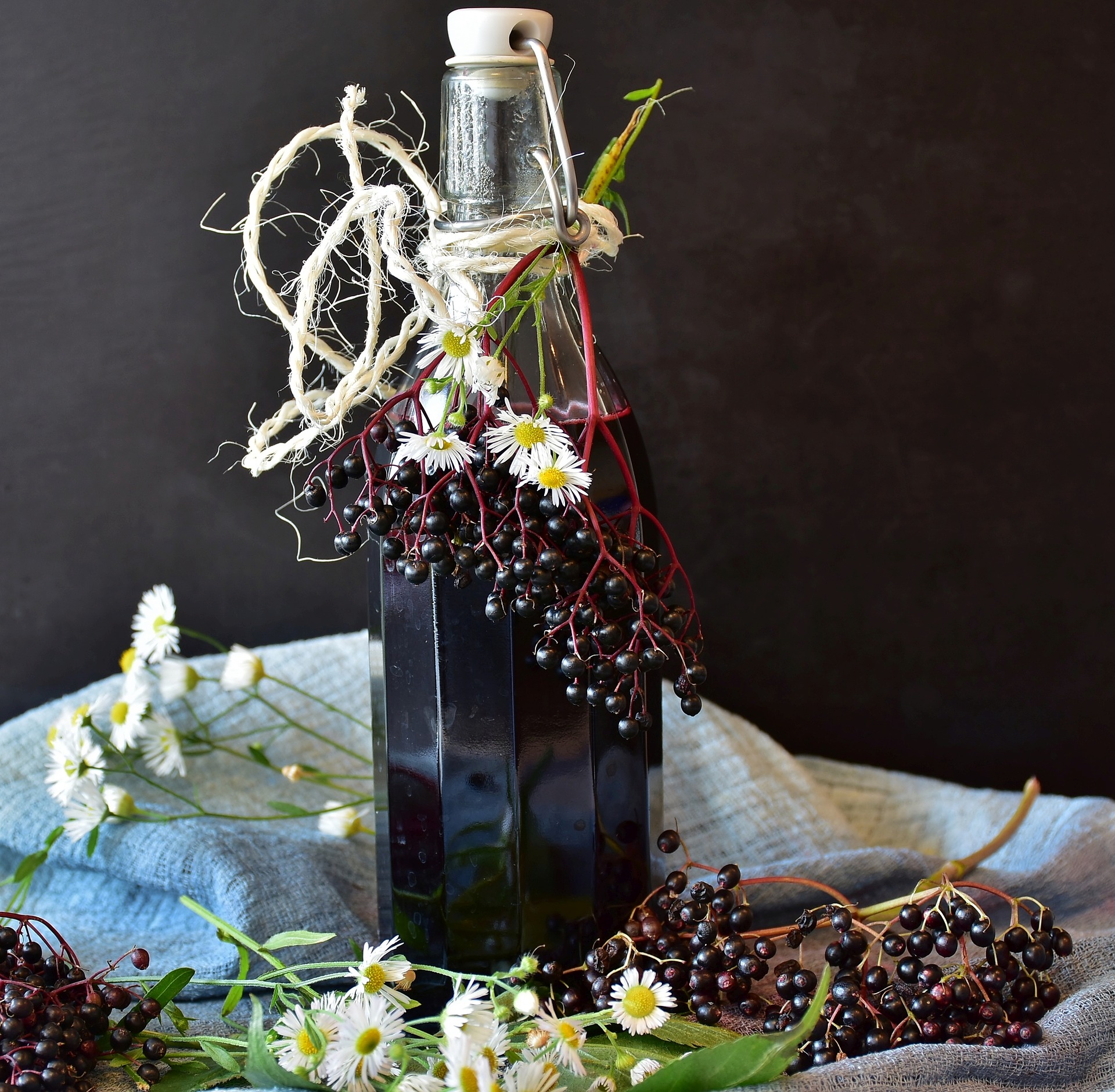
Fermentation is the process of converting the natural sugars in elderberries into alcohol. This is done by adding yeast to the elderberry juice, which then eats the sugars and produces alcohol and carbon dioxide as byproducts. The fermentation process typically takes 7-10 days, and it’s important to keep the temperature of the fermenting wine between 60-70°F (16-21°C) to ensure optimal yeast activity.
Once the fermentation process is complete, the wine is ready to be aged. Aging helps to develop the wine’s flavor and aroma, and it can also help to stabilize the wine so that it doesn’t spoil. Elderberry wine can be aged for anywhere from a few months to several years, and the longer it’s aged, the more complex its flavor will become.
Monitoring the Progress of Fermentation
It’s important to monitor the progress of fermentation so that you can ensure that it’s going smoothly. There are a few things you can look for to gauge the progress of fermentation, including:
- The activity of the yeast: During active fermentation, you should see bubbles forming in the wine and the yeast should be visible on the surface of the wine.
- The specific gravity of the wine: The specific gravity of the wine will decrease as the fermentation progresses, as the sugars are converted into alcohol. You can use a hydrometer to measure the specific gravity of the wine.
- The taste of the wine: The wine will become drier as the fermentation progresses, as the sugars are converted into alcohol. You can taste the wine periodically to monitor its progress.
Flavor Variations
The versatility of elderberry wine allows for a wide range of flavor profiles. Experimenting with different ingredients and techniques can create unique and exciting concoctions.
Infusing flavors into elderberry wine can be achieved through various methods, including maceration, steeping, and blending. Maceration involves soaking fruits, herbs, or spices in the wine for an extended period, allowing their flavors to extract. Steeping, on the other hand, involves adding ingredients to the wine during fermentation, imparting their flavors as the yeast works its magic.
Fruit Infusions
- Apple: Adds a crisp, refreshing sweetness to the wine. Use tart apples for a balanced flavor.
- Raspberry: Infuses a vibrant pink hue and a delicate tartness. Raspberries can be macerated or steeped.
- Blackberry: Creates a deep, rich flavor with hints of spice. Blackberries can be steeped or blended with the wine.
Herb and Spice Additions
- Cinnamon: Adds a warm, spicy aroma and flavor. Use whole cinnamon sticks for a more intense taste.
- Cloves: Imparts a subtle sweetness and a hint of bitterness. Use sparingly, as cloves can overpower the wine’s delicate flavors.
- Ginger: Adds a refreshing zing and a hint of heat. Fresh ginger can be macerated or steeped in the wine.
Blending
Blending different wines can create complex and harmonious flavors. Consider blending elderberry wine with:
- Red wine: Adds depth and tannins, creating a robust blend.
- White wine: Lightens the color and body of the wine, providing a more refreshing taste.
- Fruit wines: Such as apple or raspberry wine, can add additional fruit flavors and sweetness.
Troubleshooting Common Issues

Wine making, like any other craft, is not without its challenges. However, by understanding potential problems and equipping yourself with solutions, you can increase your chances of success.
Here are some common issues and tips to overcome them:
Spoilage
- Problem: Signs of spoilage include off-odors, cloudiness, and mold.
- Solution: Maintain proper sanitation throughout the process, use high-quality ingredients, and control fermentation temperature.
Stuck Fermentation
- Problem: Fermentation stops before all the sugar is converted to alcohol.
- Solution: Check the temperature (it should be within the optimal range), add more yeast, or stir the must.
High Acidity
- Problem: Wine that is too acidic can be harsh and unpleasant.
- Solution: Use less tart fruit, add limestone chips or potassium bicarbonate to neutralize acidity, or blend with a less acidic wine.
Low Alcohol Content
- Problem: Wine that is too low in alcohol can be watery and lack flavor.
- Solution: Use more sugar during fermentation, extend fermentation time, or add a wine enhancer.
Off-Flavors
- Problem: Wine can develop unpleasant flavors due to oxidation, contamination, or poor fruit quality.
- Solution: Prevent oxidation by storing wine in airtight containers, use clean equipment, and choose high-quality fruit.
Storage and Serving Recommendations
Preserve the quality of your elderberry wine with appropriate storage techniques. Consider these guidelines to ensure optimal flavor and longevity.
Once bottled, store the wine in a cool, dark place with consistent temperature. Ideal storage conditions include a temperature between 50-55°F (10-13°C) and minimal light exposure. These conditions help preserve the wine’s delicate flavors and prevent spoilage.
Serving Recommendations
Serve elderberry wine chilled to enhance its refreshing qualities. The ideal serving temperature ranges from 45-50°F (7-10°C). Pair it with light appetizers, such as cheese platters, fruit salads, or grilled vegetables, to complement its fruity and slightly tart flavor profile.
Health Benefits and Cautions
Elderberry wine is not only delicious but also offers potential health benefits. Its high antioxidant content may support immune function and reduce inflammation.
Precautions
However, certain precautions should be considered:
- Unripe berries: Unripe elderberries contain a toxin called sambunigrin, which can cause nausea and vomiting. Only use ripe berries for winemaking.
- Pregnancy and breastfeeding: The safety of elderberry wine during pregnancy and breastfeeding is not well established. Consult a healthcare professional before consuming.
- Medications: Elderberry wine may interact with certain medications, such as diuretics and anticoagulants. Discuss with a doctor if you’re taking any medications.
- Allergies: Some people may be allergic to elderberries. If you experience any allergic reactions, discontinue use and seek medical attention.
Creative Presentation Ideas
Showcase your elderberry wine with a touch of creativity that reflects its unique character. Consider these presentation ideas to elevate its visual appeal and make it a memorable gift or centerpiece.
Labels and Packaging
- Design custom labels featuring vibrant berry illustrations or vintage-inspired typography.
- Package the wine in decorative bottles with intricate etchings or colorful glass.
- Add a touch of elegance with a wax seal and personalized gift tag.
Gift-Giving
- Create a gift basket with elderberry wine paired with artisanal cheeses, crackers, and a selection of berries.
- Wrap the wine in a luxurious velvet bag or a handcrafted wooden box.
- Accompany the wine with a handwritten note expressing your gratitude or a thoughtful message.
Outcome Summary
As you embark on your elderberry winemaking journey, remember that patience and attention to detail are key. Allow your wine ample time to ferment and age, and savor the exquisite flavors it develops over time. Share your creations with loved ones, and raise a glass to the joy of homemade winemaking.