Wood Fired Oven Recipes embarks on a tantalizing adventure into the realm of culinary delights, where the ancient art of wood-fired cooking takes center stage. From the sizzling heat of classic pizzas to the aromatic depths of regional Italian dishes, this guide ignites a passion for food that transcends the ordinary.
Delve into the secrets of crafting mouthwatering pizzas, their crusts a symphony of textures and toppings a vibrant tapestry of flavors. Explore the diverse culinary landscapes of Italy, where each region boasts its unique repertoire of oven-baked delicacies, each infused with the essence of tradition and the warmth of the hearth.
Classic Pizza Recipes

When it comes to classic pizza recipes, the options are endless. From the traditional Margherita to the more modern Hawaiian, there’s a pizza out there for everyone. In this article, we’ll take a look at some of the most popular classic pizza recipes, as well as some variations on crusts, toppings, and cooking techniques.
Pizza is a dish that has been enjoyed for centuries, and it’s no wonder why. It’s delicious, versatile, and relatively easy to make. If you’re looking for a classic pizza recipe that’s sure to please everyone, look no further than the Margherita.
Margherita Pizza
The Margherita pizza is one of the most popular pizzas in the world. It’s made with a simple combination of tomatoes, mozzarella cheese, and basil. The key to a great Margherita pizza is using fresh, high-quality ingredients. The tomatoes should be ripe and juicy, the mozzarella cheese should be fresh and milky, and the basil should be fresh and fragrant.
- To make a Margherita pizza, start by preheating your oven to 500 degrees Fahrenheit. While the oven is heating, stretch out a ball of pizza dough into a 12-inch circle. Place the dough on a lightly oiled baking sheet.
- Spread a thin layer of tomato sauce over the dough, leaving a 1-inch border around the edges. Top the sauce with mozzarella cheese and basil leaves.
- Bake the pizza for 10-12 minutes, or until the cheese is melted and bubbly and the crust is golden brown.
The Margherita pizza is a classic for a reason. It’s simple, delicious, and perfect for any occasion.
Variations on Classic Pizza Recipes
Of course, there are many variations on the classic pizza recipe. You can change up the crust, the toppings, or even the cooking technique. Here are a few ideas:
- Crust: You can use a variety of different crusts for your pizza, including thin crust, thick crust, and even gluten-free crust.
- Toppings: The possibilities are endless when it comes to toppings. You can use anything from traditional toppings like pepperoni and sausage to more unique toppings like pineapple and bacon.
- Cooking technique: You can cook your pizza in a variety of ways, including in a wood-fired oven, a conventional oven, or even on a grill.
No matter how you choose to make it, pizza is a delicious and versatile dish that’s perfect for any occasion.
History and Origins of Classic Pizza Recipes
Pizza has a long and storied history. It is believed to have originated in Naples, Italy, in the early 1800s. The first pizzas were simple flatbreads topped with tomatoes and cheese. Over time, more toppings were added, and the pizza evolved into the dish we know today.
Today, pizza is one of the most popular foods in the world. It is enjoyed by people of all ages and cultures. There are countless pizza restaurants and pizzerias around the world, and pizza is also a popular dish to make at home.
Regional Italian Oven Dishes: Wood Fired Oven Recipes

When it comes to cooking with fire, Italy is a country that knows what it’s doing. From the north to the south, each region has its own unique take on wood-fired oven dishes. In this article, we’ll explore some of the most popular regional dishes and provide recipes so you can try them at home.
The unique flavors and cooking methods of each region are due to a combination of factors, including the local climate, the availability of ingredients, and the cultural traditions of the people who live there.
Indulge in the tantalizing world of Wood Fired Oven Recipes, where culinary artistry meets the primal heat of wood. From mouthwatering pizzas to succulent roasts, these recipes will ignite your passion for cooking. And if you’re seeking a festive treat, venture into the realm of Rum Chata Peppermint Bark Recipes . These decadent treats combine the rich flavors of rum chata and peppermint, creating a symphony of holiday indulgence.
Return to the warmth of Wood Fired Oven Recipes, where the crackle of wood and the aroma of freshly baked bread will fill your home with comfort and joy.
Lasagna
Lasagna is a classic Italian dish that is made with layers of pasta, cheese, and meat sauce. It is typically baked in a wood-fired oven, which gives it a crispy crust and a smoky flavor.
- Ingredients:
- 1 pound of lasagna noodles
- 1 pound of ground beef
- 1 pound of Italian sausage
- 1 onion, chopped
- 2 cloves of garlic, minced
- 1 (28-ounce) can of crushed tomatoes
- 1 (15-ounce) can of tomato sauce
- 1 teaspoon of dried oregano
- 1 teaspoon of dried basil
- 1/2 teaspoon of salt
- 1/4 teaspoon of black pepper
- 1 cup of ricotta cheese
- 1 cup of mozzarella cheese, shredded
- Instructions:
- Preheat the oven to 375 degrees Fahrenheit.
- Brown the ground beef and Italian sausage in a large skillet over medium heat. Drain off the excess grease.
- Add the onion and garlic to the skillet and cook until softened.
- Stir in the crushed tomatoes, tomato sauce, oregano, basil, salt, and pepper. Bring to a simmer and cook for 15 minutes, or until the sauce has thickened.
- Spread 1 cup of the sauce in the bottom of a 9×13-inch baking dish.
- Top with 3 lasagna noodles.
- Spread with 1/2 of the ricotta cheese.
- Spread with 1/2 of the mozzarella cheese.
- Repeat layers.
- Bake for 30 minutes, or until the cheese is melted and bubbly.
- Let stand for 10 minutes before serving.
International Oven-Baked Delicacies
Wood-fired ovens aren’t just for Italian classics. They’re a culinary passport to a world of flavors. From flatbreads to tandoori dishes, these international oven-baked delicacies showcase the diverse cultures and cooking techniques that make our planet a culinary wonderland.
Flatbreads Around the World
Flatbreads are a staple in many cultures, and wood-fired ovens give them an irresistible smoky crunch. In the Middle East, pita bread is the perfect accompaniment to dips and grilled meats. In India, naan is a soft and fluffy bread that can be plain or stuffed with fillings like cheese or garlic. And in Mexico, tortillas are the base for tacos, burritos, and quesadillas.
- Pita Bread: A thin, round bread with a pocket that’s perfect for stuffing.
- Naan: A leavened bread that’s cooked in a tandoor oven, giving it a distinctive smoky flavor.
- Tortilla: A thin, unleavened bread that’s used in a variety of Mexican dishes.
Tandoori Delights from India
The tandoor oven is a traditional Indian clay oven that gives food a unique smoky flavor. Tandoori dishes are typically marinated in yogurt and spices, then cooked in the tandoor. The result is tender, juicy meat with a crispy, charred exterior.
- Tandoori Chicken: A classic dish made with chicken marinated in yogurt, spices, and lemon juice, then cooked in a tandoor.
- Tandoori Paneer: A vegetarian dish made with paneer (Indian cheese) marinated in spices and cooked in a tandoor.
- Tandoori Roti: A flatbread made with whole wheat flour and cooked in a tandoor.
Meat and Seafood Specialties
Cooking meats and seafood in a wood-fired oven imparts a unique flavor and tenderness that cannot be achieved with other cooking methods. The intense heat of the wood fire sears the exterior of the meat or seafood, creating a flavorful crust, while the interior remains moist and succulent.
Grilling
Grilling over a wood fire is a great way to cook meats and seafood quickly and evenly. The direct heat of the fire will sear the exterior of the meat or seafood, creating a flavorful crust, while the interior remains moist and succulent.
- To grill meats or seafood over a wood fire, preheat the grill to medium-high heat.
- Brush the meat or seafood with olive oil and season with salt and pepper.
- Place the meat or seafood on the grill and cook for 5-7 minutes per side, or until cooked through.
Roasting
Roasting meats and seafood in a wood-fired oven is a great way to cook them slowly and evenly. The indirect heat of the fire will gently cook the meat or seafood, resulting in a tender and flavorful dish.
- To roast meats or seafood in a wood-fired oven, preheat the oven to 350 degrees Fahrenheit.
- Place the meat or seafood on a roasting rack and season with salt and pepper.
- Roast the meat or seafood for 1-2 hours per pound, or until cooked through.
Smoking
Smoking meats and seafood in a wood-fired oven is a great way to add flavor and preserve them. The smoke from the wood fire will penetrate the meat or seafood, giving it a unique and delicious flavor.
- To smoke meats or seafood in a wood-fired oven, preheat the oven to 225 degrees Fahrenheit.
- Place the meat or seafood on a smoking rack and season with salt and pepper.
- Smoke the meat or seafood for 2-4 hours, or until cooked through.
Vegetarian and Vegan Options

Embark on a culinary journey that celebrates the vibrant flavors and versatility of plant-based cooking in a wood-fired oven. From succulent roasted vegetables to tender grilled tofu and tantalizing wood-fired pizzas, discover how the primal heat and smoky essence of wood-fired cooking elevate vegetarian and vegan dishes to new heights.
Wood-fired ovens, with their intense heat and radiant ambiance, provide an ideal environment for coaxing out the natural sweetness and complexity of vegetables. Roasting brings out their caramelized goodness, while grilling imparts a smoky depth of flavor. Tofu, with its absorbent nature, soaks up the smoky essence, resulting in a tender and flavorful delight.
Roasted Vegetables
- Select a medley of seasonal vegetables such as carrots, zucchini, bell peppers, and onions.
- Toss them with olive oil, herbs, and spices.
- Spread the vegetables evenly on a preheated wood-fired oven baking stone or pizza peel.
- Roast until tender and slightly charred, stirring occasionally.
Grilled Tofu
- Press tofu to remove excess moisture.
- Marinate the tofu in a flavorful blend of soy sauce, sesame oil, garlic, and ginger.
- Grill the tofu over medium heat in a wood-fired oven until golden brown and slightly crispy.
- Serve with your favorite dipping sauce.
Wood-Fired Pizzas
- Prepare a simple pizza dough using flour, water, yeast, and salt.
- Top the dough with a flavorful tomato sauce, roasted vegetables, and grilled tofu.
- Sprinkle with vegan cheese or nutritional yeast.
- Bake in a preheated wood-fired oven until the crust is golden brown and the toppings are bubbly.
Breads and Pastries

Wood-fired ovens offer a unique and flavorful way to bake breads and pastries. The intense heat of the oven creates a crispy crust and a tender, chewy interior. Wood-fired ovens can be used to bake a variety of breads, including artisan loaves, sourdough, and croissants. They can also be used to bake pastries such as pies, tarts, and cookies.
The unique flavor of wood-fired baked goods comes from the smoke and heat of the oven. The smoke imparts a subtle smoky flavor to the bread or pastry, while the heat creates a crispy crust. Wood-fired ovens also cook food more evenly than conventional ovens, resulting in a more consistent texture.
Sourdough
Sourdough is a type of bread that is made with a sourdough starter. A sourdough starter is a mixture of flour and water that is fermented by wild yeast and bacteria. The fermentation process gives sourdough bread its characteristic sour flavor. Sourdough bread can be baked in a wood-fired oven or in a conventional oven.
Croissants
Croissants are a type of pastry that is made with a yeast-based dough that is rolled and folded several times. The rolling and folding process creates the characteristic flaky layers of a croissant. Croissants can be baked in a wood-fired oven or in a conventional oven.
Wood-fired Pastries
Wood-fired pastries are any type of pastry that is baked in a wood-fired oven. Wood-fired pastries have a unique flavor and texture that is different from pastries that are baked in a conventional oven. The smoke and heat of the wood-fired oven give wood-fired pastries a subtle smoky flavor and a crispy crust.
Oven Maintenance and Tips
Maintaining a wood-fired oven is crucial for its longevity and optimal performance. Here are some essential tips to keep your oven in top shape:
Cleaning
- After each use, remove ashes and debris from the oven floor using a brush or shovel.
- Periodically clean the oven dome using a damp cloth or sponge.
- Never use water or cleaning agents on the oven floor, as this can damage the refractory material.
Wood Selection and Fire Management
Choosing the right wood is essential for proper combustion and heat distribution. Use seasoned hardwood, such as oak, maple, or hickory, for optimal results.
- Start with a small fire and gradually add larger logs as the oven heats up.
- Maintain a steady fire, avoiding excessive flames or smoldering embers.
- Use a poker or long-handled tool to adjust the fire and distribute heat evenly.
Optimizing Performance
- Insulate the oven door with a thick blanket or fireproof material to retain heat.
- Preheat the oven to the desired temperature before cooking to ensure even heat distribution.
- Use a pyrometer or infrared thermometer to monitor the oven temperature accurately.
- Regularly inspect the oven for cracks or damage and repair promptly to prevent further issues.
Oven Design and Construction
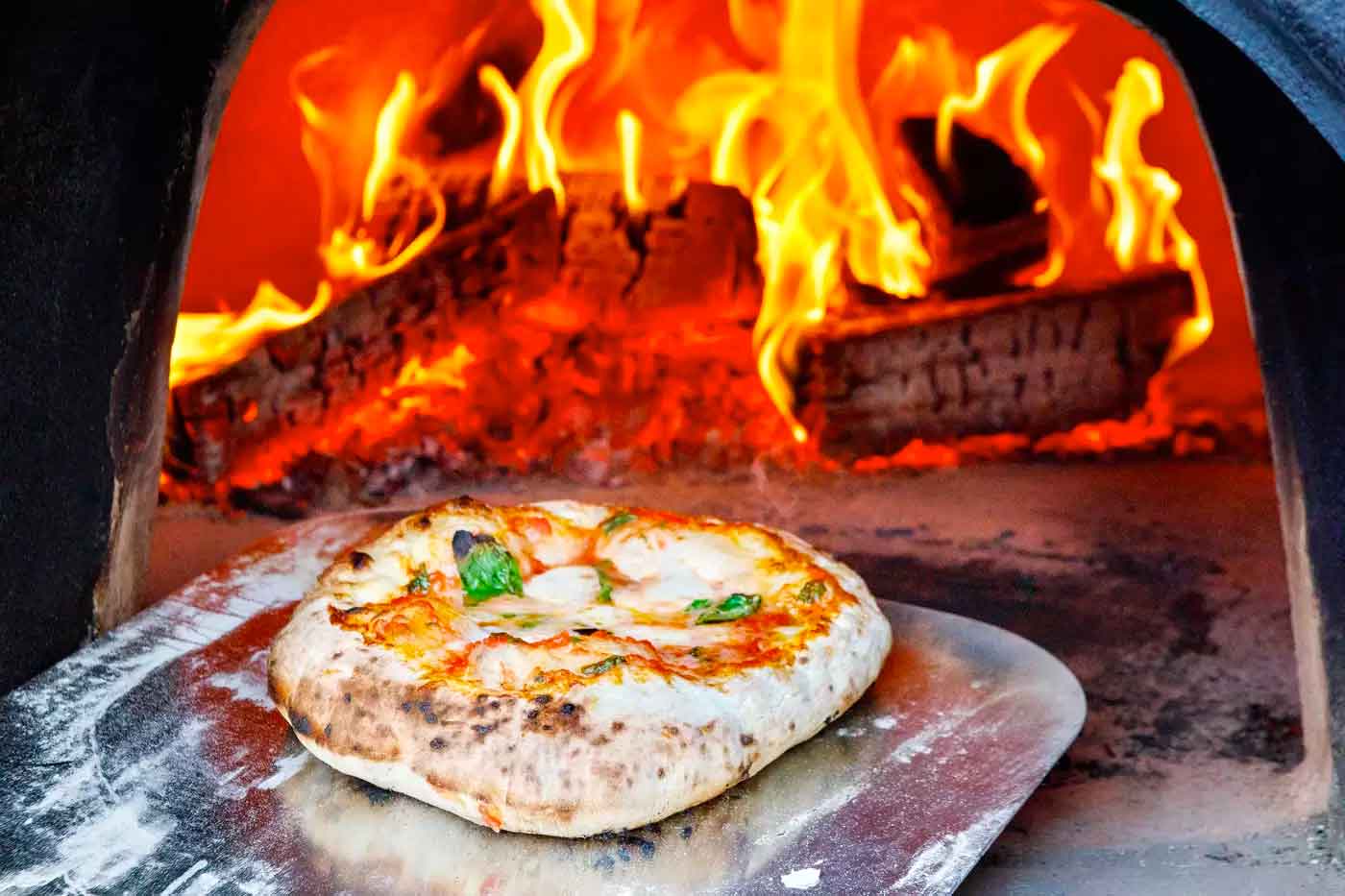
Wood-fired ovens have a long history, dating back to ancient times. They are prized for their ability to produce evenly cooked food with a unique flavor. There are many different types of wood-fired ovens, each with its own advantages and disadvantages. The most common type of wood-fired oven is the Neapolitan oven, which is a dome-shaped oven made of refractory brick. Neapolitan ovens are known for their ability to produce very high temperatures, which results in a crispy crust and a chewy interior.
Other types of wood-fired ovens include the Tuscan oven, which is a rectangular oven with a flat bottom and a vaulted ceiling, and the Sicilian oven, which is a large, round oven with a domed ceiling. Tuscan ovens are known for their ability to produce a variety of dishes, including pizzas, breads, and roasts. Sicilian ovens are known for their ability to produce large quantities of food, making them ideal for parties and gatherings.
Materials Used
The materials used to construct a wood-fired oven will vary depending on the type of oven being built. The most common materials used are refractory brick, which is a type of brick that is resistant to high temperatures, and clay. Other materials that can be used include stone, concrete, and metal.
Insulation, Wood Fired Oven Recipes
Insulation is important for a wood-fired oven because it helps to retain heat and prevent the oven from losing heat to the surrounding environment. The most common type of insulation used in wood-fired ovens is ceramic fiber, which is a lightweight material that is resistant to high temperatures. Other materials that can be used include perlite, vermiculite, and sand.
Chimney Design
The chimney is an important part of a wood-fired oven because it allows smoke and gases to escape from the oven. The chimney should be designed to create a strong draft, which will help to keep the oven burning efficiently. The most common type of chimney used in wood-fired ovens is a straight chimney, which is a vertical pipe that extends from the top of the oven to the outside. Other types of chimneys that can be used include a dogleg chimney, which is a chimney that has a bend in it, and a T-chimney, which is a chimney that has two outlets.
Designing and Building a Custom Wood-Fired Oven
If you are interested in building your own wood-fired oven, there are a few things you will need to consider. First, you will need to decide what type of oven you want to build. Once you have decided on the type of oven, you will need to gather the materials and tools you will need. You will also need to find a suitable location for your oven. Once you have all of the necessary materials and tools, you can begin building your oven. There are many resources available online and in libraries that can help you with this process.
Wood-Fired Oven Accessories
For a safe and satisfying wood-fired oven experience, having the right accessories is crucial. These tools will not only enhance your cooking capabilities but also ensure your safety while handling the intense heat and flames.
Essential accessories for wood-fired ovens include:
Pizza Peels
- Metal peels: Ideal for transferring pizzas and other baked goods into and out of the oven. Their wide, flat surface allows for easy handling and prevents sticking.
- Wooden peels: Primarily used for shaping and stretching pizza dough. They provide a non-stick surface and allow you to work the dough without tearing.
Thermometers
- Oven thermometers: Monitor the internal temperature of the oven, ensuring optimal cooking conditions for different dishes.
- Infrared thermometers: Measure the surface temperature of food items, allowing you to accurately gauge their doneness.
Protective Gear
- Heat-resistant gloves: Protect your hands from the intense heat of the oven and embers.
- Long-sleeved apron: Shield your arms and torso from sparks and heat.
- Safety glasses: Prevent embers or ash from entering your eyes while tending to the fire.
Cooking Techniques and Terminology
Cooking in a wood-fired oven is an art that requires a mastery of unique techniques and understanding of specialized terminology. The intense heat and uneven temperature distribution in a wood-fired oven necessitate specific approaches to achieve optimal cooking results.
Prepare yourself for a culinary journey with Wood Fired Oven Recipes that will ignite your taste buds! If you’re looking for inspiration beyond your kitchen, explore Mississippi Recipes For Success for a taste of Southern charm. But remember, once you return to your oven, let the wood-fired flames enhance your culinary creations with an irresistible smoky flavor that will leave you craving more.
One of the key cooking techniques is understanding the difference between direct and indirect heat. Direct heat refers to cooking food directly over the flames or hot coals, resulting in intense searing and quick cooking. Indirect heat, on the other hand, involves cooking food on a baking stone or in a Dutch oven placed to the side of the fire, allowing for more gentle and even cooking.
Heat Zones
Wood-fired ovens have distinct heat zones, each with its own temperature range. The hottest zone is directly above the fire, followed by the middle zone, and the coolest zone is at the edges of the oven. Understanding these heat zones is crucial for controlling the cooking process. Foods that require high heat, such as pizzas and breads, can be cooked in the hottest zone, while delicate items like vegetables and fish can be placed in the cooler zones.
Managing Temperature
Maintaining a consistent temperature in a wood-fired oven is essential for successful cooking. This can be achieved by adjusting the amount of wood added to the fire and controlling the airflow. Using a thermometer to monitor the temperature is highly recommended to ensure accuracy.
Tips for Optimal Cooking
- Preheat the oven to the desired temperature before cooking.
- Use a variety of cooking techniques, such as direct and indirect heat, to achieve different results.
- Monitor the temperature regularly and adjust the fire or airflow as needed.
- Be patient and allow the food to cook slowly and evenly.
- Experiment with different types of wood to impart unique flavors to your dishes.
Health Benefits of Wood-Fired Cooking
Wood-fired cooking is an ancient technique that has been used for centuries to prepare food. In recent years, there has been a resurgence of interest in this traditional cooking method, as people are becoming more aware of its potential health benefits.
One of the main benefits of wood-fired cooking is that it can help to preserve the nutritional value of food. This is because the high temperatures reached in a wood-fired oven can quickly cook food, which helps to retain vitamins and minerals that can be lost during other cooking methods.
Immune System Support
- Studies have shown that wood-fired cooking can help to increase the production of white blood cells, which are essential for fighting off infection.
- The high temperatures reached in a wood-fired oven can also help to kill bacteria and other harmful microorganisms that can be present in food.
Improved Digestion
- The high temperatures reached in a wood-fired oven can help to break down the fibers in food, which can make it easier to digest.
- This can be especially beneficial for people with digestive issues, such as irritable bowel syndrome (IBS).
Reduced Risk of Chronic Diseases
- Some studies have suggested that wood-fired cooking may help to reduce the risk of developing chronic diseases, such as heart disease and cancer.
- This is because the high temperatures reached in a wood-fired oven can help to create compounds that have antioxidant and anti-inflammatory properties.
Ultimate Conclusion
As the embers dwindle and the flames subside, Wood Fired Oven Recipes leaves a lasting impression, a testament to the enduring power of culinary artistry. Whether you’re a seasoned chef or a home cook seeking inspiration, this guide empowers you to harness the magic of wood-fired cooking, transforming ordinary ingredients into extraordinary culinary creations.